
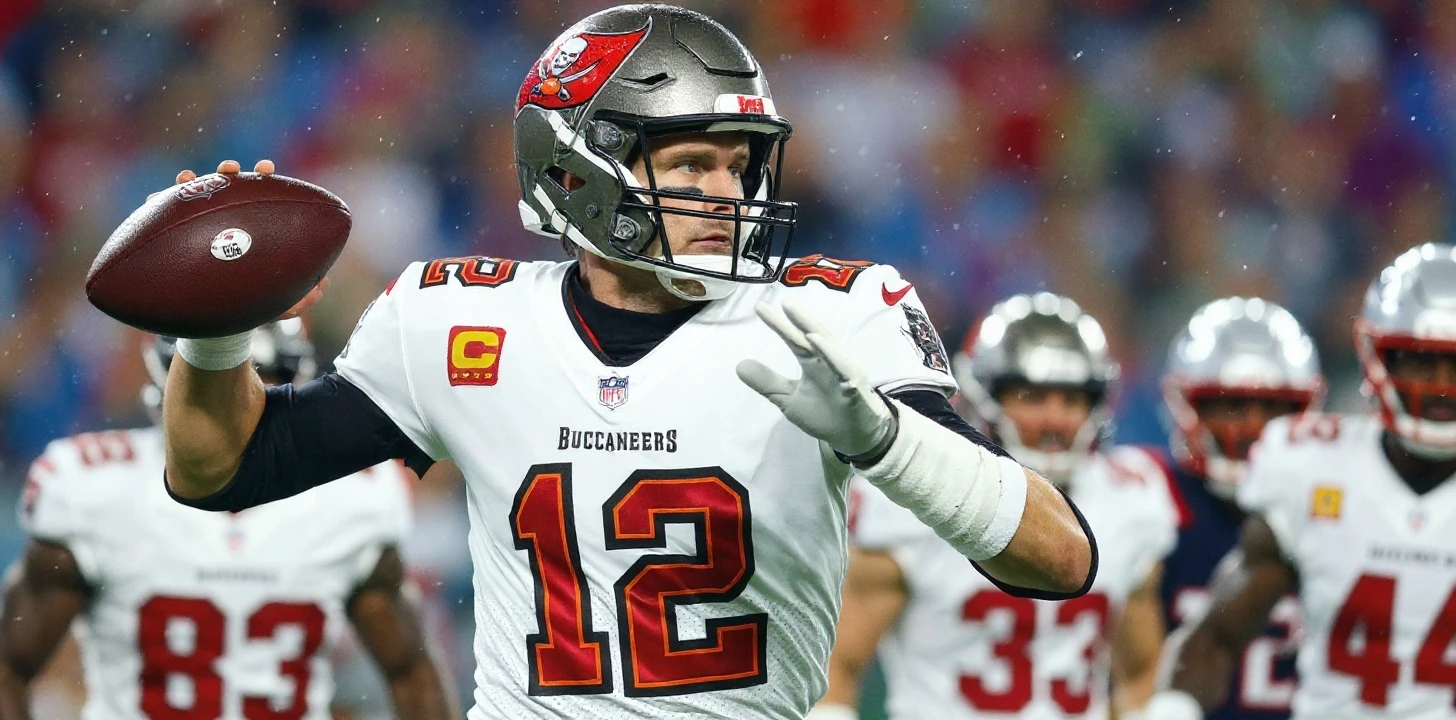
In the world of football, quarterbacks often steal the spotlight with their heroic plays and MVP trophies. However, a closer look at the data reveals that an elite pass rush is the true deciding factor in winning championships.
Quarterbacks collect the MVP trophies, sign the nine-figure contracts, and dominate the highlight reels — but a deeper look at 25 years of Super Bowl outcomes tells a more complicated story. Time and again, it’s the pass rush that separates contenders from champions.
The Unsung Heroes: How Pass Rushers Decide Championships
Want to know what people are really saying? Don’t miss the buzz from Reddit at the end!
The quarterback-as-savior narrative is one of the most deeply embedded storylines in professional football, and it’s not entirely wrong.
Signal-callers earn the endorsement deals, the Hall of Fame busts, and the legacy debates — and for good reason. They touch the ball on every offensive snap and carry enormous responsibility for a team’s success.
Quarterbacks: The Glorified Sidekicks?
But a systematic look at Super Bowl rosters since 2000 complicates that narrative significantly. In nearly every championship run, the team with the more disruptive pass rush won the game. The quarterbacks got the parades, but the defensive linemen got the rings — and often, they earned them first.
Consider the most decorated quarterbacks in modern NFL history: Tom Brady, Peyton Manning, Drew Brees, and Patrick Mahomes. Each of them reached the pinnacle of the sport, but none of them did it without a defense capable of generating consistent pressure on opposing quarterbacks.
Brady’s six Super Bowl wins with New England came alongside defenses that ranked among the league’s best in points allowed. Mahomes’ back-to-back titles in Super Bowl LVII and LVIII were supported by a Chiefs defense that tightened dramatically in the postseason.
Brady’s Patriots defenses were built on scheme, depth, and relentless execution — qualities that made them suffocating in January when the margin for error shrinks to almost nothing. Bill Belichick’s system consistently generated pressure without needing a single dominant edge rusher, instead deploying a rotation that wore down offensive lines over four quarters.
Manning’s lone Super Bowl victory — Super Bowl 50 following the 2015 season — is the clearest modern example of a defense carrying a quarterback to a title.
Manning threw for just 141 yards and was benched at halftime of the regular season finale that year. It was Von Miller, who finished with 2.5 sacks and two forced fumbles in the Super Bowl, who was named MVP, as Fox News recounted. The Broncos’ defense allowed just 18.5 points per game that season, the best mark in the league.
Brees’ Super Bowl XLIV victory following the 2009 season came with a Saints defense that ranked 11th in points allowed and generated 45 sacks during the regular season. Cornerback Tracy Porter’s pick-six off Peyton Manning in the fourth quarter sealed the win, as documented by the New Orleans Saints — a defensive play that defined the game more than any throw Brees made.
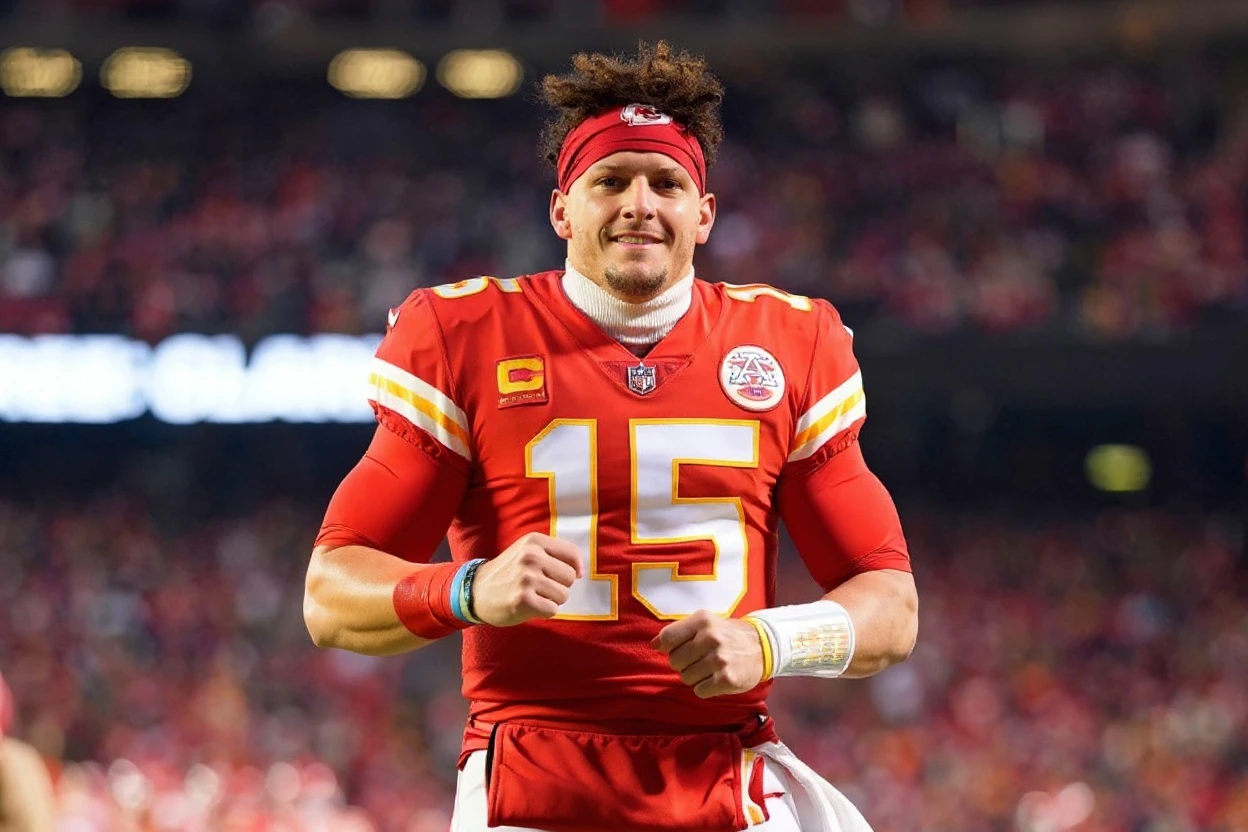
Defensive Dominance: Villains of the Gridiron
The pattern is consistent enough to be more than coincidence. Quarterbacks set the floor for a team’s offensive ceiling, but it’s the pass rush that determines whether a team can survive the postseason gauntlet — where every opponent is prepared, every scheme is game-planned, and the margin between winning and losing compresses to a handful of plays.
The historical record is full of dominant defensive performances that decided championships before the offense ever had a chance to be the story.
The 2000 Baltimore Ravens remain the gold standard for defensive dominance overriding quarterback limitations. That defense allowed just 10.3 points per game — the lowest mark in NFL history at the time — and carried Trent Dilfer, a quarterback who completed 57.6% of his passes for 12 touchdowns and 11 interceptions that season, to a Super Bowl title.
Aaron Donald’s performance in Super Bowl LVI is one of the most decisive individual defensive plays in championship history.
With the Cincinnati Bengals driving for a potential go-ahead score in the final minutes, Donald — playing through a shoulder injury — generated the pressure that forced Joe Burrow into an incompletion on fourth down, ending the drive and sealing the Rams’ 23-20 victory, as Britannica details. Donald finished his career with 98 regular-season sacks and three Defensive Player of the Year awards, but that fourth-down stop may be his defining moment.
Lawrence Taylor’s dominance in the 1980s was so complete that it forced the entire NFL to restructure how offensive lines were built, leading to the widespread adoption of the left tackle as a premium position.
Michael Strahan and Osi Umenyiora anchored the Giants’ pass rush that dismantled the 18-0 New England Patriots in Super Bowl XLII.
New York sacked Tom Brady five times, as the Giants recount, and pressured him on a significant percentage of his dropbacks, disrupting a Patriots offense that had averaged 36.8 points per game during the regular season.
Reggie White recorded three sacks in Super Bowl XXXI, helping the Green Bay Packers defeat the New England Patriots 35-21. White finished his career with 198 official sacks — a figure that stood as the NFL record for years — and his Super Bowl performance underscored how a single elite pass rusher can alter the trajectory of a championship game.
Trenches of Glory: Where Titles Are Truly Won
These performances share a common thread: in each case, the pass rusher didn’t just contribute to the win — he defined it. Quarterbacks on the losing side of these matchups weren’t outplayed by opposing quarterbacks. They were dismantled by defensive fronts that gave them no time, no rhythm, and no margin for error.
The 2012 Baltimore Ravens are another instructive case. Joe Flacco played at an elite level during that postseason run, throwing 11 touchdowns and zero interceptions, but the Ravens’ defense — generating turnovers at critical moments, including Ed Reed’s interception of Tom Brady in the AFC Championship — was equally responsible for the title. Flacco earned Super Bowl MVP honors, but the defense kept Baltimore alive long enough for him to earn it.
Super Bowl LIX reinforced the same principle. The Philadelphia Eagles’ defensive front dominated the Kansas City Chiefs’ offensive line throughout the game, limiting Patrick Mahomes to one of his worst postseason performances and delivering a 40-22 blowout victory, per NFL.com. The Eagles’ pass rush — led by Jalen Carter, Josh Sweat, and Nolan Smith — set the tone from the opening drive and never relented.
None of this is an argument that the quarterback position is overrated in absolute terms. Across a full 17-game regular season, the quarterback’s impact on wins and losses is unmatched by any other single position. The gap between a franchise quarterback and a replacement-level starter is the largest positional gap in professional sports.
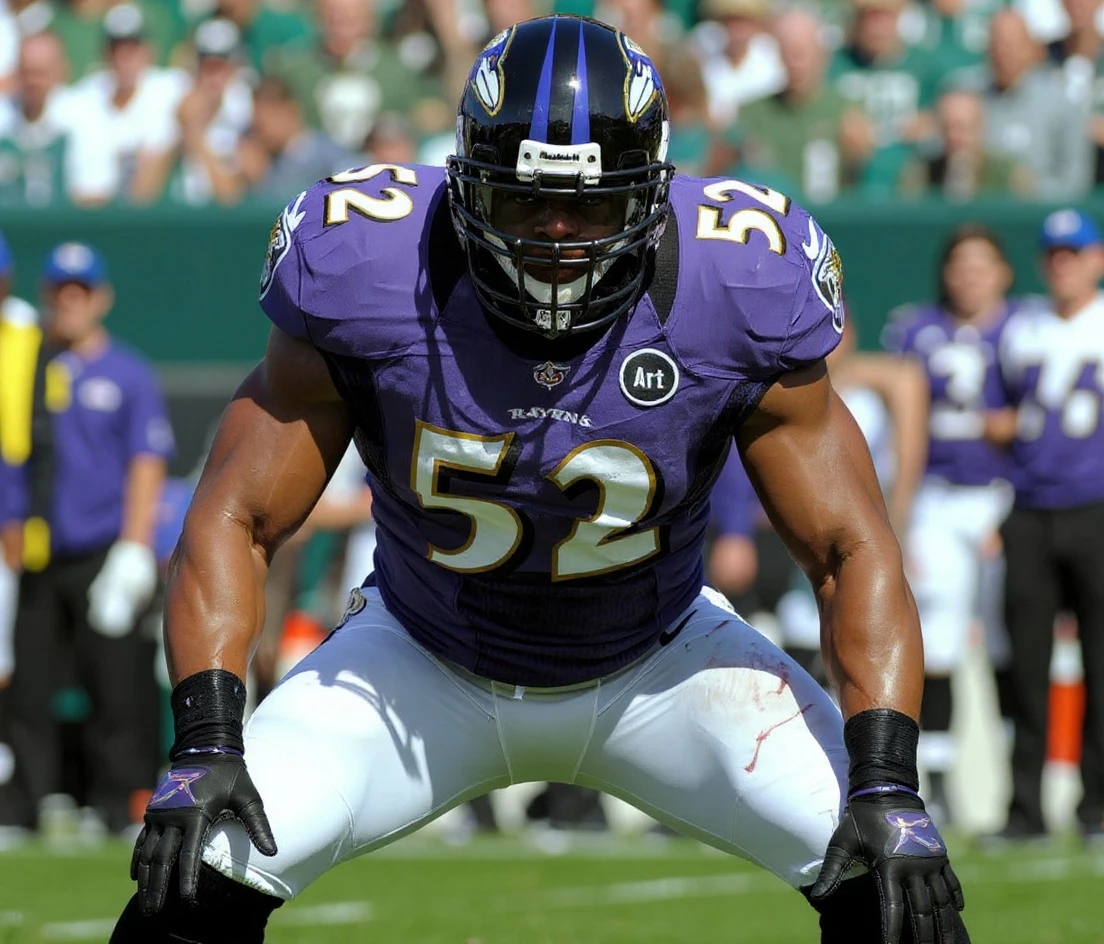
Confetti Rains on the Relentless: Pass Rushers’ Crowning Moment
But championships are decided in a compressed, high-stakes environment where preparation neutralizes offensive advantages and defensive execution becomes the differentiating factor. In that context, the ability to disrupt the opposing quarterback — to collapse the pocket, force early throws, and create negative plays — consistently proves more decisive than the ability to generate points. The trenches don’t show up in the box score the way a 300-yard passing game does, but they show up in the final score.
When the final whistle blows and the Lombardi Trophy gets handed over, the quarterback is usually the one holding it for the cameras. But the pass rushers are the ones who made it possible — by spending four quarters making the opposing quarterback’s night a miserable, chaotic exercise in survival.
Quarterbacks earn the MVP hardware and the prime-time narratives. Defensive linemen earn the rings — and in the most decisive championship games of the past two decades, they earned them first.

What People Are Saying About the Unsung Heroes of Football
The evidence across 25 years of Super Bowl data points in one direction: elite pass rushing is the most reliable predictor of championship success. Quarterbacks provide the ceiling, but the pass rush determines whether a team can reach it when the stakes are highest.
The debate over whether an elite pass rush or a franchise quarterback matters more in the postseason generates strong opinions across NFL fan communities, and the Reddit discussions on this topic reflect exactly that divide.
A significant portion of commenters land on the side of the pass rush, arguing that defensive disruption — not offensive production — is the variable that most consistently separates Super Bowl winners from runners-up.
The examples they reach for are the same ones the data supports: the 2000 Ravens winning with Trent Dilfer, the Giants’ defensive front ending the Patriots’ perfect season, and Aaron Donald’s fourth-down stop in Super Bowl LVI. The argument isn’t that quarterbacks don’t matter — it’s that in the postseason, when every offense is game-planned and every scheme is prepared for, the pass rush is the factor that can’t be fully neutralized.
The core of this argument is that even the greatest quarterbacks in NFL history needed a defense capable of generating consistent pressure to win titles — and that when that defense wasn’t present, even elite quarterbacks came up short.
The counterargument, also well-represented in these discussions, centers on the quarterback’s irreplaceable role in the modern NFL. These commenters point out that no other position touches the ball on every offensive snap, controls tempo, and carries the weight of fourth-quarter execution the way a quarterback does.
The quarterback-first camp acknowledges the value of an elite pass rush but argues that without a capable signal-caller, no defense — regardless of how dominant — can sustain a championship run across a full postseason bracket. The 2000 Ravens, they note, are the exception, not the rule.
These commenters maintain that the quarterback remains the single most important and least replaceable position in football, and that building a championship roster around defensive dominance rather than quarterback play is a low-probability strategy in the modern, pass-heavy NFL.
The most analytically grounded position in these discussions lands somewhere between the two extremes — acknowledging that both the quarterback and the pass rush are essential, but that their relative importance shifts depending on the context.
One commenter frames it cleanly: an elite pass rush is probably the second most valuable asset in football, right behind the quarterback. That framing captures the nuance well — it doesn’t diminish the quarterback’s importance, but it elevates the pass rush above every other positional group when it comes to championship-level impact.