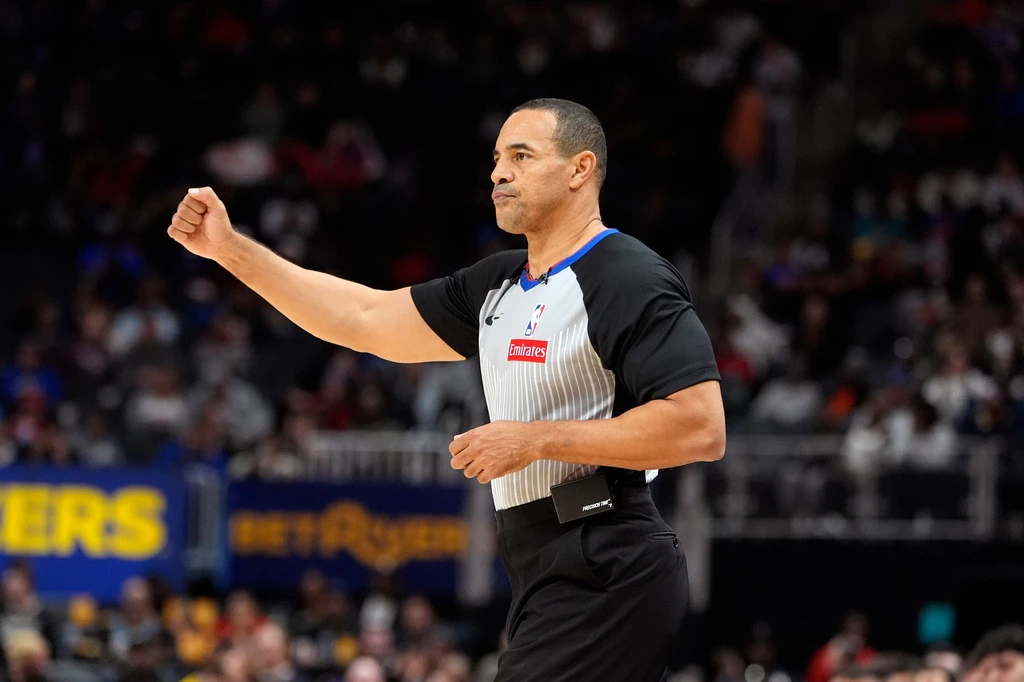
The league has rolled out fresh directives for officials that could reshape the way basketball is played at the professional level.
These updated instructions focus specifically on how referees should handle offensive players who use their hands and arms to create separation from defenders.
The timing of these changes comes at a particularly interesting moment in the sport’s evolution, as scoring has reached levels not seen in over half a century.
Why NBA Players Have Been Getting Away With This Illegal Move for Years
For seasons now, offensive players have mastered the art of creating space through subtle hand checks and arm extensions that often go unnoticed or uncalled by officials. The technique has become so commonplace that many fans and analysts consider it simply part of modern basketball strategy. Defenders have grown increasingly frustrated as they find themselves pushed backward or off-balance without any whistle being blown.
The league has finally acknowledged that this trend has tilted the playing field too far in favor of offensive players.
James Jones, who serves as the NBA executive vice president of basketball operations, made the announcement during a conference call that outlined the new priorities for officials.
The directive represents a significant shift in how the game will be officiated moving forward, particularly as it relates to protecting defenders who play by the rules.
This emphasis on cracking down comes after extensive review of game footage and feedback from teams across the league. The offensive push-off has evolved from an occasional tactic into a standard move that skilled players deploy multiple times per game. The league’s recent rule adjustments demonstrate a broader commitment to balancing offensive and defensive play.
The ‘Four F’s’ That Will Change Everything You Know About Offensive Fouls
Officials will now use a specific framework to determine when contact crosses the line from acceptable to illegal.
The system relies on four distinct categories that all begin with the letter F, making it easier for referees to remember and apply consistently. These categories are feeling, firming, force, and full extension, each representing a different level of physical contact between offensive and defensive players.
Under the new guidelines, players are permitted to feel their defender or firm up against them without penalty.
These first two levels of contact are considered part of normal basketball play and allow offensive players to maintain awareness of where defenders are positioned. However, the line gets drawn when players apply force or achieve full extension with their arms, both of which will now result in offensive foul calls.
The distinction between these categories might seem subtle, but it represents a fundamental change in how the game will be called. the way our game is played, and the way our game presents, continues to track favorably “James Jones” ensuring that offensive players cannot simply muscle their way past defenders. The league provided teams with video examples demonstrating each category, helping players understand exactly where the boundaries lie.
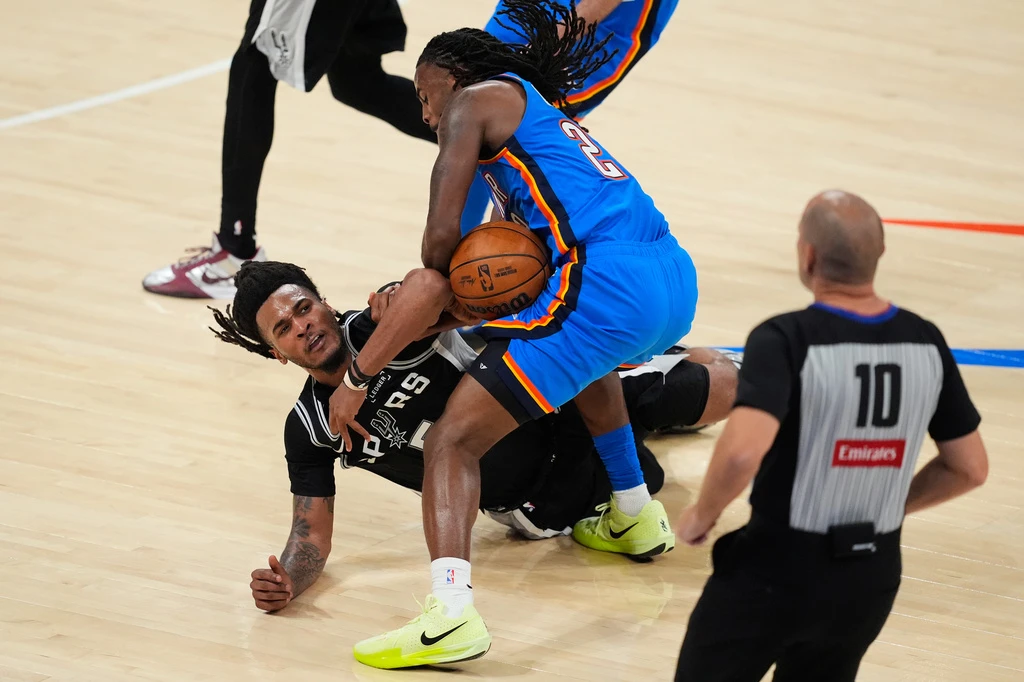
What Jaylen Brown and RJ Barrett Did Wrong (And Why It Matters to Your Favorite Team)
The NBA distributed specific video clips to illustrate violations under the new framework, and two prominent players featured in those examples. Both Jaylen Brown and RJ Barrett were shown committing push-offs that would now be called as offensive fouls under the updated guidelines. These weren’t egregious shoves but rather the type of contact that has routinely gone uncalled in recent seasons.
The choice to highlight these particular players sends a clear message that even star performers will be held to the same standard.
Brown, who attempted 1,686 field goals while scoring 2,218 points last season, is known for his powerful drives to the basket, while Barrett, who put up 948 field goal attempts and scored 1,267 points, frequently uses his body to create scoring opportunities. Their inclusion in the training materials suggests that no player will receive preferential treatment when it comes to enforcement.
Every team in the league will need to adjust their offensive strategies and coaching points based on these examples. Players who have built their games around creating separation through arm extensions will face the biggest adjustment period.
The ripple effects could influence everything from individual statistics to team offensive efficiency ratings throughout the upcoming season.
The One Challenge Referees Admit They Might Not Get Right
Monty McCutchen, who holds the position of senior vice president of referee development, has been candid about the difficulties officials will face.
He specifically identified the distinction between firm and forceful contact as the greatest challenge for referees implementing these new guidelines. The difference between these two categories can be incredibly subtle, sometimes coming down to mere inches of arm extension or slight variations in the speed of contact.
This acknowledgment of difficulty is somewhat unusual for league officials, who typically express confidence in their ability to enforce new rules.
The honesty suggests that fans and teams should expect some inconsistency, particularly in the early weeks of the season as referees calibrate their judgment. There will likely be controversial calls that spark debate among analysts and frustration among players who feel they were penalized for acceptable contact.
The league has invested significant resources in training officials to make these distinctions as accurately as possible. Video review sessions, practice scenarios, and ongoing feedback mechanisms will all play a role in helping referees develop consistency.
However, the human element of officiating means that perfect enforcement remains an aspirational goal rather than a guaranteed outcome.
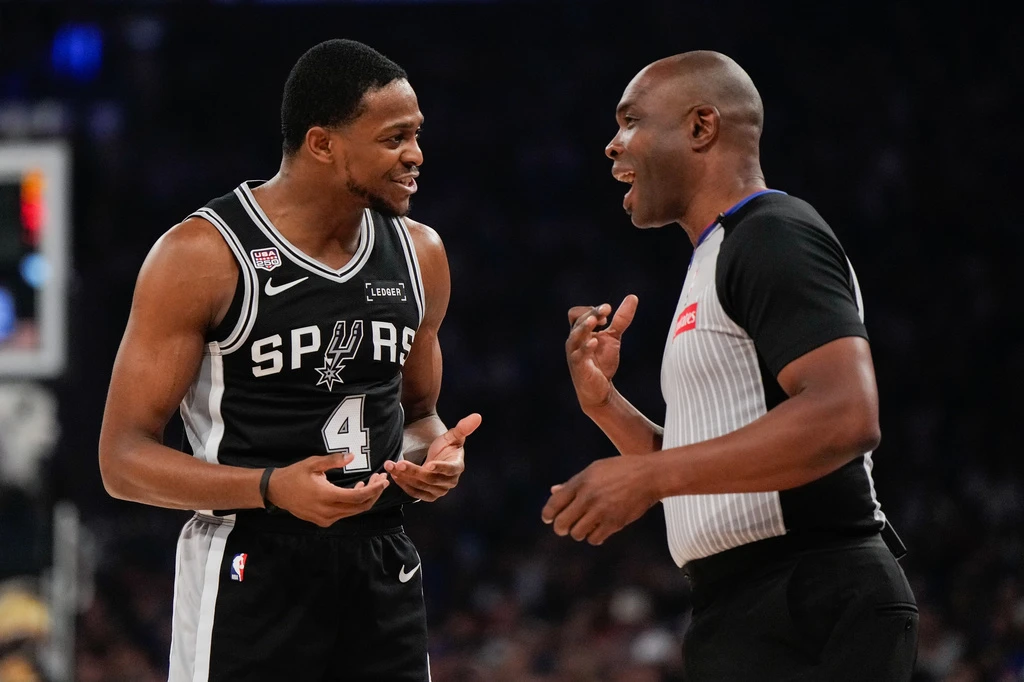
How These New Rules Could Finally End the NBA’s Scoring Explosion
The timing of these guidelines is no coincidence, as the league has witnessed scoring reach historic levels in recent seasons.
Teams averaged 115.6 points per game last season, marking the highest offensive output since the 1969-70 campaign more than five decades ago. While high-scoring games can be entertaining, the league appears concerned that the balance between offense and defense has shifted too dramatically.
The push-off crackdown represents just one component of a broader officiating emphasis that includes monitoring illegal screens and off-ball contact. Officials have also been instructed to pay closer attention to straight-line pathway plays, situations where both offensive and defensive players have equal rights to a direct path toward the basket. These combined efforts aim to restore some advantage to the defensive side of the game.
Whether these changes will actually reduce scoring remains to be seen, as offensive players and coaches are remarkably adaptive. Some analysts predict a brief dip in scoring as players adjust, followed by a return to high-scoring games as new strategies emerge.
Others believe the changes could have a lasting impact on how the game is played, potentially ushering in an era where defensive prowess receives greater recognition and reward.