
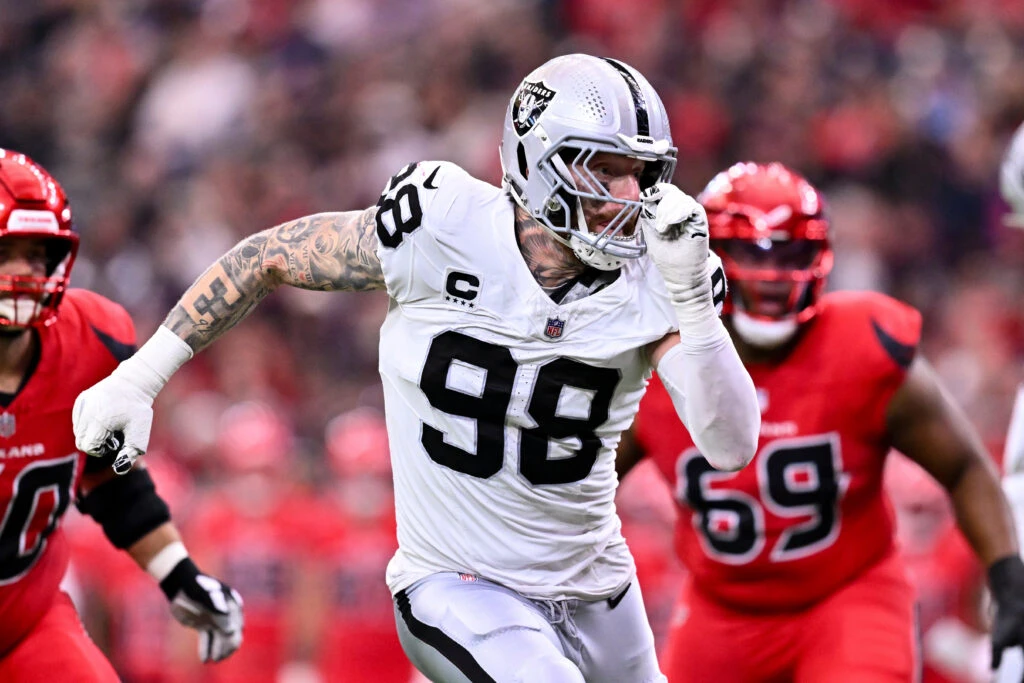
In a seismic move that has sent shockwaves through the NFL, the Baltimore Ravens have acquired the relentless pass-rushing force, Maxx Crosby, from the Las Vegas Raiders in exchange for two first-round draft picks.
The Baltimore Ravens have acquired pass rusher Maxx Crosby from the Las Vegas Raiders in exchange for two first-round draft picks, a blockbuster move that immediately reshapes the AFC’s defensive landscape heading into the upcoming season.
Crosby’s Relentless Pursuit: The Ravens’ Game-Changing Acquisition
The trade gives Baltimore a proven, high-motor edge rusher who has ranked among the NFL’s most productive pass rushers over the past three seasons — addressing one of the most persistent gaps on a defense that has otherwise been built to compete for a Super Bowl.
Crosby has recorded double-digit sacks in multiple seasons and consistently ranks near the top of the league in quarterback pressures, pass rush win rate, and forced fumbles.
According to Pro Football Focus, he has been one of the highest-graded edge defenders in the NFL over the past three years, combining elite athleticism with relentless motor and technical refinement.
The Ravens have lacked a true difference-maker off the edge since Terrell Suggs — the 2011 Associated Press Defensive Player of the Year, per the NFL — anchored that role during Baltimore’s back-to-back dominant defensive runs in the early 2010s. Crosby fills that void with a profile that arguably exceeds what the Ravens have had at the position in over a decade.
The Clash of Philosophies: Crosby’s Intensity Meets Brady’s Wellness
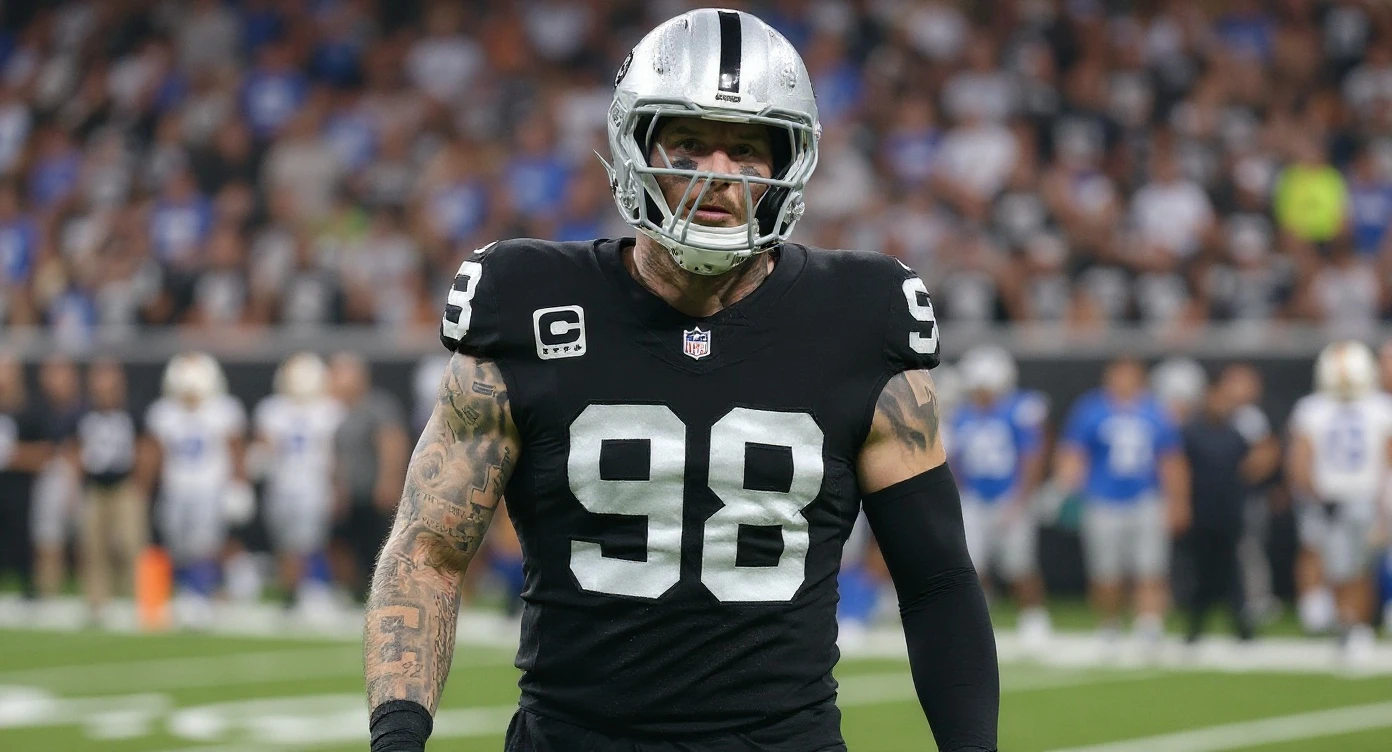
Crosby’s style — high-effort, physically punishing, and relentless from snap to whistle — fits the Ravens’ defensive culture as well as any player they could have targeted.
Baltimore has long prized defenders who play with aggression and accountability, and Crosby checks both boxes.
Reports surrounding the trade suggest Crosby’s departure from Las Vegas was driven in part by organizational friction, with sources pointing to cultural tensions within the Raiders’ building following the reported influence of Tom Brady’s performance staff and the hiring of wellness coordinator Alex Guerrero.
Crosby, whose identity as a player is built on physical intensity and competitive edge, reportedly clashed with the direction the Raiders were taking off the field.
Whether those tensions were the primary driver or simply a contributing factor, the result is that Las Vegas moved on from one of its most productive players in exchange for future draft capital.
Unleashing the Defensive Juggernaut
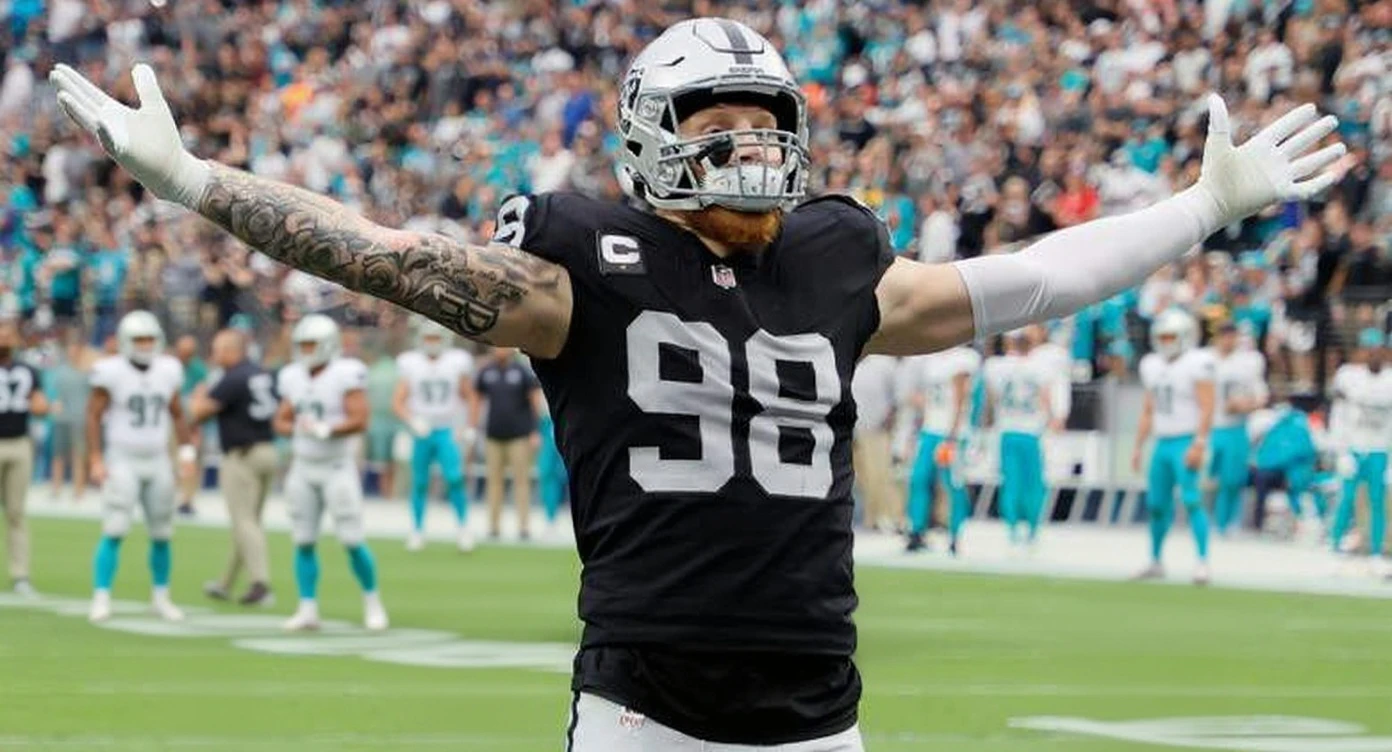
In Baltimore, that same intensity is a feature, not a friction point.
The Ravens under head coach John Harbaugh have consistently built their identity around physical, aggressive defense — and Crosby’s relentless pursuit style fits that blueprint precisely.
Crosby’s arrival gives Baltimore’s defense a legitimate No. 1 pass rusher to build around.
Paired with the Ravens’ existing linebacker depth and a secondary that has produced multiple Pro Bowl selections in recent years, opposing offensive coordinators now face a significantly more complex protection problem on every passing down.
The Ravens finished in the top half of the league in sacks last season, but lacked a consistent individual threat capable of winning one-on-one matchups against top offensive tackles.
Crosby changes that calculus entirely — his ability to generate pressure even when double-teamed opens up opportunities for the rest of the defensive front.
The Bargain for a Game-Wrecker
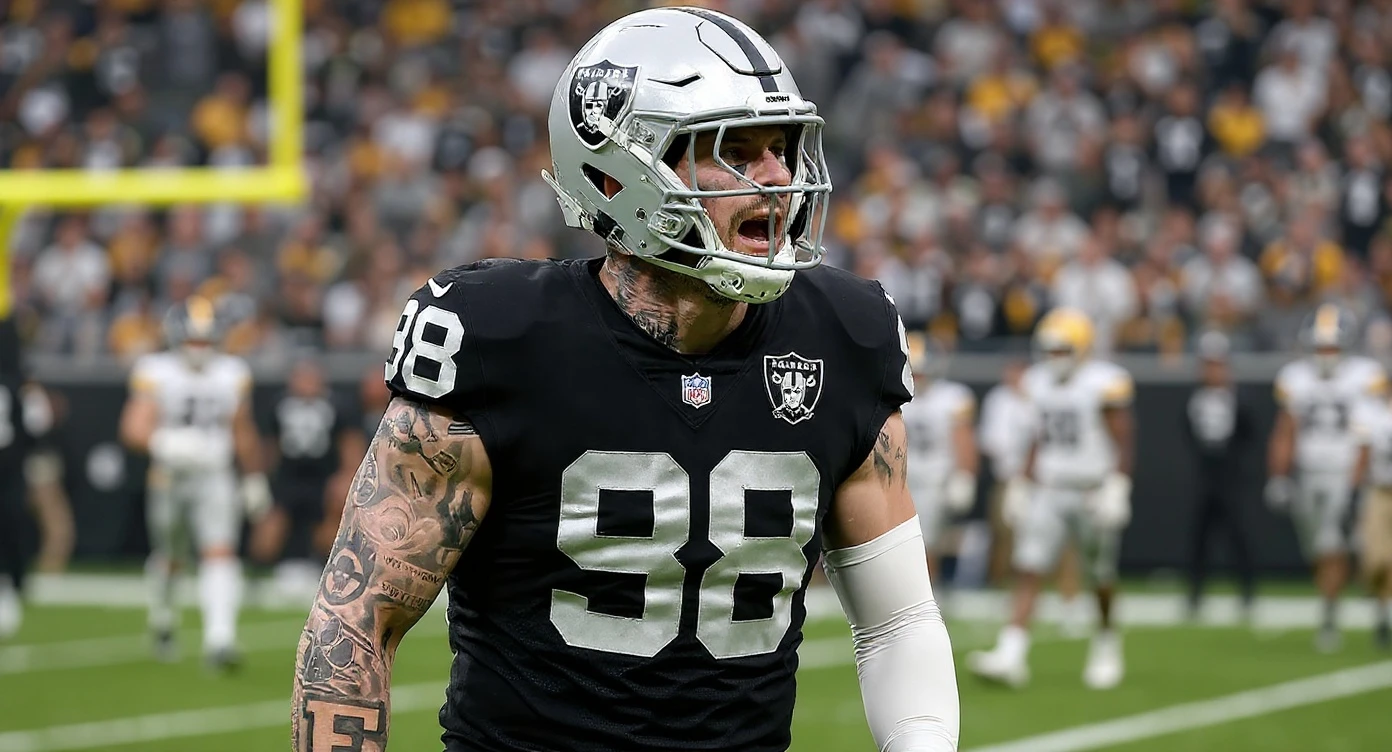
For opposing quarterbacks, the Ravens’ defense just became a considerably more dangerous assignment.
A front that already generates pressure through scheme now has a player capable of winning with pure individual talent, which limits the adjustments an offense can make to neutralize the pass rush.
Surrendering two first-round picks is a steep price by any measure, but the Ravens are operating in a win-now window with Lamar Jackson locked in on a long-term deal.
Trading future draft capital for a proven, elite-level defender in his prime is a calculated bet that Baltimore’s front office has made with full awareness of the cost.
Crosby is 26 years old — an age at which elite pass rushers typically enter their most productive stretch.
Players like Myles Garrett and Micah Parsons have demonstrated that elite edge rushers can sustain peak performance well into their late 20s and early 30s, and Crosby’s physical profile and work ethic suggest a similar trajectory.
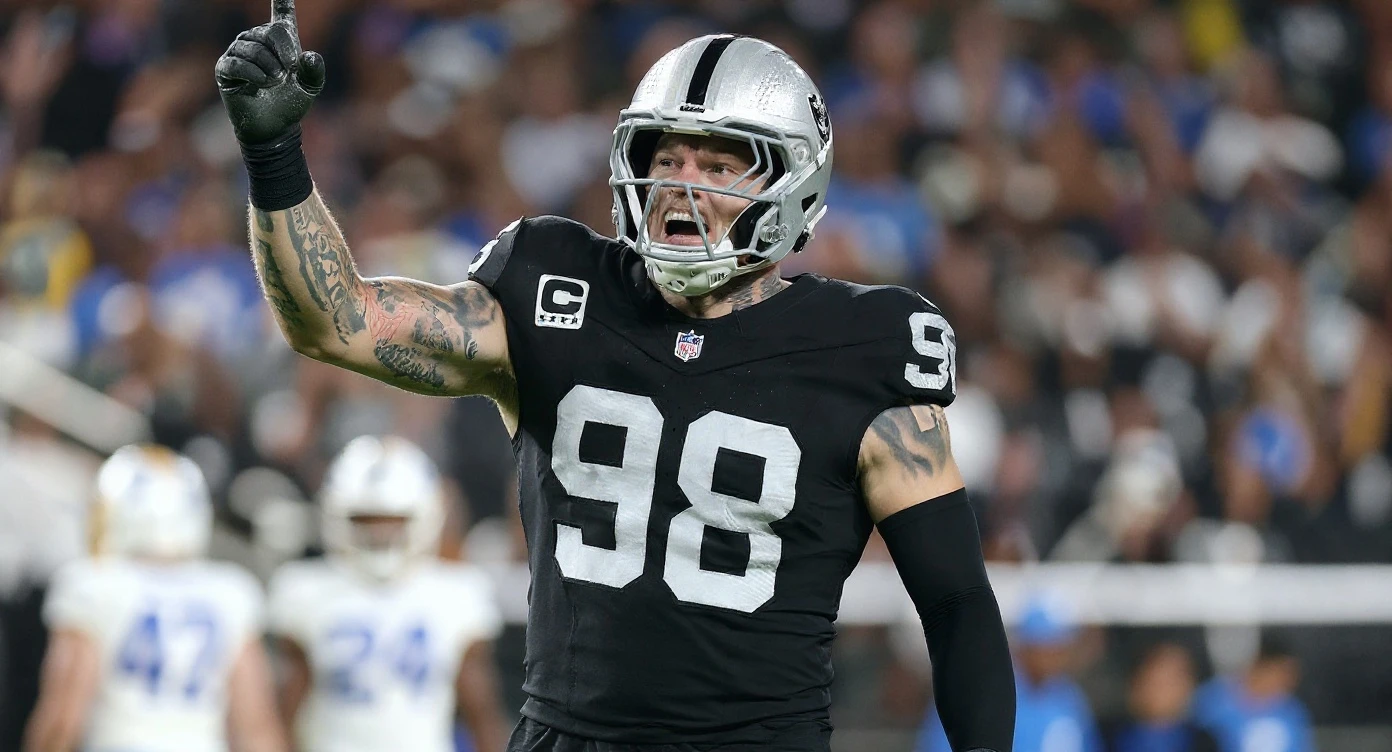
A Formidable Challenge to the AFC
The Ravens are not paying for potential here — they are acquiring a player who has already proven he can be a weekly problem for NFL offenses.
The two first-round picks represent a significant investment, but Baltimore is betting that Crosby’s impact over the next four to five seasons outweighs the developmental upside of those selections.
For the rest of the AFC, this trade is a direct warning. The Ravens were already a legitimate Super Bowl contender built around Lamar Jackson’s MVP-caliber play and a deep, well-coached roster.
Adding Crosby to the defensive front makes them harder to beat in the ways that matter most in January football.
Baltimore’s defense now has the personnel to match its scheme — a combination that historically produces the most disruptive units in the league.
Teams in the AFC that rely on quick-passing offenses or mobile quarterbacks to neutralize pass rushers will need to account for Crosby on every snap.

Internet Reactions to Maxx Crosby’s Trade to the Ravens
The AFC power structure just shifted. The Ravens have turned a roster need into a potential strength, and the teams that were already wary of facing Baltimore in the playoffs now have one more elite player to game-plan against.
The trade has generated significant debate across NFL media and fan communities, with analysts split on which side came out ahead — and the disagreement is legitimate on both ends.
The Raiders’ perspective is defensible: converting a player who reportedly wanted out into two first-round picks gives Las Vegas meaningful assets to rebuild around, particularly as the franchise continues its transition under new organizational leadership.
The Ravens’ side of the argument is equally straightforward — they traded picks for a player who can help them win now, which is the only timeline that matters when you have a franchise quarterback on a long-term deal.
The prevailing take among analysts and informed fans is that Baltimore got the better end of the deal in terms of immediate impact. Two first-round picks carry value, but elite pass rushers of Crosby’s caliber rarely become available — and when they do, the cost is almost always high.
Crosby’s ability to generate pressure, collapse the pocket, and force quick decisions from quarterbacks is exactly what Baltimore needs to complement Lamar Jackson’s offensive firepower. If the defense can consistently hold opponents in check, the Ravens become one of the most complete teams in the NFL.
The reported organizational friction in Las Vegas — specifically the cultural tension around Tom Brady’s wellness staff and Alex Guerrero’s role — has also drawn attention as a cautionary tale about how off-field philosophies can fracture locker rooms when they conflict with a player’s competitive identity.
Crosby’s aggressive, high-intensity approach to the game is not just tolerated in Baltimore — it is the standard. Ravens defenders are expected to play physical, fast, and relentless, and Crosby has built his entire career on exactly that foundation.
How much Crosby actually changes Baltimore’s trajectory will depend on execution, health, and how quickly he integrates into defensive coordinator Mike Macdonald’s system. The talent is unquestionable — the results will follow once the season gets underway.