The return of Jayson Tatum has reignited the Celtics’ championship aspirations, injecting a renewed sense of optimism into the team’s pursuit of Banner 18.
Jayson Tatum’s return from a torn Achilles tendon — one of the most feared injuries in professional basketball — has immediately reshuffled the Eastern Conference title picture and put Boston’s pursuit of Banner 18 back on the front burner.


Tatum’s Triumphant Return: The X-Factor for Banner 18?
When a player of Tatum’s caliber returns to a roster that already won the 2024 NBA Championship, the ceiling doesn’t just rise — it becomes a legitimate threat to every contender in the league. The Celtics were already dangerous without him. With him healthy, they’re a different animal.
Tatum’s comeback from a torn Achilles suffered in February 2025 carries enormous weight, both for the franchise and for the player himself. Achilles tears have derailed careers — Kevin Durant missed an entire season, Kobe Bryant was never quite the same — making Tatum’s timeline and early performance a story the entire NBA is watching closely.
Before the injury, Tatum was averaging 26.1 points, 8.9 rebounds, and 5.5 assists per game in the 2024-25 season, numbers that placed him firmly among the top five players in the league. His return gives Boston back its primary initiator — the player who can create offense in isolation, in pick-and-roll, and off movement, reducing the burden on Jaylen Brown and Jrue Holiday to carry the offensive load.
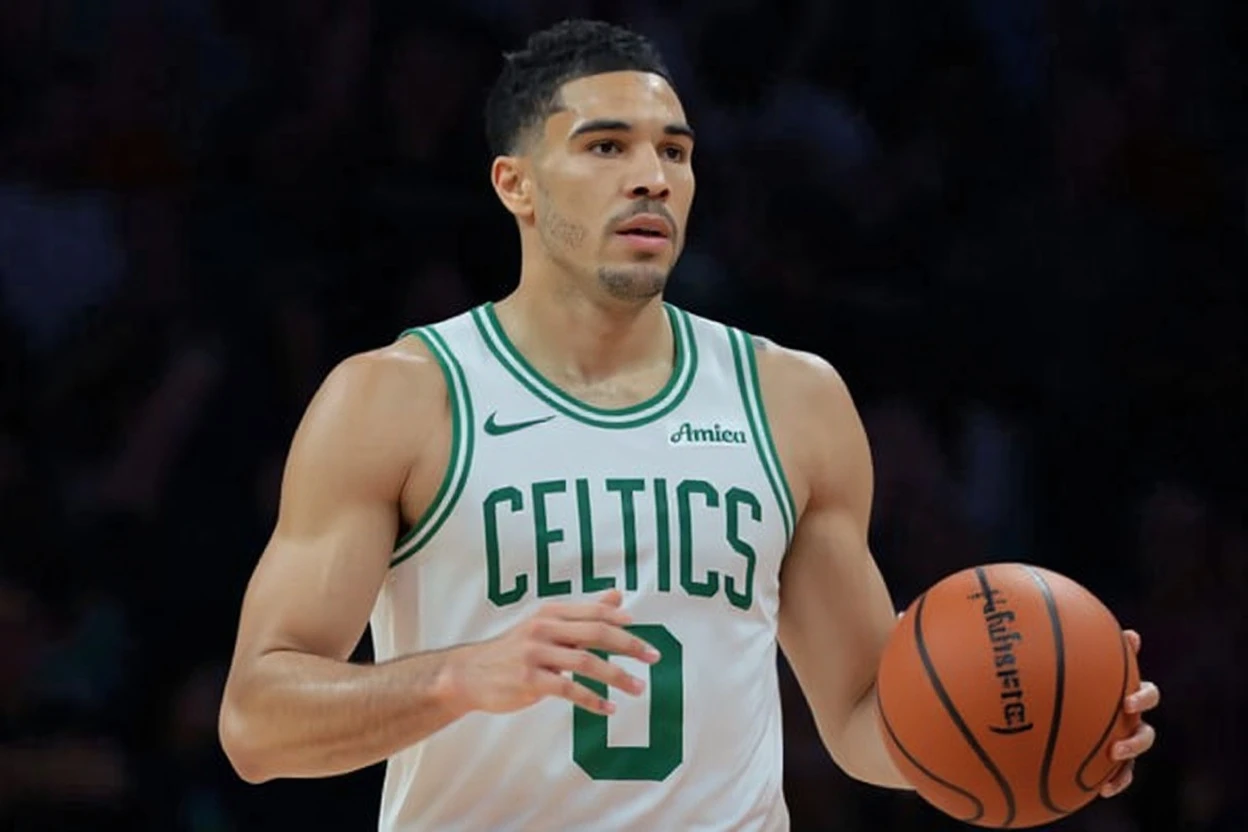
Unleashing the Celtic Fury: How Tatum Elevates the Green Machine
Head coach Joe Mazzulla has consistently emphasized Tatum’s two-way value as the engine of Boston’s system. On offense, Tatum’s gravity forces defenses to account for him at all times. On defense, his length and instincts at 6-foot-8 allow Boston to switch across multiple positions without breaking down — a critical advantage in playoff basketball where mismatches get exploited relentlessly.
The Celtics’ offense visibly stalled during Tatum’s absence. Boston ranked among the top three offenses in the league with him on the floor during the 2024-25 regular season, but those numbers dipped without his shot creation and playmaking. His return restores the offensive hierarchy that made the Celtics the most efficient scoring team in the NBA during stretches of their championship run.
Tatum’s shot volume tells the story of his offensive role. Attempting 16.0 field goals and 8.0 three-pointers per game before the injury, he was operating as Boston’s primary scoring option and one of the league’s most active shot creators. That volume, combined with a 45.7% field goal percentage, made him nearly impossible to game-plan against — defenses couldn’t sag off him, and they couldn’t afford to go under screens.
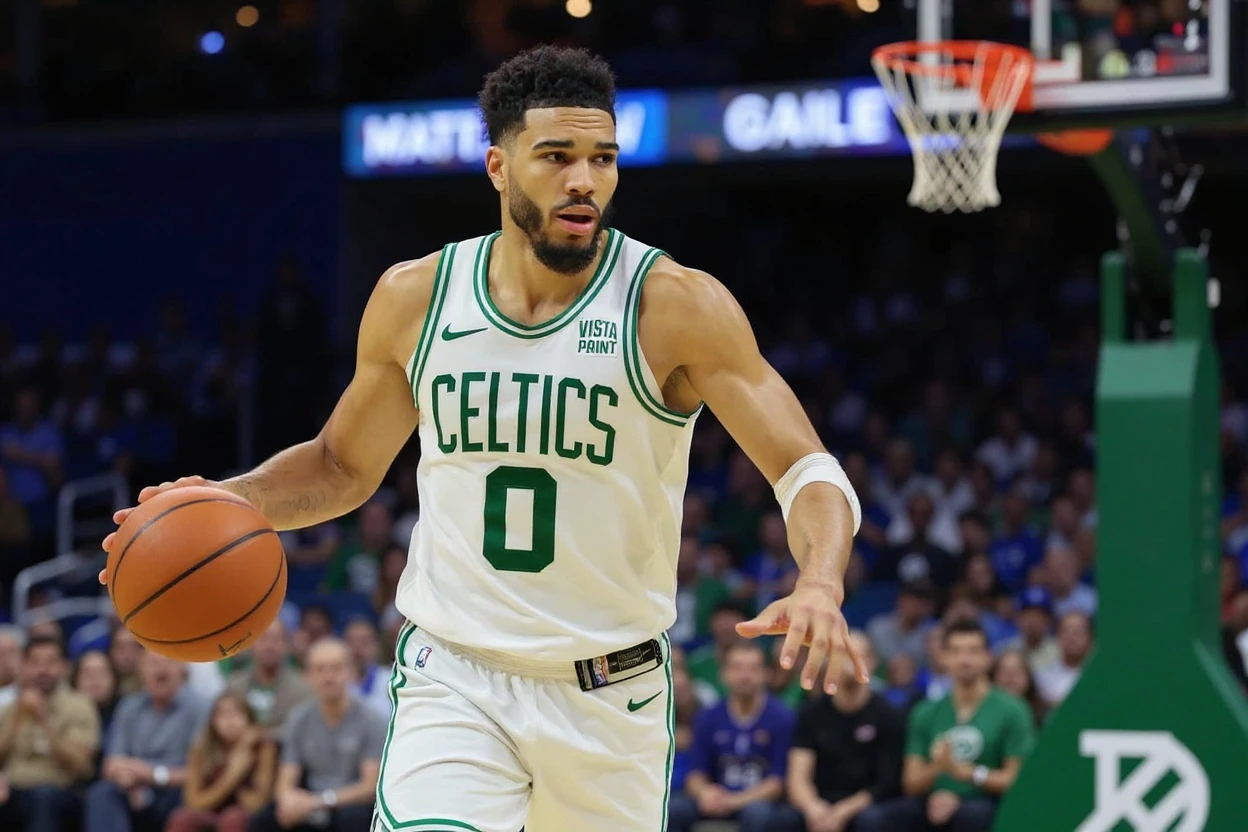
Rewriting the Script: Tatum’s Comeback Reshapes Title Odds
What makes Tatum particularly dangerous for opposing defenses is his ability to manufacture offense in multiple ways. He can post up smaller defenders, pull up off the dribble from mid-range, attack closeouts off the catch, and find cutters when defenses collapse. That versatility forces help defenders to make decisions, and when they commit to Tatum, players like Brown, Kristaps Porzingis, and Al Horford get clean looks.
Tatum’s return doesn’t just improve Boston’s win probability — it fundamentally changes how the Celtics are perceived as a playoff threat.
Without Tatum, Boston was still a dangerous team, but one with a clear ceiling. With him healthy and rounding into form, the Celtics re-enter the conversation as the team with the highest upside in the Eastern Conference. The Milwaukee Bucks, Cleveland Cavaliers, and New York Knicks all present legitimate challenges, but none of them have a player who combines Tatum’s scoring volume, playmaking, and defensive versatility in a single package.
The Tatum Effect: Decoding the Celtics’ Renewed Championship Hopes
Playoff basketball rewards teams with a go-to option in late-game situations — a player who can create a quality shot when the shot clock is winding down and the defense is locked in. Tatum has proven he can be that player. His 2024 Finals performance, where he averaged 26.4 points per game against the Dallas Mavericks, cemented his reputation as a player who elevates in the biggest moments.
The broader impact of Tatum’s return extends beyond individual statistics. His presence on the floor changes how opponents prepare for Boston. Teams that were scheming to neutralize Brown as the primary option now have to split their defensive attention, which creates advantages across the entire rotation. Role players like Sam Hauser and Payton Pritchard benefit directly when Tatum commands double-teams and extra defensive attention.
The “1630 seconds per game” figure cited in early return reports — roughly 27 minutes — reflects a cautious reintegration approach from Boston’s medical and coaching staff, a sensible protocol for an Achilles recovery. The expectation is that Tatum’s minutes will increase steadily as he rebuilds conditioning and confidence in the repaired tendon. How quickly he returns to his pre-injury workload will be the most important variable in Boston’s playoff outlook.
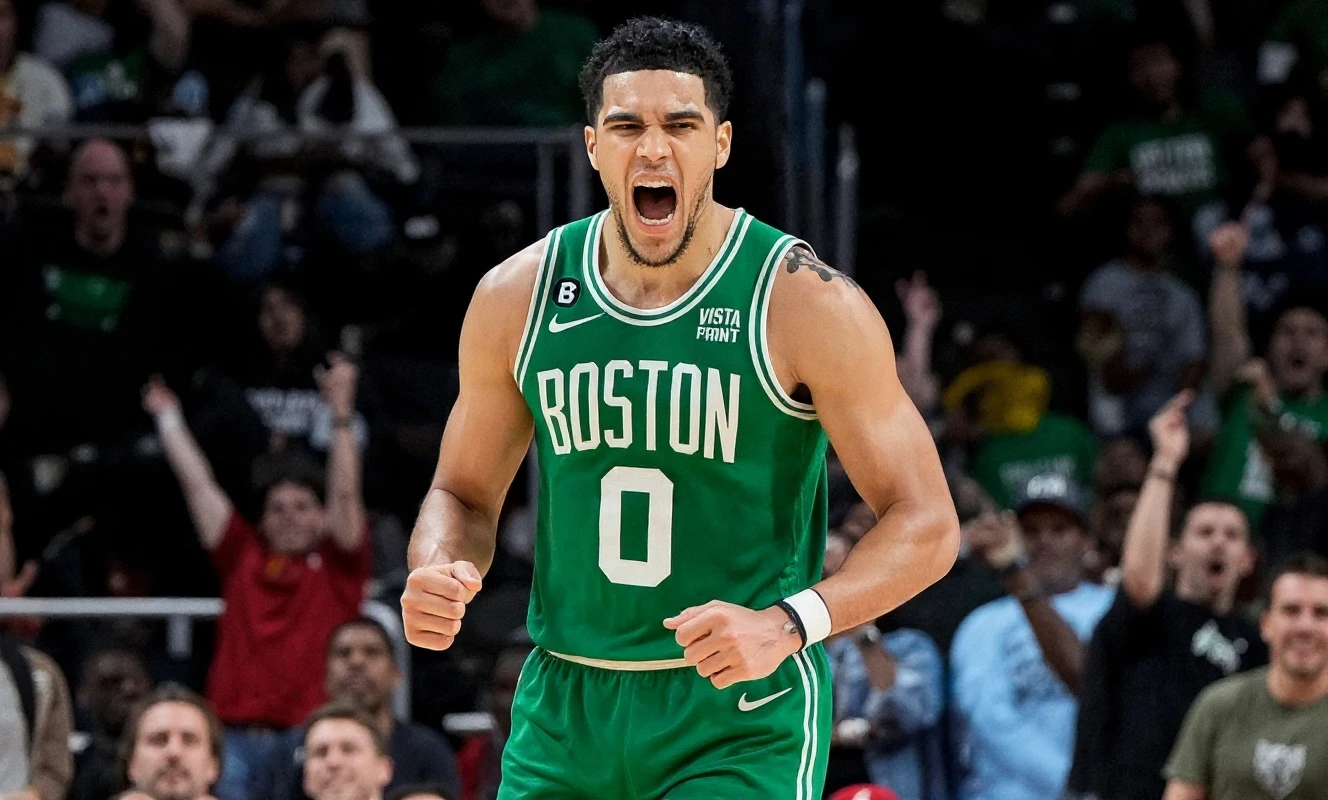
From Injury to Immortality: Tatum’s Comeback Trail to Glory
The mental component of returning from an Achilles tear is as significant as the physical one. Players who come back from that injury often describe a period of hesitation — a subconscious reluctance to plant and drive at full speed. If Tatum can push through that psychological barrier and recapture his pre-injury explosiveness, the Celtics’ championship odds improve dramatically.
Tatum’s path from the training room back to the court is one of the more compelling individual storylines in the NBA this season. Achilles tears at 27 years old — his age at the time of the injury — carry a different weight than they do for older players, and the early returns suggest his recovery is tracking ahead of schedule.
The determination Tatum has shown throughout his rehabilitation mirrors the competitive drive that made him a champion in 2024. Boston’s front office, led by Brad Stevens, built this roster around Tatum as the franchise cornerstone, and his ability to return at a high level validates that long-term investment — including his five-year, $314 million supermax extension signed in 2023.
Every team remaining in playoff contention in the Eastern Conference has to factor Tatum into their preparation. His ability to take over a game in the fourth quarter — he ranked among the top ten players in clutch scoring during the 2023-24 season — makes Boston a matchup nightmare regardless of the opponent. No team wants to see a healthy, confident Tatum in a seven-game series.