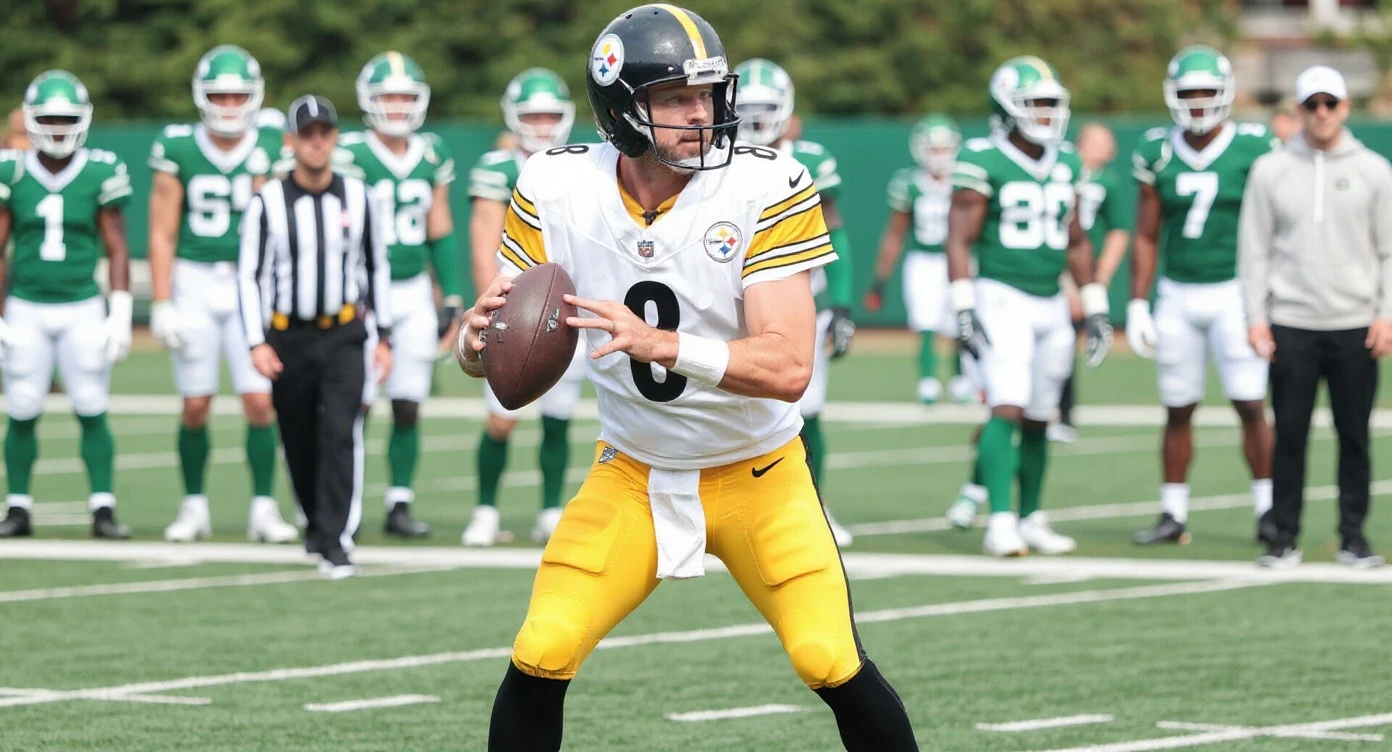
Aaron Rodgers played through at least three fractures in his left wrist in 2025 — a detail that only emerged publicly weeks after the initial injury report listed a generic “wrist” designation. The sequence, from a fractured wrist disclosed by coach Mike Tomlin on November 18 to an NFL Network report on November 30 confirming multiple breaks, has reignited a long-running debate about how much the NFL’s injury-reporting system actually tells fans, bettors, and the public.
Injury Disclosure Dilemma: Transparency vs Privacy
The NFL’s current injury reporting system presents a delicate balancing act between transparency and player privacy. Teams are required to provide injury reports, but the level of detail is often minimal — listing only the affected body part without specifics on the nature or severity of the injury.
The Rodgers case illustrates that gap clearly. FOX Sports’ injury log listed Rodgers in 2025 Week 12 as “Wrist / Questionable.” On November 18, ESPN reported that Steelers head coach Mike Tomlin confirmed Rodgers had suffered “a fracture to his left, non-throwing wrist” and “will not need surgery,” but that his status for the upcoming Bears game remained to be determined. Then, on November 30, NFL Network insider Ian Rapoport reported that Rodgers actually had “at least three fractures in his left wrist” — a significantly more serious picture than the public listing had suggested.
Rodgers had missed the Steelers’ narrow 31-28 loss to the Chicago Bears the previous week. By November 30, per NFL.com, he was off the injury report entirely and preparing to start against the Buffalo Bills. The public disclosure moved from “Wrist / Questionable” to “three fractures” to “cleared to start” across a span of roughly two weeks — each update materially different from the last.

Betting Blind: Inside Information and Wagering Risks
The market impact of imprecise injury reporting is concrete and measurable. According to WalterFootball, a 2025 University of Chicago study found that 73% of professional bettors place their wagers within 60 minutes of injury report releases specifically to capture favorable lines before books can adjust.
Quarterback injuries drive the sharpest moves. During the 2024 playoffs, WalterFootball notes, the Buffalo Bills’ line shifted by 4.5 points after Josh Allen appeared on the questionable list with a shoulder issue — generating $45 million in late action. When a signal-caller’s status is unclear, the betting market reacts fast and hard, and the precision of the injury description determines how accurately that reaction reflects reality.
In Rodgers’ case, bettors working from a “Wrist / Questionable” tag were operating with far less information than what team personnel and medical staff possessed. The gap between what was publicly listed and what was later confirmed — multiple fractures, one described by Rapoport as “a more consequential break that can only happen with significant force” — is exactly the kind of information asymmetry that distorts wagering markets.
Striking a Balance: Protecting Players and Bettors
While player privacy is a valid concern, there is a growing sentiment that the NFL needs to find a middle ground that provides more transparency without compromising player safety or revealing sensitive medical information. The Rodgers timeline offers a useful model for what more informative — but still limited — public updates could look like.
On November 18, Tomlin confirmed a fractured left wrist and ruled out surgery, giving the public a meaningful data point without disclosing medical records or imaging. The following day, per NFL.com, Rodgers himself addressed the situation, saying that playing through the injury was more a matter of “safety” than pain tolerance — a distinction that added real context for anyone trying to assess his availability. That level of disclosure, specific enough to be useful but short of a full medical file, represents a workable standard.
What the system did not provide until November 30 was the fuller picture: at least three fractures, one structurally significant. By then, Rodgers had already missed a game and returned to the starting lineup. A more timely and complete public update could have closed that gap without requiring teams to release medical records.
The Way Forward: Comprehensive Injury Reporting in the NFL
As the NFL continues to navigate the complex landscape of injury reporting, it is clear that a more comprehensive approach is needed to maintain the integrity of the game and protect the interests of all stakeholders. By striking a balance between transparency and player privacy, the league can foster a more level playing field for bettors and fans alike, while also safeguarding the well-being of its athletes. The path forward may involve collaboration with medical experts, player associations, and betting organizations to develop a system that meets the needs of all parties involved.
The Rodgers sequence makes the stakes tangible. He suffered the wrist injury during the Steelers’ Week 11 win over Cincinnati on November 16, per FOX Sports and NFL.com. He missed the following week’s 31-28 loss to Chicago. And by November 30, NFL Network’s Ian Rapoport had confirmed at least three fractures in his left wrist — yet Rodgers was cleared, off the injury report, and starting against the Bills. That arc, from a vague practice listing to a multi-fracture revelation to a full return in under two weeks, is precisely why the reporting issue matters. The facts were always there; the public timeline just didn’t reflect them.