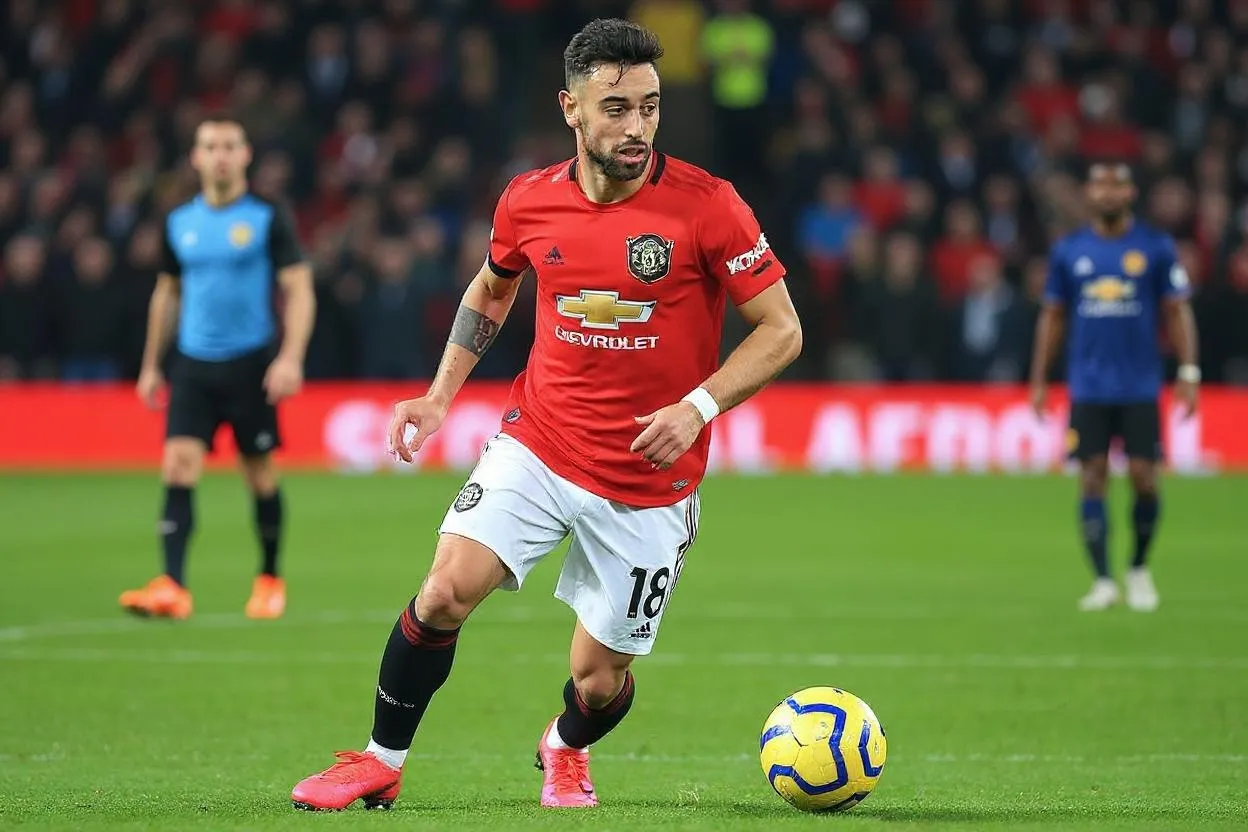
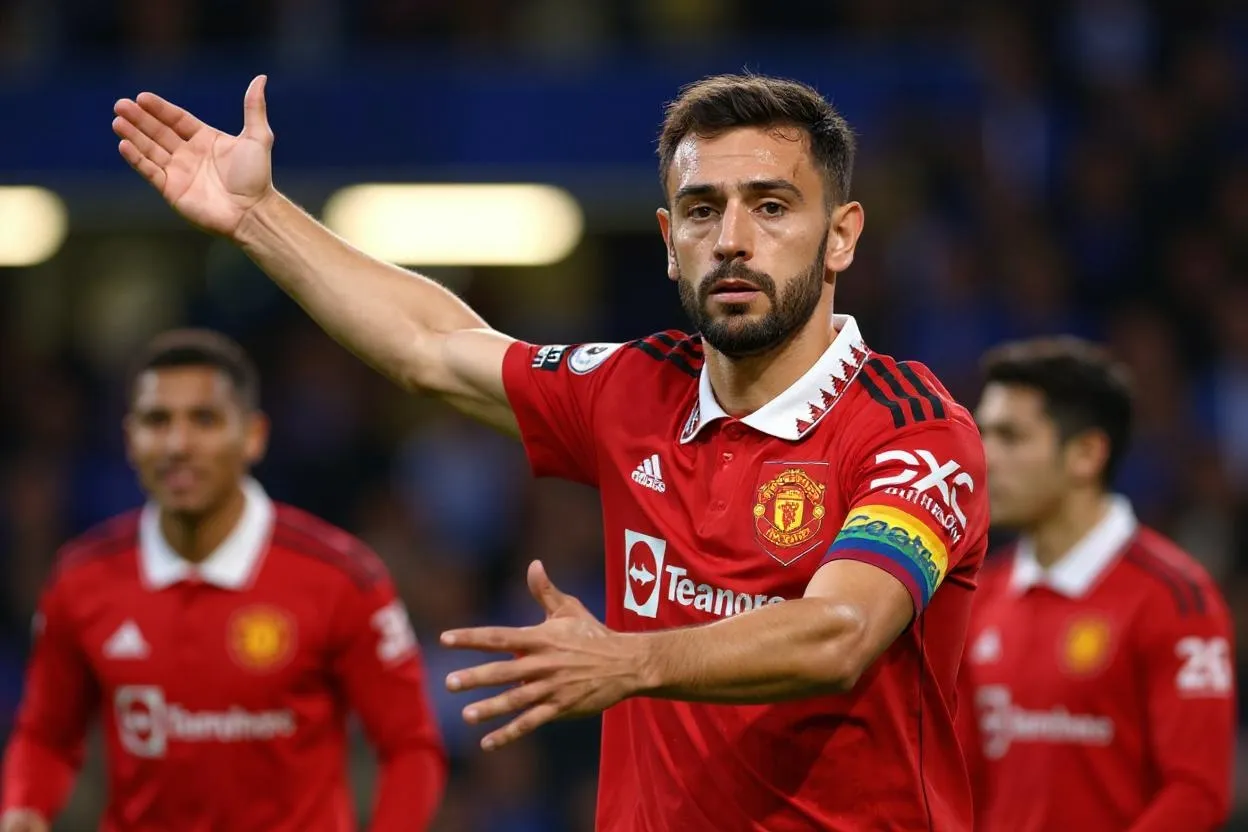
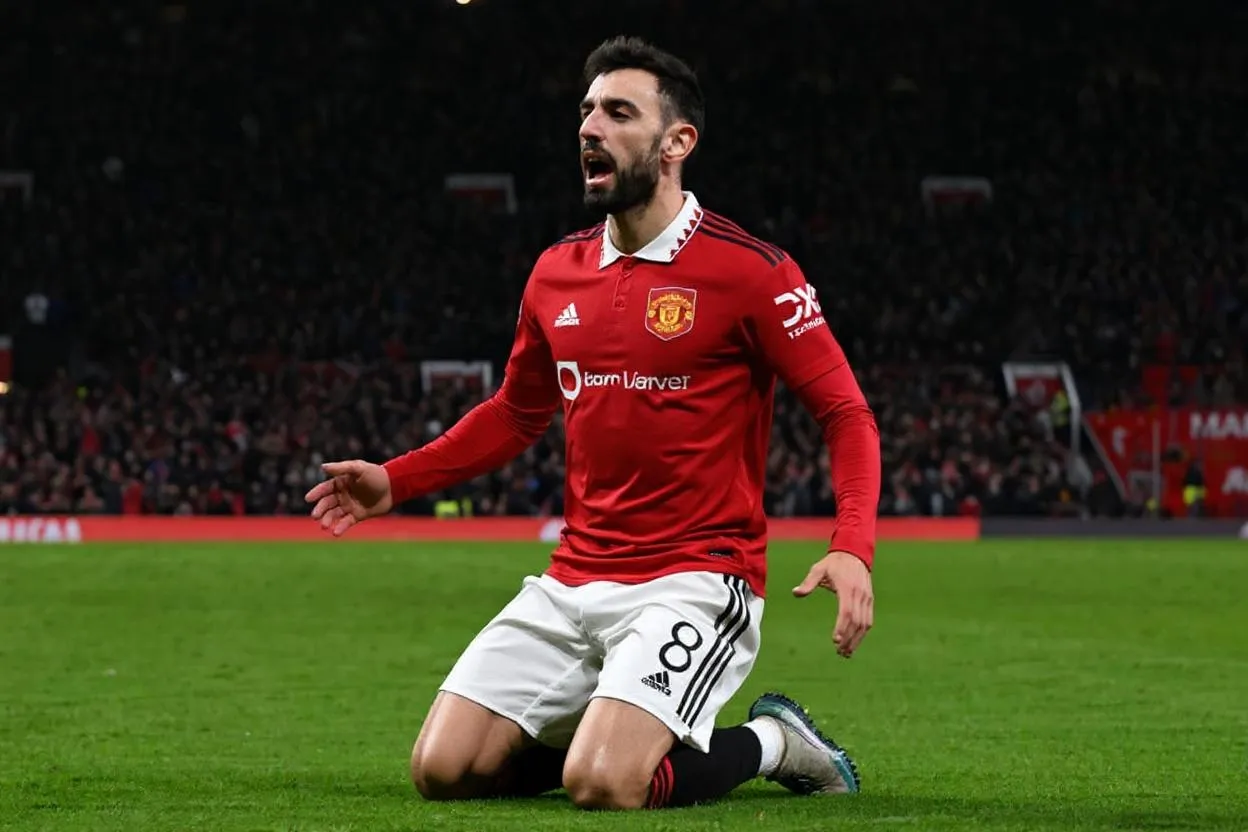
In Manchester United’s preseason clash against West Ham United, Bruno Fernandes once again showcased his indispensable value, netting a brace to secure a hard-fought 2-1 victory.
His decision to spurn lucrative offers from Saudi Arabia and remain at Old Trafford has proven pivotal, as manager Ruben Amorim acknowledges the Portuguese maestro’s immense influence both on and off the pitch.
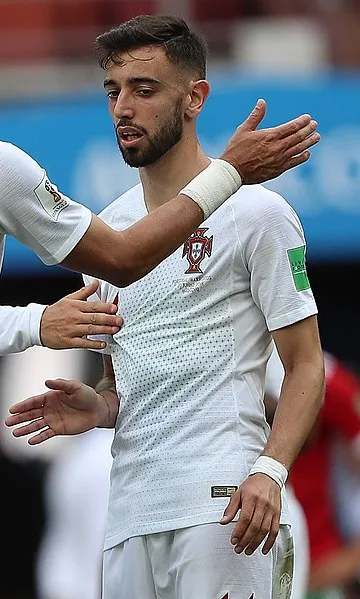
Amorim’s Tactical Dilemma: Unleashing Fernandes’ Full Potential
Bruno Fernandes delivered when it mattered in Manchester United’s preseason opener against West Ham United, scoring twice to seal a 2-1 victory and immediately justify his decision to stay at Old Trafford.
The Portuguese captain had drawn serious interest from Saudi Pro League side Al Hilal during the summer window, with reports suggesting a contract offer worth in excess of $25 million per year.
He turned it down. For manager Ruben Amorim, that call was not just a relief — it was a cornerstone of United’s rebuild heading into the new campaign.
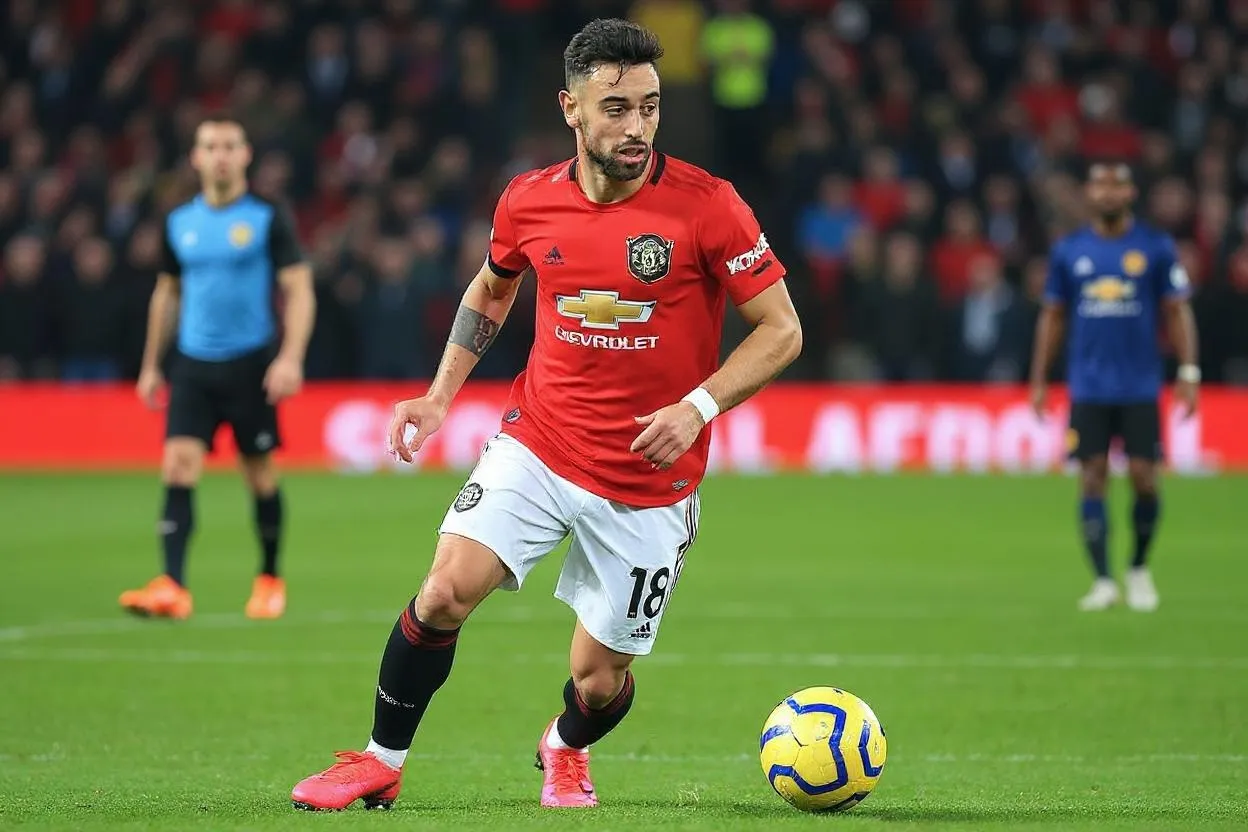
Fernandes’ Frustrations: A Double-Edged Sword?
Amorim spent much of last season trying to fit Fernandes into the structural demands of his preferred 3-4-3 system, often deploying him in a deeper midfield role to help circulate possession and cover ground during the build-up phase.
The results were mixed. Fernandes is at his most dangerous operating between the lines in advanced areas — threading passes into the final third, arriving late into the box, and converting from distance.
Dropping him deeper muted those qualities. Amorim addressed the tension directly, noting that Fernandes’ instinct to help teammates can sometimes work against his own effectiveness:
“Sometimes he wants to help so much his teammates that sometimes it’s not the best thing to do. Bruno has to wait for the ball in different situations. This kind of thing is a leader, but he needs help. And he’s going to have help.”
The quote signals a tactical adjustment is coming — one designed to let Fernandes play closer to his natural game rather than asking him to plug structural gaps.
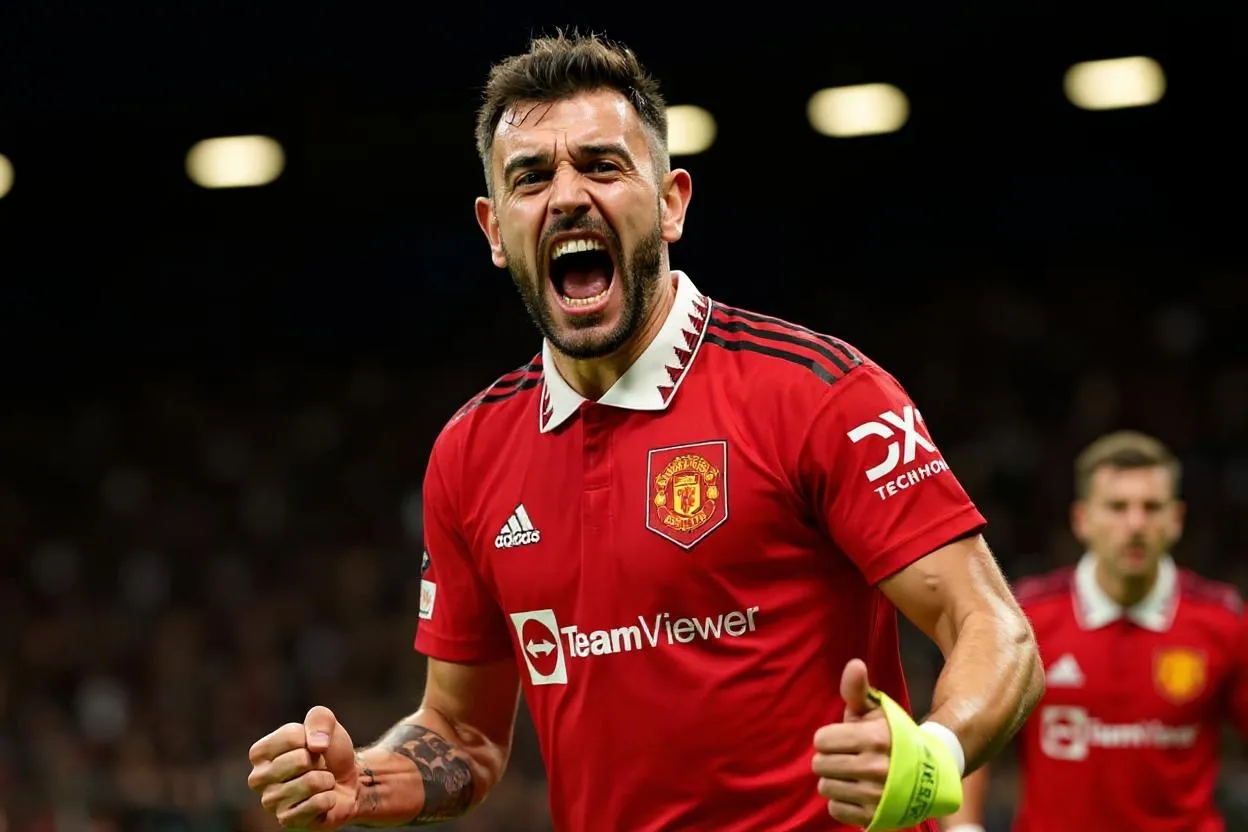
Reinforcements Arrive: Sharing the Leadership Burden
The challenge Amorim faces is a familiar one for managers who inherit a team built around a single creative hub.
Fernandes logged more than 3,000 minutes across all competitions last season, consistently among the highest in United’s squad, and his output — double-digit goal contributions in most campaigns — reflects a player carrying a disproportionate share of the creative load.
When a player of that profile overextends into defensive or ball-recycling duties, the cost shows up in the final third.
Amorim’s acknowledgment that Fernandes needs a stronger supporting cast around him is less a criticism and more a structural diagnosis — the system has to do more of the work so Fernandes can do less of the wrong kind.
Saudi Riches Spurned: Fernandes’ Commitment to United’s Cause
The arrivals of Kobbie Mainoo and Manuel Ugarte in central midfield give Amorim the personnel to make that adjustment stick.
In the West Ham preseason fixture, Amorim deployed both alongside Fernandes, freeing the captain to operate as a genuine No. 10 with new signing Matheus Cunha providing width and movement ahead of him.
The effect was immediate. Fernandes scored twice, looked sharper in transition, and spent far less time tracking back to retrieve possession.
Mainoo, 19, offers the energy and press-resistance to cover ground in the middle third, while Ugarte — signed from Paris Saint-Germain for a reported $60 million, a deal Sky Sports reported could rise to 50.7 million pounds — brings the defensive bite and ball-winning ability that United’s midfield has lacked for years.
Together, they form the kind of midfield infrastructure that allows Fernandes to be a finisher and creator rather than a utility player.
Fernandes’ rejection of Al Hilal carries weight beyond the financial optics. He is 30 years old, entering what should be the peak decision-making years of his career, and he chose a rebuilding project over a guaranteed payday. That tells you something about his investment in what Amorim is building.
United finished eighth in the Premier League last season — their worst top-flight finish in the Premier League era — and the gap to the Champions League places is significant. Fernandes staying means United retain their most consistent attacking threat and their captain’s armband in the same player. For a squad in transition, that continuity is not a small thing.
The preseason result against West Ham is one data point, not a verdict. But the tactical picture Amorim sketched — Fernandes advanced, supported by two purpose-built midfielders, with Cunha providing movement ahead — looks more coherent than anything United fielded consistently last season.
If Amorim can maintain that structure once the Premier League schedule begins and the injury list grows, Fernandes has the platform to post his best numbers in a United shirt.
The Portuguese captain has made his choice. Now the question is whether the team around him can finally hold up its end of the deal.
Historically, United’s best periods with Fernandes have come when the system protected him rather than leaned on him. His debut season in 2019-20 saw him score eight goals and add seven assists in just 14 Premier League appearances after joining in January, as Goal documented, immediately transforming United’s attack.
That version of Fernandes — arriving late, playing forward, operating with freedom — is what Amorim is trying to recover. The pieces are in place. The preseason brace against West Ham suggests the plan is already taking shape.