The 2026 NFL offseason brought significant upheaval across the AFC as teams made bold moves in free agency, trades, and the draft. Some franchises executed masterful strategies to strengthen their rosters, while others made questionable decisions that could haunt them for years.
The 2026 NFL offseason delivered one of the most turbulent roster reshuffles in recent memory, with AFC franchises in particular swinging for the fences in free agency, the trade market, and a draft class that generated more transaction volume than almost any in league history. Some front offices executed with precision, identifying value and locking up key contributors before the market inflated. Others overcommitted, misread the room, and now face the consequences in cap space and roster depth heading into the regular season.
Post-draft power rankings draw a sharp line between franchises trending upward and those staring down multi-year rebuilds. The Kansas City Chiefs, Tampa Bay Buccaneers, Baltimore Ravens, and Detroit Lions all strengthened their rosters in ways that project them as legitimate playoff threats in their respective conferences. At the other end of the spectrum, the Miami Dolphins and Arizona Cardinals enter the season with significant roster holes and limited financial flexibility to address them mid-year.
The Philadelphia Eagles, San Francisco 49ers, and Buffalo Bills stand out as the offseason’s clearest Super Bowl-caliber builders — each adding depth at critical positions while protecting their existing core. All three franchises enter 2026 with the roster construction and coaching stability that historically correlates with deep postseason runs.
When Good Teams Made Terrible Moves (And Why It Matters)
The stakes of these moves extend well beyond individual teams. In a league where every division opponent appears twice on the schedule across a 17-game regular season, offseason gains and losses compound quickly. A team that upgraded its offensive line or secondary in March could be holding a two-game divisional edge before Week 1 kicks off.
For every franchise that nailed its offseason strategy, there’s a cautionary tale playing out in the AFC. Several teams with legitimate Super Bowl windows stumbled through free agency — signing veterans past their prime at market-rate money, then watching those commitments crowd out younger, cheaper contributors who might have delivered more production per dollar.
The pattern is familiar: a front office, under pressure to win now, overpays for a recognizable name rather than targeting a scheme fit or positional need. The result is a roster that looks improved on paper but carries dead cap weight that limits flexibility at the trade deadline and beyond. These decisions don’t just hurt the current season — they compress future draft capital and restrict the ability to retain homegrown talent when extensions come due.
The downstream effects of a bad offseason rarely stop at Year 1. Misallocated cap space forces teams into difficult decisions on draft strategy, often pushing them toward high-upside developmental picks rather than the proven contributors they actually need to compete immediately.
The Draft’s Most Bizarre Missing Piece: 41 Trades, But Only 2 Players Moved
The midseason trade market is already taking shape around several names worth monitoring. Quarterback Anthony Richardson, wide receivers Keon Coleman and Brandon Aiyuk, and tight end Cole Kmet have all surfaced in trade speculation — a signal that some teams are already hedging on whether their offseason investments will translate to wins. If early-season results disappoint, expect at least one of these names to move before the November deadline.
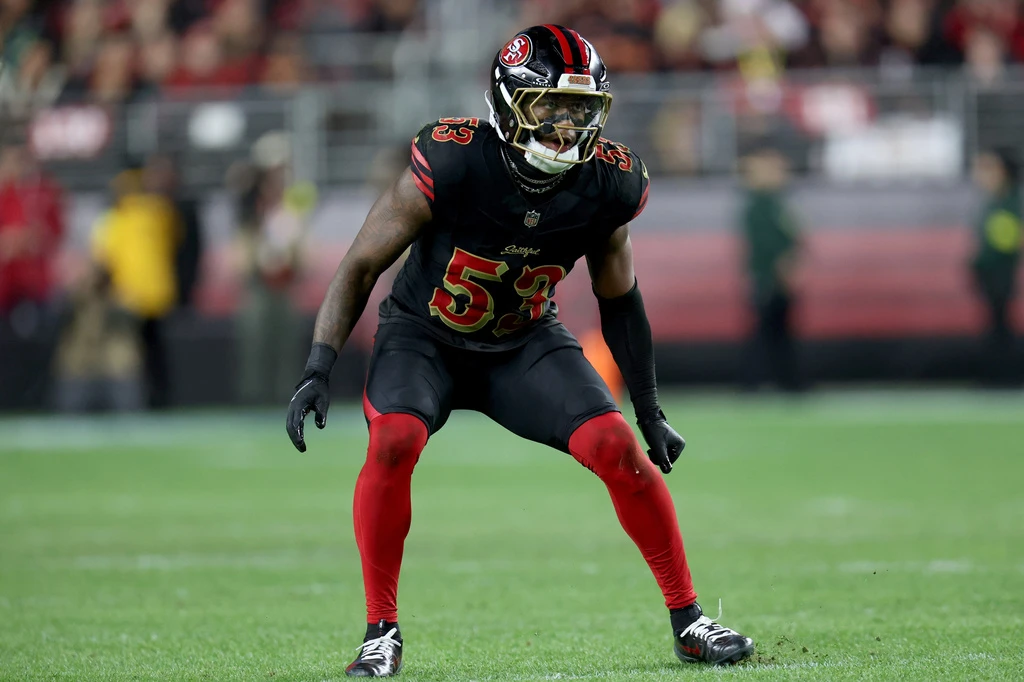
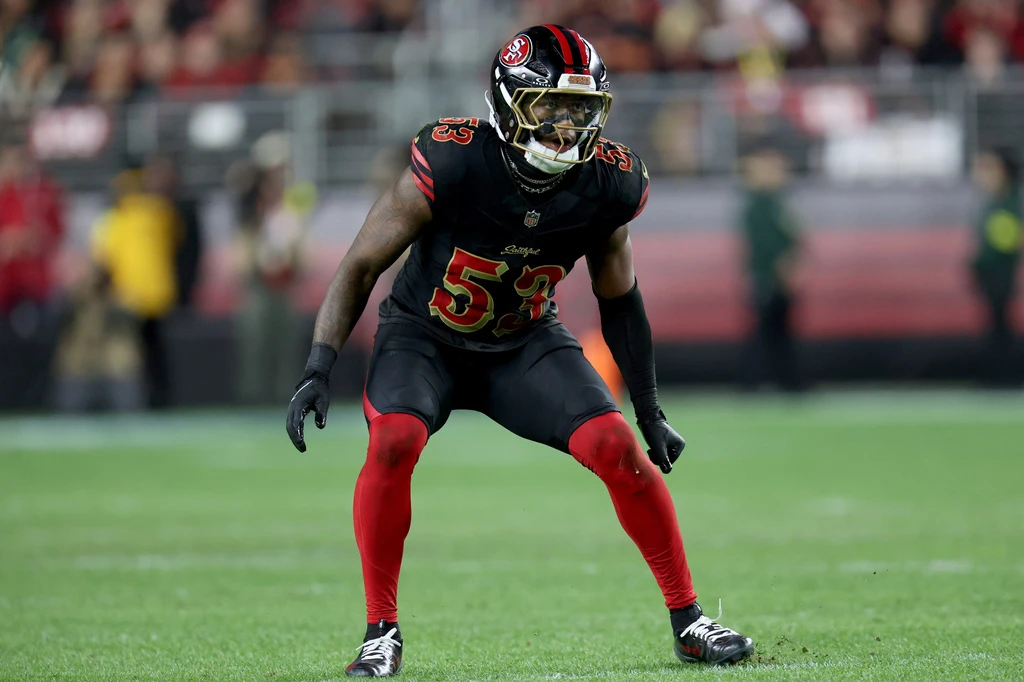
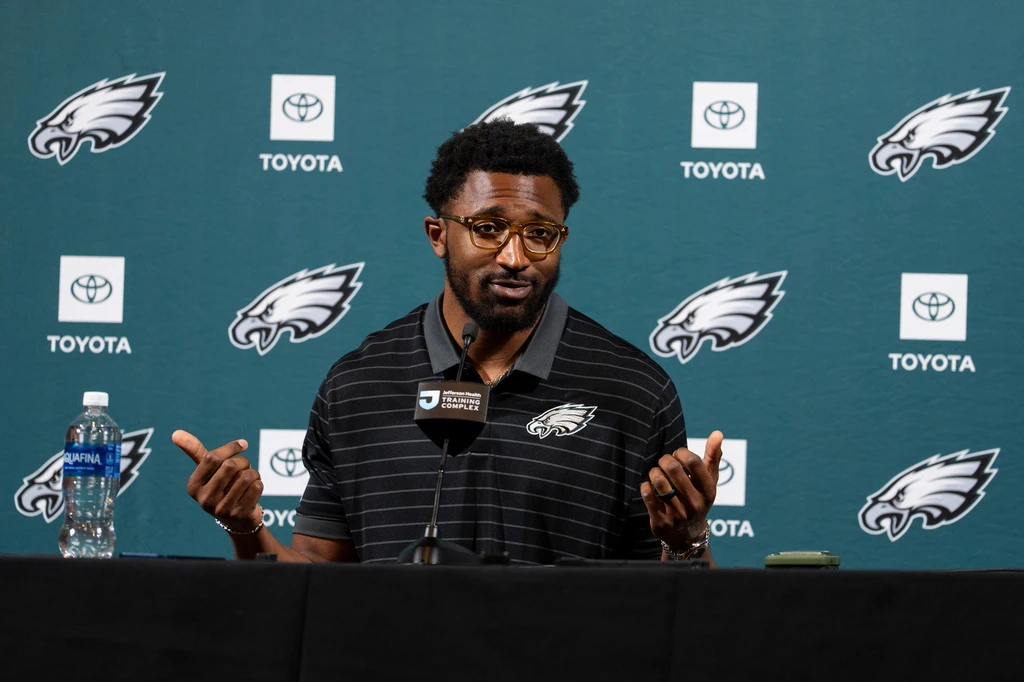
The 2026 NFL Draft set a near-historic pace for transaction volume, logging 41 trades across the three-day event — approaching the all-time single-draft record set in 2023. But the headline number obscures a quieter reality: only two players actually changed teams via trade during the draft itself: linebackers Jonathan Greenard, whom the Vikings traded to the Eagles, and Dee Winters, whom the 49ers dealt to the Cowboys. The overwhelming majority of those 41 deals were positional maneuvering and future-pick exchanges rather than the blockbuster player swaps the volume suggested.
That gap between transaction noise and actual player movement raises real questions about how much teams trusted the 2026 class at the top. When front offices are willing to move picks but not players, it often reflects uncertainty about the talent available — a reluctance to give up a known commodity for a prospect they’re not fully sold on.
The Raiders, Seahawks, and Saints each had the draft capital and roster context to make transformative moves during the event. All three ultimately chose restraint — a decision that analysts will revisit depending on how their 2026 seasons unfold.
Five Dreams That Never Happened: The Trades the NFL Was Waiting For
One of the offseason’s most underrated moves belongs to the Dallas Cowboys, who signed cornerback Cobie Durant away from the Los Angeles Rams on a one-year deal that the Cowboys confirmed — a contract that reportedly costs roughly the equivalent of what Dak Prescott earns per game. For a defense that also moved up one spot to select safety Caleb Downs at No. 11 overall, Durant’s addition represents the kind of market-efficiency play that championship-caliber front offices consistently find. Low cost, high upside, and immediate scheme fit — that’s the formula.
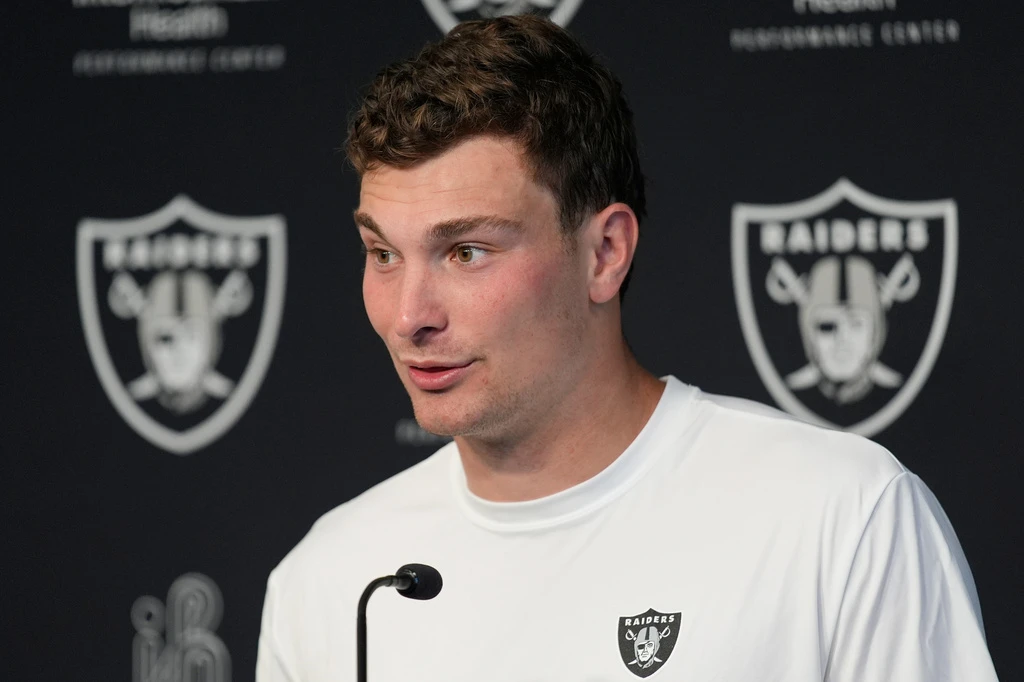
The draft’s most compelling what-if centers on Fernando Mendoza, the Raiders’ No. 1 overall selection at quarterback, a pick the NFL announced,, and the possibility of reuniting him with former college teammate wide receiver Omar Cooper Jr. in Las Vegas. The narrative had real traction in pre-draft analysis circles, but the trade never materialized — leaving Raiders fans to wonder whether that connection could have accelerated Mendoza’s development in a new offense.
The Seahawks’ decision not to acquire edge rusher Kayvon Thibodeaux stands as one of the draft’s most scrutinized non-moves. Seattle, coming off a 2025 NFC Championship Game victory over the Los Angeles Rams, entered the offseason with a clear need to reinforce its defensive front. Passing on an established pass rusher of Thibodeaux’s caliber — rather than addressing the edge position with a proven commodity — left that unit vulnerable heading into a season where the Seahawks will be a marked team.
Arizona’s choice to pass on Anthony Richardson preserved cap flexibility and future draft optionality, but it left the Cardinals without a clear answer at quarterback — the one position that can single-handedly accelerate or stall a rebuild. Meanwhile, New Orleans’ unexpected trade back from the eighth overall pick created a ripple effect through the top ten, reshuffling the board for teams picking behind them and altering the value calculus for multiple franchises in a single move.
The AFC’s Offseason Winners and Losers: Who Built a Contender?
Detroit’s decision not to trade up for offensive tackle Spencer Fano — widely regarded as the draft’s top tackle prospect — leaves a question mark in front of Jared Goff heading into a season where the Lions are expected to contend. Elite tackle play is among the most durable investments a team can make, and the Lions’ hesitation to pay the price for Fano could surface as a liability if their protection breaks down under pressure.
Stepping back from the draft and evaluating the full offseason picture, the AFC’s competitive landscape shifted meaningfully — and not always in the directions teams intended.
The franchises that came out ahead shared a common approach: they spent aggressively in free agency where the value was clear, but they didn’t sacrifice draft capital to do it. The teams that struggled tended to chase multiple priorities at once, spreading resources thin and ending up with a roster that improved on paper but lacks the depth to sustain a 17-game grind.
The Cleveland Browns, Tennessee Titans, New York Giants, and Washington Commanders each made targeted additions that project them as more competitive in 2026 than they were a year ago. The Dolphins and Cardinals, by contrast, enter the season near the bottom of most power rankings — facing the dual challenge of limited cap space and rosters that still need significant talent infusion at premium positions.
The offseason’s best transactions shared a common trait: they delivered immediate, measurable upgrades — whether on the defensive line, at cornerback, or along the offensive front — without mortgaging future flexibility. The worst deals followed the opposite pattern: overpaying for declining veterans or passing on generational talent because the asking price felt steep in the moment.