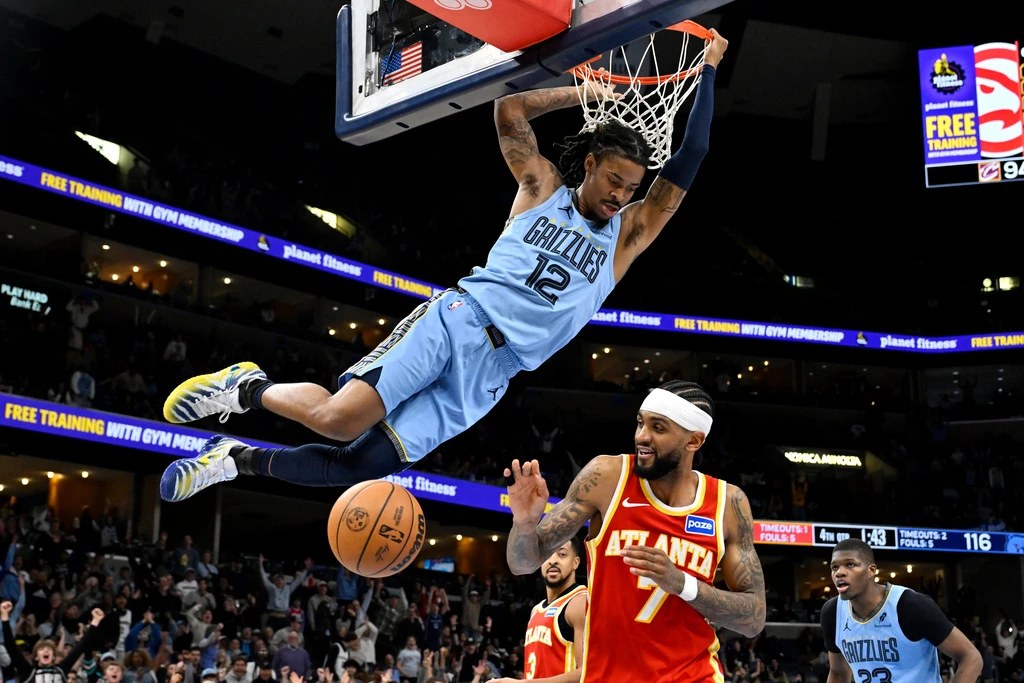
The Memphis Grizzlies just executed a blockbuster trade that sent shockwaves through the NBA.
On June 29, two-time All-Star Ja Morant, long considered the face of the franchise, was traded to the Portland Trail Blazers for Jerami Grant and Kris Murray. This isn’t merely another transaction—it represents something far more significant.
Morant, drafted second overall in 2019 and named NBA Rookie of the Year in 2020, has been a cornerstone for years, averaging 22.4 points and 7.4 assists across 327 games, per Basketball-Reference.
With this move, the Grizzlies have officially traded away all three of their former franchise cornerstones, signaling the most dramatic organizational reset in years.
Morant carries $87 million across two remaining contract years, a massive financial commitment for Portland.
The trade marks a pivotal moment in NBA rebuilding strategy: a young organization completely pivoting from aging stars in pursuit of long-term sustainability through youth and draft capital, particularly the coveted No. 3 pick.
This arrives amid broader upheaval—the Wizards securing the No. 1 pick, the Bucks contemplating blockbuster moves, and multiple organizations reshaping rosters for competitive relevance.
Why the Grizzlies Couldn’t Keep Their Star Anymore
Ja Morant’s tenure in Memphis tells a complicated story about talent, timing, and organizational priorities. Despite extraordinary athleticism and playmaking—evidenced by his 7.4 assists per game—Morant faced persistent injury challenges that repeatedly derailed momentum.
During the 2024–25 season, he was suspended 25 games, then suffered a shoulder injury that sidelined him for the remainder, appearing in just 20 games while averaging 19.5 points and a concerning 23.5% from three.
The limited sample underscored the fragility of relying on a star unable to maintain availability—a critical liability in a league where consistency separates contenders from pretenders.
Off-court controversies created additional organizational strain, tarnishing the franchise’s reputation. As Memphis evaluated its path forward, leadership recognized a critical reality: keeping Morant represented a financial and strategic liability rather than a pathway to sustained success.
The emergence of Cameron Boozer as a promising talent, combined with the organization’s focus on the No. 3 pick, convinced Memphis that a complete rebuild offered superior long-term prospects.
Sometimes organizational wisdom means acknowledging when a star’s era has ended.
By divesting from Morant, the Grizzlies positioned themselves to construct a roster aligned with contemporary NBA success—youth, flexibility, and championship-level role players rather than aging superstars carrying massive contracts.
The Trail Blazers Are Rolling the Dice on a Backcourt Nightmare
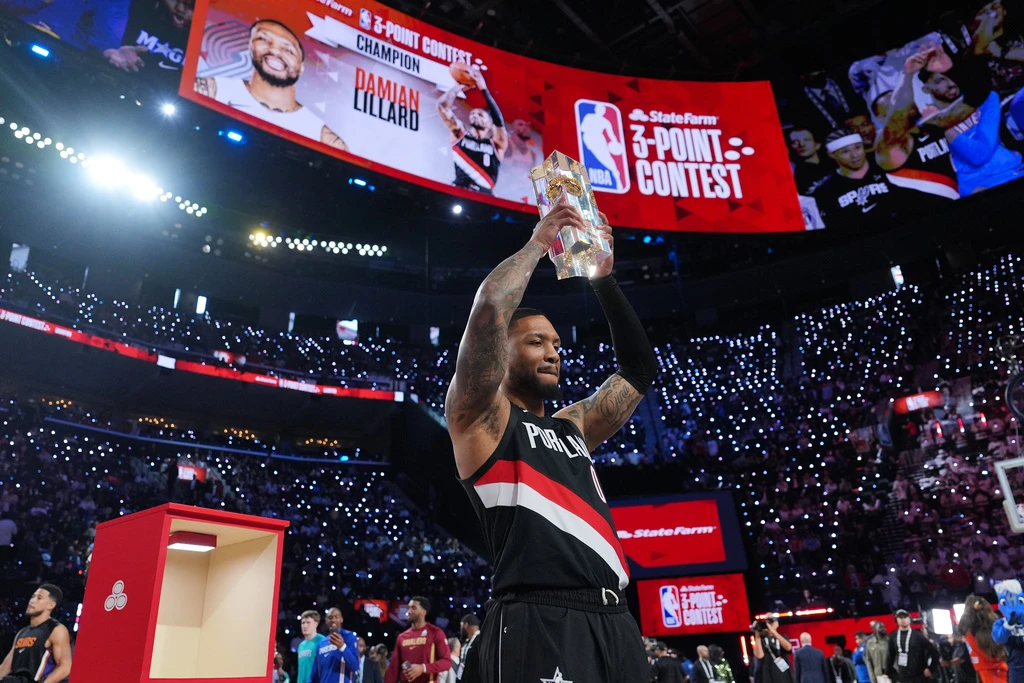
Portland’s acquisition of Ja Morant creates an immediate roster puzzle that should concern every Blazers fan.
The franchise now finds itself with five capable guards competing for essentially four spots—a mathematical impossibility that will force difficult decisions.
Morant joins an already crowded backcourt featuring Damian Lillard, the franchise cornerstone; Jrue Holiday, a veteran All-Star defensive specialist; Scoot Henderson, a promising young talent; and Shaedon Sharpe, another developing prospect.
The projected starting five positions Morant at point guard with Holiday shifting to shooting guard, while Lillard potentially transitions to a sixth-man role—a controversial adjustment for a franchise legend.
This redundancy raises urgent questions about positional flexibility, playing time, and chemistry development. The Blazers are essentially betting that their personnel can overcome significant overlap in skill sets, a gamble that historically produces roster friction rather than championships.
Adding to Portland’s strategic vision, the team hired Minnesota Timberwolves assistant Micah Nori as head coach on June 24, 2026, suggesting leadership believes new organizational direction can unlock this talent’s potential.
Trading away Grant and Murray indicates Portland’s front office believes Morant’s upside outweighs the complexity of integrating his playing style into an already established system.
Can the Blazers Actually Make This Work?
Success for Portland hinges entirely on whether Morant can resurrect his career trajectory while adapting to a new organizational culture and established veterans.
The supporting cast is genuinely impressive—Deni Avdija provides efficient scoring and versatile defense, while Chet Camara and Zach Clingan offer rim protection and rebounding. In theory, pairing Morant with Lillard and Holiday creates a backcourt capable of championship-level execution.
However, overlapping skill sets and positional redundancy suggest additional roster moves are inevitable. The Blazers’ front office clearly recognizes this dilemma, setting the stage for offseason trades that will reshape the rotation. The franchise must decide who receives consistent playing time and which veteran assets become expendable.
Jerami Grant, previously acquired from Detroit on June 22, 2022, and signed to a five-year, $160 million deal, becomes a key piece heading to Memphis.Su
requires more than talent accumulation—it demands strategic roster construction where each player occupies a distinct role.
The coming months will reveal whether Portland’s leadership possesses the basketball acumen to construct a cohesive championship contender or whether this gamble results in a dysfunctional roster unable to execute at playoff intensity.
The Real Winner in This Trade Might Surprise You
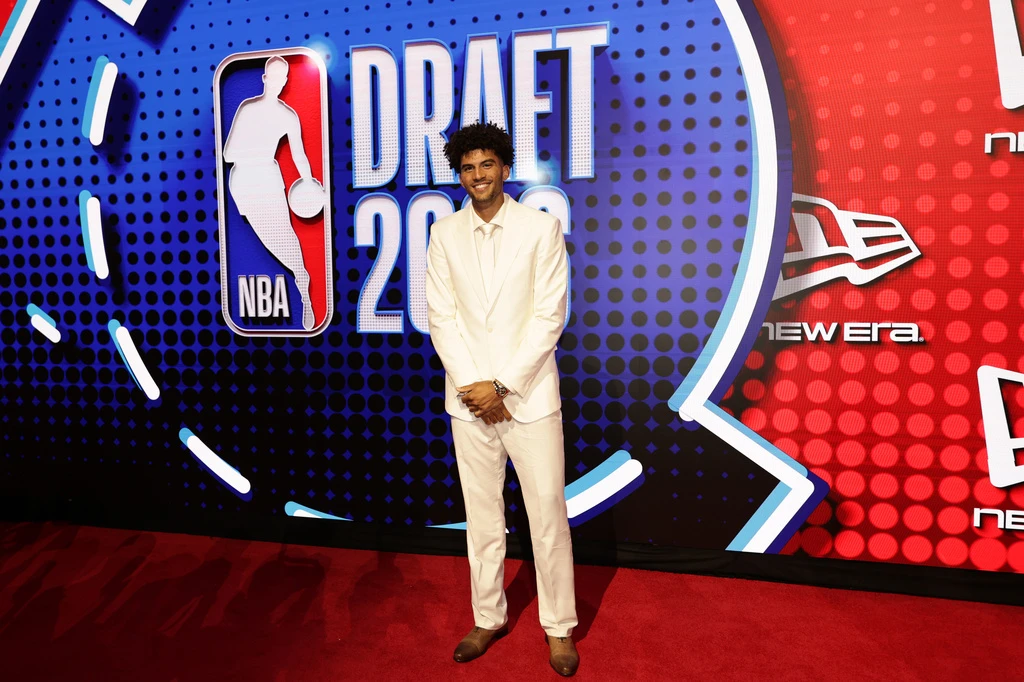
While Morant receives his fresh start and the Blazers swing for championship relevance, Memphis emerges as the true strategic victor.
By systematically divesting from aging stars and fully embracing a youth-focused rebuild, the Grizzlies position themselves for sustainable long-term success.
Cameron Boozer represents the type of foundational prospect that builds dynasties, while the No. 3 pick provides exceptional flexibility to address specific roster needs.
The Grizzlies possess versatile options for strengthening their core—whether pairing Boozer with elite complementary talent like Bennett Stirtz, or pursuing combinations like Darryn Peterson with Morez Johnson or Caleb Wilson with Ebuka Okorie.
Each strategic pathway positions Memphis to emerge victorious regardless of final selections, reflecting their sophisticated approach to talent acquisition.
This draft-focused strategy proves cleaner and more promising than any star-laden roster built through aging superstars.
Memphis recognized a fundamental truth: sometimes organizational excellence requires the discipline to let go of established names in pursuit of superior long-term construction.
The Grizzlies’ willingness to embrace complete reconstruction, rather than clinging to nostalgic veterans, demonstrates sophisticated front office thinking.
In a competitive landscape where organizations like the Bucks are questioning their futures, Memphis has positioned itself optimally for the next competitive cycle.