Two weeks into the 2026 MLB season, preseason predictions are already being shredded by the reality playing out on the field.
Early performance data is painting a picture that looks almost nothing like the consensus forecasts published before Opening Day — division races are scrambled, individual award frontrunners have shifted, and teams written off in March are suddenly relevant.
From unexpected division leaders to breakout performances from players who barely registered in preseason power rankings, the first two weeks have laid the groundwork for what could be one of the most unpredictable regular seasons in recent memory.
The conventional wisdom that shaped offseason analysis — built on spring training reports, roster construction logic, and historical trends — has already taken several direct hits from results on the field.
The new ball-strike challenge system, which drew skepticism from fans and analysts heading into the season, is generating more nuanced reactions now that it’s being used in live game situations — with some early evidence suggesting it may be influencing pitcher behavior and at-bat length in ways that weren’t fully anticipated.
Across the league, early performance metrics are diverging sharply from preseason projection models, creating a landscape where the standard frameworks for evaluating contenders, division races, and individual award candidates carry significantly less predictive weight than they did a month ago.
That unpredictability extends directly into the award races — players who entered the season as consensus MVP and Cy Young favorites are already facing pressure from names that weren’t part of the conversation in March.
Why These ‘Impossible’ Predictions Are Actually Happening
April is shaping up to be more than just a sample-size caveat — it’s the opening chapter of a season that looks determined to defy expectations at every turn.
The boldest early-season predictions circulating among analysts aren’t speculation — they’re grounded in two weeks of actual performance data, which gives them more credibility than the preseason projections they’re replacing.
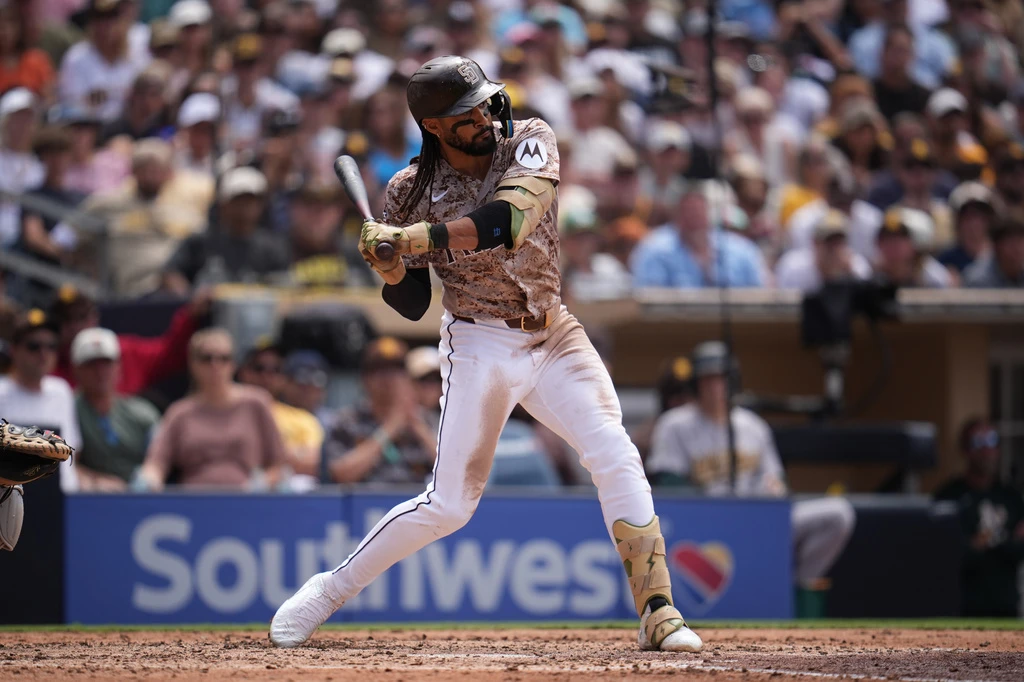
A league-wide walk rate trending toward 10%, Fernando Tatis Jr.’s early power surge, and the rapid emergence of top prospects are no longer theoretical talking points — they’re observable trends backed by box scores.
The most audacious predictions entering the season are the ones finding the most validation in early numbers — the kind of takes that would have been dismissed as hot takes in February are now looking prescient.
Each of these emerging storylines reflects a genuine momentum shift visible in the early statistical record. The numbers aren’t just supporting bold narratives — in some cases, they’re demanding them.
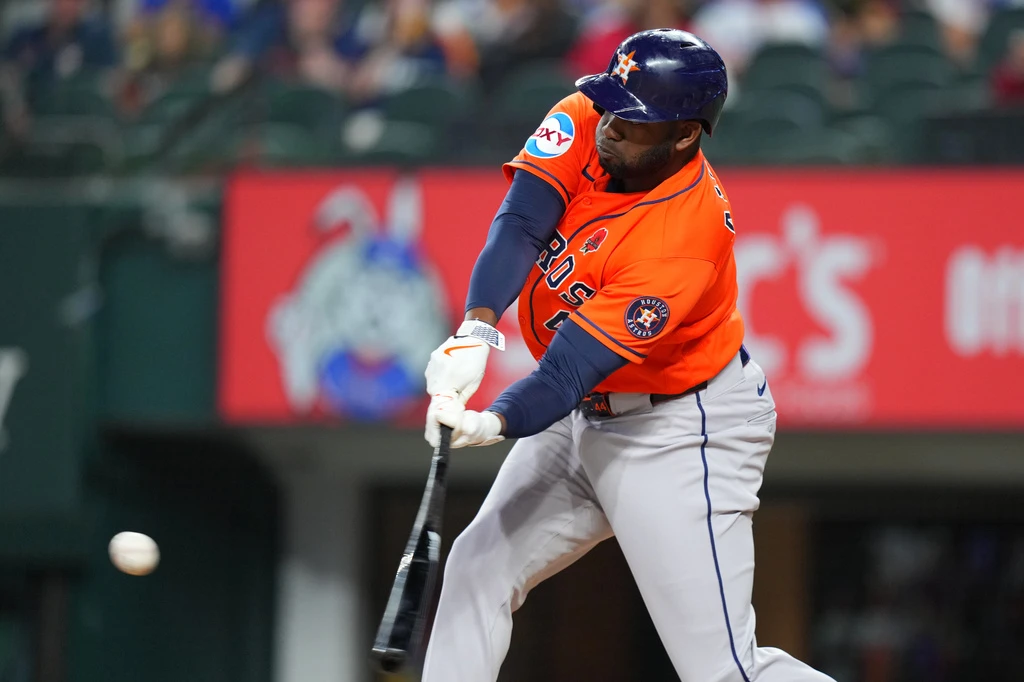
Tatis Jr.’s offensive explosion carries particular weight given the injury-disrupted seasons that preceded it. A player who missed significant time and faced questions about his long-term durability is now producing at a level that forces a full reassessment of where he stands among the game’s elite offensive players.
The Managerial Anomaly That’s Reshaping Entire Franchises
The elevated walk rate signals something more structural than a two-week blip — it points to a potential shift in how pitchers are approaching hitters and how hitters are responding, with plate discipline metrics trending in a direction that could reshape offensive strategy across the sport.
Pat Murphy and Stephen Vogt are on pace to contend for Manager of the Year honors for what would be an unprecedented third consecutive season — a sustained run of managerial excellence that is extraordinarily rare in a sport where roster turnover, injuries, and competitive variance make back-to-back success difficult enough, let alone a third straight cycle.
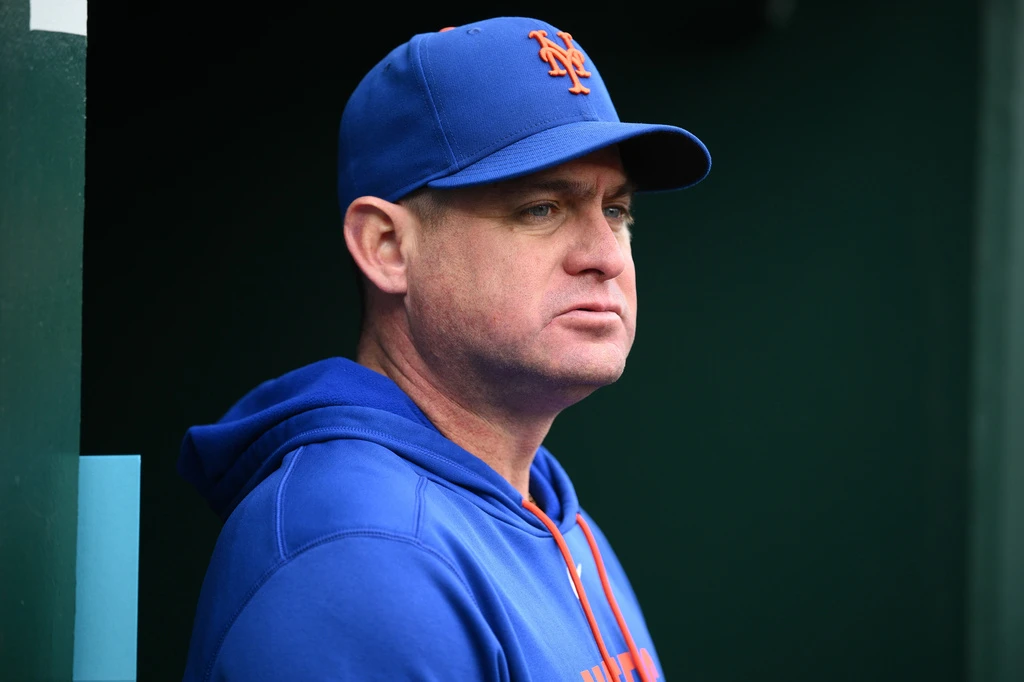
Carlos Mendoza’s situation with the Mets represents the opposite arc. Early-season struggles have put his roster under a microscope and raised legitimate questions about whether the organizational direction is producing the results ownership expected heading into 2026.
These managerial storylines are generating bigger-picture consequences than most analysts anticipated when the season began — and they’re doing it before May.
The contrast between Murphy and Vogt’s sustained success and Mendoza’s early turbulence underscores a point that often gets buried under analytics discourse: managerial decision-making, in-game adjustments, and clubhouse culture still carry measurable weight in determining outcomes.
Which Pitching Prospect Will Finally Break Through—And When?
When managers consistently translate organizational philosophy into on-field results across multiple seasons, the effects compound — shaping roster construction priorities, accelerating player development timelines, and building the kind of team culture that influences which players perform at their ceiling when award-season pressure peaks in September.
Chase Burns has positioned himself as a legitimate Cy Young contender through his early-season work, while Sandy Alcantara — the 2022 NL Cy Young winner, per MLB.com, who dealt with significant injury setbacks — is showing signs of a meaningful resurgence.
The early-season performance from this group of arms suggests a potential wave of elite starting pitching is building — one that could define the postseason landscape if these starters maintain their current trajectories.
The real question isn’t whether Burns, Alcantara, and their peers can sustain this level of performance — it’s whether any of them can carry it through October and become the defining pitching story of the 2026 postseason.
Burns’ emergence is particularly significant because it represents young talent arriving at its competitive peak at exactly the right moment — the kind of timing that separates good careers from great ones.
Alcantara’s resurgence, if it holds, would be one of the more compelling comeback narratives in recent baseball history — a former Cy Young winner reclaiming elite status after being written off by a significant portion of the analyst community.
Paul Skenes and Tarik Skubal have separated themselves as the early frontrunners in the NL and AL Cy Young conversations respectively, while Cam Schlittler is leading MLB in FIP and strikeout-to-walk ratio — a combination that signals genuine dominance rather than surface-level results.
The Division Power Shifts That Nobody Saw Coming in April
The convergence of multiple elite starters entering their competitive primes simultaneously could fundamentally reshape postseason baseball in 2026, tilting the championship calculus toward teams with deep, reliable rotations rather than those built around one or two marquee arms.
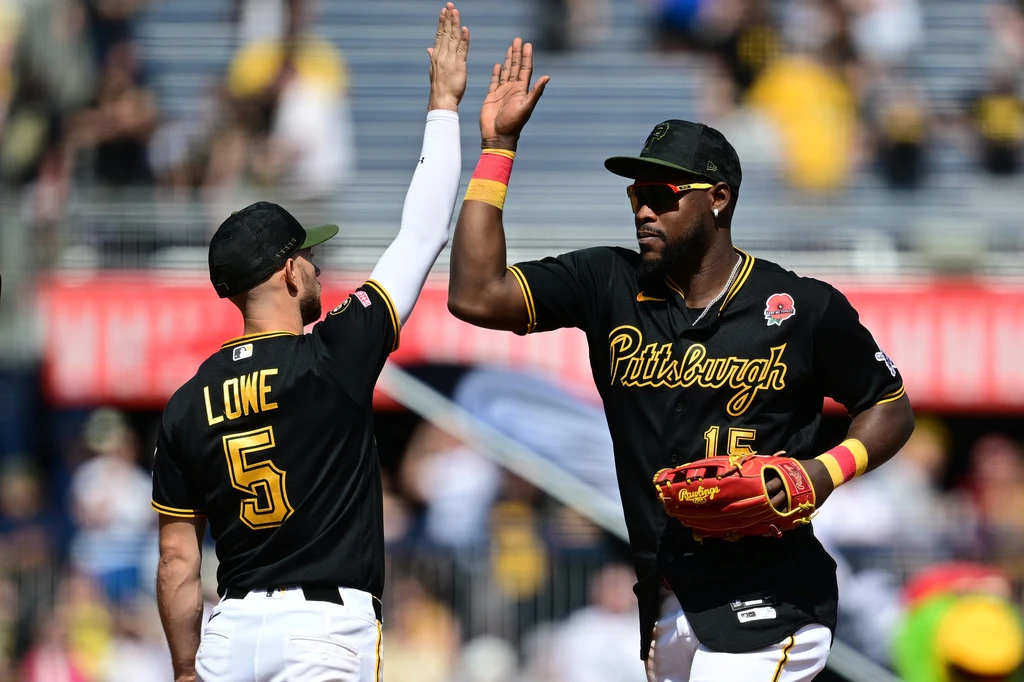
The Pittsburgh Pirates are genuinely competing for the NL Central division lead. The Toronto Blue Jays are making a credible push to reclaim relevance in the AL East.
The Cleveland Guardians are building what looks like a legitimate World Series-caliber roster — constructed around pitching depth and defensive execution rather than offensive firepower.
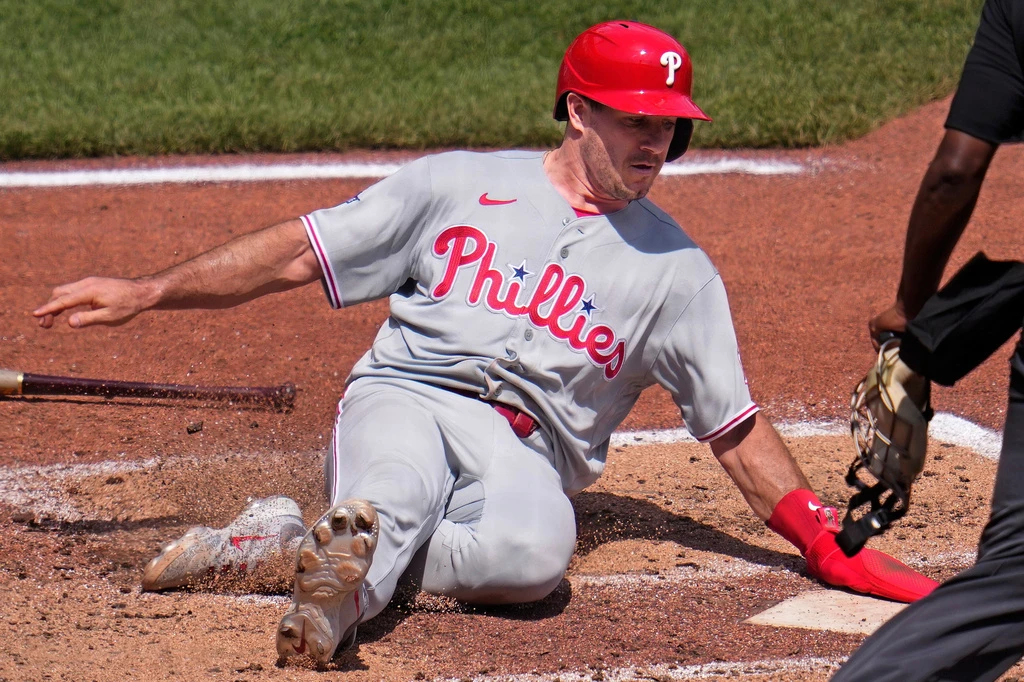
Meanwhile, the Philadelphia Phillies are slipping from their expected position atop the NL East, and the Cincinnati Reds are in early-season freefall toward the division basement.
These aren’t fringe scenarios being floated by contrarian analysts — they’re emerging realities backed by two weeks of standings data, and they’re already forcing a wholesale revision of preseason projections.
The Pirates’ competitive emergence marks a significant inflection point for a franchise that has been in a prolonged rebuild. If this trajectory holds, it would represent one of the more dramatic organizational turnarounds in the NL Central in recent years.
The Blue Jays’ push in the AL East suggests that organizational continuity and a commitment to player development can produce a competitive rebound even after a difficult prior season — a model worth watching as the division race develops.
The Reds’ early collapse raises pointed questions about whether their offseason roster construction adequately addressed the structural weaknesses that were visible heading into 2026 — and whether a course correction is still possible before the trade deadline.
How Yordan Alvarez and Emerging Stars Are Rewriting the MVP Race
Every divisional shift carries downstream consequences — playoff seeding projections, wild-card race calculations, and championship probability models all get recalibrated, which in turn shapes which players are performing in high-leverage situations and entering the MVP conversation with the most compelling team-success narratives behind them.
Yordan Alvarez is on pace for AL MVP consideration, while Julio Rodriguez has emerged as the consensus pick for the best offensive performance in the month of May.
Ben Rice — a player who entered the season with minimal national profile — is producing at a level that has forced his way into legitimate top-10 MVP voting discussions.
The early-season award landscape has already made one thing clear: the 2026 MVP conversations in both leagues will be defined by unexpected names, with several traditional frontrunners struggling to maintain the production levels that made them preseason favorites.
Alvarez’s sustained excellence finally translating into the kind of league-wide recognition that his numbers have long deserved represents the convergence of elite talent and the right competitive moment — a player performing at his peak when the spotlight is brightest.
Rodriguez’s May surge demonstrates how a concentrated stretch of elite production can reshape a player’s award trajectory — and how quickly the narrative around a young star can shift when the numbers demand attention.
Rice’s presence in elite offensive company raises legitimate questions about player development pipelines, organizational scouting investment, and how much untapped talent exists within existing rosters that never gets fully evaluated until circumstances force the opportunity.
The broader MVP field includes Aaron Judge, Mike Trout, Matt Olson, Kyle Schwarber, and Elly De La Cruz — established stars with the track records and name recognition to stay relevant in award conversations — but Alvarez and Rodriguez’s early production has put the burden of proof squarely on the veterans to keep pace.
The Cleveland Guardians’ Unlikely Path to October Glory
These MVP storylines will likely drive the dominant narratives of the season through September, with each player’s performance trajectory carrying direct implications for their team’s postseason positioning and championship probability.
Built on elite pitching depth and defensive execution, the Cleveland Guardians are establishing themselves as genuine World Series contenders — a designation that would have drawn skepticism from most analysts in March.
That skepticism is harder to sustain after two weeks of consistent, high-quality performance that reflects a coherent organizational philosophy rather than a hot streak.
Their blueprint prioritizes pitching depth and defensive stability over the kind of explosive offense that has defined recent championship rosters — a deliberate philosophical departure that is producing early results worth taking seriously.
The early-season data validates this approach and raises a broader question: can a team built on pitching and defense compete for a championship against better-resourced franchises in a sport where payroll disparities remain significant? The Guardians are making a credible early case that the answer is yes.
If this trajectory holds through the summer, the Guardians could force a genuine reconsideration of how front offices approach championship roster construction — particularly in mid-market organizations that cannot compete dollar-for-dollar with the sport’s biggest spenders.