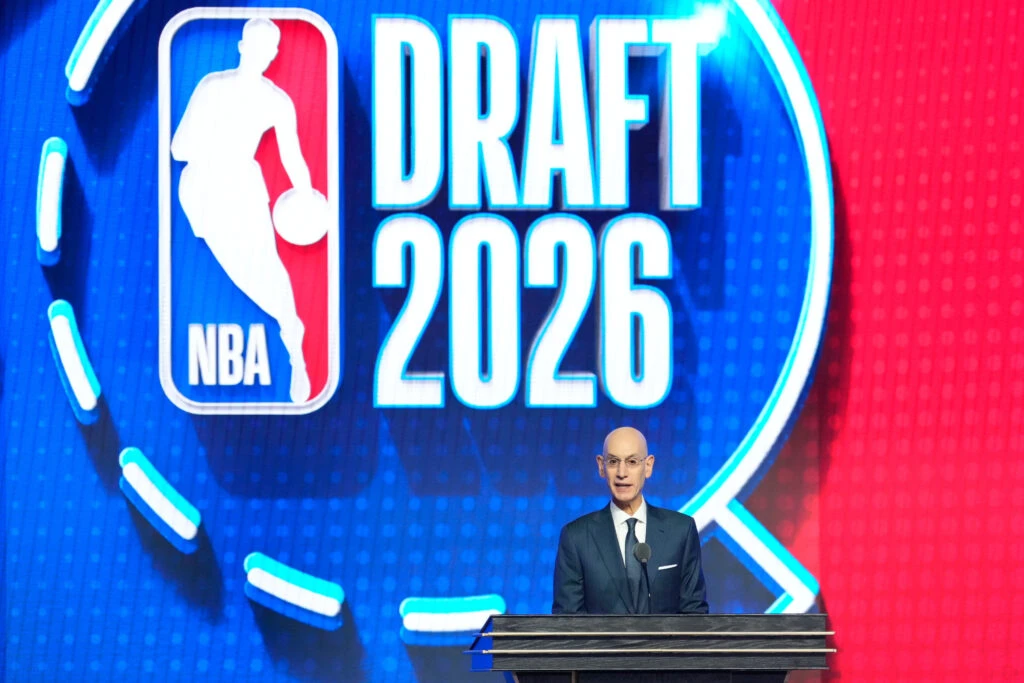
The 2026 NBA Draft class—the 80th in league history and the first since 2021 to feature 60 picks—has captivated the basketball world, representing one of the most stacked talent pools scouts have evaluated in years.
Prospects like AJ Dybantsa, Darryn Peterson, Cameron Boozer, and Caleb Wilson possess rare combinations of physical attributes and basketball skills that elevate them above typical draft cohorts.
Notably, the class features an unprecedented concentration of upperclassmen, driven by NIL era incentives that encouraged talented players to remain in college longer, thereby deepening the talent pool.
What makes this class truly exceptional isn’t just elite talent at the top—it’s the remarkable depth stretching through the lottery.
Kingston Flemings, Keaton Wagler, Mikel Brown Jr., and Darius Acuff Jr. have generated serious NBA interest, with Flemings emerging as a particularly intriguing point guard prospect, showcasing quick-twitch creation ability and disruptive defensive prowess that align with modern NBA priorities.
This concentration of multidimensional talent has fundamentally altered how front offices construct their scouting departments and long-term strategies, forcing teams to reconsider draft positioning and asset management in pursuit of franchise cornerstones.
Why Cooper Flagg Might Be the Safest Bet—But Not the Most Obvious Choice
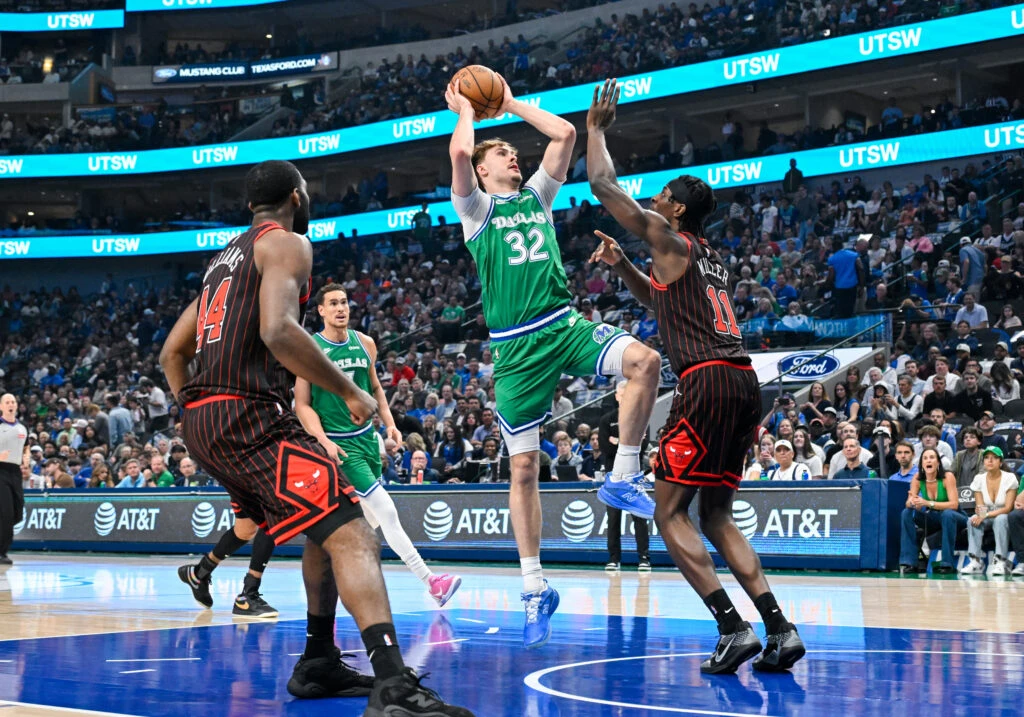
While 2026 headlines dominate draft discourse, Cooper Flagg from the 2025 class offers a contrasting perspective on prospect evaluation.
Flagg represents the kind of certainty that rarely manifests in professional sports—a player whose trajectory toward NBA superstardom feels almost predetermined.
His exceptional two-way impact, combining elite defensive capabilities with offensive versatility, distinguishes him from traditional one-dimensional prospects.
The tension emerges when comparing Flagg’s proven consistency against the theoretical upside of 2026’s elite talent.
Scouts acknowledge that certain 2026 prospects could eventually surpass Flagg’s career arc, yet his immediate NBA readiness and demonstrated maturity create a unique bridge between draft classes.
This comparison illuminates how modern talent evaluation increasingly values certainty and two-way impact over raw projection and potential, especially when weighed against the deeper but potentially riskier 2026 pool.
The Dybantsa vs. Boozer Debate: Size, Strength, and Offensive Versatility
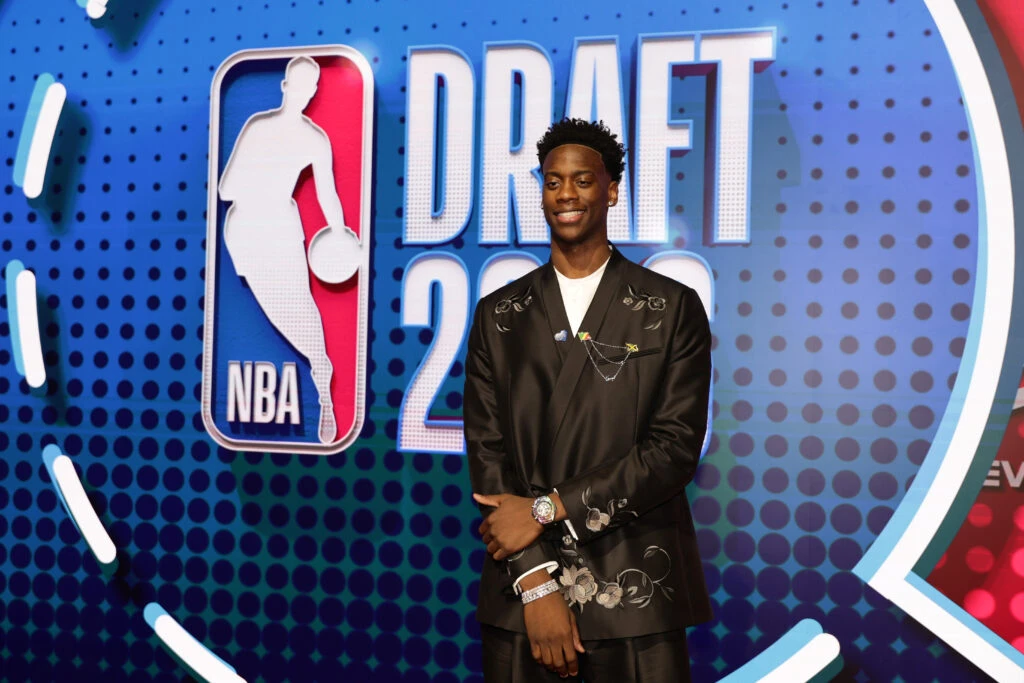
AJ Dybantsa’s selection first overall by the Washington Wizards represented the consensus conclusion of an extended scouting process.
The BYU forward averaged 25.5 points, 6.8 rebounds, and 3.7 assists during his lone collegiate season, per NBA.com’s official 2026 draft prospect profile—elite production that justified the ‘The City is Ready’: Trae Young welcomes AJ Dybantsa to D.C.’
Dybantsa joins John Wall and Kwame Brown as Wizards first-overall picks, a lineage carrying both promise and pressure.
Yet Cameron Boozer’s third-overall selection by the Memphis Grizzlies sparked an alternative narrative that continues resonating through basketball circles.
The Duke prospect emerged as a generational talent, earning Gatorade National Player of the Year honors in both 2023 and 2025, and becoming only the fifth freshman ever to win The Associated Press men’s national player of the year award.
As son of former Duke and NBA player Carlos Boozer, he carries significant pedigree alongside his elite credentials.
His profile—a 6-foot-9, 250-pound power forward combining elite scoring efficiency, exceptional playmaking, elite rebounding, and demonstrated winning impact—challenges traditional assumptions about how modern NBA teams evaluate big men.
The Grizzlies’ choice reflects evolving priorities, where multidimensional frontcourt players capable of creating offensive advantages increasingly attract premium selections.
This debate between two elite prospects reveals how NBA franchises are redefining position value and team construction.
The 2025 Class Shows Promise Too—Here’s Why That Matters
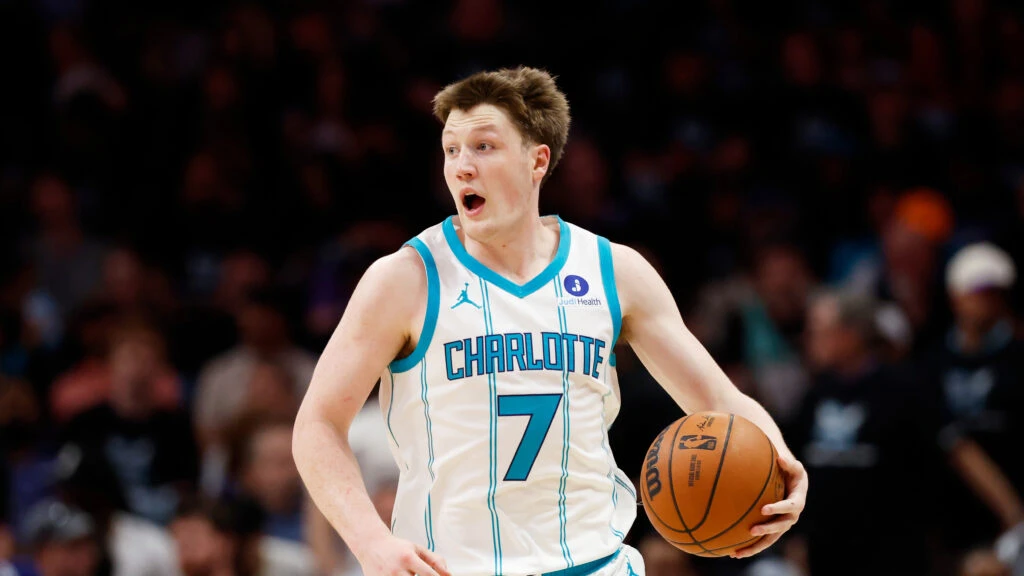
Beyond Flagg’s exceptional profile, the 2025 NBA Draft featured an encouraging supporting cast that adds crucial context to generational draft discussions.
Dylan Harper, VJ Edgecombe, and Kon Knueppel each brought distinct skill sets and developmental trajectories.
Knueppel’s successful rookie season provided immediate validation, while Edgecombe and Wilson demonstrated encouraging early-season development that builds franchise confidence.
This distributed talent across consecutive draft cycles suggests something important: exceptional player availability may represent an extended phenomenon rather than a single-year occurrence.
When elite talent doesn’t concentrate exclusively in 2026, it complicates the generational narrative.
The 2025 class’s early performance provides important benchmarking data for evaluating whether 2026 truly represents a transformational leap or simply continues an elevated talent plateau spanning multiple years.
From Draft Day to Draft Grades: How Teams Are Winning the 2026 Trade
The real story of the 2026 NBA Draft—held June 23-24, with the first round on June 23 and second round on June 24, according to NBC Sports—extends far beyond headline first-overall selections.
It reveals itself in how strategically-minded franchises leveraged exceptional talent depth. The Memphis Grizzlies, Chicago Bulls, and LA Clippers made particularly astute selections that addressed specific roster construction needs while acquiring impactful talent.
The Utah Jazz’s selection of Darryn Peterson exemplified how mid-lottery positioning could yield franchise players when combined with intelligent evaluation.
Organizations like the Bucks, Warriors, and Thunder capitalized on deep talent availability to inject competitive elements into their rosters.
These picks demonstrate that draft success isn’t determined by the loudest headlines or first-overall selections—it emerges through comprehensive evaluation and strategic alignment between available talent and organizational needs.
The 2026 draft ultimately validated that when exceptional talent becomes widely available, teams with superior scouting infrastructure and clear strategic vision emerge as genuine winners, regardless of draft position.