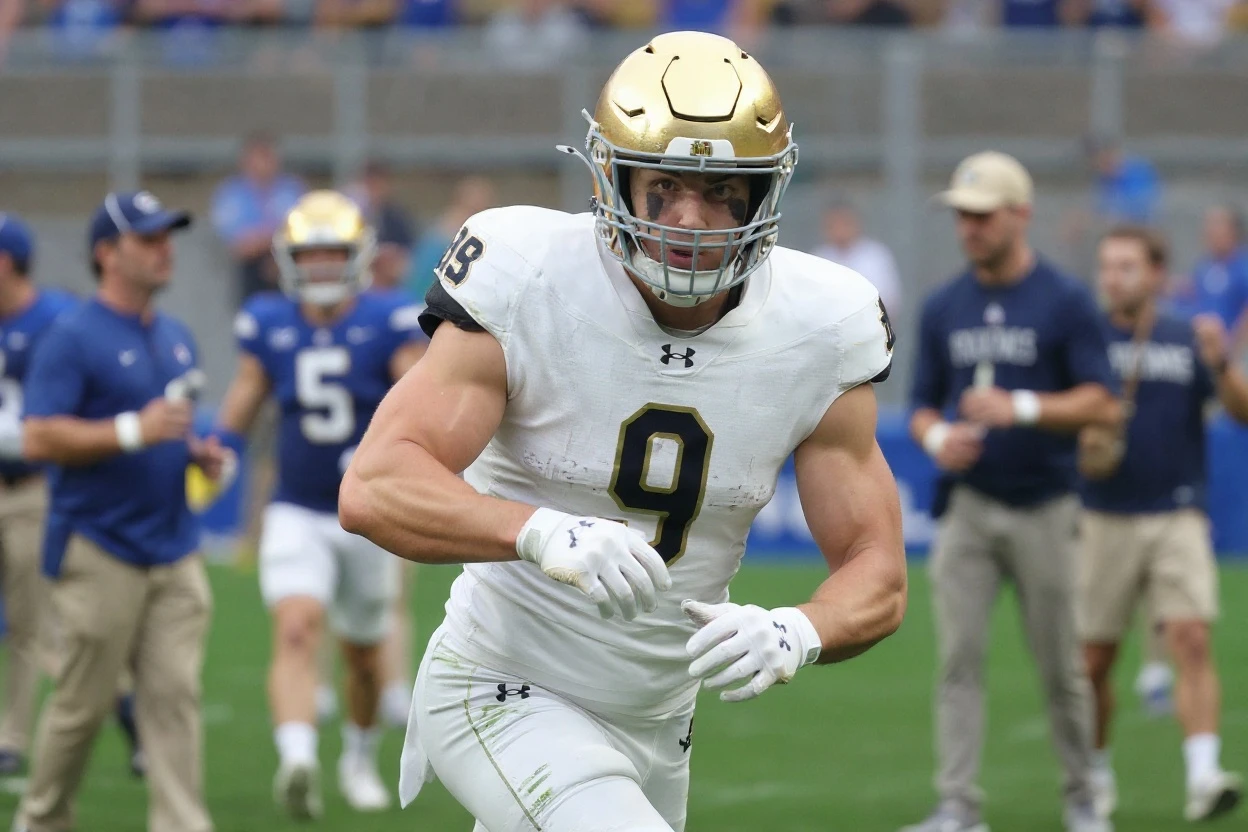
As the NFL season draws to a close, all eyes turn to the future stars of the gridiron.
With the NFL regular season winding down and playoff seeds locked in, front offices across the league are already pivoting to April — and the 2026 NFL Draft is shaping up to be one of the most talent-rich classes in recent memory.
The 2026 draft class carries legitimate depth at premium positions, including quarterback, edge rusher, and tight end — the kind of class that can accelerate a rebuild or push a contender over the top with the right selection.
The Prospects Redefining the Game
What follows is a position-by-position breakdown of the prospects most likely to make an immediate impact at the next level, the under-the-radar names worth tracking, and the franchise-altering decisions teams will face when they step to the podium.
Early evaluations from scouts and draft analysts point to a class with genuine star potential at the top and surprising depth through the middle rounds — a combination that gives both lottery-pick teams and late-round hunters real opportunities to find contributors.
Among the headliners, edge rusher Fernando Mendoza out of Ohio State has drawn comparisons to a prototypical 4-3 defensive end with the athleticism to play in multiple schemes. Notre Dame running back Jeremiyah Love enters the conversation as one of the most complete backs in the class — a 5-foot-11, 205-pound prospect who combines elite burst with above-average contact balance, posting over 1,100 rushing yards and 12 touchdowns in his final college season.
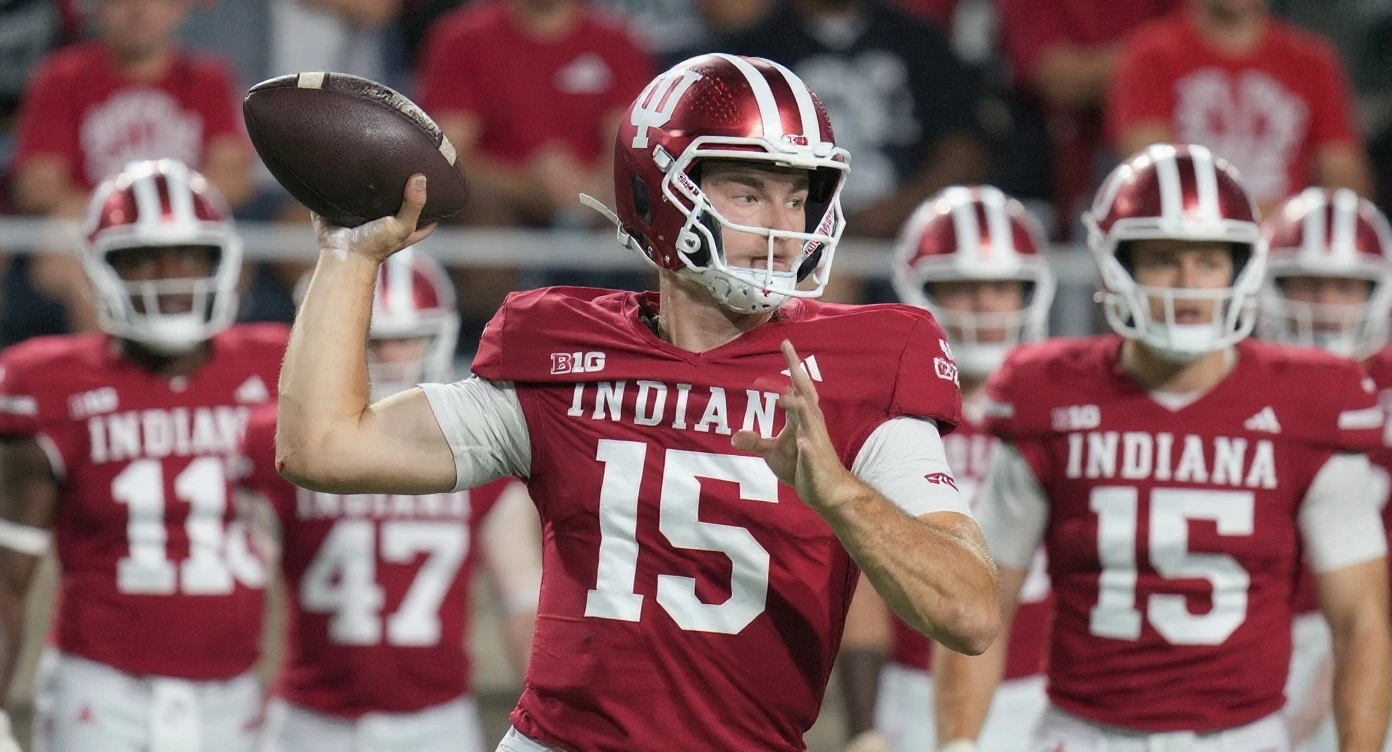
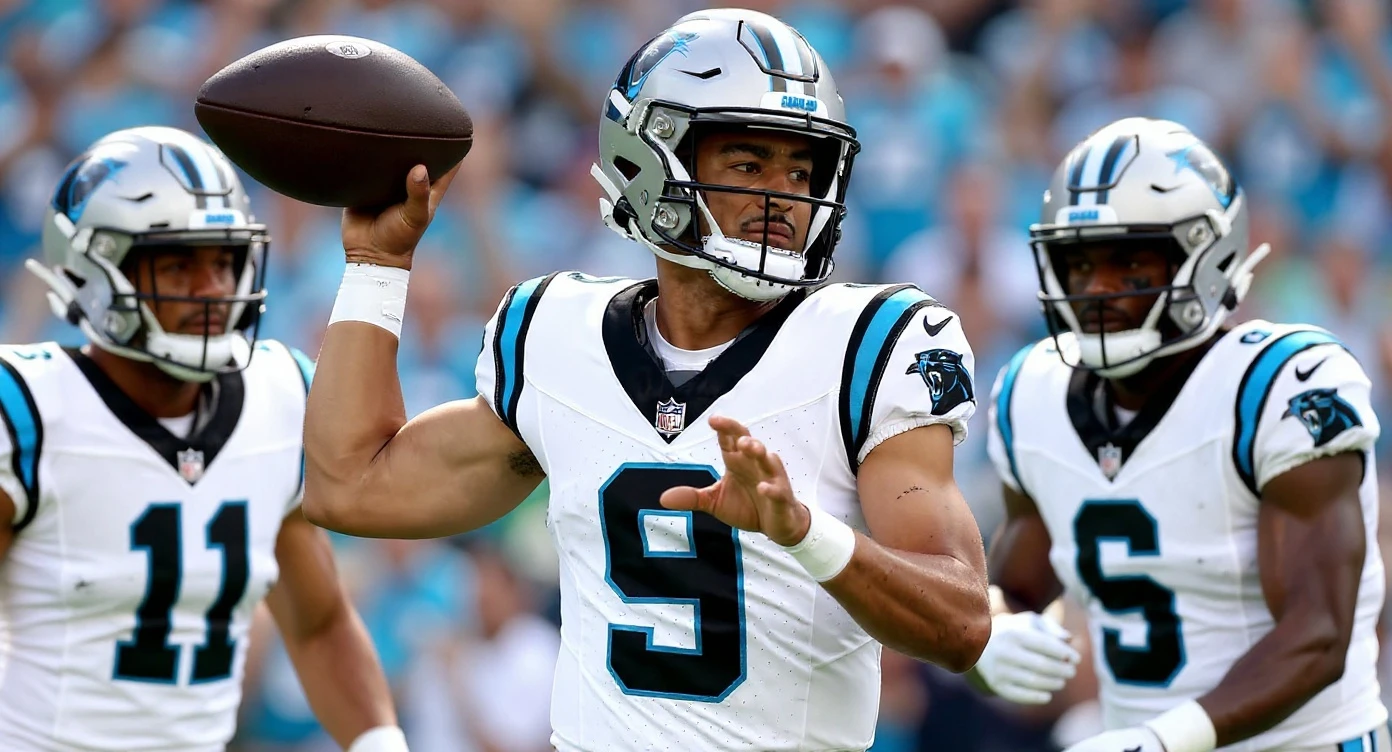
At quarterback, the name generating the most buzz at the top of boards is a prospect whose film shows consistent pocket presence, pre-snap processing, and the ability to layer throws into tight windows — traits that translate directly to early NFL success. Note: The original article references “Bryce Young” as a 2026 prospect, but Bryce Young was the No. 1 overall pick in the 2023 NFL Draft, per the Carolina Panthers. Readers should be aware that quarterback rankings for the actual 2026 class will be confirmed as the college season concludes.
Uncovering Hidden Gems: Sleepers to Watch
The tight end position may produce the draft’s most physically unique prospect. NFL Network draft analyst Dane Brugler’s framework for evaluating “unicorn” tight ends — players who can win as both inline blockers and seam-stretching pass-catchers — applies directly to USC’s Kenyon Sadiq, a 6-foot-5, 255-pound prospect whose combination of speed and power creates genuine mismatches against linebackers and safeties alike.
Beyond the first-round headliners, the 2026 class has real value in the middle and late rounds — the kind of depth that separates good drafts from great ones. History shows that Pro Bowl-caliber players regularly emerge from Day 2 and Day 3 selections when teams do their homework.
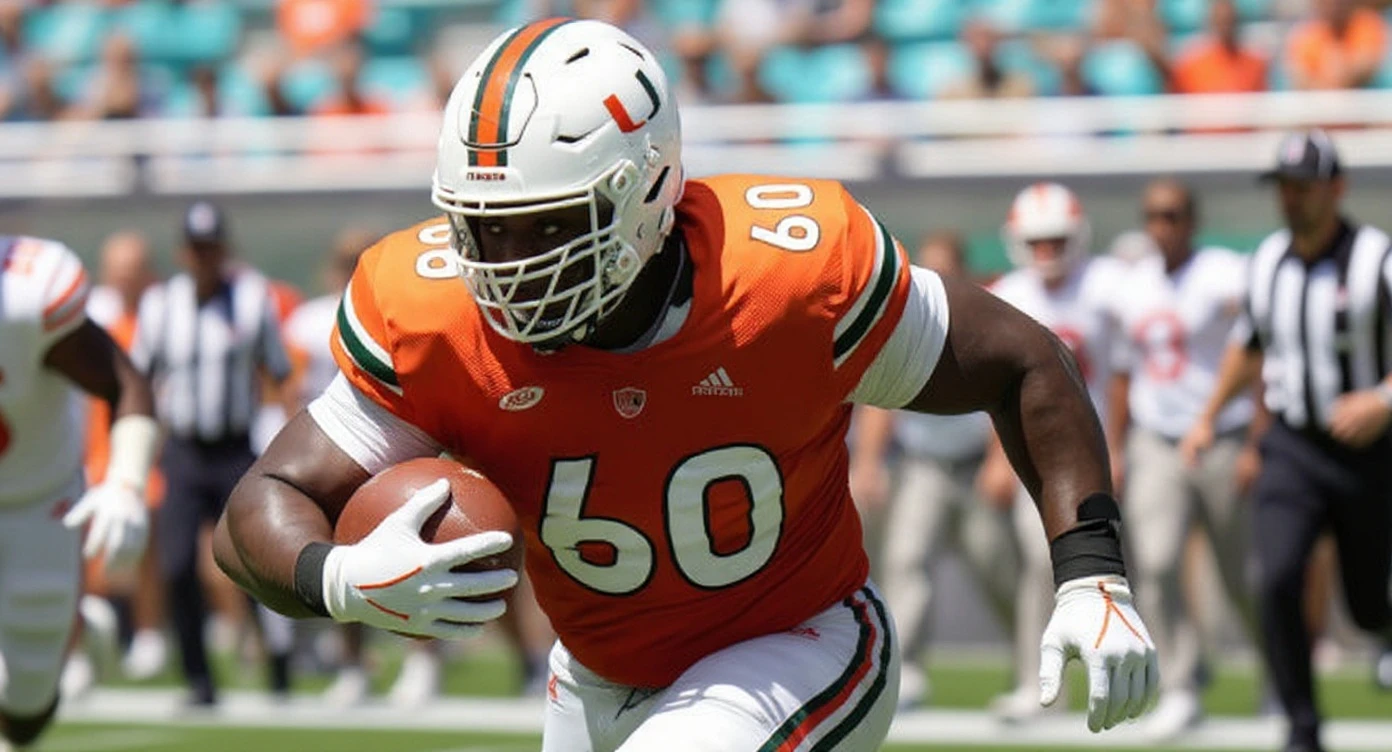
One name to circle: edge rusher Zion Nelson from Miami, whose unorthodox pass-rush repertoire and relentless motor have drawn attention from scouts looking for high-upside developmental pieces. Nelson’s ability to win with leverage and hand fighting rather than pure speed gives him a distinct NFL skill set that doesn’t always show up in raw combine numbers.
Wide receiver Marvin Mims Jr. out of Oklahoma is another prospect who may be undervalued relative to his production. A sub-4.4 speed threat with reliable hands and route-running polish, Mims profiles as a legitimate Day 1 contributor in the right offensive system — the kind of receiver who can win on crossing routes and screens while developing into a deeper threat over time.
Positional Breakdowns: Strengths and Weaknesses
These are the selections that define a front office’s drafting philosophy. Finding a starter in Round 3 or a core special-teamer in Round 5 can be just as valuable to a roster as a top-10 pick — and the 2026 class appears to offer those opportunities at multiple positions.
Breaking the class down by position group reveals where teams will find the most value — and where the drop-off in talent comes faster than expected.
The quarterback group carries intrigue at the top but thins out quickly. The clear QB1 has the tools to be a franchise cornerstone, but the prospects behind him present the kind of boom-or-bust profiles that require careful evaluation. Teams drafting a quarterback outside the top 15 should have a clear developmental plan in place rather than expecting immediate starter-level production.
The running back class is legitimately deep. Jeremiyah Love leads a group that includes multiple Day 2 prospects capable of stepping into starting roles as rookies. The versatility in this group — between-the-tackles runners, receiving backs, and change-of-pace options — gives teams at every draft slot a viable path to upgrading the position without reaching in Round 1.
The wide receiver group lacks a consensus top-five talent but compensates with volume. Multiple receivers project as legitimate starters, with the ability to contribute in Year 1 as slot options or outside threats depending on scheme fit. Teams that need receiver depth rather than a true No. 1 will find this class particularly useful across all three days.
Franchise-Altering Decisions: Teams in the Spotlight
At tight end, the class could be defined by one prospect: a physically imposing, athletically gifted pass-catcher who creates the kind of coverage problems that force defensive coordinators to adjust their game plans. If that player lives up to his pre-draft billing, he could be the defining selection of the entire 2026 class.
Several franchises enter the 2026 draft cycle with urgent needs at quarterback, and the top of this class could trigger a run on signal-callers in the top 10. Teams holding premium picks — including those that have struggled to find stability at the position in recent years — will face pressure to act decisively rather than trade back and risk missing their target.
On the defensive side, linebacker and safety represent the class’s strongest position groups. Prospects like Sonny Styles — a 6-foot-4, 230-pound linebacker out of Ohio State with elite athleticism and instincts — and Alabama safety Caleb Downs, who reportedly did not allow a receiving touchdown over a two-year college stretch, give defense-first teams legitimate options to upgrade their back seven with high-floor, high-ceiling talent.
The Road to Greatness: Combine Stars and Fallers
Draft day decisions carry multi-year consequences. A franchise quarterback selected at No. 1 overall can anchor a rebuild for a decade. A missed pick in the top five can set a franchise back just as long. The stakes in 2026 are as high as they come for the teams picking early.
The NFL Scouting Combine in Indianapolis, per the NFL will be the next major inflection point for the 2026 class. Forty times, positional drills, and private interviews with team personnel will either confirm what scouts have seen on film or introduce new questions that reshape the board heading into April.
Prospects to watch for potential stock movement include tight end Eli Raridon from Notre Dame, whose receiving skills could translate into a top-50 grade with a strong showing in route-running drills; South Carolina quarterback LaNorris Sellers, whose dual-threat ability could spike his value if he demonstrates pocket accuracy in front of evaluators; and Michigan edge rusher Jaishawn Barham, who has the physical tools to test into the top 32 with an elite athletic profile.
On the flip side, offensive tackle Kadyn Proctor from Alabama enters the Combine under a microscope. Questions about his footwork in pass protection and consistency against speed rushers will be front and center as teams decide whether he’s a top-15 pick or a mid-first-round value. One poor workout won’t end his draft stock, but it could cost him millions in contract value.