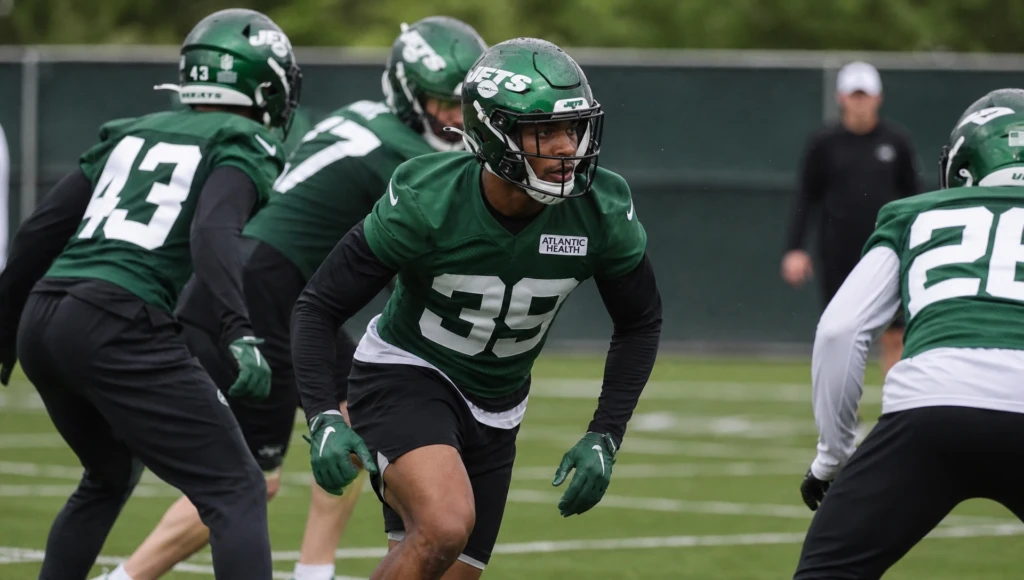
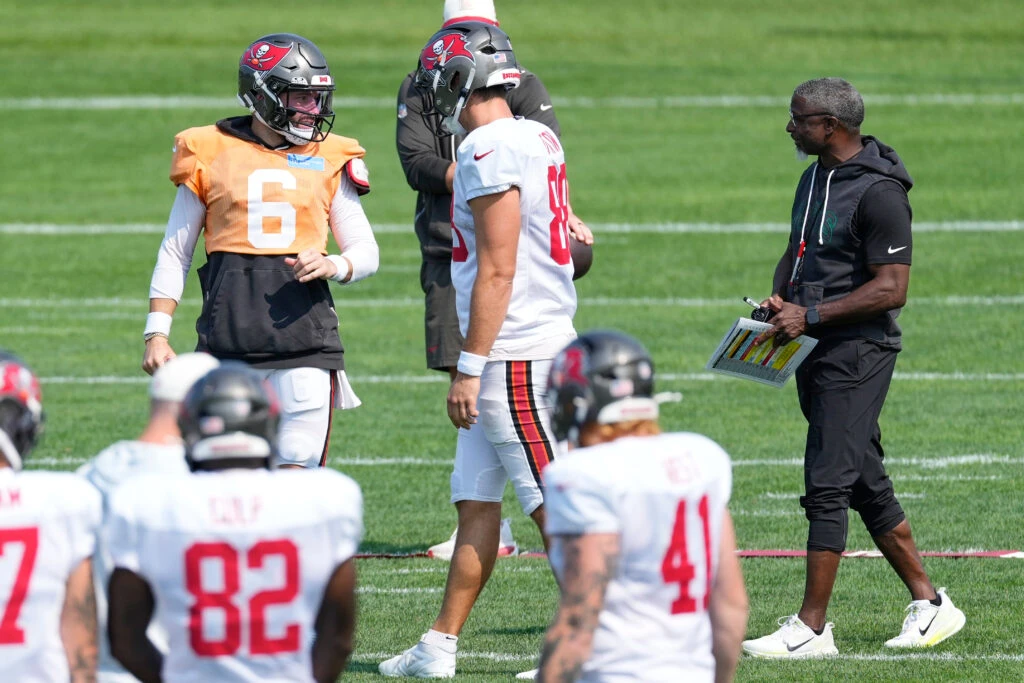
The New York Jets training camp has wrapped up its final sessions, revealing significant shifts in how head coach Aaron Glenn approaches his second season with the franchise.
After navigating a challenging inaugural year that saw the team finish with a disappointing record, Glenn has made notable adjustments to his coaching philosophy and roster management. The changes observed during these practice sessions offer insight into how the organization plans to reverse its fortunes and end the longest active playoff drought in professional football.
Why Aaron Glenn’s Controversial Training Decision Has Everyone Talking
Aaron Glenn has made a decisive break from traditional football training methods by eliminating live tackling drills from practice sessions. This represents a significant philosophical shift for a coach who built his reputation on defensive intensity during his tenure with the Detroit Lions. Instead of full-contact tackling, Glenn has implemented what coaches call thud tackling, where defenders wrap up ball carriers without bringing them to the ground.
The reasoning behind this approach centers on injury prevention and technical refinement rather than physical dominance. Glenn inherited a Jets roster that struggled mightily over the previous eight seasons, posting a combined winning percentage of just .311 from 2016 through 2024. By preserving player health during practice, he aims to keep his best athletes available for actual games while simultaneously emphasizing proper tackling form and body positioning.
This modern approach to load management reflects Glenn’s willingness to blend new-school sports science with his old-school coaching principles. Big ships turn slow “Aaron Glenn” when discussing organizational change. The Jets organization appears committed to supporting these methodological changes as they seek to build sustainable success rather than quick fixes that have failed in previous seasons.
The Rookie Who’s Already Being Compared to Sauce Gardner (And Why That Might Be Premature)
Defensive end David Bailey, selected with the second overall pick in the draft, has generated considerable excitement throughout training camp with his exceptional athletic profile. Observers have noted his elite speed off the edge and the confidence he displays despite being new to professional football.
The comparisons to Sauce Gardner, who became an immediate defensive star for the Jets in 2022 with 72 total tackles and 18 passes defended, reflect the high expectations surrounding Bailey’s potential impact.
However, these early assessments come with important caveats that temper the enthusiasm. Gardner played cornerback, a position where rookies can make immediate impacts through coverage skills and ball awareness.
Edge rushers typically face a steeper learning curve as they adjust to the speed and sophistication of NFL offensive line play. Bailey’s physical tools are undeniable, but translating those attributes into consistent production requires time and experience.
The Jets desperately need Bailey to develop quickly given their defensive struggles in recent years. The franchise became the first team since 1933 to finish a regular season without recording a single defensive interception during Glenn’s first year.
Bailey represents hope for a defensive resurgence, but the organization must balance optimism with realistic expectations about his developmental timeline as he transitions from college competition to facing professional offensive tackles.
Geno Smith’s Mechanics Look Perfect—So Why Does One Problem Keep Haunting Him?
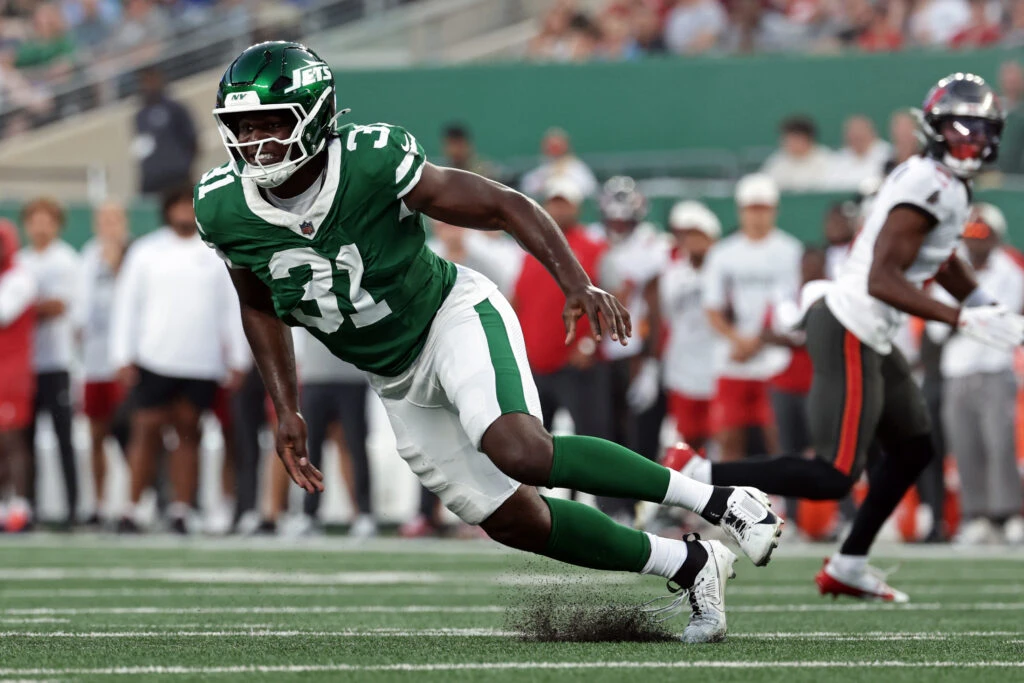
Veteran quarterback Geno Smith has impressed coaches and observers with his throwing mechanics during training camp sessions. At 35 years old, Smith displays the kind of technical precision that comes from years of professional experience and dedicated refinement of his craft. His footwork remains clean, his release point stays consistent, and his ball placement shows the accuracy that produced a 67.4 completion percentage with 327 completions on 483 attempts.
Despite these mechanical advantages and a respectable 84.7 passer rating, Smith continues to struggle with interceptions, a problem that has followed him throughout his career.
The disconnect between pristine throwing form and poor decision-making represents one of football’s most frustrating paradoxes. Smith possesses the physical tools to execute at a high level, yet his tendency to force throws into coverage or misread defensive schemes undermines his technical proficiency.
This persistent issue raises questions about whether Smith can serve as a reliable starter or if his role should be limited to backup duties. The Jets need consistent quarterback play to compete in the AFC East, where they have won the division only twice since the AFL-NFL merger in 1970. Smith’s camp performance suggests he can make all the necessary throws, but his interception problems indicate that mechanical excellence alone cannot guarantee success at the most important position in football.
The Fourth-Round Pick Nobody’s Talking About (But Should Be)
While David Bailey commands attention as a high draft pick, fourth-round selection Darrell Jackson Jr. has quietly emerged as one of the most impressive defensive linemen in camp.
Jackson’s consistent performance in practice drills and scrimmage situations has caught the attention of coaching staff members who value production over draft pedigree. His ability to penetrate offensive lines and disrupt plays suggests he could contribute immediately despite being selected much later than other defensive prospects.
The Jets also invested a fourth-round pick in quarterback Cade Klubnik, and the organization has expressed surprising confidence in his readiness to serve as the backup signal-caller.
Klubnik’s presence provides insurance behind the starting quarterback while also representing potential future value if he develops as hoped. The willingness to trust a fourth-round rookie in such an important backup role indicates either strong belief in his abilities or concerns about other options on the roster.
These mid-round selections often determine whether draft classes succeed or fail beyond the headline-grabbing early picks. Jackson and Klubnik represent the kind of value discoveries that successful franchises consistently make, finding productive players after the first round concludes. Their development throughout the season will significantly impact whether Glenn’s second year shows meaningful improvement over the disappointing three-win campaign that marked his debut as Jets head coach.
What Antoine Fitzpatrick’s New Role Reveals About Glenn’s Master Plan
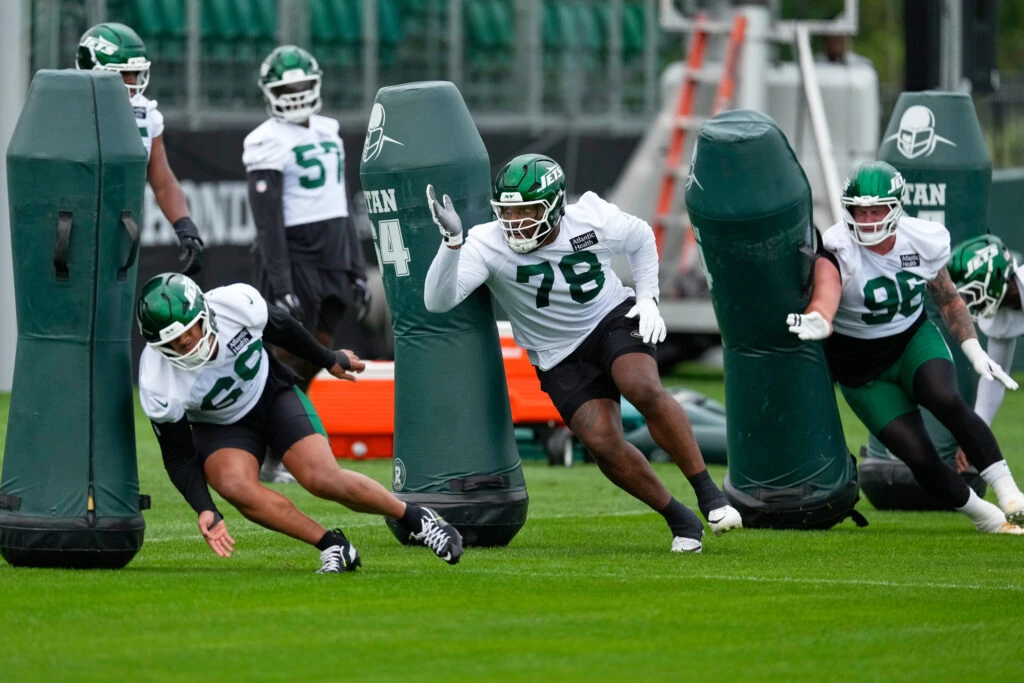
Former All-Pro safety Antoine Fitzpatrick has been deployed in a versatile, multi-position role that mirrors how the Baltimore Ravens utilize Kyle Hamilton.
This strategic decision reflects Glenn’s desire to maximize the impact of his most talented defensive players by moving them around the formation rather than confining them to traditional positions. Fitzpatrick’s athleticism and football intelligence make him ideal for this hybrid role that requires reading offenses and adjusting responsibilities based on game situations.
The defensive scheme Glenn has implemented emphasizes aggressive play-calling with high rates of man-to-man coverage and frequent blitzing.
This approach requires defensive backs who can win individual matchups without safety help over the top, placing tremendous pressure on cornerbacks and versatile players like Fitzpatrick. The strategy represents a calculated risk that prioritizes creating turnovers and negative plays even if it occasionally allows big gains when coverage breaks down.
Wide receiver Isaiah Williams has emerged as the most improved player in camp, excelling in both return duties with 1,674 kick return yards and 792 punt return yards, and receiving roles where he hauled in 52 receptions for 386 yards. His development provides offensive balance that the defense needs to complement its aggressive approach.
As training camp concludes Tuesday and the preseason finale against the New York Giants approaches Friday, these strategic elements reveal Glenn’s comprehensive vision for transforming a franchise that hasn’t reached the playoffs since 2010 and, as Fox News reported, holds the longest active postseason drought among major North American professional sports teams.