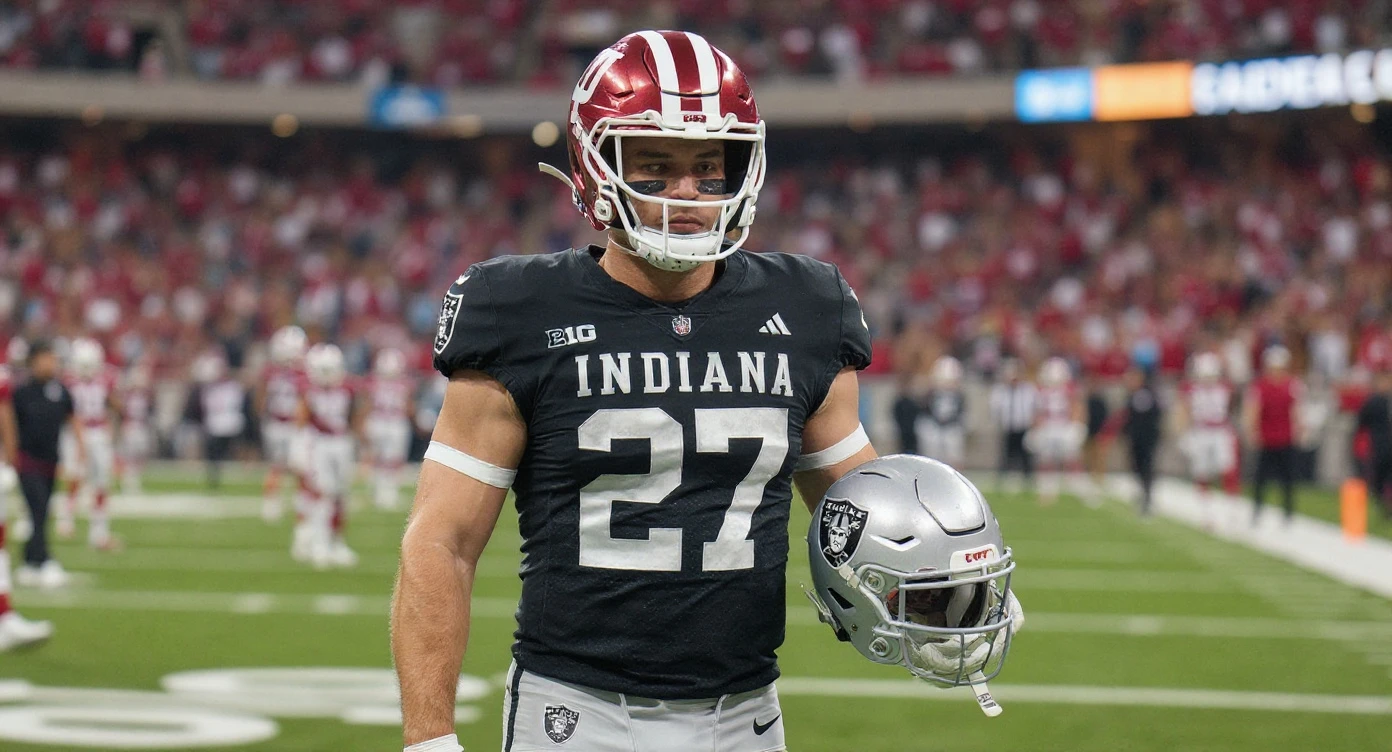
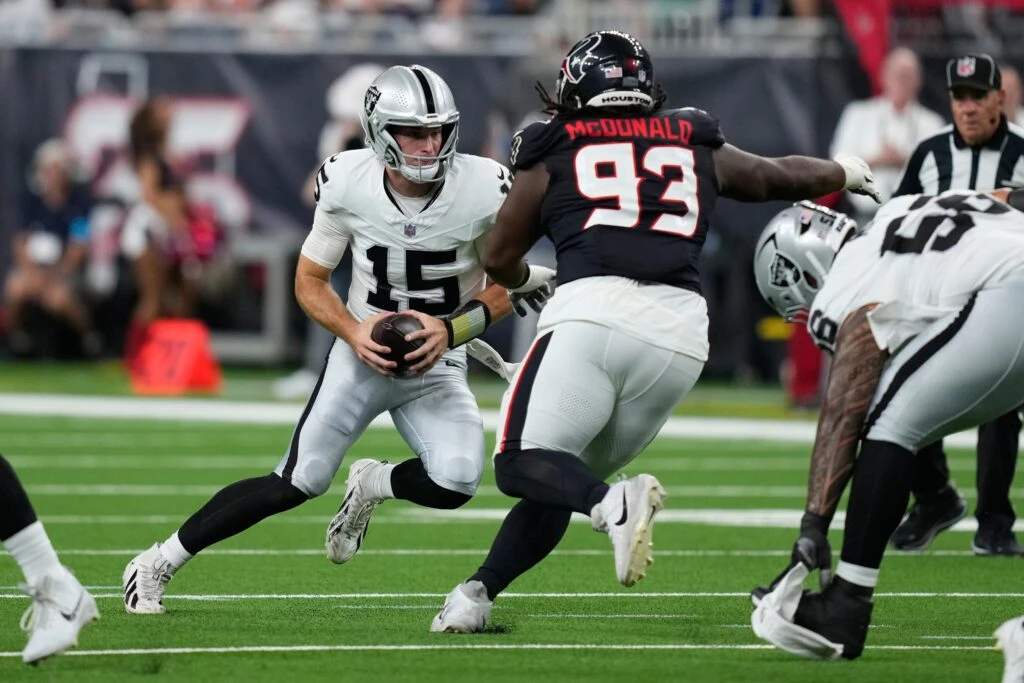
Fernando Mendoza’s debut was electric—a 6-yard TD pass to Jack Bech that made him the first No. 1 overall pick since Baker Mayfield in 2018 to score in his first preseason appearance. He completed 10 of 16 passes for 97 yards across four series, leading one scoring drive that impressed Raiders coach Klint Kubiak.
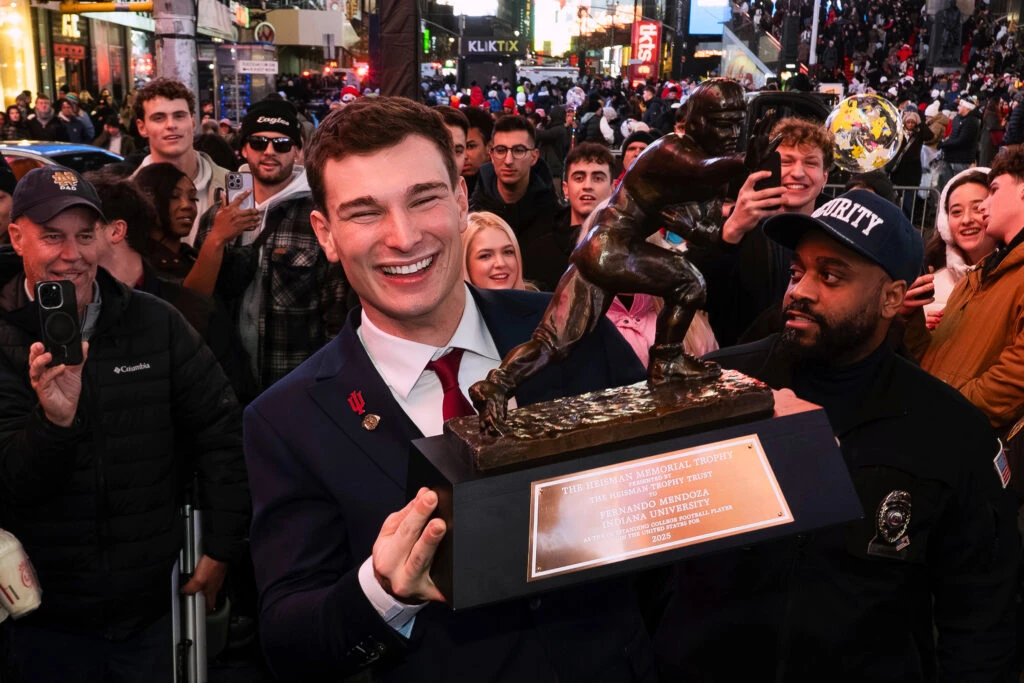
His immediate professional entry capped a historic college trajectory: Mendoza became the first player in Indiana school history to win the Heisman Trophy, the school noted, leading the Hoosiers to a national championship in the 2025 season while earning AP College Football Player of the Year honors, as Fox News reported.
Yet his follow-up performance against the Texans tells a starkly different story. While contemporaries like Ty Simpson posted eye-catching statistics—21 of 25 completions for 190 yards and two touchdowns with a 125.0 passer rating in his debut—Mendoza’s opening efficiency ranked solidly among early standouts, suggesting genuine promise that would soon be tested. The contrast between his opening night and game two is impossible to ignore.
Where his debut showed composure and accuracy, his second outing exposed fundamental issues that preseason highlights can obscure. The Heisman Trophy winner struggled with consistency and decision-making in ways that directly contradicted the promise of his first appearance. What happened between those two games reveals something uncomfortable about NFL transitions: prospects who dominate at the college level often encounter a harsh reality when they step onto an NFL field.
The Preseason Paradox: Why His Best Night Masked Bigger Problems
Mendoza’s impressive first-game statistics—10 completions on 16 attempts, 97 yards, and a touchdown—looked solid on paper. Yet the Heisman winner immediately showed self-awareness that few rookies possess, flagging timing and anticipation issues that the box score couldn’t capture.
Coach Klint Kubiak praised his command of the offense, and such endorsements matter in quarterback evaluation across the 2026 rookie landscape. Comparisons to other 2026 rookie QBs offer revealing context: while Drew Allar impressed Pittsburgh with 10 of 13 completions, 153 yards, and three total touchdowns, scouts noted similar concerns about decision-making under pressure. The film told a different story—one where technique and rhythm problems regularly disrupted otherwise competent plays.
The Timing Problem That No Hype Can Fix
Mendoza’s own admission about timing issues cuts directly to the core of his transition struggle from college to the NFL. Throughout his college career, elite athleticism and arm talent compensated for rhythm and anticipation gaps. Defenders moved more slowly, coverages operated less inventively, and the window for mistakes expanded considerably. In the NFL, that luxury vanishes instantly.
Defenses at the professional level exploit hesitation the moment they detect it. A quarterback who waits half a heartbeat too long to release gives cornerbacks time to close on receivers.
That same hesitation allows pass rushers to collapse the pocket faster. Mendoza’s game-two performance against Houston wasn’t random—the struggles were predictable breakdowns of identical issues he himself identified after his debut.
Does Vegas Have the Right Coach to Fix This?
Klint Kubiak’s confidence in Mendoza’s grasp of the offensive system carries both promise and uncertainty. Praise from a coaching staff can mask deeper concerns, particularly when evaluating a prospect in limited preseason situations.
The question beneath the surface isn’t whether Mendoza possesses talent—his Heisman credential and draft position already confirm that. The real question involves whether the Raiders’ coaching infrastructure can narrow the gap between college star and NFL starter before regular-season pressure mounts.
Context from comparable coaching situations across the 2026 rookie QB landscape reveals mixed results. Coaches like Mike McCarthy showed confidence in quarterback development and decision-making, yet such endorsements carry caveats about the extended timeline needed for true integration.