
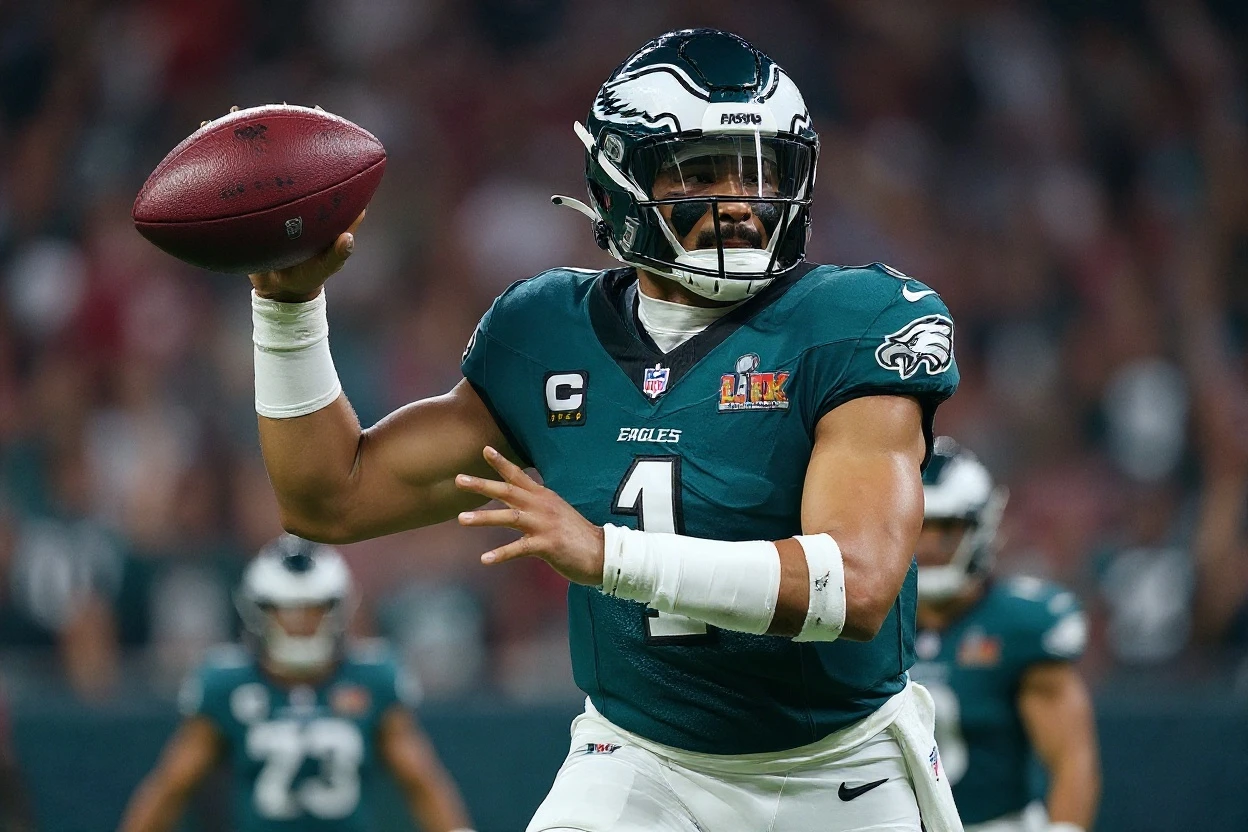
The Philadelphia Eagles led the Dallas Cowboys 21-0 early in the second quarter on November 23, 2025, and still lost 24-21 when Brandon Aubrey hit a 42-yard field goal as time expired at AT&T Stadium in Week 12. It was a result with real historical weight: according to the Associated Press, Philadelphia had not lost a game it led by at least 21 points since a 25-24 defeat to Arizona in 1999.

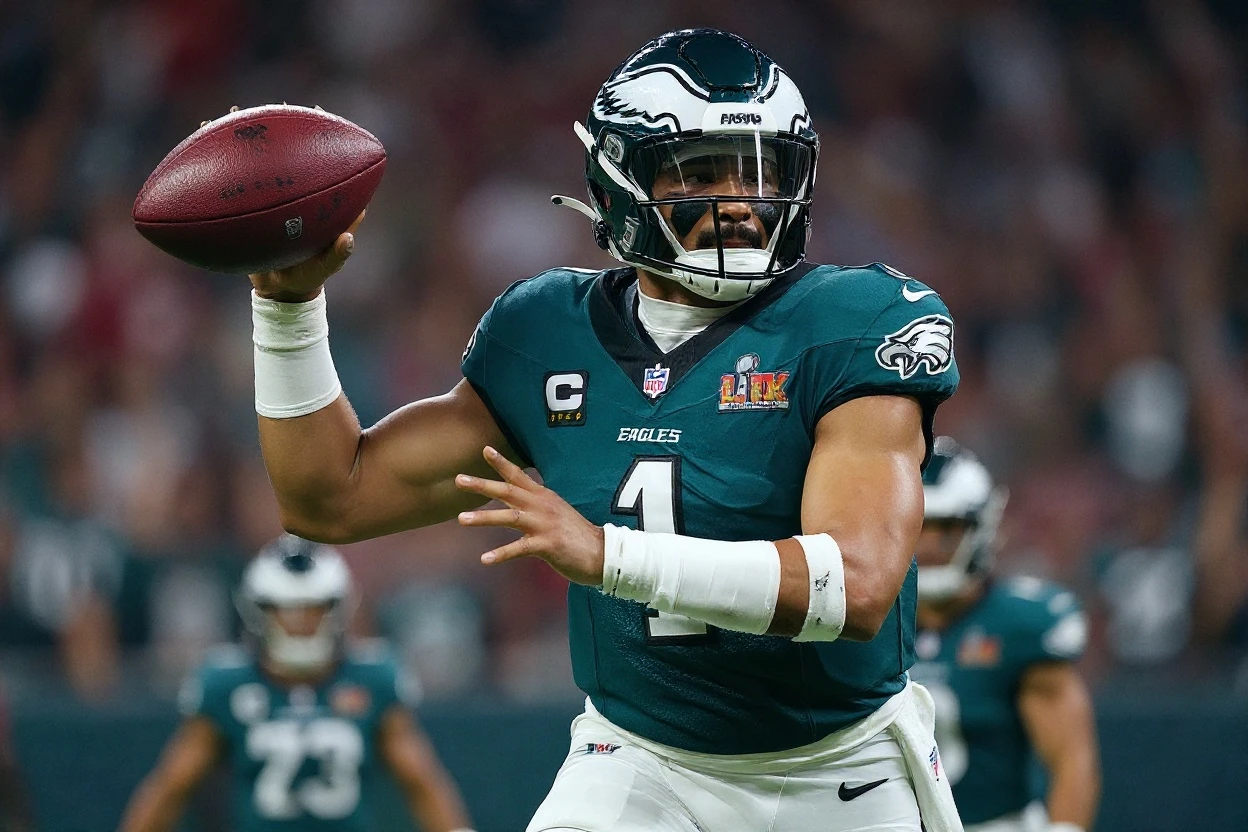
The Eagles arrived in Arlington as defending Super Bowl champions with an 8-2 record. They left at 8-3, having given up 24 unanswered points to a Cowboys team that improved to 5-5-1. For Dallas, it was the first win after trailing by three touchdowns since a 34-31 victory over the Rams in 2014, and ESPN noted the comeback tied the franchise record for the largest in team history. Ten months on, the game reads differently than it did that Sunday night. It was the first of three straight Eagles losses, a slump that exposed the offensive problems that eventually ended their season in January.
The Collapse: How the Eagles Squandered a 21-Point Lead
A Tale of Two Halves: From Dominance to Disaster
As the Eagles stalled, Dak Prescott produced one of the defining games of his career. He threw for 354 yards and two touchdowns, ran for the tying score on an 8-yard dive early in the fourth quarter, and led the final drive to Aubrey’s winning kick, per the AP. Along the way he passed Tony Romo as the Cowboys’ career passing leader. Prescott finished the day with 34,378 yards to Romo’s 34,183, breaking the mark on a 9-yard throw to George Pickens on his first pass of the second half. He also led his 25th winning drive when tied or trailing in the fourth quarter or overtime, breaking a tie with Romo for the franchise lead. When teammates tried to congratulate him on the yardage record mid-game, Prescott told them to “save it for the win.” Prescott’s late-game reputation has been debated for years. On a day Dallas trailed by three scores against the league’s reigning champion, he answered that debate about as directly as a quarterback can.
Costly Mistakes: Fumbles and Flags Fuel Cowboys’ Comeback
No single play decided this game. It turned on a run of self-inflicted errors, first by Dallas and then by Philadelphia. The Cowboys made the early mistakes: two penalties extended the Eagles’ second touchdown drive, and a Tyler Guyton false start from the 1-yard line preceded a Prescott interception in the end zone that kept the score 21-0. The Eagles made the late ones, the AP noted. Saquon Barkley lost his first fumble of the season, and Xavier Gipson fumbled a punt return inside the 10 after choosing to field the ball at the Philadelphia 2-yard line. Dallas made plenty of its own errors after halftime, too. ESPN’s list included two offensive turnovers, a missed Aubrey field goal, and a failed fourth-down try from the Eagles’ 2 with 3:46 left in a tie game. Philadelphia could not take advantage of any of them.
The Comeback: How Dallas Erased the Deficit
Once Dallas found a rhythm, the comeback came quickly. Prescott’s touchdown pass to Pickens got the Cowboys on the board, and a 48-yard catch by CeeDee Lamb set up a touchdown to tight end Brevyn Spann-Ford that made it a one-score game. Early in the fourth quarter, Prescott capped a drive with his 8-yard scoring run, and the game was tied at 21. The decisive moment came with 1:52 left, when Osa Odighizuwa sacked Hurts on third down. On the final drive, Prescott’s 24-yard completion to Pickens moved Dallas into range for Aubrey. Pickens was the Eagles’ biggest problem all afternoon, finishing with nine catches for 146 yards and a touchdown.

The Aftermath of the Eagles’ Epic Collapse
The game carried extra emotion for Dallas, as ESPN reported. It was the Cowboys’ first home game since the death of defensive end Marshawn Kneeland, and after the win Osa Odighizuwa waved a flag bearing Kneeland’s name and No. 94 in the locker room.
For Philadelphia, the loss became part of a pattern. After an 8-2 start, the Eagles lost three straight games before steadying, NFL.com reported.
The collapse did not cost them the division. A 29-18 win over Washington in Week 16 clinched back-to-back NFC East titles, making Philadelphia the division’s first repeat champion in 21 years.
The larger lesson of this game was about the Eagles’ offense once its early script ran out. Philadelphia scored 21 points in about 18 minutes and nothing over the final 42, and that pattern of long stretches without production came up again and again as the season went on.
It also ended the season. The Eagles finished 11-6 as the NFC’s No. 3 seed and lost 23-19 at home to San Francisco in the Wild Card Round, according to the team’s official site. A failed fourth-down conversion late in that game ended their bid to repeat as Super Bowl champions.
That is why this loss in Arlington matters beyond one week. With a three-score lead and a stalled offense, Philadelphia showed the same weakness on November 23 that ended its season in January.
The coaching questions it raised were fair. When a team goes from 21-0 up to a loss, its halftime adjustments come under scrutiny, and offensive coordinator Kevin Patullo’s future was one of the first offseason questions WHYY raised once the season ended.
Did the Eagles become too conservative? Did they fail to account for Dallas’s adjustments? Those are the kinds of questions that don’t have clean answers in the immediate aftermath, but they’re the ones that will define how this loss is remembered if the Eagles fall short of their postseason goals.
For Dallas, the win was a high point in an uneven year. The Cowboys finished 7-9-1, second in the NFC East, and missed the playoffs.
Still, the game holds a lasting place in Cowboys history. Prescott took the franchise passing record and led a record-tying comeback against the defending champion in the same afternoon, and that will be on Dallas highlight reels for years.
It also added another memorable chapter to the rivalry. For more on both teams, follow the latest in our NFL coverage.