College basketball has experienced an offseason unlike almost anything the sport has seen before. Between blockbuster transfers, controversial coaching returns, and legal battles threatening to rewrite NCAA eligibility rules, the road to the 2026-27 season has been anything but predictable.
For some programs, the chaos created an opportunity to assemble championship-caliber rosters almost overnight. For others, it meant losing their best players, navigating unexpected eligibility disputes, and watching carefully constructed plans unravel.
The stakes extend far beyond the upcoming season.
As player compensation reshapes recruiting, courts challenge the NCAA’s authority, and established coaches adapt to a rapidly evolving landscape, college basketball is entering a new era in which stability may be the most valuable advantage of all.
Several developments from this offseason illustrate just how dramatically the sport is changing.
The NCAA Eligibility Battle That Could Give Thousands of Athletes Another Season
One of the offseason’s biggest controversies began with a rule intended to simplify college athletics.
In June 2026, the NCAA approved a new eligibility structure allowing Division I athletes to compete in five seasons within a five-year period, replacing the traditional system that generally permitted four seasons of competition over five years.
However, the transition created an unexpected problem.
Many athletes who graduated high school in 2022 and had already completed four competitive seasons were excluded from receiving an additional year of eligibility.
The distinction sparked legal challenges from players who argued that the new rules treated athletes in similar circumstances differently.
What initially appeared to be a technical disagreement quickly developed into a much larger dispute over the NCAA’s authority to determine when an athlete’s college career must end.
In July, a federal judge granted preliminary relief that could have allowed affected athletes to compete for another season. An appeals court subsequently paused that ruling, leaving individual lawsuits and state court decisions to determine eligibility in some cases.
The consequences have extended directly into roster planning.
Coaches face uncertainty over whether experienced players can return, while athletes must make decisions about transferring, pursuing professional opportunities, or continuing legal challenges without knowing how their eligibility will ultimately be resolved.
The situation became even more complicated in October when Ohio Governor Mike DeWine signed an executive order allowing colleges in his state to offer a fifth season to certain athletes from the 2022 graduating class.
The move highlighted a growing conflict between national NCAA regulations and individual state actions.
For college basketball, the larger question is no longer simply who can play this season.
It is whether the NCAA can maintain a consistent eligibility system when courts and state governments increasingly influence who is allowed onto the court.
Why College Basketball’s Coaching Landscape Is Changing Faster Than Ever
The transformation extends beyond players and eligibility rules.
For years, the NBA represented the natural next step for successful college basketball coaches. Today, the relationship between college and professional basketball is becoming more complicated.
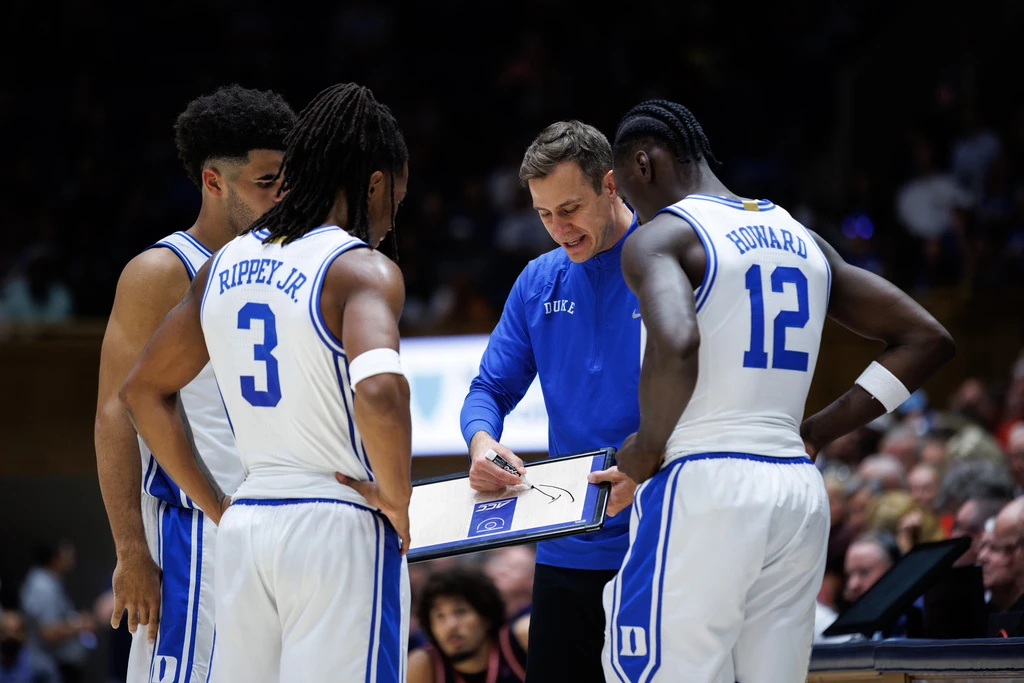
At programs such as Duke and Florida, coaches Jon Scheyer and Todd Golden operate in an environment that offers opportunities unavailable to previous generations of college coaches.
Player compensation, the transfer portal, and expanded roster-building flexibility have fundamentally altered how quickly a successful program can reload.
Instead of depending almost entirely on high school recruiting and several years of player development, coaches can pursue established college performers capable of making an immediate impact.
For Scheyer, that flexibility helps Duke remain competitive despite the annual challenge of losing talented players to the NBA.
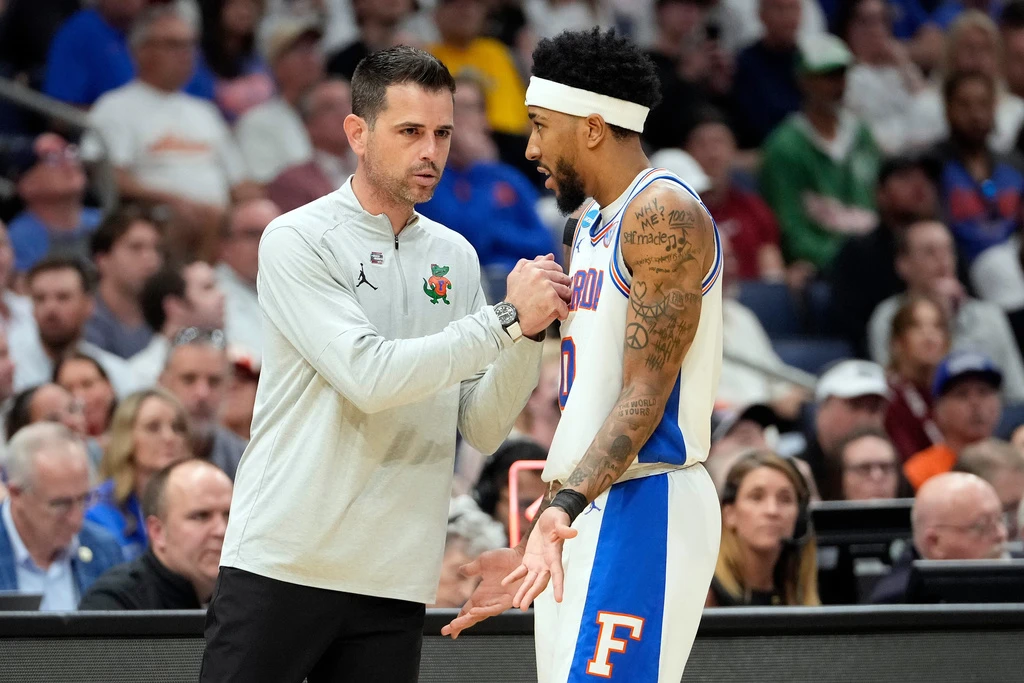
At Florida, Golden’s success has demonstrated how a clear system, strong player development, and effective roster construction can elevate a program into national championship contention.
Yet these new advantages come with significant pressure.
Coaches must now operate as recruiters, roster managers, talent evaluators, and program builders in a system where players have more opportunities to move between schools.
The ability to retain established talent has become nearly as important as attracting it.
And with greater flexibility comes greater accountability. Programs that struggle to adapt can quickly fall behind rivals capable of rebuilding their entire roster in a single offseason.
Texas and St. John’s Show How Quickly a Roster Can Be Rebuilt
Few developments better illustrate the modern college basketball landscape than the roster transformations undertaken by Texas and St. John’s.
At Texas, head coach Sean Miller entered the offseason facing the challenge of building a competitive team around a dramatically changing roster.
Rather than relying exclusively on incoming freshmen, Miller pursued a combination of experienced transfers, promising young players, and returning contributors.
The additions of Colorado guard Isaiah Johnson and TCU forward David Punch provided proven collegiate production, while returning center Matas Vokietaitis offered an established presence around the basket.
Incoming freshman Austin Goosby added another important piece to the Longhorns’ long-term plans.
The approach demonstrated how modern programs can combine immediate needs with future development rather than choosing between the two.
At St. John’s, Rick Pitino faced a similar challenge: maintaining high expectations while adapting to significant roster turnover.
Pitino’s emphasis on recruiting, defensive intensity, and building a cohesive team remains central to his approach, but the transfer portal provides another avenue for finding players capable of contributing immediately.
There is, however, an important distinction between assembling a talented roster and building a winning basketball team.
Transfers arrive with different playing styles, expectations, and experiences. Coaches must establish chemistry quickly, often with limited preparation time before meaningful games begin.
That challenge could ultimately determine whether aggressive offseason roster construction produces championship contenders or disappointing teams that never fulfill their potential.
Duke’s John Blackwell Transfer Reveals the New Reality for Successful Programs
While some programs benefited from the transfer portal, others experienced its more difficult consequences.
Wisconsin offered one of the clearest examples.
Coming off a 24-win campaign, the Badgers watched standout guard John Blackwell transfer to Duke after an impressive 2025-26 season.
Blackwell averaged 19.1 points, 5.1 rebounds, and 2.3 assists per game, establishing himself as one of the Big Ten’s most productive offensive players.
His departure represented more than the loss of a talented scorer.
For Wisconsin, it meant replacing a foundational player who had developed within the program and emerged as one of its primary offensive options.
For Duke, it represented an opportunity to add a proven performer without waiting for another high school prospect to adjust to college basketball.
Blackwell’s transfer illustrates an increasingly important reality: even winning programs cannot assume their best players will remain.
The combination of financial opportunities, championship aspirations, coaching relationships, and individual development goals can make transferring attractive even to athletes already succeeding at their current schools.
As a result, the traditional distinction between rebuilding programs and established contenders has become less predictable.
A successful season no longer guarantees roster continuity, while one productive offseason can dramatically change a team’s competitive outlook.
Will Wade’s Stunning Return to LSU Raises Questions About College Basketball’s Priorities
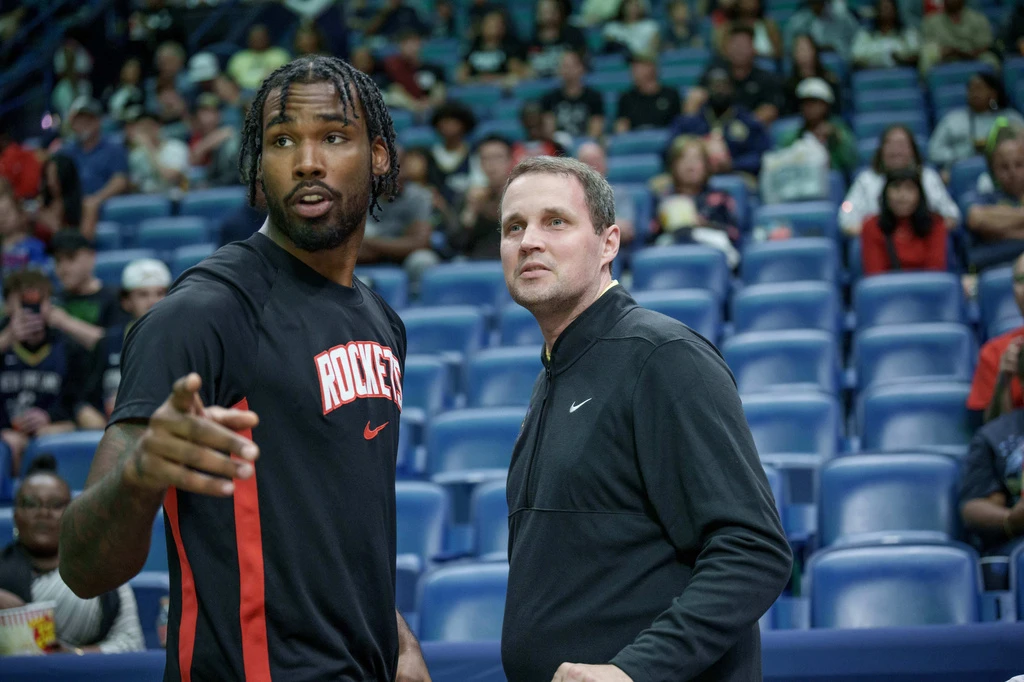
Perhaps no coaching decision captured the changing culture of college basketball more dramatically than Will Wade’s return to LSU.
In March 2026, LSU announced that Wade would return as head coach, four years after the school fired him amid a high-profile NCAA investigation.
His previous tenure ended in 2022 following allegations involving recruiting violations and improper benefits, bringing a controversial conclusion to a period that had included an SEC regular-season championship.
After leaving Baton Rouge, Wade rebuilt his coaching career with successful stops at McNeese and NC State.
His return to LSU was therefore significant for reasons extending beyond basketball results.
It highlighted how rapidly expectations surrounding recruiting, athlete compensation, and NCAA enforcement have changed.
Practices that once generated intense scrutiny now exist alongside a system where financial compensation and player movement are established components of college athletics, although recruiting rules and other restrictions still apply.
That shift does not erase previous allegations or eliminate questions about accountability.
Instead, Wade’s return raises a more complicated issue: how should universities evaluate coaching controversies from an earlier regulatory era while operating under a fundamentally different system?
On the basketball side, Wade has moved quickly to reconstruct the Tigers’ roster.
The additions of experienced players, including Abdi Bashir Jr. and Mouhamed Dioubate, demonstrate his intention to make LSU competitive without a prolonged rebuilding period.
But the Tigers face familiar challenges.
Newcomers must develop chemistry, eligibility questions must be addressed, and the coaching staff must translate offseason momentum into consistent results.
For LSU, bringing Wade back represents a bet that his ability to win outweighs the concerns surrounding his previous departure.
For the sport, the decision serves as another reminder that college basketball’s competitive priorities and regulatory environment are evolving at extraordinary speed.
The Bigger Question: Is College Basketball Becoming a Year-Round Free Agency System?
Taken together, these developments reveal a sport that looks increasingly different from the college basketball landscape of even five years ago.
The transfer portal has made it easier for programs to pursue experienced talent, while player compensation has added another significant factor to recruiting and retention.
At the same time, eligibility lawsuits have introduced uncertainty over how long athletes can remain in college competition.
These changes have created opportunities for players who previously had fewer choices about their athletic careers.
But they have also introduced challenges for coaches, athletic departments, and fans who once expected greater continuity from season to season.
Programs now face a delicate balance between investing in young talent and pursuing established transfers who can deliver immediate results.
A highly regarded recruiting class may offer long-term promise, but an experienced transfer group could provide a faster route to tournament success.
Neither strategy guarantees victory.
The programs that succeed will likely be those that combine resources with effective scouting, player development, roster management, and a clear basketball identity.
Money and opportunity can attract talent. Turning that talent into a cohesive team remains a fundamentally different challenge.
What This Unprecedented Offseason Means for the Future
The significance of the 2026 offseason may ultimately extend well beyond the teams that emerge as championship contenders.
The eligibility battles could establish important precedents for the NCAA’s relationship with athletes and the courts. Major transfers could accelerate changes in how schools allocate resources. And controversial coaching decisions could reshape expectations surrounding accountability and program leadership.
For fans, the immediate result is an unpredictable season filled with new faces, rebuilt rosters, and intriguing questions about which programs have adapted most successfully.
But beneath the excitement sits a more consequential transformation.
College basketball is moving toward a model in which roster construction never truly stops, athletes have greater freedom to pursue opportunities, and traditional assumptions about recruiting and program stability no longer consistently apply.
The teams that dominate the next decade may not simply be those with the strongest recruiting reputations or the most established histories.
They may be the programs that learn to thrive in a system where change is constant.
And when the story of this era is eventually written, the 2026 offseason could stand as one of the moments when college basketball’s future began to take a dramatically different shape.