Play-Action Falters: The Real Cause of Kansas City’s 2025 Offensive Collapse
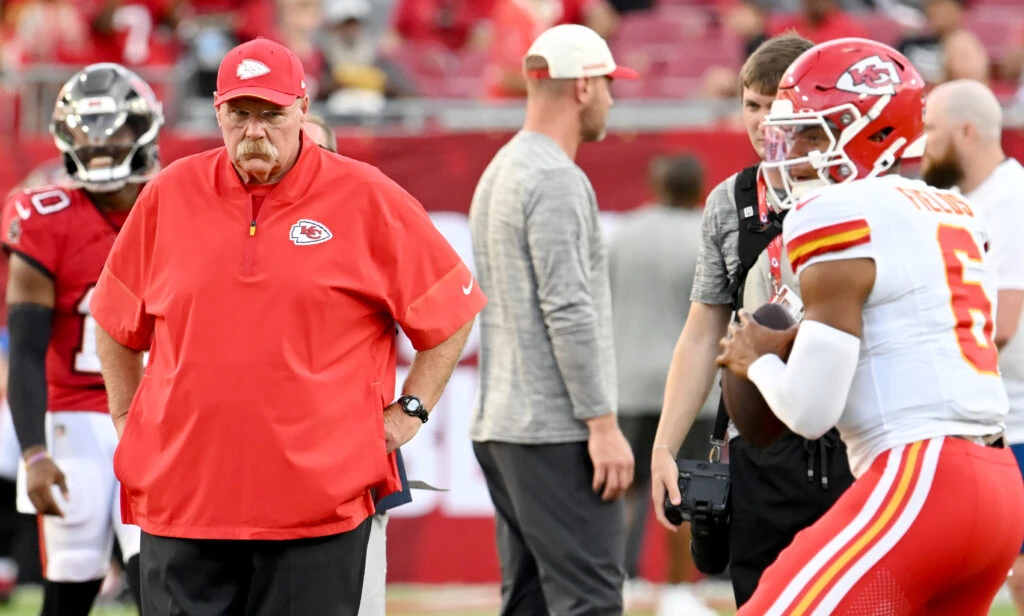
The Chiefs’ 2025 collapse ran deeper than execution errors or bad luck. Kansas City ran play-action on 178 snaps, seventh most in the league, according to ESPN Research cited by ESPN. Those snaps produced just 977 passing yards (20th in the NFL), nine sacks and only three touchdowns. The film explained why. Opposing defenses had stopped respecting Kansas City’s run game, which made the fake handoff close to useless. When linebackers and safeties refuse to bite, play-action loses its entire advantage. If you watch the level two defenders, the linebackers and or a safety coming up in the box, if we’re selling a play-action and those guys are dropping [into coverage], they’re not honoring the run game. There’s something that they’re seeing and not respecting. noted Andy Reid, revealing how thoroughly opponents had figured out their approach. Reid was blunter about the results in the same ESPN story: “We look at the production of it. What are you getting out of it [on film]? You might as well just dropback and forget about the play-action.” Those second-level defenders kept dropping into coverage instead of stepping up against the run. That diagnosis shaped everything Kansas City did in the offseason. 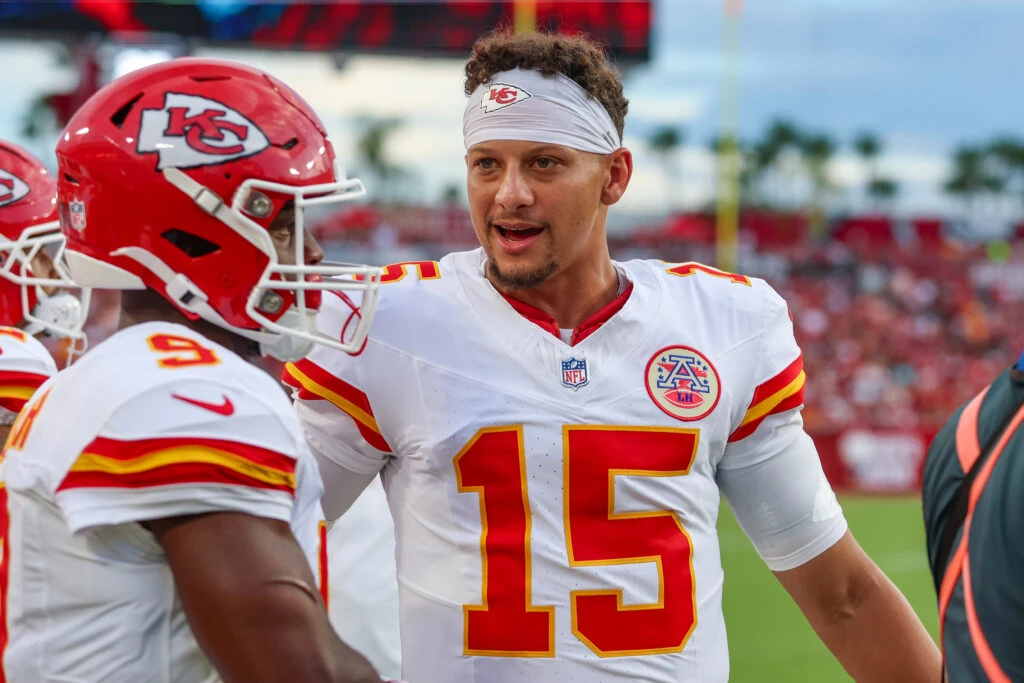
Back Under Center: What Patrick Mahomes Changed This Offseason
Patrick Mahomes spent much of training camp working on something that looks basic but could reshape the Chiefs’ offense: taking snaps under center. Mahomes completed 315 of 502 passes for 3,587 yards, 22 touchdowns and 11 interceptions in 14 games in 2025, according to NFL.com. He was also sacked 34 times. ESPN reported that the staff installed more under-center plays in camp, a shift away from the shotgun looks that dominate modern NFL offenses. Working under center allows for more convincing play-action fakes and better angles for the run game. It also forces defenses to respect a handoff in ways shotgun formations struggle to match. The under-center work feeds a specific wrinkle. According to ESPN, Reid plans concepts that show a play-action fake and then throw a screen to the running back. That gives linebackers who finally bite on the fake a new problem. Small details like these decide whether a defender steps forward or drops into coverage.
The Kenneth Walker III Factor: Why Defenses Can’t Ignore the Run Anymore
Kansas City’s biggest offseason move came in March 2026: running back Kenneth Walker III. He signed a three-year deal worth up to $45 million, with $28.7 million guaranteed, per NFL.com. Walker arrived as the Super Bowl LX MVP after rushing for 135 yards against the New England Patriots, according to Chiefs.com. Walker gives the Chiefs a run threat that forces linebackers and safeties to honor the handoff, something they rarely did in 2025. With the Seattle Seahawks last season, he ran 221 times for 1,027 yards and five touchdowns, according to NFL.com. He also adds value as a receiver, catching 31 passes for 282 yards in 2025. That versatility makes it harder for defenses to key on personnel packages. Walker prefers running from under center, and the staff built more of those looks into the playbook, NBC Sports reported. Pairing him with Mahomes’ camp work is the core of the plan. When defenses must respect a Walker handoff, second-level defenders have to step forward. That opens intermediate and deep passing lanes that stayed clogged throughout 2025. 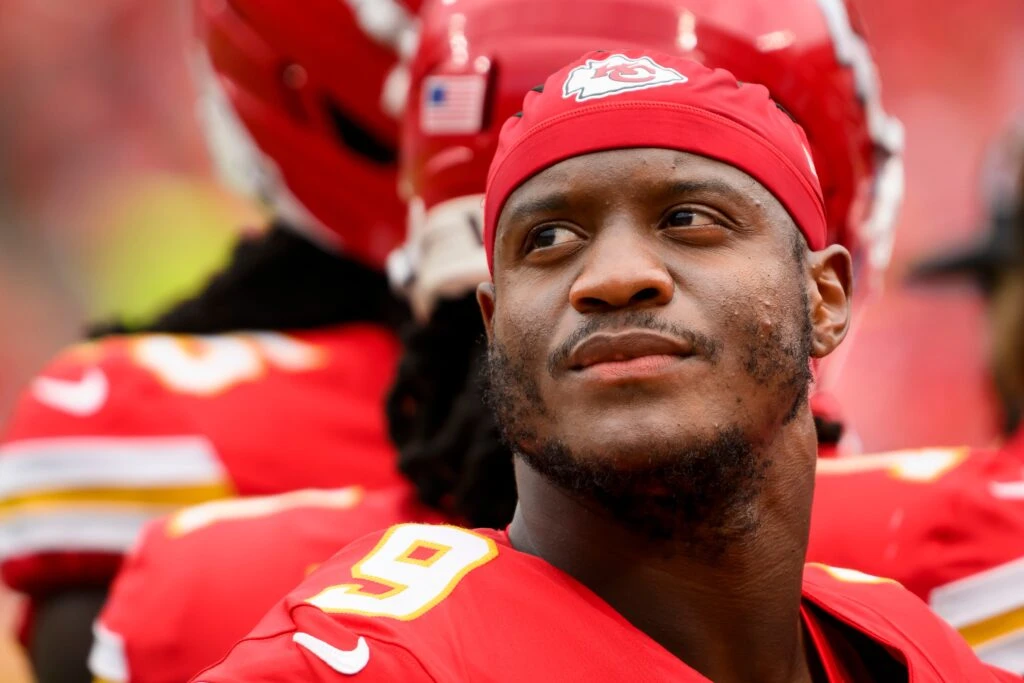
Inside Andy Reid’s Play-Action Blueprint for 2026
Reid and offensive coordinator Eric Bieniemy built a play-action plan that goes beyond adding personnel. The goal is to unsettle defenders who had grown comfortable reading Kansas City’s tendencies. The fake-to-screen concepts ESPN described are one example: show the run, then punish the defenders who react to it. The pass catchers carry their own questions from 2025. Travis Kelce, back on a one-year contract, caught 76 passes for 851 yards and five touchdowns, per NFL.com. Xavier Worthy managed 42 catches for 532 yards and one touchdown while playing through a shoulder injury, according to Fox Sports. The philosophy centers on forcing defenses into bad choices. If linebackers and safeties commit to Walker, the passing lanes open. If they keep dropping into coverage as they did throughout 2025, Walker should find running room the previous backfield never had. The approach applies Reid’s decades of offensive experience to one specific problem.
Chiefs Seize a 3-0 Start—But the Unbeaten Raiders Come Next
Three weeks in, the plan has produced results. Kansas City beat Denver 31-10, edged Indianapolis 33-30 in overtime and won 24-10 at Miami. Walker sits at the center of it. He leads the NFL with 360 rushing yards through three weeks and was named AFC Offensive Player of the Month for September. Against Miami, Mahomes completed 20 of 24 passes for 246 yards and two touchdowns with one interception, according to the Associated Press recap on ESPN. Walker scored on a run and a 5-yard touchdown pass. Reid kept it measured afterward: “We’ve got plenty of things to work on, but it’s great to be 3-0.” The turnaround stands out because Kansas City finished 2025 6-11 and missed the playoffs. That was the first losing season of the Andy Reid-Patrick Mahomes era. Reid was hired as head coach in 2013. Mahomes’ torn ACL and LCL in Week 15 against the Los Angeles Chargers deepened that collapse, but the offensive issues showed up well before it. Three games is a small sample, and Reid wants to trim Walker’s workload “a little bit,” according to ESPN. Week 4 at Las Vegas, also 3-0, offers the next test of whether defenses can adjust. Whether the fix holds over a full season remains open. The early evidence suggests Kansas City diagnosed the right problem.