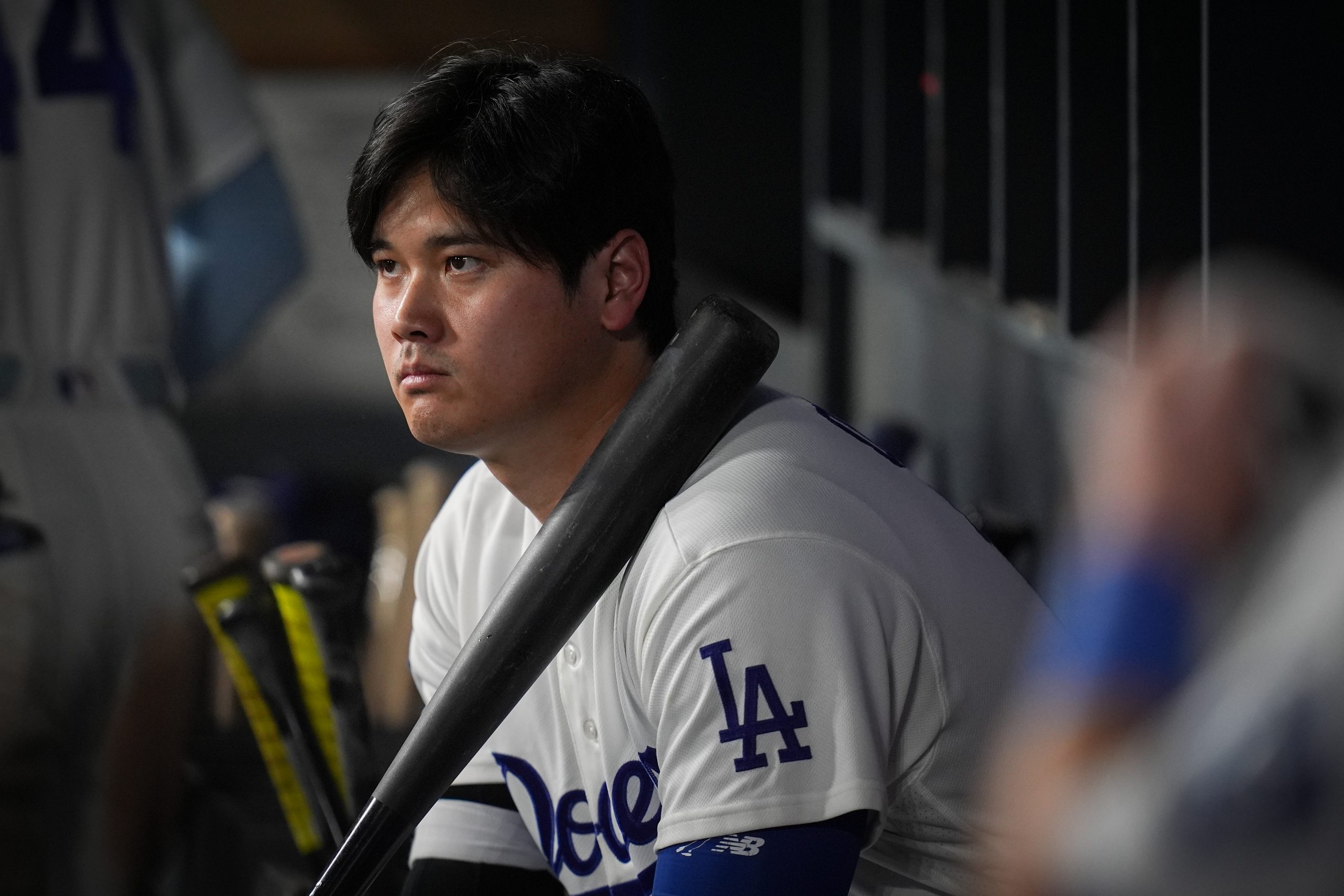
Shohei Ohtani is expected to return to the mound for the Los Angeles Dodgers in 2027 without undergoing surgery this offseason, according to president of baseball operations Andrew Friedman.
The update provides clarity after Ohtani finished the 2026 season while managing injuries to his left knee and right biceps. It also changes the Dodgers’ immediate offseason challenge. Instead of preparing Ohtani for another surgical rehabilitation, the organization must determine how to structure his two-way workload so he can remain effective for an entire season.
Friedman said surgery was “not on the table” after Ohtani underwent a post-season medical assessment. He also offered a direct answer about the team’s pitching plans: “I fully expect him to pitch next year.”
The Dodgers summarized the announcement in an official video published October 21, confirming that Ohtani is not expected to need offseason surgery and is projected to resume pitching next season. A precise throwing schedule, however, has not been announced.
That distinction matters. Avoiding surgery removes one potential obstacle, but it does not guarantee that Ohtani will follow a normal spring-training progression or begin the season in the rotation. His recovery, conditioning and workload will still have to be evaluated throughout the offseason.
A Dominant Start Interrupted by Two Injuries
Ohtani’s abbreviated pitching season was exceptional while it lasted. According to his official MLB statistics, he went 8-2 with a 1.79 ERA and a 0.95 WHIP in 14 starts. He struck out 95 batters across 85⅔ innings.
Those numbers illustrated what the Dodgers gained when Ohtani was healthy enough to contribute in both roles. He provided top-of-the-rotation production while remaining one of the most important hitters in the lineup.
The physical problems did not emerge simultaneously. MLB reported that Ohtani’s left knee first became an issue during a June 11 game in Pittsburgh. He continued playing before receiving an Orthovisc injection during the All-Star break, when the knee problem also caused him to miss the All-Star Game.
Although the Dodgers initially hoped the treatment would allow him to resume pitching, Ohtani never made another regular-season start after July 3. His throwing progression was subsequently complicated by discomfort in his right biceps as well as the continuing knee problem.
That timeline corrects the impression that both injuries suddenly appeared in early July. The knee condition had been present for several weeks, while the combination of knee and biceps trouble ultimately prevented Ohtani from returning to the rotation.
The Dodgers had already been experimenting with ways to reduce his workload. Early in the season, Ohtani sometimes pitched without appearing in the batting order. The club also tried to schedule his starts before team off-days, giving him additional recovery time.
Manager Dave Roberts said in July that he was prepared to give Ohtani the day after a pitching appearance off when the schedule did not provide a natural break.
Those measures were reasonable attempts to manage an unusual assignment, but they did not prevent the physical problems from affecting the rest of Ohtani’s season.
The Decline Was Visible at the Plate
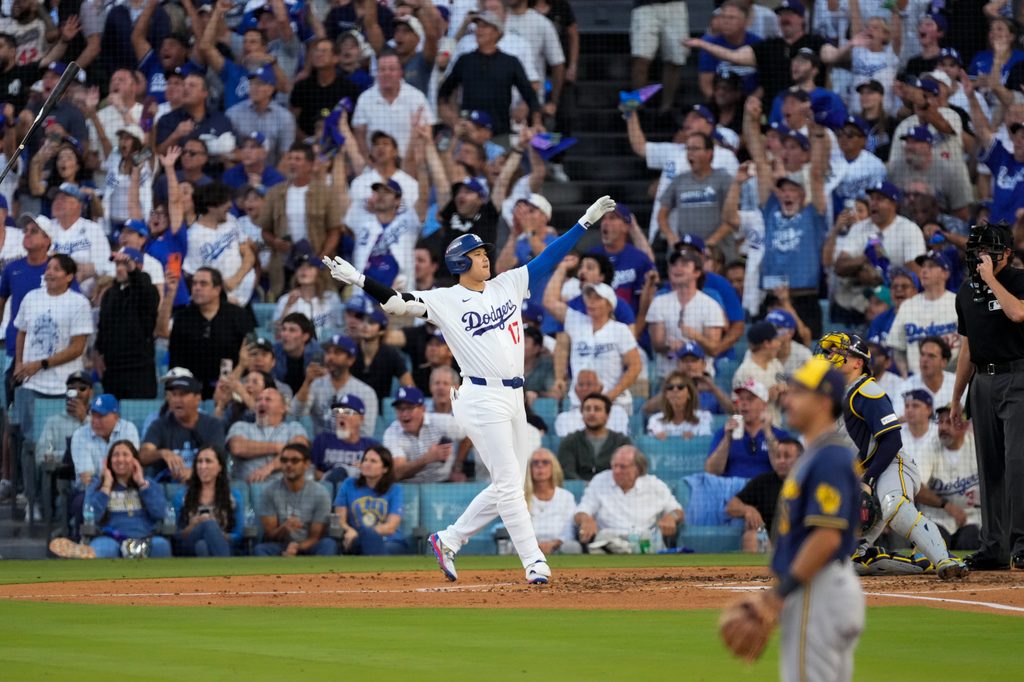
Ohtani remained a productive hitter overall, finishing the regular season with a .275 batting average, a .377 on-base percentage and a .512 slugging percentage. He hit 30 home runs, drove in 81 runs and stole 11 bases.
The full-season numbers conceal a pronounced late decline. An MLB review of his season reported that Ohtani was batting .296 with a .952 OPS and 26 home runs before his extended slump. Over the 24 games immediately preceding his injured-list placement, he hit .198 with a .689 OPS and struck out 34 times in 109 plate appearances.
The Dodgers eventually placed him on the injured list in September to address the knee and biceps conditions. He returned with only five regular-season games remaining, going 5-for-21 with one double, one walk and eight strikeouts.
That short return left little time to rebuild his timing before the postseason. It also underlined a larger concern: allowing Ohtani to continue as the designated hitter preserved his presence in the lineup, but it did not necessarily preserve the level of performance the Dodgers needed.
The postseason offered further evidence of the problem. Ohtani went 5-for-26 with one home run, three RBIs and 10 strikeouts across eight games. His .192/.323/.308 postseason batting line produced a .631 OPS.
His lone home run came in Game 4 of the National League Championship Series, ending a career-high streak of 115 plate appearances without a homer.
The three-run shot gave Los Angeles an early 4-0 lead, but Milwaukee recovered to win 6-4 and complete a four-game sweep. The result is recorded in the official MLB box score.
Ohtani finished that elimination game 1-for-4 with three strikeouts. Afterward, he confirmed that he intended to pitch in 2027, telling reporters, “Yes, definitely.”
Workload Management Becomes the Central Issue
The encouraging part of Friedman’s update is that the Dodgers are not currently anticipating another operation. The more difficult question is how the club should manage Ohtani once he is cleared to resume both roles.
There is no established blueprint for a player carrying a significant offensive workload while also working as a major league starting pitcher. Conventional workload models are designed for players with one primary responsibility.
Ohtani’s schedule includes hitting preparation, pitching preparation, recovery between starts and the daily physical demands of serving as the designated hitter.
That does not establish that the two-way role itself caused either injury. The publicly available information does not support such a medical conclusion. It does show, however, that the Dodgers must account for the combined demands when planning his 2027 season.
Several approaches could be considered. Los Angeles could delay the start of Ohtani’s pitching schedule, increase the rest between his starts, remove him from the batting order on selected pitching days or provide scheduled days off after he pitches. The club has not committed publicly to any of those options.
The timeline of the knee injury also complicates retrospective criticism. The Dodgers knew Ohtani was experiencing discomfort, treated the condition and attempted to adjust his schedule. At the same time, his strong production during much of the summer made it difficult to determine when ordinary injury management had become insufficient.
Communication will be another important part of the 2027 plan. MLB reported before the postseason that Friedman regarded Ohtani as communicative but not always fully transparent about how he felt physically.
For a player attempting two demanding jobs, small changes in his knee, arm or swing mechanics can affect both sides of his game.
Friedman told ESPN that the Dodgers will need to be “very deliberate” in handling the two-way arrangement. That is a more useful guide to the offseason than any early projection about innings or starts.
The Goal Is a Healthier October
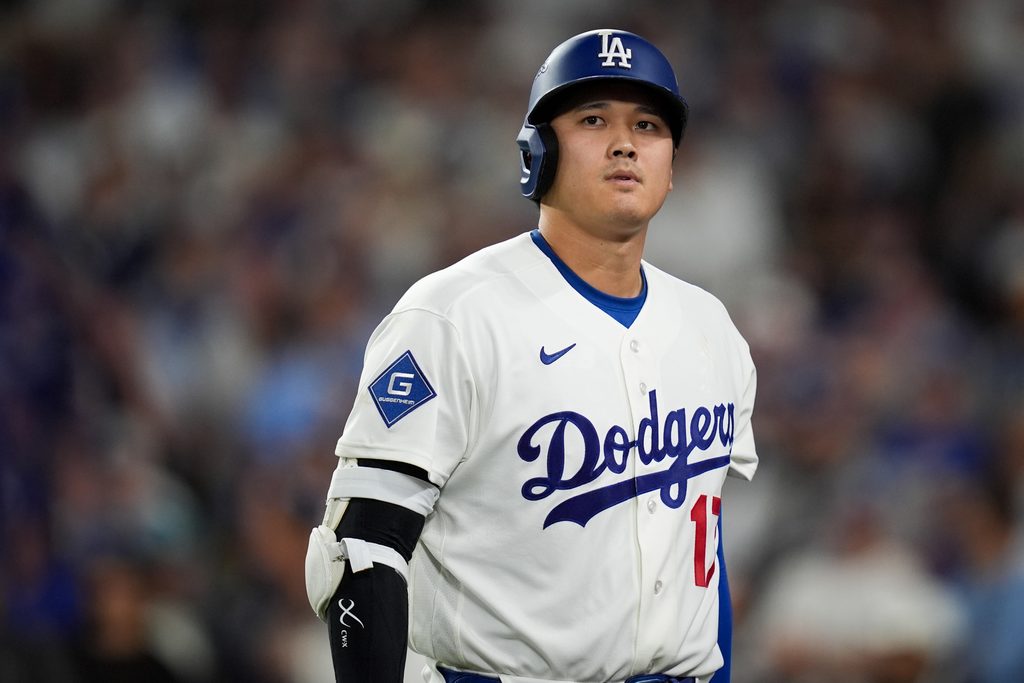
Ohtani’s 2026 season demonstrated both the extraordinary value and the inherent difficulty of his role.
In 14 starts, he performed like an elite pitcher. Before his late-season offensive decline, he was also producing at an MVP-caliber level. By October, however, the injuries and interrupted playing schedule had reduced his effectiveness.
The Dodgers therefore face a broader objective than simply getting Ohtani back on a mound. They need a plan that gives him a realistic chance of remaining productive through the postseason.
Avoiding surgery is a positive first step, especially given Ohtani’s history of major procedures on his right elbow. It should not be treated as proof that the underlying workload questions have been solved.
Spring training will provide the first meaningful indication of how aggressively the Dodgers intend to use him. Until then, the verified expectation is limited but significant: Los Angeles expects Ohtani to pitch in 2027, and the organization currently believes he can prepare for that return without another operation.