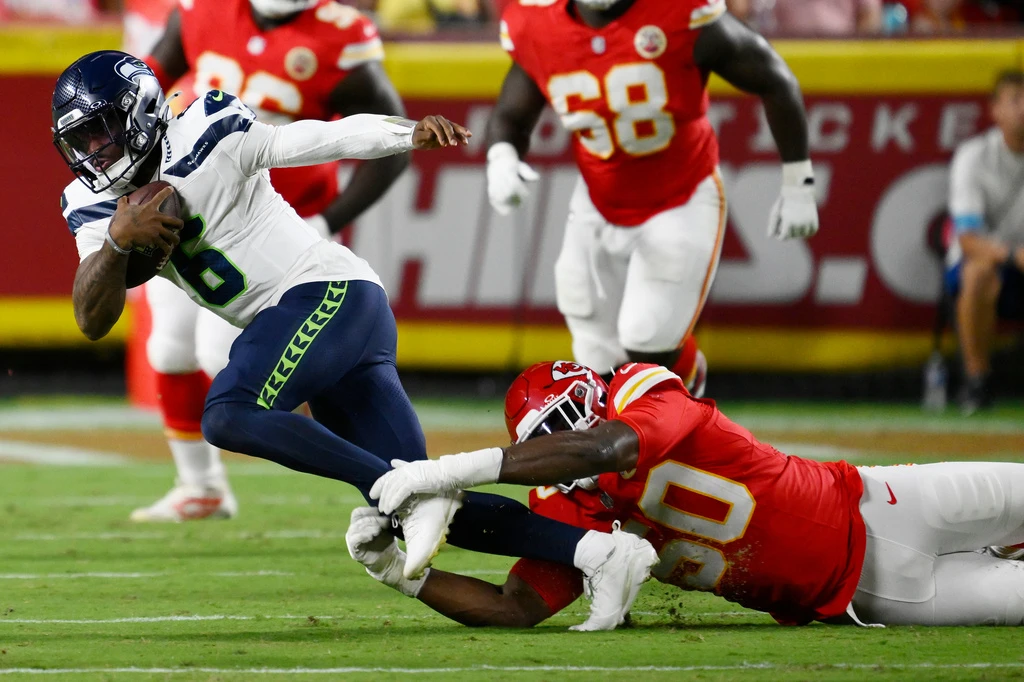
For the first time in more than two decades, the NFL conducted its final roster cuts on a Sunday, creating a whirlwind of activity as all 32 teams scrambled to meet the 6 p.m. Eastern Time deadline.
The league-wide reduction from 90-player rosters down to the mandatory 53-man limit resulted in 1,184 players being released across the weekend.
Some decisions were expected, while others sent shockwaves through the football community. From a starting quarterback being released to teams entering the season without punters, the 2026 roster cuts delivered plenty of surprises that will shape the upcoming campaign.
The Sunday Deadline That Changed Everything: Why One Team’s Shocking QB Decision Has Everyone Talking
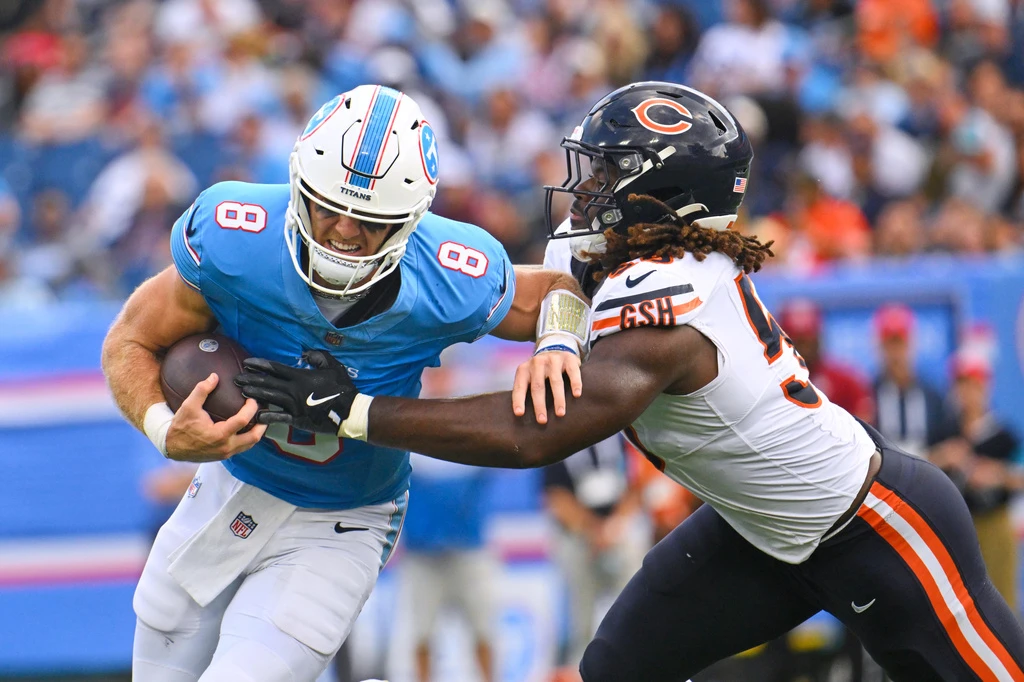
The Tennessee Titans made what might be the most stunning roster decision in recent memory by releasing their starting quarterback Will Levis, who posted 380 completions on 602 passing attempts in 2024 with an 81.4 passer rating.
This move left fans and analysts scrambling to understand the team’s direction, especially considering they also parted ways with backup Hendon Hooker in the same round of cuts.
With only Cam Ward and veteran Mitch Trubisky remaining on the roster, the Titans have essentially committed to a new era at the most important position in football. The timing of this decision, coming just weeks before the regular season opener, adds another layer of complexity to an already dramatic situation.
Beyond the quarterback position, Tennessee made several other notable moves that suggest a complete roster overhaul. Wide receiver KJ Osborn, running back Michael Carter, and defensive tackle Khalen Saunders all found themselves looking for new teams.
Guard Cordell Volson, who had been competing for the starting right guard spot throughout training camp, ultimately lost out to rookie Fernando Carmona and was subsequently released.
The ripple effects of these decisions will extend well beyond Tennessee, as other teams now have the opportunity to claim talented players who suddenly became available through the waiver process.
What Happened to All 1,184 Released Players? The Waiver Wire Secret Most Fans Don’t Understand
The fate of released players depends entirely on their NFL experience, a detail that often confuses casual observers of the league.
Players who have accumulated fewer than four years of service time must pass through the waiver wire system, where teams can claim them based on a predetermined order that mirrors the recent draft sequence.
Those with four or more accrued seasons, however, immediately become unrestricted free agents and can negotiate with any team of their choosing without restriction. An accrued season requires appearing in at least six regular season games on a club’s active roster, inactive list, or various reserve designations.
The waiver claim deadline arrives Monday at 1 p.m. Eastern Time, giving teams less than 24 hours to evaluate hundreds of newly available players and decide which ones might improve their rosters.
The waiver order begins with the Las Vegas Raiders at number one, followed by the New York Jets, Arizona Cardinals, Tennessee Titans, and New York Giants rounding out the top five positions.
Teams that successfully claim a player must immediately add that individual to their 53-man roster, which means releasing another player to create the necessary roster space. This creates a domino effect where one team’s waiver claim can result in another player hitting the market, potentially triggering additional moves across the league.
The Most Controversial Cuts of 2026: From Super Bowl Winners to First-Round Busts (And the Team With No Punter)
Several high-profile releases dominated headlines throughout the weekend, with former first-round selections finding themselves without teams.
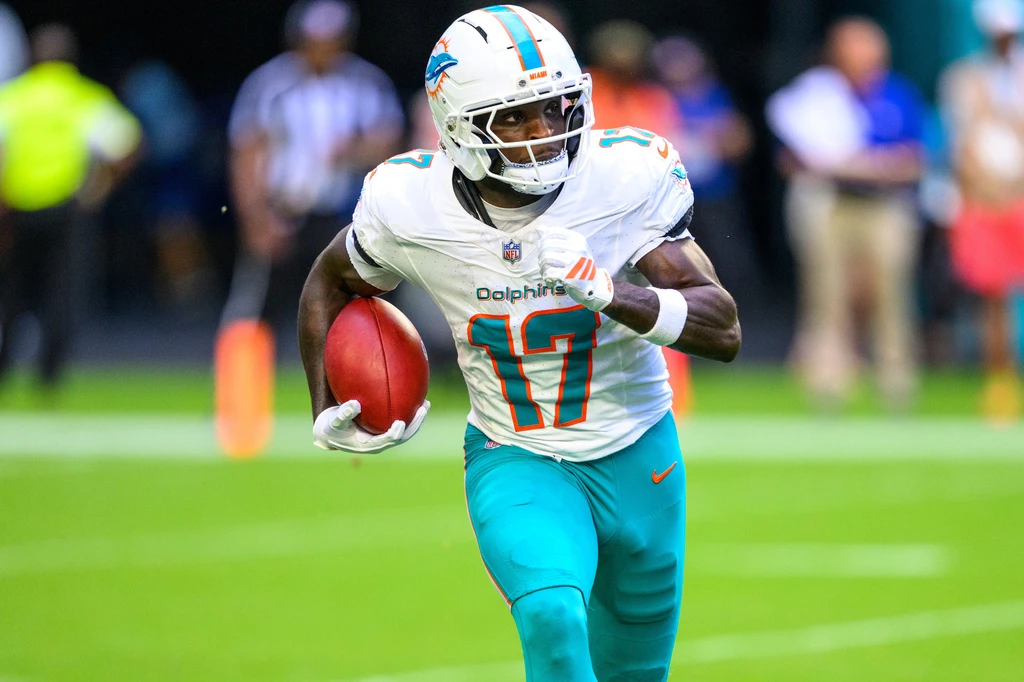
The Miami Dolphins parted ways with wide receiver Jalen Reagor, whose career never lived up to his draft pedigree, while the Carolina Panthers released linebacker Isaiah Simmons, the eighth overall pick from the 2020 draft who managed just five games with the team last season.
The Kansas City Chiefs made the difficult decision to release defensive end Emmanuel Ogbah, who contributed to their 2019 Super Bowl championship run. The move signals the organization’s confidence in younger players and their willingness to part with veterans who helped build their dynasty.
Perhaps the most puzzling decisions involved teams entering the season without specialists at critical positions. The Los Angeles Chargers released their only punter, JK Scott, leaving them completely without a player at that position on their initial roster.
The San Francisco 49ers took a similar approach, cutting punter Corliss Waitman and long snapper Jon Weeks, creating uncertainty about how they plan to handle those specialized roles.
The Detroit Lions surprised many observers by keeping just four wide receivers on their 53-man roster: Amon-Ra St. Brown, Jameson Williams, Isaac TeSlaa, and Tay Martin. They released six receivers in total, including Greg Dortch, suggesting they plan to add depth through other means or have extreme confidence in their tight end group to contribute in the passing game.
Which Released Players Will Get Claimed Monday? Inside the Waiver Order That Could Reshape Rosters
The waiver wire process creates fascinating strategic decisions for teams positioned at different points in the claiming order. The Raiders, holding the top position, have first choice of any player they desire but must also consider whether claiming someone prevents them from addressing other needs later in the process.
Teams further down the order, like the Chiefs at number nine and Bengals at number ten, must anticipate which players might be claimed before their turn arrives. This chess match of roster construction happens rapidly, with general managers and personnel departments working through the night to finalize their waiver claims before the Monday afternoon deadline.
Some of the most intriguing available players include quarterbacks like Will Levis and Bailey Zappe, who could provide immediate depth for teams dealing with injuries or uncertainty at the position. Running backs such as Emari Demercado and Zamir White offer proven production that could appeal to teams seeking backfield reinforcements.
Defensive players like cornerback Trevon Diggs, whom Seattle released less than two weeks after signing him, represent low-risk opportunities for teams willing to take a chance on talent that didn’t fit with their previous organization. The next 24 hours will determine which players land with new teams and which ones must wait for practice squad opportunities or free agent signings in the coming weeks.
The Practice Squad Lifeline: How 512 More Players Will Get Their Second Chance This Week
While the 53-man roster cuts dominate headlines, the practice squad system provides a crucial safety net for hundreds of additional players. Each of the 32 teams can carry 16 practice squad members, with the possibility of adding a 17th if they include an international player through the league’s global development program.
This means at least 512 more players will receive NFL contracts in the coming days, offering them the opportunity to continue their professional careers and potentially earn promotion to active rosters during the season.
Practice squad players receive weekly salaries and maintain eligibility to be signed to any team’s active roster, though certain restrictions apply regarding timing and opponent matchups.
Many players released during the weekend will ultimately return to their original teams on practice squad deals once they clear waivers. This allows organizations to maintain relationships with developmental prospects while preserving roster flexibility for the regular season.
The practice squad has historically served as an incubator for future stars, with numerous Pro Bowl players and even Super Bowl champions spending time in that role early in their careers.
For the players released this weekend, the practice squad represents not an ending but rather another chapter in their pursuit of NFL success. Teams will finalize these rosters throughout the week, providing clarity on which players secured those coveted developmental positions.