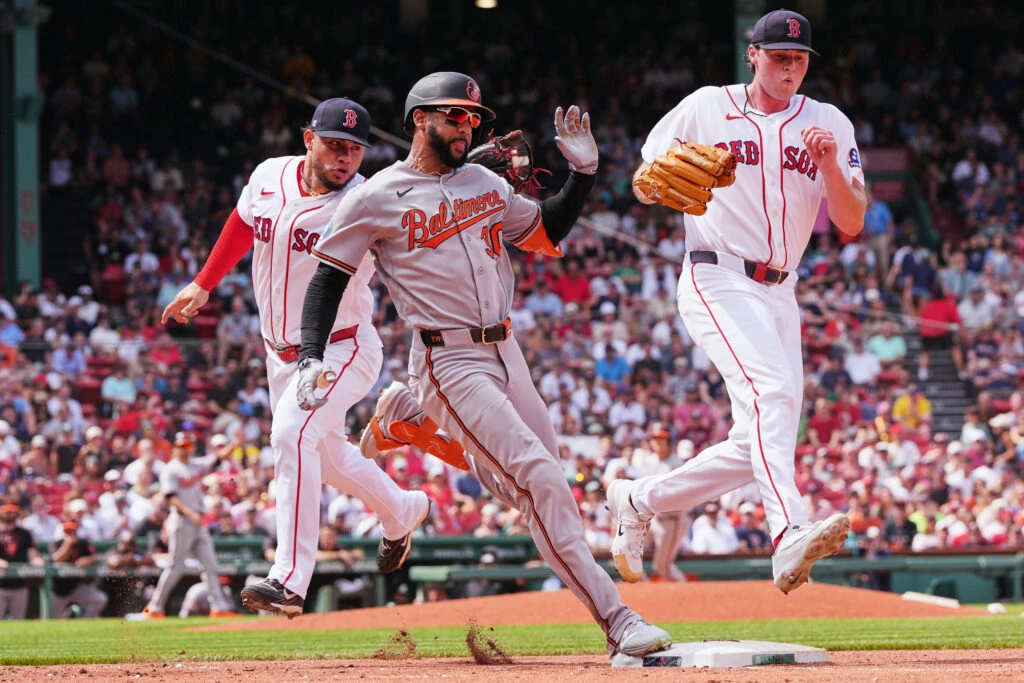
The Boston Red Sox have orchestrated one of baseball’s most shocking transformations in 2026.
After limping to a 27-38 record and enduring relentless criticism for becoming an AL East afterthought, the organization has ignited a remarkable 14-game winning streak—the longest in Major League Baseball this entire season.
This isn’t merely a statistical blip; it represents a fundamental reset of playoff probabilities that’s reshaped the entire competitive landscape of the American League East.
A delayed flight out of Colorado forced the team to report late to their next series, creating an unexpected momentum shift that somehow catalyzed this extraordinary run.
The Red Sox have clawed their way from 15.5 games behind the Yankees to just 6.5 back of Tampa Bay. Their playoff odds have skyrocketed, transforming a team destined for another lottery-ball season into a legitimate October contender.
The 2026 AL landscape, marked by unusual parity and clustering around the .500 mark, has made the playoff race exceptionally volatile and competitive. Boston’s storied franchise—a charter AL member since 1901 with nine World Series championships, per MLB.com—has demonstrated this capacity before, ascending from worst in its division to first in 2013, as MLB.com chronicled.
In this unpredictable environment, every game matters profoundly. This turnaround raises compelling questions: What truly defines success in baseball—momentum, timing, or something deeper within an organization’s DNA?
How Sonny Gray and a Rookie Named Bennett Rewrote the Red Sox Narrative
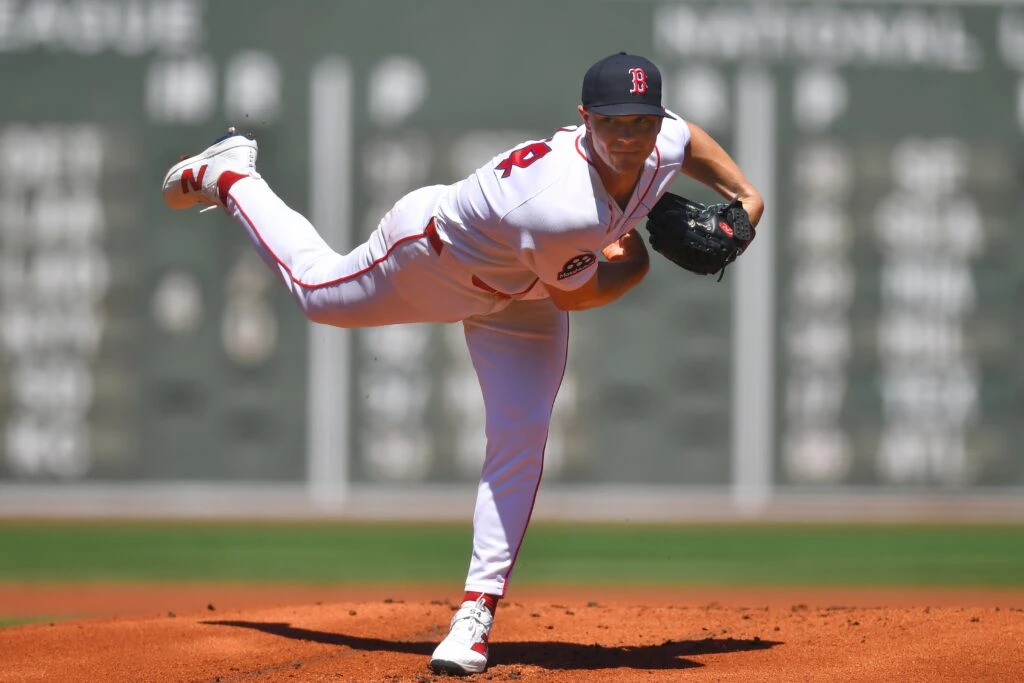
Behind every dominant winning streak lies an equally dominant pitching rotation, and the Red Sox’s 14-game run is no exception.
Sonny Gray, an established veteran, and Jake Bennett, an unexpected rookie sensation, have emerged as the unlikely architects of Boston’s redemption.
Together, they’ve created a formidable tandem that shuts down opponents when stakes matter most.
Gray has been exceptional, posting 13 wins with a dominant 2.48 ERA across 110.2 innings, striking out 102 batters while maintaining a stellar 0.923 win percentage.
Bennett, the rookie phenom, has matched his intensity with 12 victories, posting a 2.58 ERA over 118.2 innings with an impressive 12.8 strikeouts per nine innings—an elite pedigree for a first-year performer.
Their combined excellence validates the organization’s much-scrutinized offseason investments and suggests Boston’s front office still possesses the capability to make intelligent personnel decisions.
These two arms represent something profound: the intersection of veteran experience and unbridled youthful potential—a combination many believed had abandoned Boston entirely.
Gray provides stability and know-how; Bennett symbolizes hope and upside. Their partnership has transformed the Red Sox from a team that surrendered leads with predictable regularity into one that closes games with confidence and execution.
This pitching revival demonstrates that sustainable success requires balancing proven talent with fresh energy—a reality that becomes critical as the trade deadline approaches.
The Million-Dollar Question: Can Boston Actually Sustain This Momentum?
Winning streaks, however exhilarating, remain inherently fragile in professional baseball. History demonstrates that dramatic hot streaks cool as quickly as they ignite, particularly when underlying roster deficiencies haven’t been addressed.
The Red Sox face three critical, interconnected challenges before the August 3 trade deadline that will determine whether this streak signals genuine contention or merely a beautiful mirage.
First, they must maintain their power-hitting prowess without regression. Second, glaring gaps at shortstop and second base will be exploited by competent opponents. Third, their bullpen—a chronic organizational weakness—remains vulnerable during high-leverage situations.
Each variable faces intense testing as Boston navigates a grueling final stretch. If the organization fails to address even one deficiency, the momentum could evaporate faster than it appeared, leaving fans wondering what might have been.
Why the Trade Deadline Is Boston’s Make-or-Break Moment
The approaching August 3 trade deadline represents far more than routine roster evaluation for the Red Sox; it’s their final opportunity to prove they’re legitimate contenders rather than a flash-in-the-pan phenomenon.
Elite teams like the Dodgers, Braves, and Yankees have already secured comfortable playoff positioning, while Boston occupies an uncertain middle ground—reasonable playoff probability but decidedly not yet a lock.
Following the 2023 Collective Bargaining Agreement, the deadline now falls within a July 28 to August 3 window, providing slightly expanded flexibility.
After the All-Star break, teams must determine whether they’re positioned to contend, and this evaluation proves especially consequential for Boston’s front office.
GM decisions in the coming weeks will determine whether this winning streak becomes the foundation of sustained success or merely a painful reminder of what could have been. The trade market presents nuanced complexities.
Starting pitchers—including Freddy Peralta, Clay Holmes, and Robbie Ray—remain the strongest available assets, while right-handed bats are conspicuously scarce.
The Tigers hold particular significance with Tarik Skubal and Casey Mize potentially triggering broader market activity. The Dodgers are expected to aggressively pursue additions, while numerous edge-of-contention teams remain reluctant to sell, creating a logjam that will likely drive up costs.
Boston must navigate difficult choices: aggressive acquisitions that mortgage future prospects, modest additions that signal incomplete commitment, or restraint that acknowledges realistic limitations.
The Ownership Question That’s Overshadowed Boston’s Entire Rebuild
Before celebrating too enthusiastically, Red Sox fans must confront an uncomfortable organizational truth: the franchise’s years of mediocrity stem fundamentally from leadership failures at the highest levels.
Owner John Henry’s strategic approach has systematically drained Boston of its considerable big-market advantages through reduced payroll spending and the exodus of innovative executives who constructed championship teams between 2002 and 2018.
The departures of Mookie Betts and Rafael Devers, both chronicled by MLB.com, symbolized something far deeper than business transactions—they represented a loss of organizational trust, cohesion, and commitment that alienated the fanbase.
Even if this winning streak propels the Red Sox to October and beyond, persistent questions about ownership philosophy and long-term strategic direction will linger, casting legitimate doubt over whether Boston can genuinely reclaim its historical place among baseball’s elite.
The franchise’s decline reflects not merely bad luck or injury misfortune, but systematic organizational decline at the decision-making level.