The 2026 NBA Summer League in Las Vegas served as a critical testing ground for this year’s most heralded draft prospects. Several lived up to the hype in spectacular fashion.
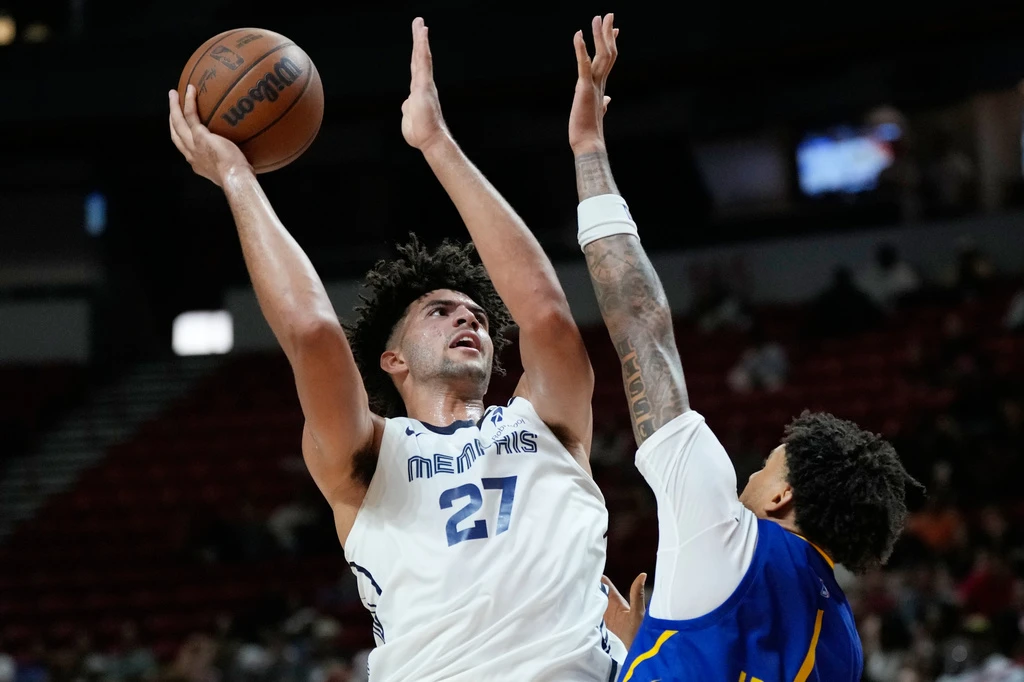
Cameron Boozer, selected 4th overall by the Memphis Grizzlies, emerged as the undisputed star, claiming summer league MVP honors while piloting his team to the championship game with remarkably consistent, dominant performances. His two-way dominance reinforced the Grizzlies’ historical identity—defensive intensity, steals production, and rebounding prowess.
Caleb Wilson, the 11th overall selection, electrified packed arenas with his rare athleticism and infectious competitive energy that reminded scouts why he graded so highly entering the draft.
Darryn Peterson, taken 2nd overall as Pro Football Network noted, displayed genuine flashes of brilliance justifying his lofty draft position, though inconsistencies in shooting and ball-handling raised concerns about his transition timeline.
AJ Dybantsa rounded out the elite tier, showcasing the lottery-caliber skills that made him a consideration.
These early performances provided crucial evidence that several teams’ draft strategies were already paying immediate dividends—though summer league spotlight can sometimes deceive.
Hidden Gems: When Undrafted Players Steal the Summer League Spotlight
Perhaps the most fascinating subplot involved players who weren’t selected in June but commanded equal—sometimes superior—attention in Las Vegas.
The NBA Summer League structure inherently accommodates such discovery, as unsigned free agents sign summer league deals and earn regular season contract opportunities.
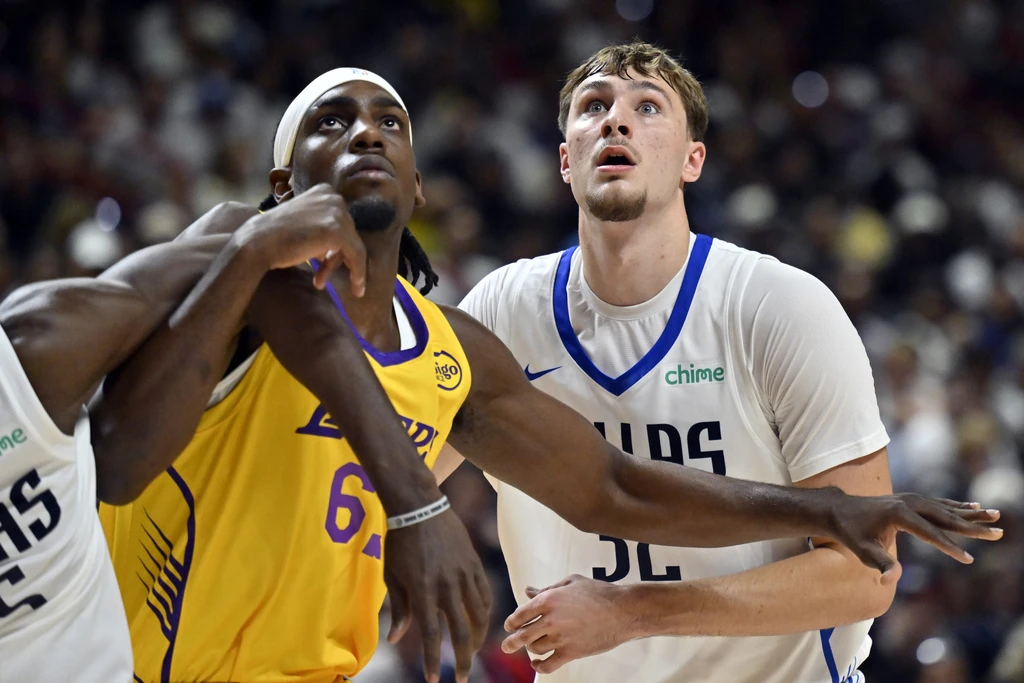
Arthur Kaluma of the Lakers, operating as an undrafted free agent, turned heads with consistent, high-impact performances that challenged conventional wisdom about the draft’s predictive power.
Meliek Thomas, a second-round selection for Cleveland, proved particularly effective, confirming that genuine talent frequently exists outside the first round.
Brayden Burries of Milwaukee similarly impressed scouts, adding another data point to the growing evidence that undrafted and second-round selections can compete at elite levels.
These overlooked players raised profound questions about the draft’s limitations and suggested that scouting acumen, development infrastructure, and opportunity alignment matter considerably more than draft order.
Their successes hinted at how many talented basketball players slip through organizational cracks annually, never receiving adequate opportunity to demonstrate their capabilities.
The Arena Wars Threatening Portland: How NBA Politics Could Change Everything
While summer league storylines captured headlines, an existential crisis unfolded off-court that threatened to reshape the competitive landscape.
The Portland Trail Blazers found themselves ensnared in a high-stakes standoff between new ownership under Tom Dundon, whose purchase Sportico reported the NBA approved, and local Oregon governmental bodies over Moda Center facility upgrades and long-term lease commitments.
NBA Commissioner Adam Silver’s personal intervention signaled the severity—even league authority sometimes struggles to bridge the gap between ownership ambitions and municipal concerns.
Dundon pursues favorable arena terms while local officials demand long-term lease commitment, creating a complex political dynamic demanding resolution. For a franchise with 56 seasons of NBA history and one championship, this institutional uncertainty carries profound weight.
Teams could construct championship rosters, develop elite young players, and generate winning seasons, yet franchise security ultimately hinged on infrastructure investment and political goodwill.
The Blazers’ uncertain future loomed as a sobering reminder that NBA sustainability transcended player performance and draft strategy.
The Tax Man Cometh: Why Elite Teams Are Desperately Dumping Salary
A structural financial reality quietly reshaped how NBA franchises constructed rosters: the second apron luxury tax threshold.
Elite organizations like the Oklahoma City Thunder and Boston Celtics aggressively pursued salary-dumping strategies specifically to avoid crossing into punitive tax territory that would severely constrain future roster flexibility.
The Thunder navigated complex financial calculations that sometimes forced them to prioritize cost management over immediate roster enhancement.
The Celtics’ dominant scoring efficiency didn’t shield them from tax constraints and difficult roster decisions such parameters imposed.
This economic reality represented a fundamental shift in team-building philosophy transcending traditional competition dynamics.
The 2026 free agency landscape starkly illustrated these constraints: teams navigated dramatically different spending capabilities determined not by competitive ambition but by existing salary commitments and tax exposure.
Organizations effectively chose to shed payroll despite championship aspirations, demonstrating that future NBA seasons would increasingly feature rosters built around tax considerations rather than purely competitive optimization.
When Draft Expectations Meet Reality: The Struggles That Foreshadow NBA Seasons
Not every summer league narrative concluded triumphantly, and these cautionary tales proved more instructive than celebrated successes.
Darius Acuff Jr. of the Sacramento Kings struggled establishing consistent footing, raising legitimate questions about the gap between college basketball dominance and professional readiness.
These early struggles served as crucial reminders that draft position guarantees absolutely nothing regarding professional achievement.
Summer league functioned as a first critical evaluation checkpoint, determining whether prospects could authentically translate college success into performance against physically superior, tactically sophisticated NBA competition.
For players like Acuff, the struggles foreshadowed potentially challenging NBA adjustment periods ahead.
The disparity between draft expectations and actual summer league production often predicted regular season performance patterns, making these early results genuinely predictive rather than merely preliminary.
Fans and analysts learned to appreciate summer league not as entertainment but as a diagnostic tool revealing which players possessed the mental resilience, athletic versatility, and fundamental skill necessary for professional sustainability.