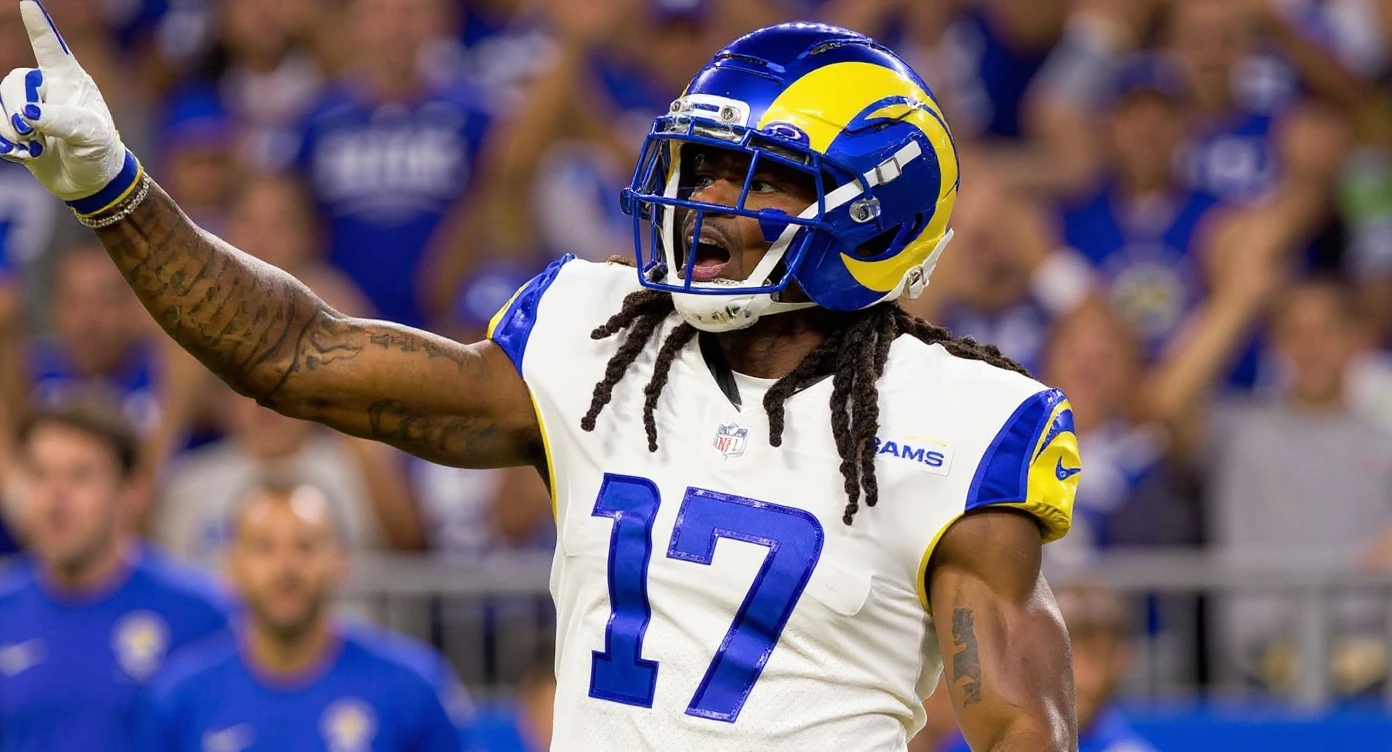
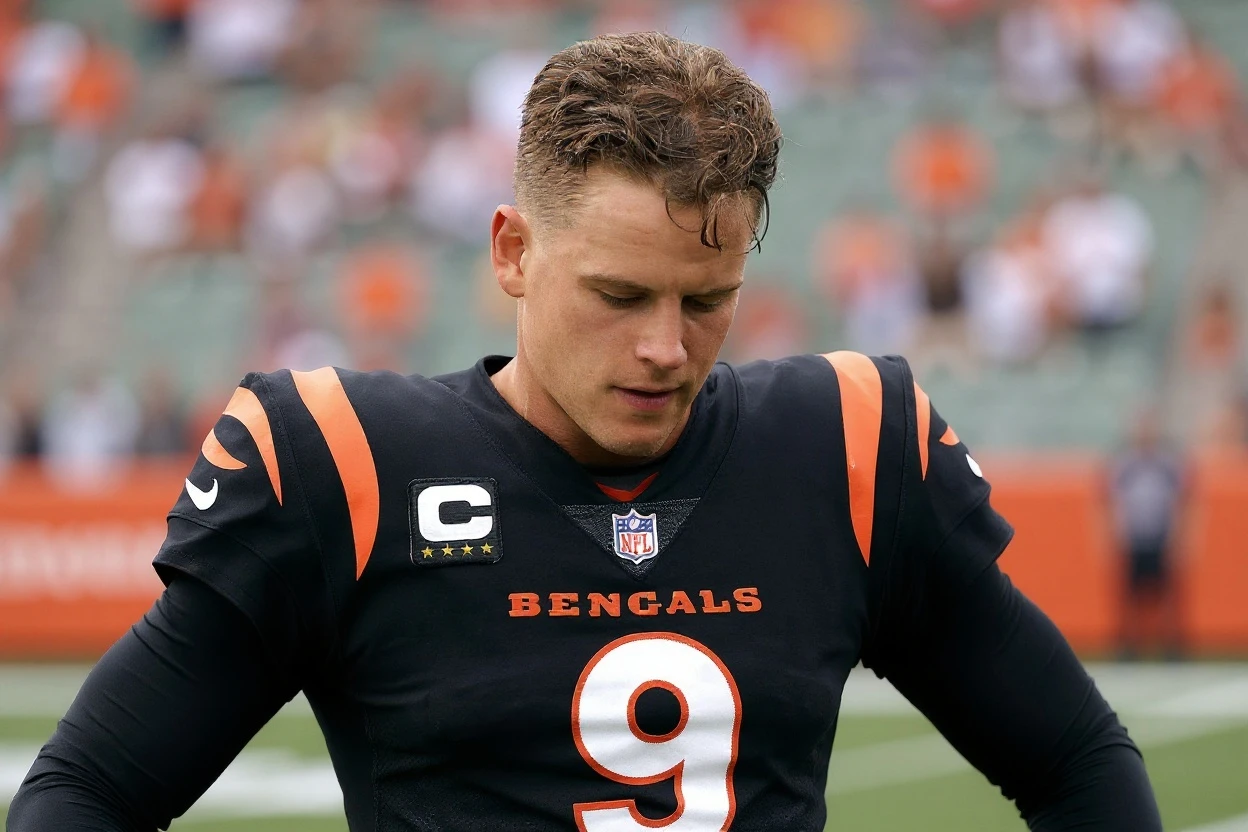
Breaking a nearly two-year silence on X, Cincinnati Bengals quarterback Joe Burrow posted a pointed defense of NFL officials on January 19–20, 2026, backing the rulings on two contested-ball plays from the divisional round of the playoffs. Tweeting for the first time since April 26, 2024, according to Yahoo Sports and NBC Sports, Burrow went straight at the critics: “The amount of ppl that don’t understand what a catch is in the rule book flabbergasts me. And it’s not the officials. The two plays yesterday were not difficult calls, and they got them both right.” USA Today and Cincinnati.com both noted it was his first post on X since 2024. The post landed in the middle of a weekend-long debate over two nearly identical plays that produced opposite rulings—and Burrow, apparently, had seen enough.
A Recurring Source of Confusion: The NFL Catch Rule
Burrow’s frustration pointed directly at a rule that continues to trip up fans and analysts alike. As NBC Sports noted in its coverage, “people still don’t understand what a catch is under NFL rules”—a problem the league has never fully solved despite multiple rounds of rule adjustments.
The governing standard, as cited by Yahoo Sports via former NFL referee Terry McAulay, is straightforward in language if not always in application: “A player going to the ground to catch a pass must maintain control during and after contact with the ground.” That single sentence is the lens through which both divisional-round plays must be evaluated.
It’s worth noting that Burrow, per Yahoo Sports, “didn’t go into further details beyond his initial tweet.” His post identified the problem—widespread misreading of the rulebook—but the technical breakdown came from officiating experts, not from Burrow himself.
The Two Divisional-Round Rulings That Divided Fans
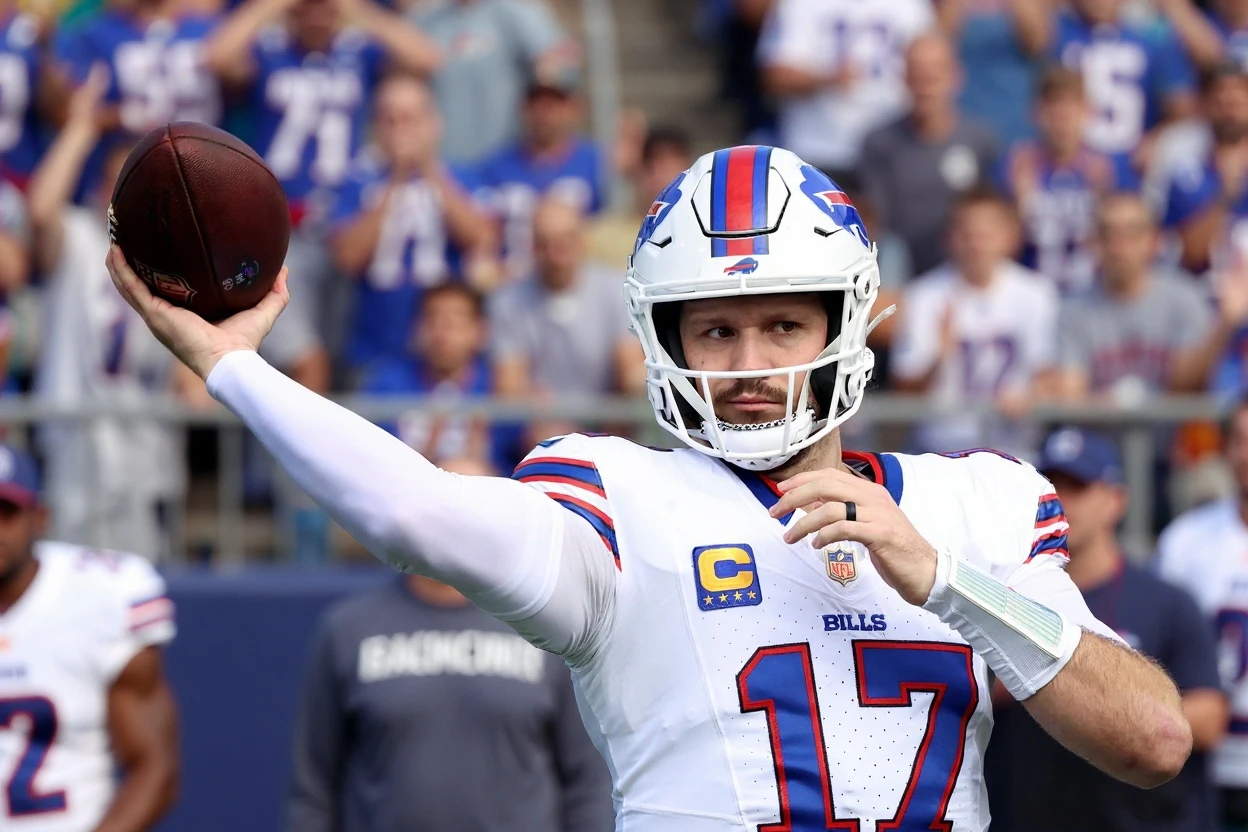
Burrow was almost certainly addressing two specific plays from the divisional round weekend, as Yahoo Sports reported. The first came in Denver’s 33-30 overtime win over Buffalo on Saturday: Josh Allen’s pass was ruled an interception by Broncos defender Ja’Quan McMillian, though the Bills insisted the ball had been caught by Brandin Cooks, per NBC Sports.
The second play arrived Sunday, when a contested ball involving Los Angeles receiver Davante Adams was ruled a catch, per Yahoo Sports. The two rulings looked contradictory on the surface—same basic scenario, different outcomes—and the backlash followed quickly. Yahoo Sports reported that “some fans, analysts and in one case, an opposing head coach” publicly criticized the officiating decisions in the days that followed.
Why Burrow Said the Officials Got It Right—and What Comes Next
The rule, as McAulay explained to Yahoo Sports, draws a hard line: possession must be maintained through the moment of ground contact and beyond. In the Bills-Broncos play, the sequencing of control and contact pointed toward an interception; in the Adams ruling, officials determined he was down by contact before possession was lost. Yahoo Sports noted that “those were the same conclusions that officials on the field reached in both games.”
Burrow’s post didn’t offer a play-by-play breakdown—it was a single tweet, not a film session. But the underlying argument was clear: the rulebook supported both calls, and the controversy stemmed from fans applying the wrong standard.
The debate is unlikely to produce a rule change. The Washington Post reported on January 22, 2026, that the catch rule is not expected to be altered, though the league may take steps to “provide clarity about in-game rulings and improve the widespread understanding of the rule.” For now, the rulebook stays as written—and Burrow’s two-year social media silence made clear just how strongly he felt about defending it.