
The Chicago Bears’ improbable playoff run crashed to a halt on January 18, 2026, when they fell to the Los Angeles Rams 20-17 in overtime at Soldier Field before 60,253 fans—a loss that snapped their first playoff appearance in 15 years. Just days earlier, the Bears had pulled off a stunning comeback against the Green Bay Packers in the Wild Card round, with Caleb Williams throwing for 361 yards and two touchdowns to set a Bears playoff record for passing yards.
The momentum felt unstoppable as Chicago fans dared to dream of a deep playoff run. But the Rams changed everything. Despite Williams’ heroic fourth-quarter drive that tied regulation, a critical overtime interception sealed Chicago’s fate. The Rams’ walk-off field goal ended the Bears’ championship aspirations, leaving the entire city reeling. Williams’ interception stung harder given his exceptional 2025 regular season: 3,942 passing yards, 27 touchdowns, and just 7 interceptions.
The collapse jarred even harder given his trajectory: he’d earned NFC Offensive Player of the Week honors in Week 3 after posting a career-high 142.6 passer rating with four touchdowns against Dallas. The 2024 regular season had been transformative, with the Bears finishing 11-6 and winning the NFC North.
The Chicago Bears’ improbable playoff run ended in gut-wrenching fashion on January 18, 2026, when the Los Angeles Rams escaped Soldier Field with a 20-17 overtime victory in front of 60,253 stunned fans — snapping Chicago’s first postseason appearance in 15 years before it could reach the NFC Championship.
The loss arrived just days after one of the most electric moments in recent Bears history: a Wild Card comeback against the Green Bay Packers in which Caleb Williams threw for 361 yards and two touchdowns, setting a Bears playoff record for passing yards in a single game. Chicago’s momentum felt genuine and earned. Then the Rams arrived. Williams drove the Bears down the field in the fourth quarter to force overtime, but a critical interception on the ensuing possession handed Los Angeles the field goal opportunity that ended it.
The collapse stung harder given Williams’ exceptional 2025 regular season — 3,942 passing yards, 27 touchdowns, and just 7 interceptions, a touchdown-to-interception ratio that ranked among the NFL’s best at his position. He had earned NFC Offensive Player of the Week honors in Week 3 after posting a career-high 142.6 passer rating with four touchdowns against Dallas. The Bears finished the regular season 11-6 and won the NFC North. None of it was enough when January’s margin for error disappeared entirely.
The Quarterback Duel That Wasn’t: Why Experience Trumped Youth
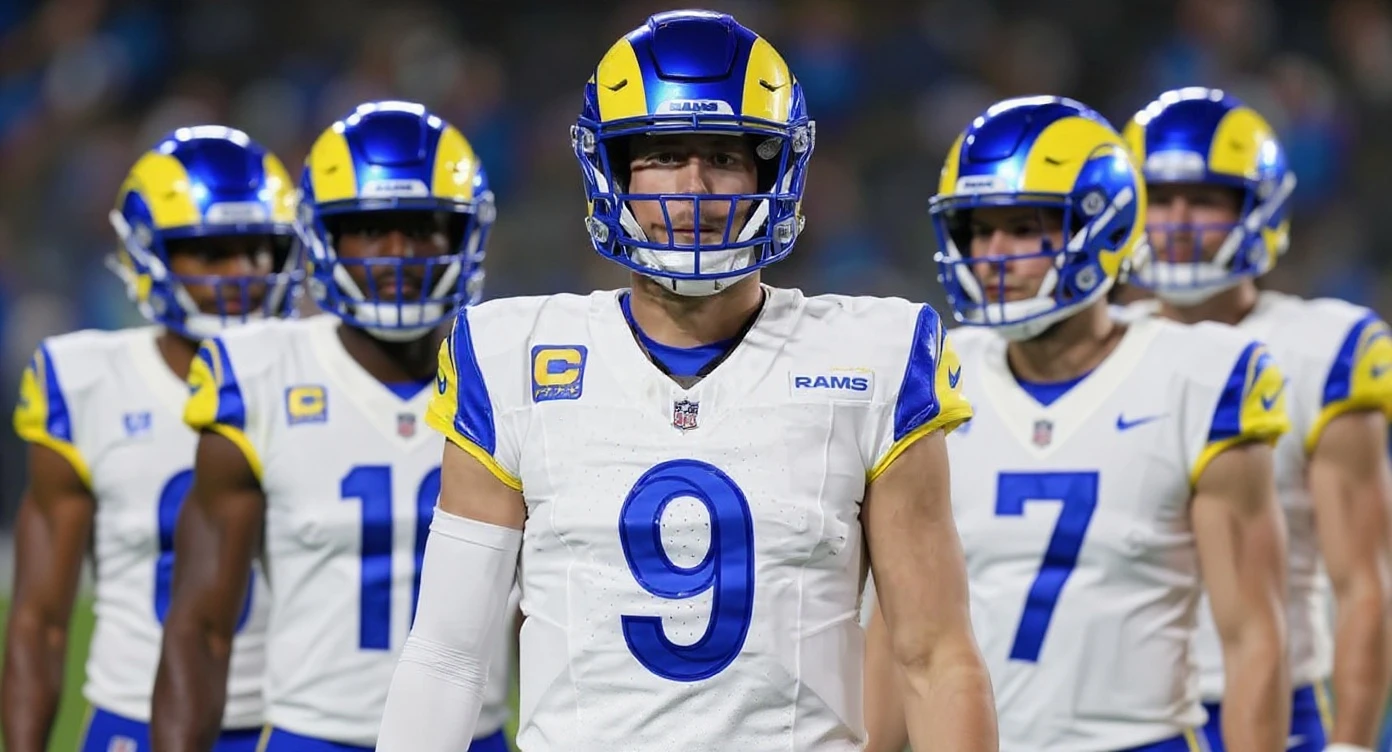
Matthew Stafford, 37, delivered a masterclass in veteran composure when the moment demanded it most. The Rams quarterback managed the divisional round with the controlled efficiency of a player who has operated under playoff pressure for nearly two decades, steering a Los Angeles team that finished 12-5 through the bracket under head coach Sean McVay.
Caleb Williams, for his part, was not outplayed across the full 60 minutes — his fourth-quarter drive to tie the game was the kind of sequence that reinforces why Chicago selected him first overall in the 2024 NFL Draft, as the Bears announced.
But the overtime interception exposed a real and uncomfortable gap: the difference between a quarterback still accumulating high-stakes experience and one who has already won a Super Bowl.
Stafford’s championship pedigree, earned with the Rams in Super Bowl LVI, a title the team recaps, gave Los Angeles an institutional edge that no amount of regular-season brilliance can manufacture overnight.
The NFL has a long history of young quarterbacks — even elite ones — faltering in their first deep playoff runs against seasoned opposition. Williams’ 2025 season suggested he has the ceiling to compete at that level. The divisional round confirmed he isn’t there yet.
What This Means for the Bears’ Future: Is Their Window Already Closing?
The Bears and Rams carry playoff history that stretches well beyond this single January meeting. Their last postseason collision came in the 1986 NFC Championship Game, when Chicago dismantled Los Angeles 24-0 at Soldier Field, as CBS News Chicago recounts — a shutout that served as the exclamation point on the Bears’ dominant run to Super Bowl XX following the 1985 season.
That game remains one of the most lopsided championship-round performances in NFL history and stands as the last time Chicago reached the Super Bowl.
Four decades later, the Rams collected a measure of historical payback. The 2026 divisional round result pushed Los Angeles’ all-time playoff record to 29-29, a milestone that reflects the franchise’s sustained relevance across two cities and multiple eras.
The Rams’ victory also carried practical stakes beyond the rivalry narrative: it advanced Los Angeles to the NFC Championship Game, where they would face either the San Francisco 49ers or the Philadelphia Eagles with a Super Bowl berth on the line.
For Chicago, the loss reopened a wound that has never fully healed — the franchise’s inability to build on its lone championship and return to the game’s biggest stage.
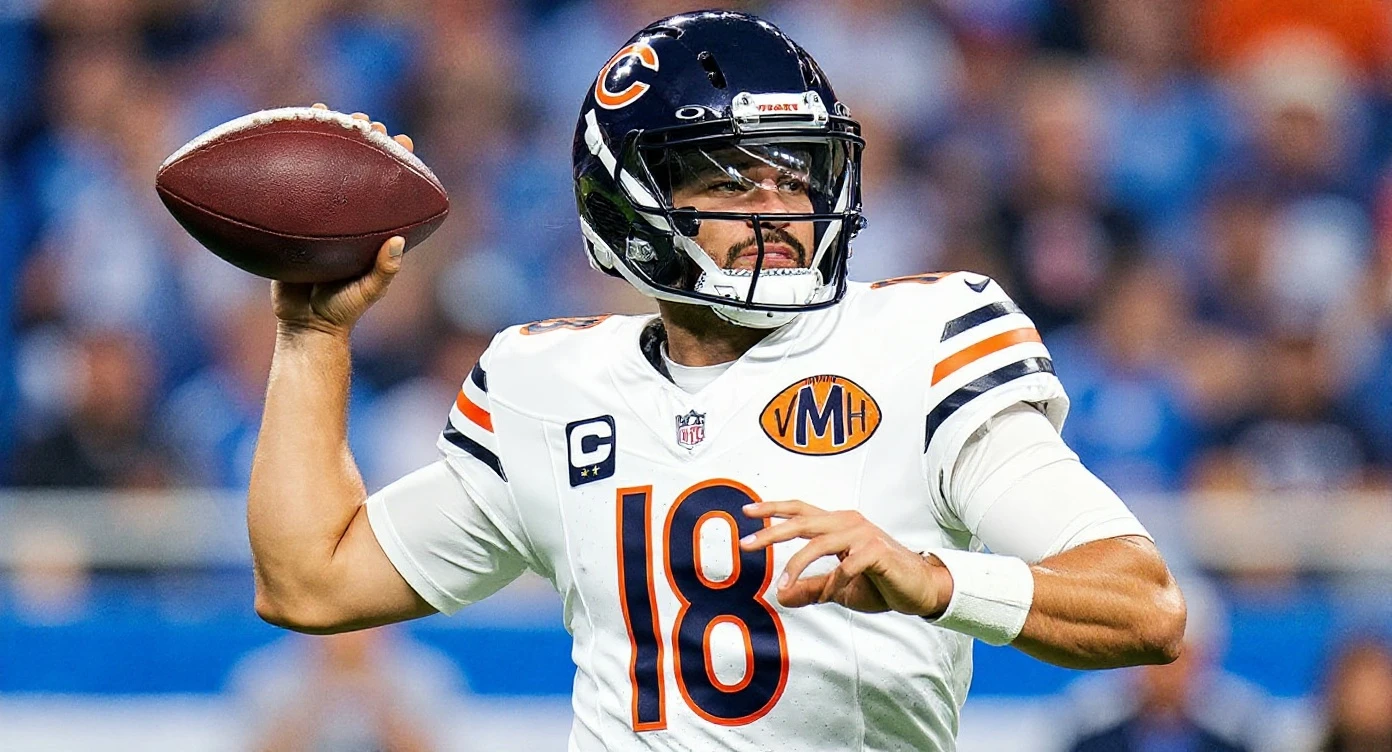

The Weight of One Moment: Fan Reactions to a Heartbreaking Exit
The Bears’ divisional round exit forces a hard organizational reckoning. Chicago returned to the playoffs for the first time since the 2010 season, won a Wild Card game on the road, and then lost at home to a team that entered the postseason with its own vulnerabilities. That sequence is progress — but it is incomplete progress, and the franchise’s history demands honest evaluation rather than celebration. Since their last Super Bowl appearance following the 2006 season — a Super Bowl XLI run detailed by Wikipedia — the Bears have cycled through more than 20 starting quarterbacks and multiple head coaches, a pattern of instability that has defined the organization for nearly two decades. Williams’ 2025 numbers — 3,942 passing yards, 27 touchdowns, a 7-interception season — represent a genuine foundation.
But one playoff interception in overtime does not define a career, and the Bears’ front office knows the real work begins this offseason. The Rams’ supporting cast illustrated exactly what Chicago still lacks: running back Kyren Williams posted a Pro Bowl season with 1,252 rushing yards and 10 touchdowns, giving Los Angeles a complementary weapon that kept the Bears’ defense off-balance all afternoon.
Building that kind of depth around a young quarterback takes multiple offseasons and disciplined roster construction. The question facing general manager Ryan Poles and head coach Ben Johnson is whether 2025-2026 was the start of something sustained — or a one-year window that closes quickly if the roster isn’t upgraded around Williams before his rookie contract expires.
The weight of the Bears’ elimination extended well beyond a single overtime loss. Chicago fans had endured 15 years of playoff irrelevance — a stretch that covered multiple failed rebuilds, wasted draft picks, and the slow erosion of a fanbase’s patience. When Williams led that fourth-quarter drive to tie the Rams and force overtime, Soldier Field was as loud as it had been in years. The belief was real. Then the interception happened, and the silence that followed carried the accumulated disappointment of a franchise that has been searching for its identity since the 2006 NFC Championship run.
What makes this loss particularly difficult to process is that it did not feel like a fluke. The Bears were competitive. Williams was exceptional for most of the game. The margin between winning and losing was a single throw in overtime — and yet that single throw is now the defining image of Chicago’s season. That is the brutal arithmetic of playoff football, and it is a lesson the Bears will carry into 2026.
The most painful element of Chicago’s exit was not the loss itself — it was the contrast between what Williams showed and what the final result recorded. He threw the ball with anticipation and accuracy for most of the afternoon. He extended plays with his legs when the pocket collapsed. He delivered the fourth-quarter drive that gave the Bears every opportunity to win. And then, in the moment that will be replayed all offseason, he threw the interception that ended it.
That is the unforgiving reality of quarterback evaluation in the NFL: the brilliant throws and the catastrophic ones exist in the same ledger, and in January, the catastrophic ones carry more weight. Williams’ 2025 season built genuine credibility. His overtime turnover raised a legitimate question about decision-making under maximum pressure — a question that only more playoff experience can answer. The Bears’ offseason task is to build a roster capable of returning him to that stage, and to trust that the answer, when it comes, will be different.