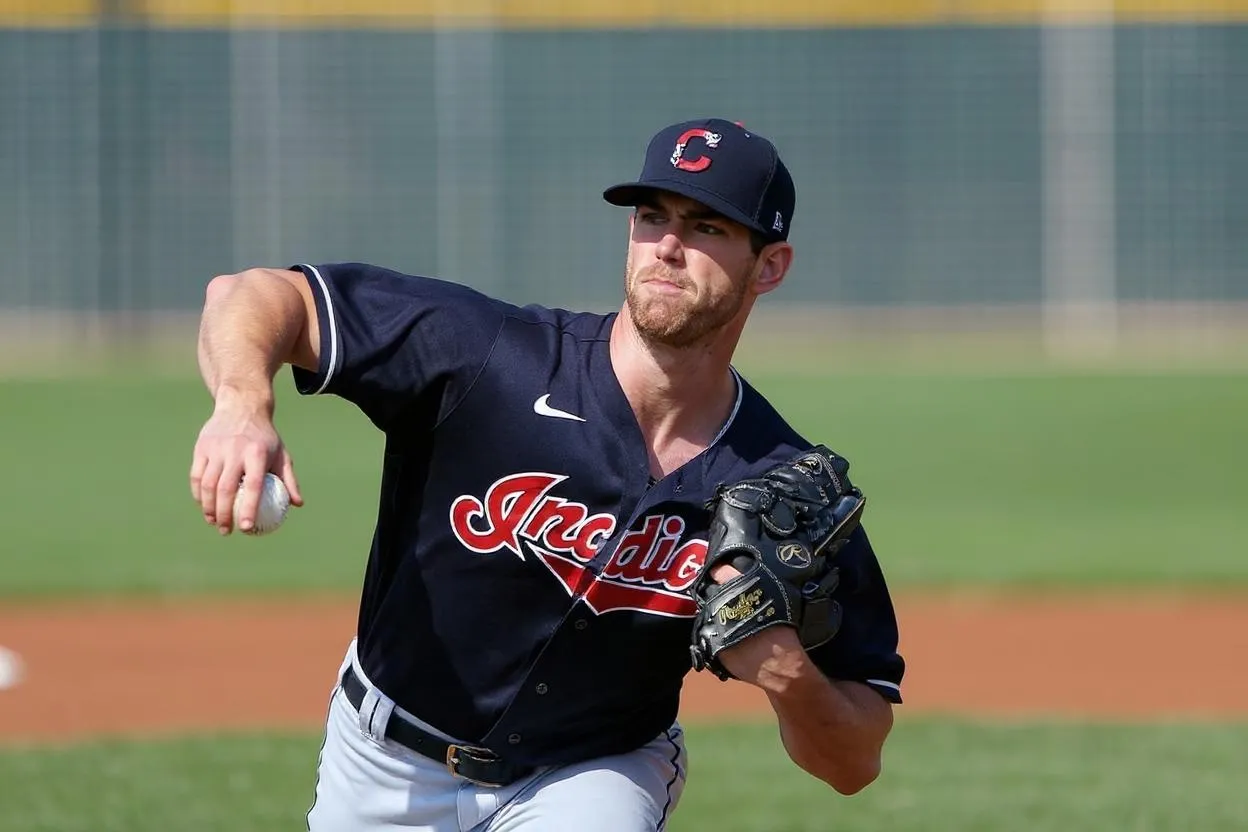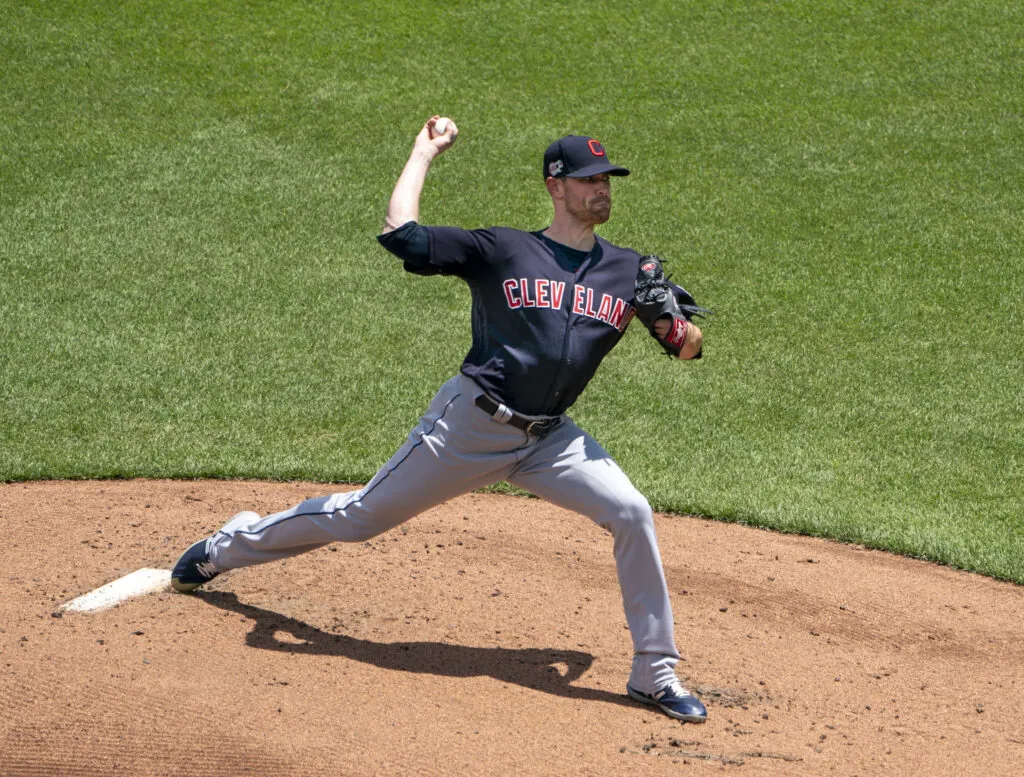
In a blockbuster move that has the baseball world buzzing, the Toronto Blue Jays are reportedly on the verge of acquiring former American League Cy Young Award winner Shane Bieber from the Cleveland Guardians.
The Toronto Blue Jays made one of the most significant pitching acquisitions of the trade deadline era, landing former American League Cy Young Award winner Shane Bieber from the Cleveland Guardians — a July 2025 trade-deadline move CBC Sports reported — in a deal that immediately redraws the AL East competitive map.
Cy Young Talent Headed North?
The trade delivers Toronto exactly what its front office had been hunting — a proven, frontline starter with postseason-caliber stuff — and sends a direct message to the New York Yankees and Baltimore Orioles that the Blue Jays are treating this season as a genuine championship opportunity, not a developmental exercise.
Bolstering the Rotation: A Closer Look
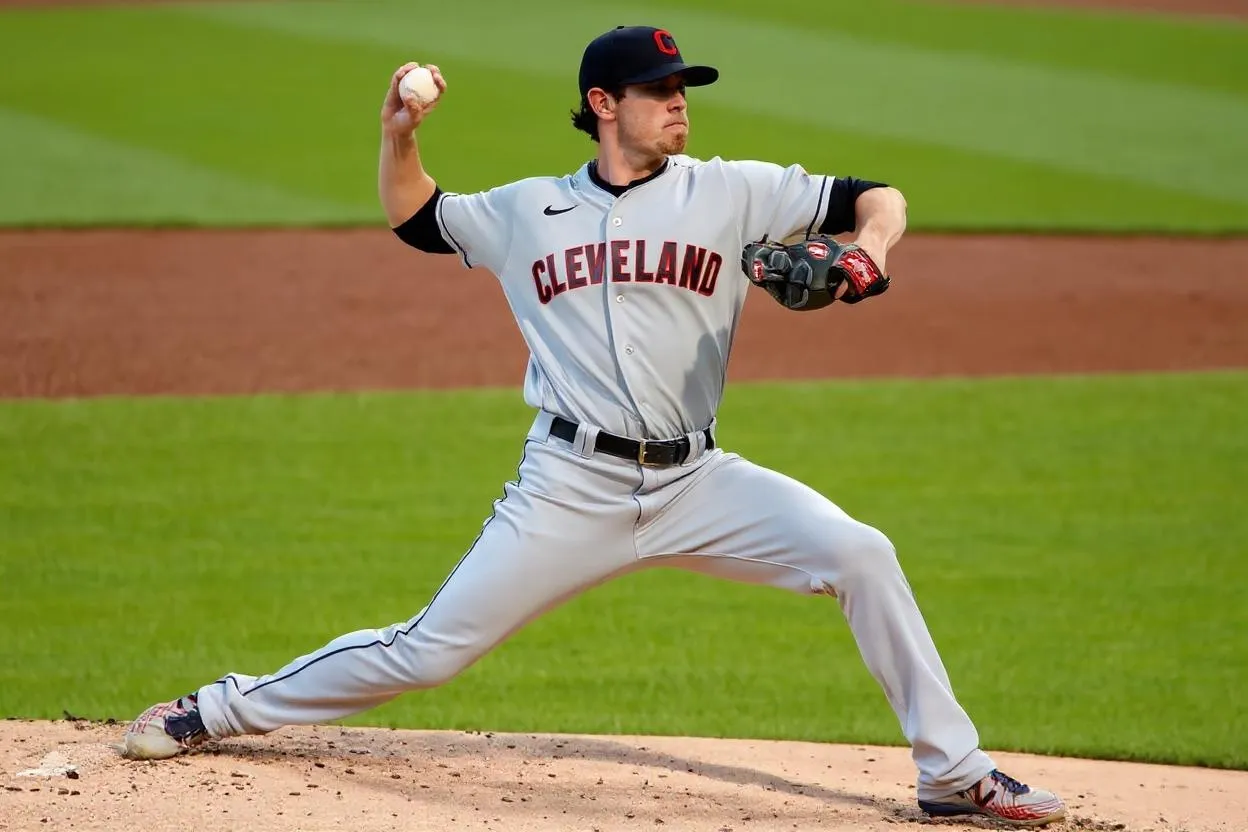
Bieber is not a reclamation project or a depth gamble. He is a 29-year-old right-hander with a Cy Young Award on his résumé, a four-pitch arsenal that generates elite swing-and-miss rates, and a competitive track record that holds up against any starter available on the trade market. For a Toronto club that entered the deadline stretch with rotation questions hanging over its postseason viability, this acquisition directly closes the gap between the Blue Jays and the AL’s top contenders.
Toronto’s front office had been transparent about its priorities heading into the deadline: starting pitching was the single non-negotiable need on the roster. The Bieber deal does not just address that need — it upgrades the rotation from a question mark into a legitimate strength.
The 2020 AL Cy Young campaign that defined Bieber’s national profile remains one of the most statistically dominant single-season performances by any starter in the modern era. He posted a 1.63 ERA, struck out 122 batters in just 77.1 innings, and held a 0.87 WHIP across the shortened 60-game season (all per Baseball Reference) — numbers that placed him in elite historical company. His 8-1 record and 14.2 strikeouts per nine innings that year were not products of a weak schedule; he dismantled lineups across the American League with a consistency that drew comparisons to peak Corey Kluber and early-career Max Scherzer.
The Guardians’ Tough Decision
The injury setbacks that followed — including Tommy John surgery recovery that cost him significant time — are real and cannot be dismissed. But Bieber’s ceiling as a healthy frontline arm remains among the highest in the American League, and Toronto’s medical and development staff will now have the opportunity to manage his workload with a postseason target in mind.
ESPN’s Jeff Passan broke the news of the finalized deal, reporting that Toronto had identified rotation reinforcement as a non-negotiable deadline priority and moved decisively once Bieber became available.
“The Toronto Blue Jays are finalizing a trade to acquire right-hander Shane Bieber from the Cleveland Guardians, sources tell ESPN. The Jays have been looking for another starter, and they get one in the former AL Cy Young winner,” Passan reported. The speed with which the deal closed suggested Toronto had been in contact with Cleveland well before the formal deadline push began.
The Blue Jays were not in the market for a back-end innings absorber or a rotation filler who could eat five innings and hand the game to the bullpen. The organization needed a starter capable of taking the ball in a Game 1 or Game 2 scenario — someone who could control the tempo of a postseason series and give Toronto’s offense a genuine chance to win a low-scoring game.

Bieber’s Potential Impact in Toronto
Bieber, when healthy, is precisely that pitcher. His four-pitch mix — headlined by a plus curveball with elite vertical break and a slider that generates swing-and-miss rates consistently ranking in the top tier of qualified starters league-wide — gives Blue Jays pitching coach Pete Walker a weapon capable of neutralizing opposing lineups from the first inning through the seventh. His ability to pitch to contact when needed, rather than relying exclusively on strikeouts, also makes him more durable across a full postseason run than pure power arms who see pitch counts spike early.
Bieber slots into a Toronto rotation that already features Kevin Gausman, José Berríos, and Alek Manoah, giving the Blue Jays a starting staff with genuine top-to-bottom depth that few American League clubs can match on paper. Gausman has been one of the more consistent starters in the AL over the past two seasons, and Berríos has shown the durability to log 180-plus innings. Adding Bieber at the front of that group creates a rotation capable of winning a five-game or seven-game series without leaning on the bullpen in every high-leverage moment.
What separates Bieber from a typical mid-rotation trade target is the quality and diversity of his secondary arsenal. His curveball generates elite vertical break that makes it nearly impossible to elevate, and his slider produces whiff rates that have consistently ranked among the best in the league among qualified starters. That combination allows him to attack both left-handed and right-handed hitters without a clear platoon vulnerability — a critical asset in October, when opposing managers have the luxury of stacking lineups against predictable pitchers.
His ability to work deep into games and suppress hard contact directly addresses one of Toronto’s most persistent vulnerabilities this season: an over-reliance on a bullpen that has been repeatedly taxed in high-leverage situations. Every additional inning Bieber can absorb in a playoff game is an inning the Blue Jays do not need to hand to a relief arm in a one-run situation.
Pitching Prowess: Dissecting the Numbers
A healthy Bieber pitching anywhere near his 2020-2021 standard fundamentally changes how opposing managers construct their lineup cards and bullpen deployment plans against Toronto. That kind of strategic disruption — forcing the other dugout to adjust rather than reacting to them — is exactly what a legitimate postseason contender needs from its ace.
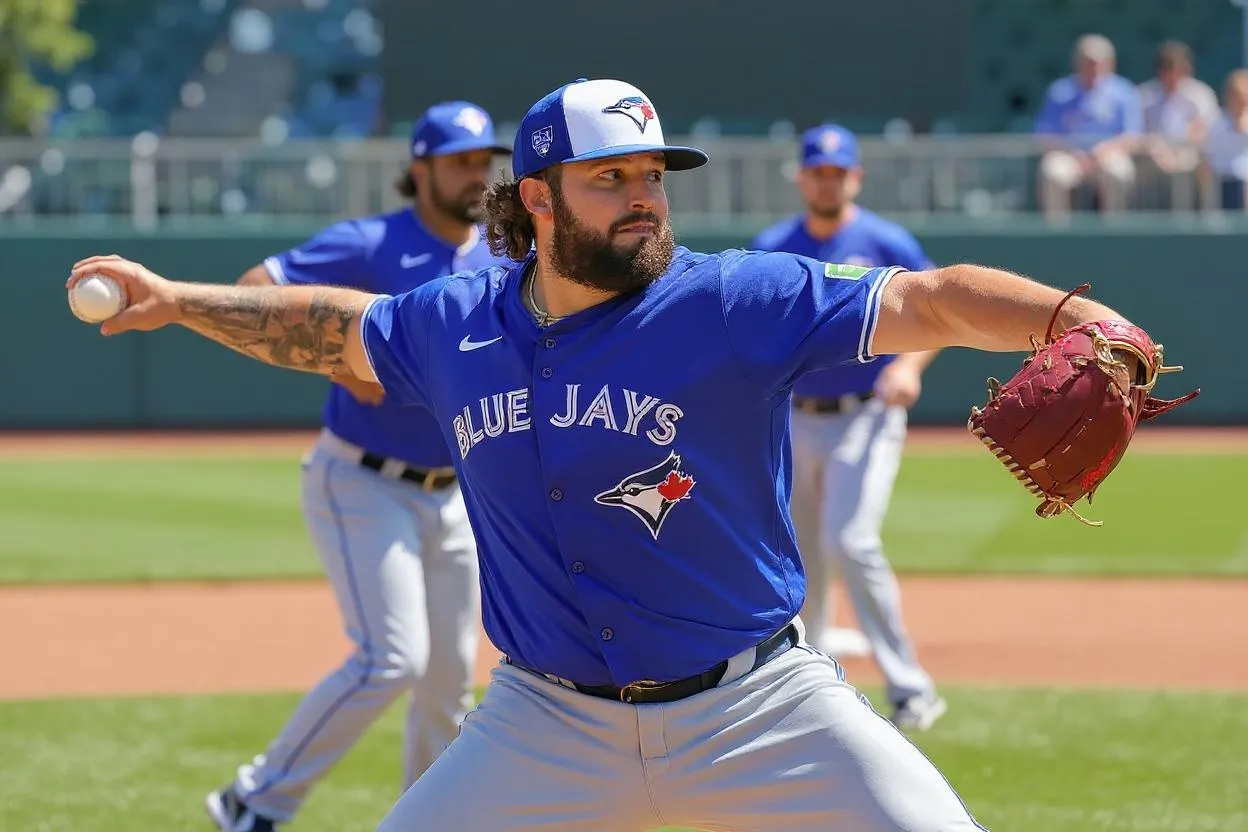
For Cleveland, moving Bieber reflects the disciplined, forward-looking roster philosophy that has defined the Guardians’ front office under president of baseball operations Chris Antonetti and general manager Mike Chernoff. The organization has consistently prioritized long-term asset accumulation over short-term win totals, and dealing from a position of strength — while Bieber’s market value remains high — fits that model precisely.
Bieber has been the face of the Cleveland pitching staff since his 2020 breakout, but with his contract situation creating financial complexity and the Guardians operating in a roster cycle that favors younger, cost-controlled talent, moving him now rather than watching his value erode through additional injury risk made clear organizational sense. Cleveland’s front office has never been sentimental about these decisions, and this deal is no exception.
Trading an established ace at peak market value allows Cleveland to restock a farm system that will need to generate the next competitive wave. The prospect return Toronto sent to Cleveland will be evaluated against that long-term framework — not against what Bieber might deliver in a Blue Jays uniform over the next three months.