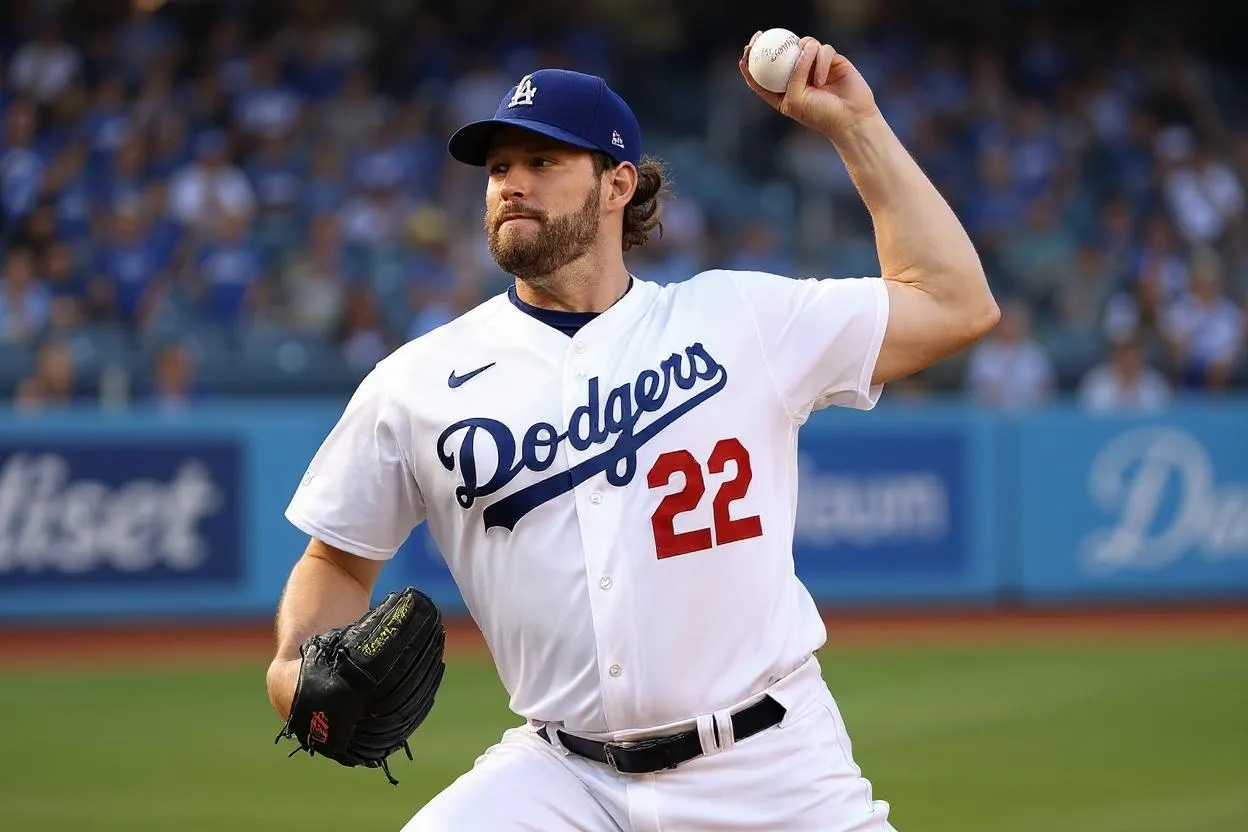
In a rare clash of future Hall of Fame pitchers, Clayton Kershaw and Max Scherzer faced off as rookies in 2008, providing a glimpse into their remarkable careers that would unfold over the next 15 years.
Flashes of Greatness, Glimpses of Struggle
On September 7, 2008, two pitchers who would go on to define a generation of MLB dominance faced each other at Dodger Stadium as rookies — a matchup so historically loaded that baseball historians reached back to 1890 to find a comparable precedent. Clayton Kershaw and Max Scherzer were barely household names that afternoon. Fifteen years later, they stand as two of the most decorated starters in modern baseball history.
The date was September 7, 2008, and Dodger Stadium hosted what would become one of the most historically significant early-career pitching matchups of the modern era. Neither Kershaw nor Scherzer had yet established themselves as frontline starters, but the afternoon offered the first concrete evidence that something extraordinary was developing in both right arms.
Mentors and Milestones
Kershaw was 20 years old and in the middle of a difficult rookie campaign. Scherzer, 23, had arrived from Arizona with a power arm and a competitive intensity that scouts had flagged since his college days at Missouri. Neither pitcher dominated that afternoon — but both showed enough to justify the hype that would follow them for the next decade and a half.
The matchup came together by circumstance rather than design. Randy Johnson and Greg Maddux — two future Hall of Famers in the final chapters of their careers — were originally scheduled to start for their respective clubs. When circumstances pushed both rookies into the spotlight instead, the baseball world got an accidental preview of what was coming.
The historical weight of the moment wasn’t fully appreciated in real time, but it should have been. Two pitchers facing each other as rookies who would each go on to win multiple Cy Young Awards is an extraordinarily rare event in baseball history — the kind of convergence that typically only becomes clear in retrospect.
Baseball historians noted that the last comparable instance of two future Hall of Famers squaring off in their rookie seasons dated back to 1890, when Cy Young and Kid Nichols met. That context alone elevates the September 2008 matchup from a late-season curiosity to a genuine historical footnote.
For Kershaw, the 2008 season was a crash course in big-league survival. He leaned heavily on his fastball-curveball combination but struggled with command throughout the year, posting a 4.26 ERA across 22 starts. The stuff was undeniable — the curveball already had the sharp, 12-to-6 break that would eventually make it one of the most feared pitches in the game — but the consistency wasn’t there yet. He walked 52 batters in 107.2 innings that season, a control problem he would systematically eliminate over the following three years.
Twilight of Titans
Scherzer arrived with a mid-to-upper-90s fastball — touching 97 mph — and a competitive edge that was immediately apparent to opposing hitters and scouts alike. His two-seamer generated heavy sink, and his slider gave him a legitimate swing-and-miss weapon against right-handed hitters. The raw ingredients of a future ace were already assembled. The refinement would come later, particularly after Detroit acquired him and he developed a sharper changeup to complement his power arsenal.
The box score from that September afternoon told a story of two pitchers still finding their footing. Kershaw lasted just four innings, surrendering three runs on three hits while striking out four — a performance that reflected his ongoing command issues as a 20-year-old navigating a major league lineup for one of his final starts of the season.
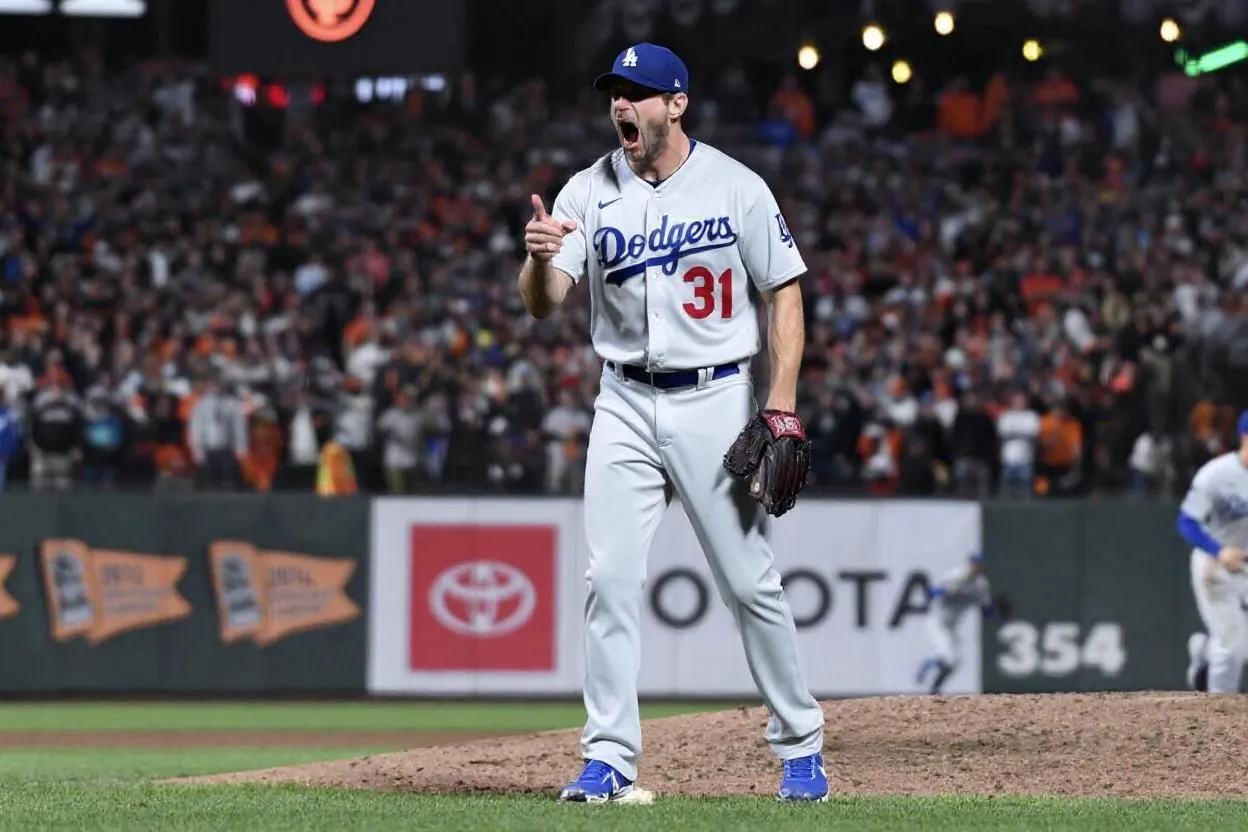
Scherzer was sharper, working five innings with three runs allowed on three hits, but the headline number was his 11 strikeouts backed by 21 swings and misses — a preview of the swing-and-miss arsenal that would eventually make him one of the most feared starters in the game. Those 21 whiffs in five innings were not the output of a pitcher still figuring things out. That was a glimpse of a finished product that the rest of baseball would spend years trying to solve.
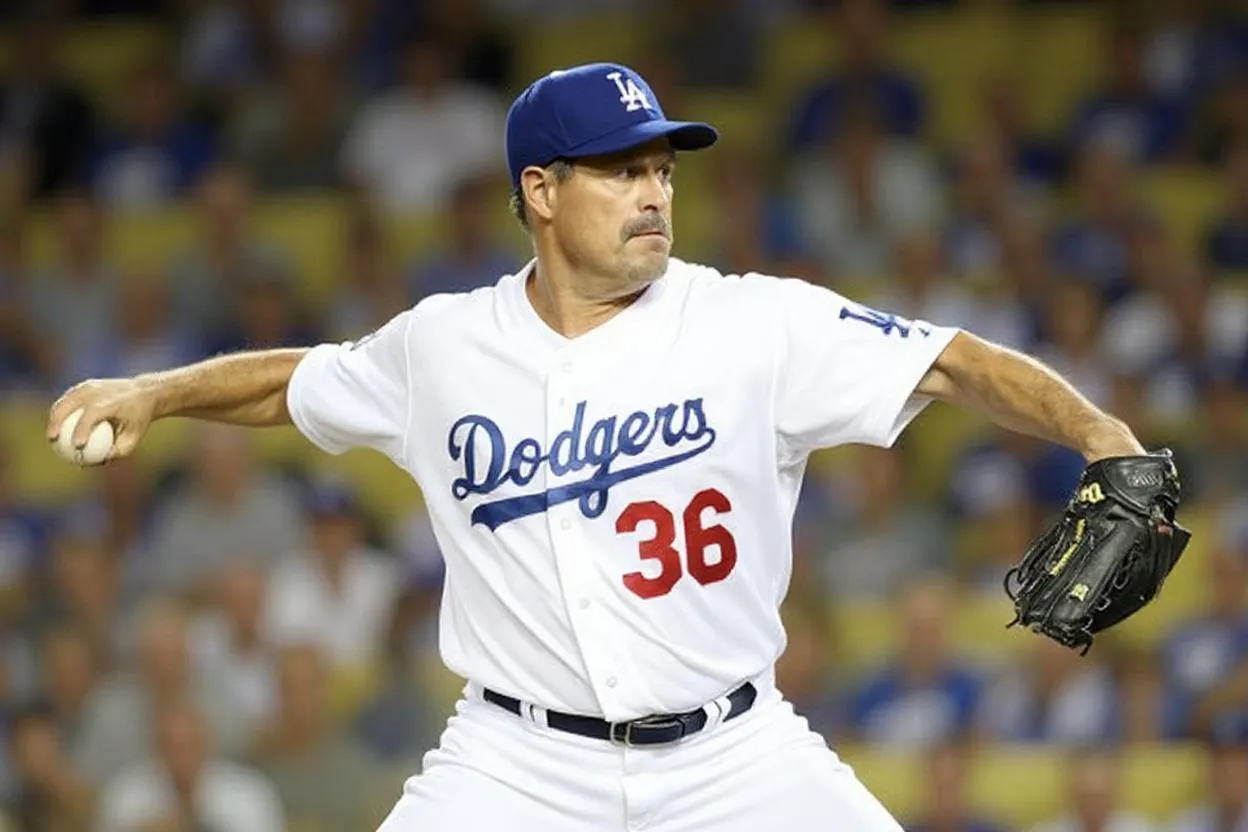
Greg Maddux, in the final season of a career that produced 355 wins and four consecutive Cy Young Awards from 1992 through 1995, had taken Kershaw under his wing that year. Maddux schooled the young left-hander on pitch sequencing, reading hitters, and the mental discipline required to sustain a long career at the highest level. The influence was visible in how Kershaw approached his craft in subsequent seasons — less reliant on pure velocity, increasingly focused on location and deception.
The Pursuit Never Ends
Randy Johnson, meanwhile, was chasing his 300th career win — a milestone he would reach later that season — and was managing the physical toll of a body that had logged over 4,100 major league innings. Johnson’s presence on that roster gave Scherzer a front-row seat to what sustained excellence at the highest level looked like, even as a pitcher’s body began to break down. It was an education that money couldn’t buy.
Fast-forward 15 years, and the careers that began on that Dodger Stadium mound evolved into two of the most decorated pitching résumés of the modern era. What looked like a late-season rookie start in a forgettable September game became the opening chapter of a dual legacy that reshaped how the sport thinks about pitching excellence.
Kershaw won three NL Cy Young Awards — in 2011, 2013, and 2014 — and added the NL MVP in 2014, becoming, per Britannica, the first pitcher to win that award since Bob Gibson in 1968. He finished with over 2,900 career strikeouts and a career ERA that ranks among the lowest in the live-ball era, a sustained level of dominance that drew legitimate comparisons to Sandy Koufax. Scherzer claimed three Cy Young Awards of his own — in the AL in 2013 with Detroit and in the NL in 2016 and 2017 with Washington — and surpassed 3,300 career strikeouts while throwing, as MLB.com documented, two no-hitters in 2015 alone.
Both pitchers crossed the 200-win threshold, both are World Series champions, and both briefly shared a rotation in 2021 when Scherzer joined the Dodgers at the trade deadline in a blockbuster deal that sent Trea Turner to Los Angeles as well. The Dodgers paid a steep price — prospects Josiah Gray, Keibert Ruiz, and others — to bring Scherzer in for a postseason run, a move that underscored just how much the organization valued adding another proven ace alongside Kershaw.
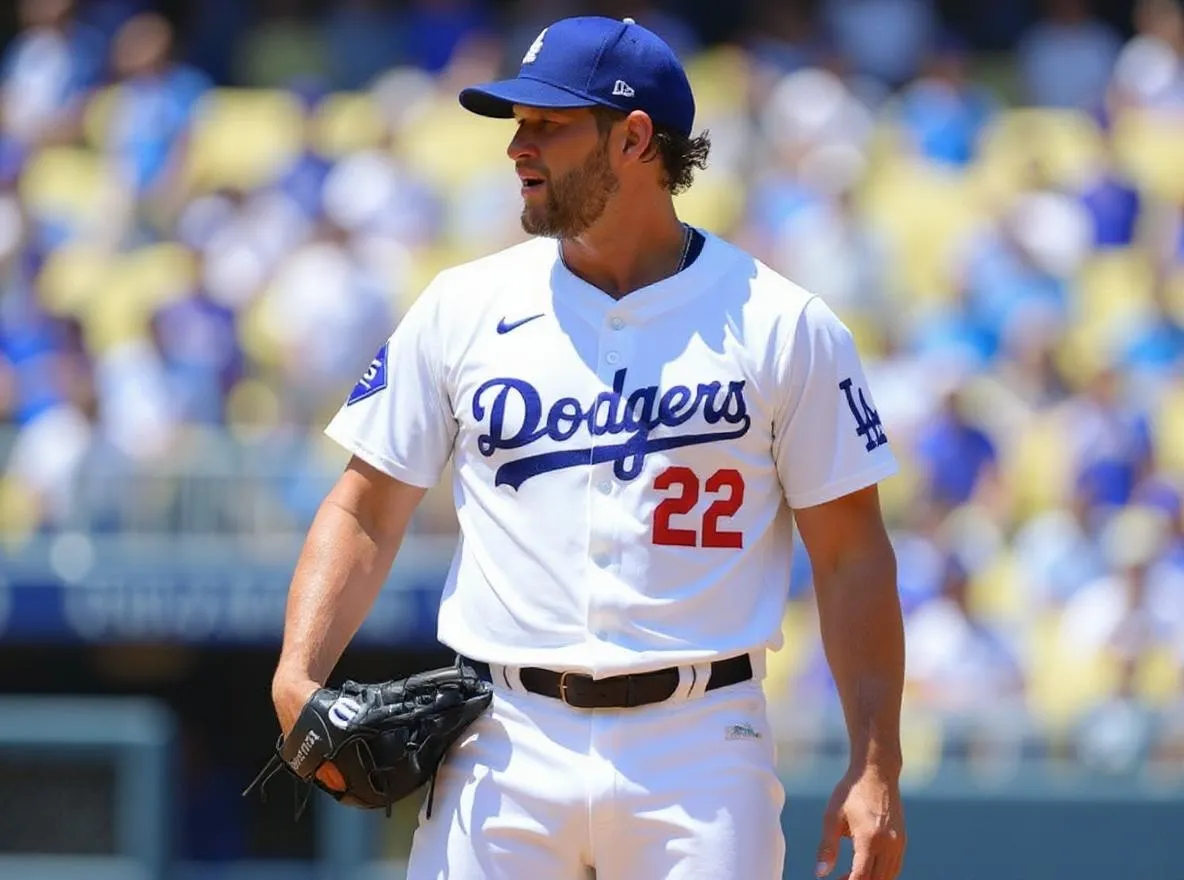
That half-season as teammates was a fitting reunion for two careers that had been running parallel since that September afternoon in 2008. Two rookies who shared a mound on a forgettable late-season day ended up sharing a rotation as veterans chasing another championship — a full-circle moment that baseball rarely delivers so cleanly.
The broader significance of the 2008 matchup extends beyond nostalgia. It serves as a reminder that elite pitching talent, even when raw and unpolished, carries identifiable markers. Scherzer’s 21 swings and misses in five innings and Kershaw’s sharp curveball movement were not accidents — they were signals. The scouts and coaches who recognized them early were watching the foundation of two Hall of Fame careers being poured in real time.
For fans who follow pitching development and prospect evaluation, the Kershaw-Scherzer rookie matchup is a useful case study in how differently two elite arms can arrive at the same destination. Kershaw was a work in progress at 20, relying on mentorship and mechanical refinement to unlock his ceiling. Scherzer was closer to a finished product at 23, needing only pitch mix development and experience to become the dominant force he would eventually be. Both paths led to Cooperstown-caliber careers. The September 2008 afternoon at Dodger Stadium was where both journeys publicly intersected for the first time.