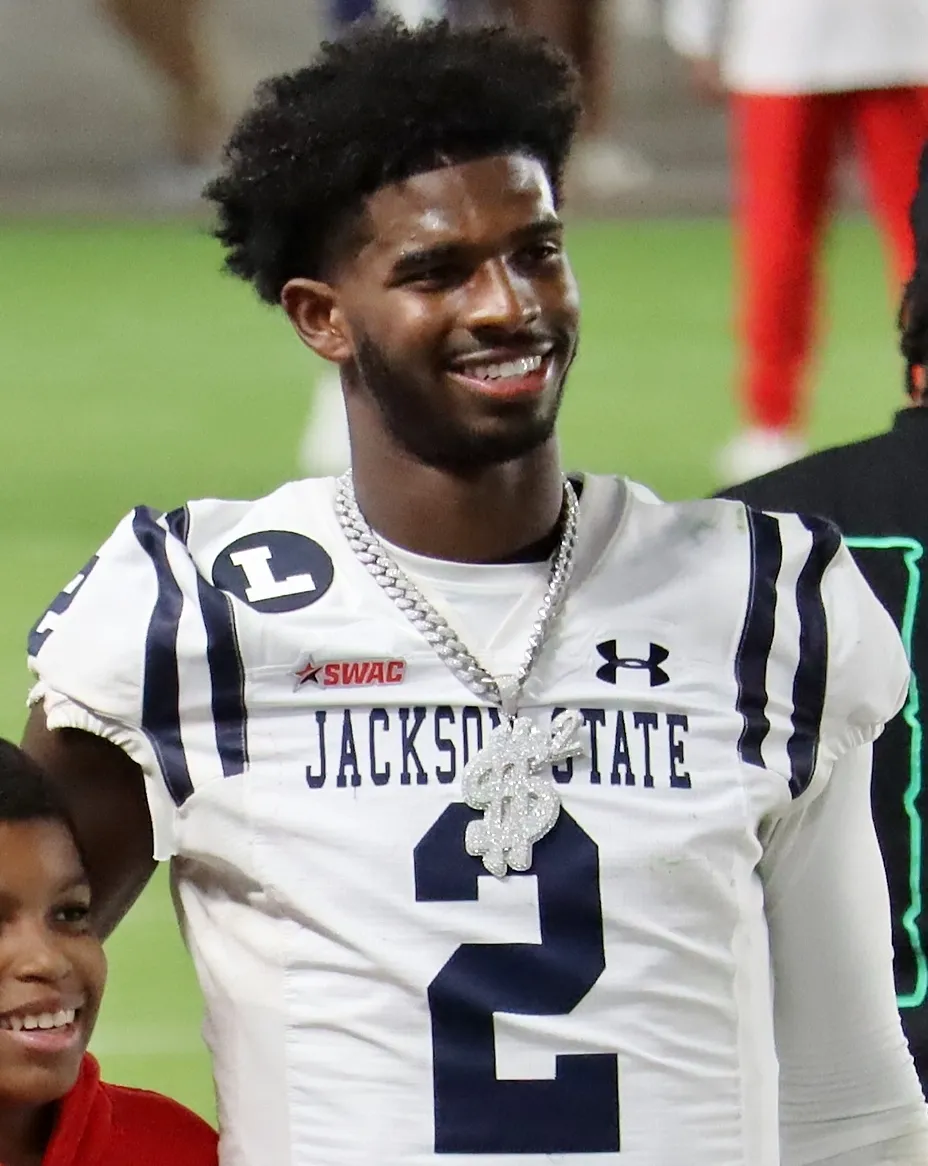
Few storylines entering the 2025 NFL preseason carry more intrigue than Shedeur Sanders’ situation in Cleveland — a fifth-round pick with first-round expectations, buried at the bottom of a depth chart that gives him almost no margin for error.
Rookie QB Shedeur Sanders Faces Uphill Battle in Cleveland
Sanders, the former Colorado signal-caller who generated more pre-draft buzz than almost any quarterback in recent memory, now faces the most difficult challenge of his football life: proving he belongs in an NFL quarterback room that was already stacked before he arrived.
Sanders entered Cleveland as one of the most polarizing figures of the entire 2025 NFL Draft cycle. His slide from a projected top-15 pick to the fifth round — 144th overall per the Cleveland Browns — was the defining story of draft weekend, drawing immediate scrutiny toward every franchise that passed on him, including the Browns themselves, who held multiple early picks before ultimately selecting him late.
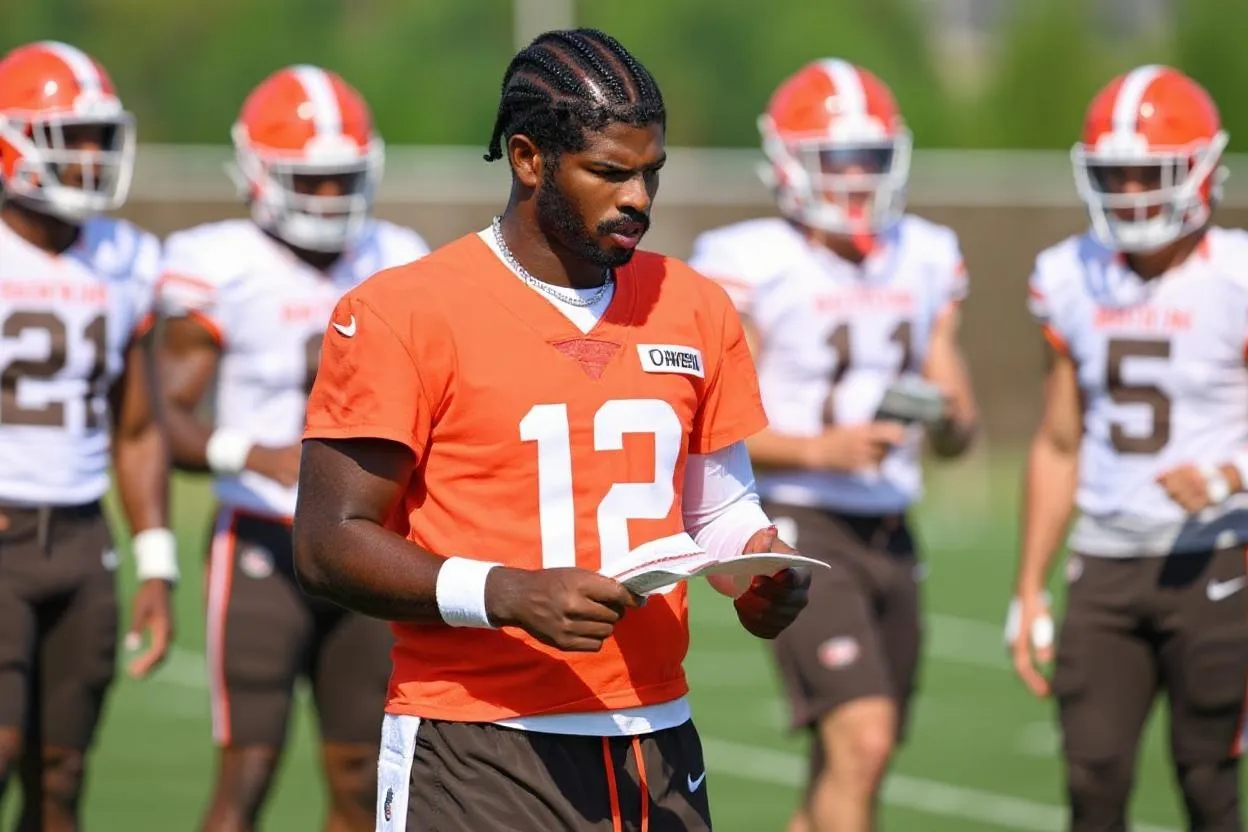
The Crowded Browns Quarterback Room: A Depth Chart Dilemma
The production Sanders put up at Colorado was legitimate. He threw for 4,134 yards and 37 touchdowns in his final college season, according to the University of Colorado, earned back-to-back Pac-12 Offensive Player of the Year honors, and operated one of the more efficient passing offenses in the country under head coach Deion Sanders. His completion percentage, pocket presence, and ability to process defenses pre-snap drew consistent praise from evaluators. The slide, by most accounts, had more to do with off-field perception and interview concerns than anything he did between the lines.
Cleveland’s first official depth chart of the 2025 preseason placed Sanders fourth — behind veterans Joe Flacco and Kenny Pickett, and fellow rookie Dillon Gabriel, who was drafted in the third round out of Oregon, per the NFL. That gap in draft capital between Gabriel (third round) and Sanders (fifth round) immediately established a structural disadvantage that Sanders must now overcome through performance alone.
The ordering is not arbitrary. NFL teams use draft position as a baseline signal of organizational investment, and the Browns’ decision to take Gabriel 94 picks earlier than Sanders tells the coaching staff something about front office priority. Gabriel enters camp with more institutional goodwill, more guaranteed reps, and more runway to develop — all before either player has taken a meaningful preseason snap.
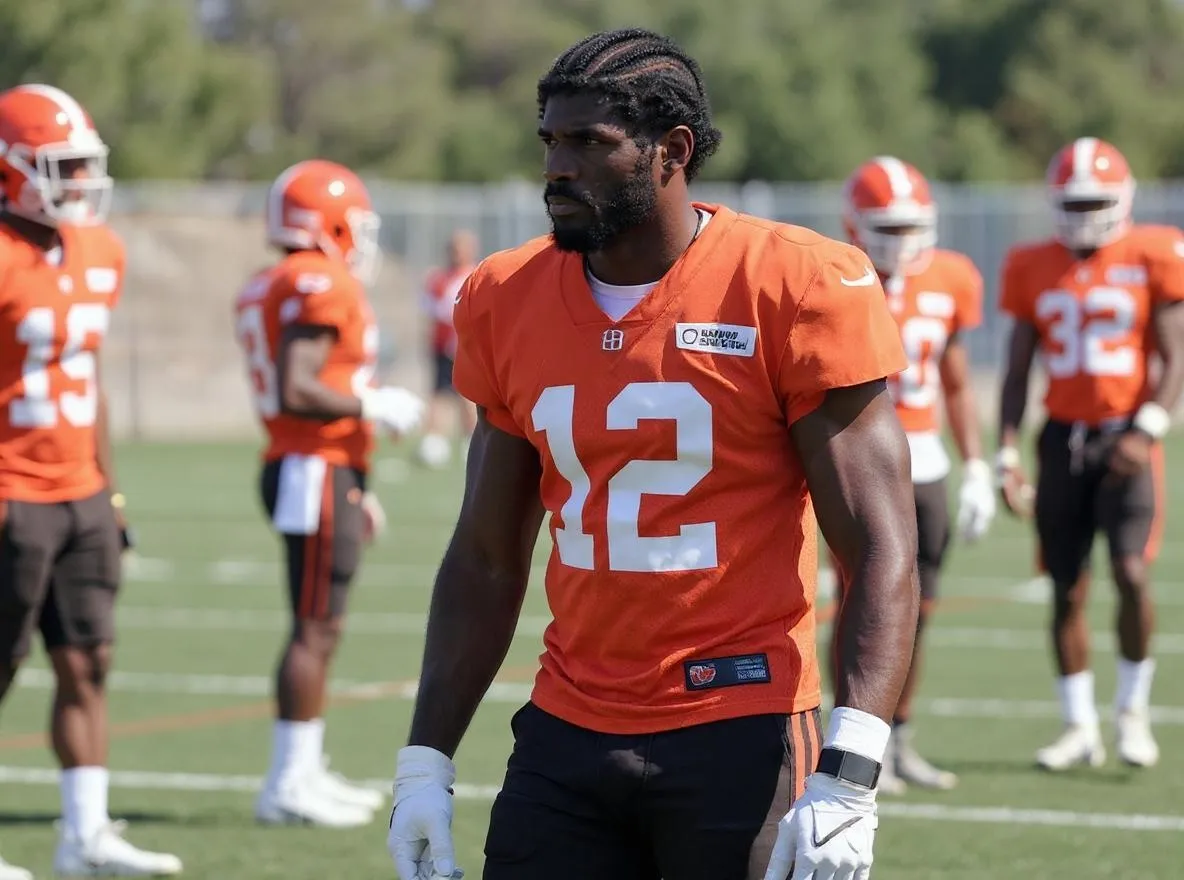
Preseason Spotlight: Can Sanders Leapfrog the Competition?
The reaction from around the league was swift. Several NFL analysts questioned whether Cleveland had a coherent plan for Sanders beyond using a late-round pick as a low-risk flier. If the Browns genuinely believed in his upside, the argument goes, they would have taken him earlier and given him a clearer path to playing time. Instead, Sanders finds himself in a room where simply making the 53-man roster is not guaranteed.
Joe Flacco anchors the top of the depth chart with the kind of résumé that commands respect in any quarterback room. The 40-year-old — he turns 40 in January 2026 — won Super Bowl XLVII MVP honors with the Baltimore Ravens and has remained a reliable bridge option throughout his career. His 2023 midseason run with Cleveland, where he posted a 4-1 record as a starter and threw for 1,616 yards in five games before injury ended the season, reminded the league he can still play at a functional NFL level.
Kenny Pickett, the 15th overall pick in the 2022 NFL Draft out of Pittsburgh, arrives in Cleveland looking to reset his career after a turbulent tenure with the Steelers. Pickett started 24 games for Pittsburgh across two seasons but was benched in favor of Russell Wilson midway through 2024, effectively ending his time there. He brings starting experience and the kind of arm talent that made him a first-round investment — but he also carries the weight of underperforming against expectations, which makes his own roster standing less certain than his draft pedigree suggests.
Dillon Gabriel presents perhaps the most direct competition for Sanders. The Oregon product finished his college career as one of the most prolific passers in FBS history, setting records for career passing yards and touchdowns across stops at UCF, Oklahoma, and Oregon. His third-round selection signals that Cleveland’s front office views him as a legitimate developmental prospect — not just a camp body. For Sanders, Gabriel is the immediate obstacle: the player he must outperform in preseason reps to move up even one spot on the depth chart.
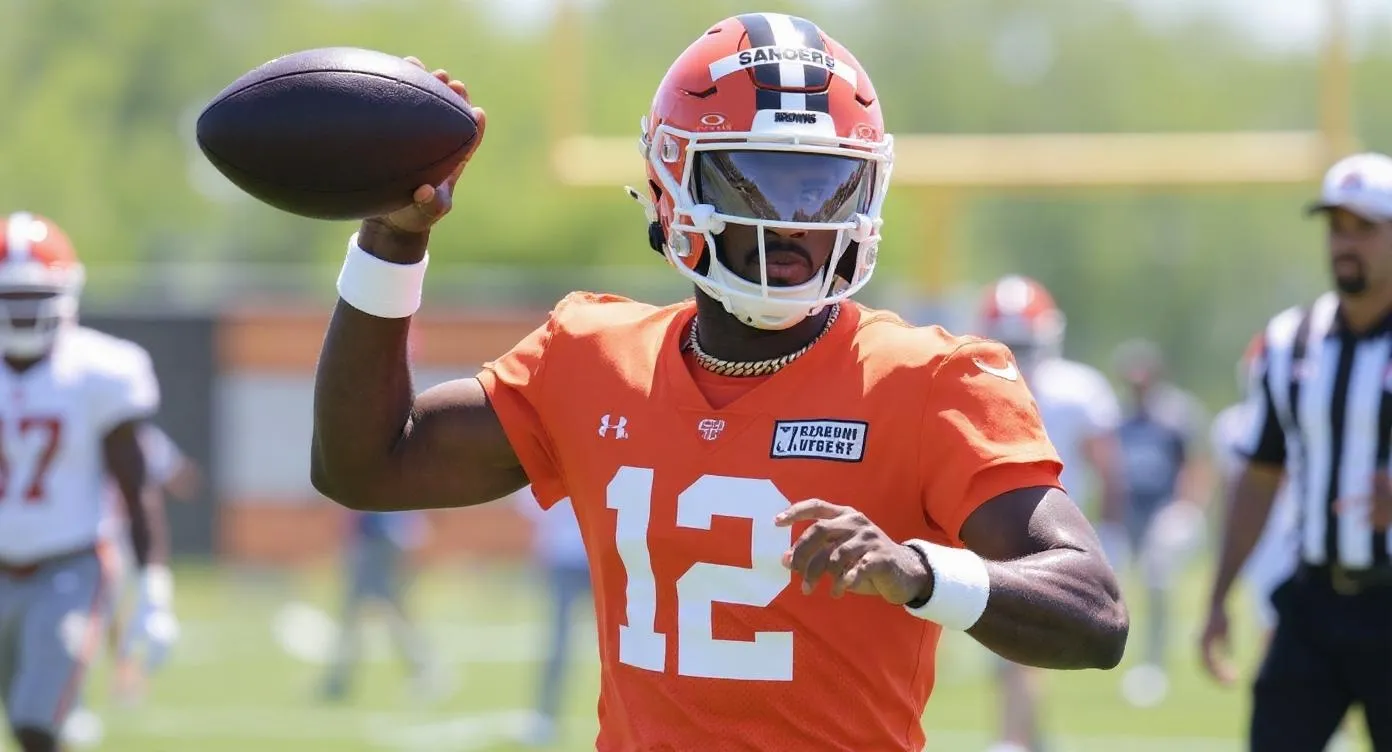
Huntley’s Arrival Adds Intrigue to QB Battle
Depth chart positioning in late July reflects organizational philosophy more than proven ability, but the preseason is where that hierarchy gets tested. Every rep Sanders takes in a live game setting is an audition — not just for a roster spot, but for the Browns’ long-term evaluation of whether his draft-day slide was a market mistake or a legitimate red flag.
Cleveland’s preseason schedule gives Sanders a defined window to make his case. The Browns open against the Carolina Panthers before facing the Philadelphia Eagles and Los Angeles Rams in subsequent weeks. The second and third preseason games typically feature the heaviest workload for players fighting for roster spots, meaning Sanders could see extended action against competitive defensive units — the kind of reps that actually move the needle in a coaching staff’s evaluation.
Those games matter more than any practice report. Preseason statistics carry limited weight in isolation, but consistent decision-making, accuracy under pressure, and the ability to move an offense against NFL-caliber defenders are the benchmarks coaches use to separate developmental prospects from roster cuts. Sanders needs to check those boxes convincingly, not just adequately.
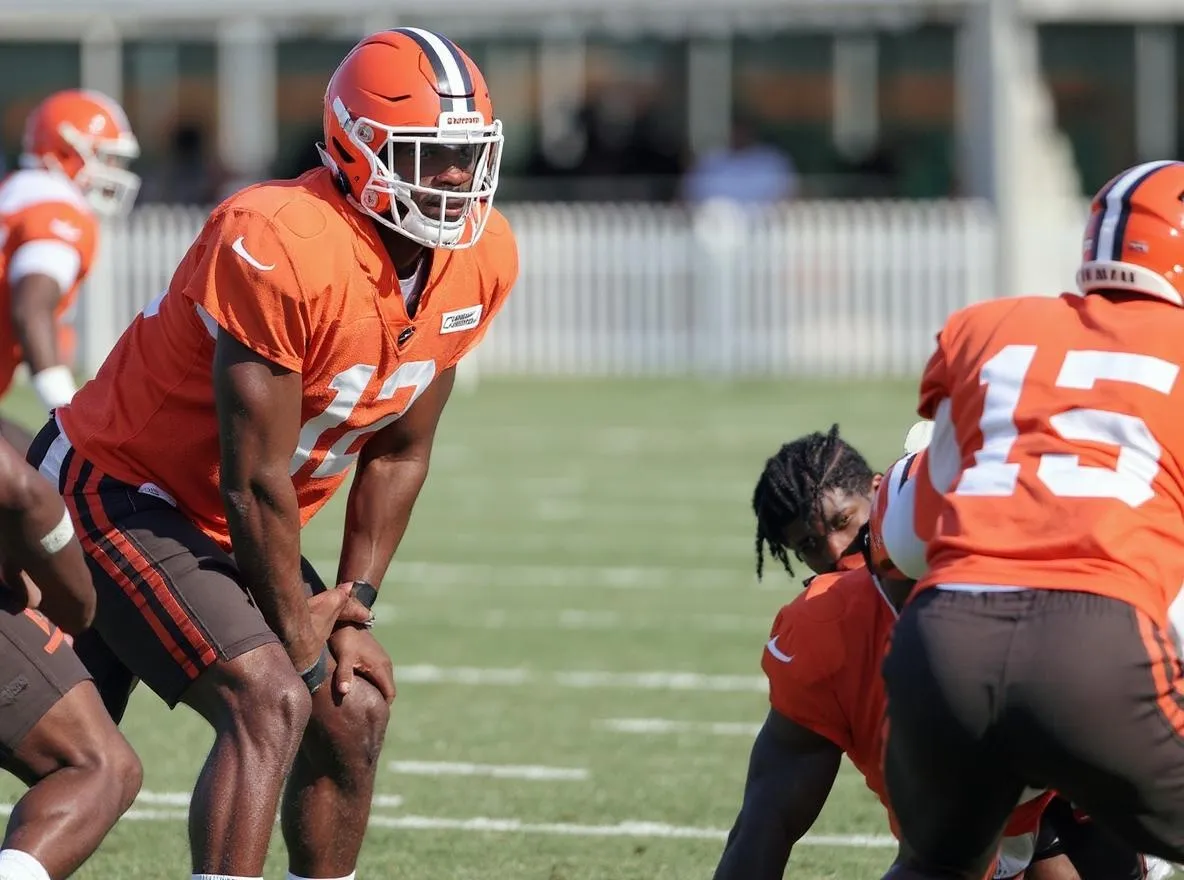
Browns’ Preseason Schedule: A Proving Ground for Young Quarterbacks
The clock is tight. NFL teams must cut rosters to 53 players by late August, and every week of training camp that passes without Sanders separating himself from the pack makes his path narrower. A strong preseason performance could earn him a practice squad spot at minimum — but Sanders and his camp almost certainly have higher ambitions than that.
The Browns added another layer of competition by signing Tyler Huntley, the former Baltimore Ravens backup who has appeared in 21 NFL games and posted a 5-3 record as a starter. Huntley is a mobile, experienced option who gives Cleveland’s coaching staff a known commodity they can deploy without development risk — the kind of player teams keep specifically because he doesn’t need time to get up to speed.
Huntley’s presence is a direct complication for Sanders’ roster chances. A team carrying four quarterbacks is unusual; carrying five is almost unheard of. With Flacco, Pickett, Gabriel, and Huntley all ahead of Sanders on the depth chart, the Browns would need a compelling reason to keep him on the active roster rather than stashing him on the practice squad.
That means Sanders isn’t just competing for a starting job — he’s competing to prove he’s more valuable than a veteran backup with NFL starting experience. It’s a framing that would have seemed absurd during the pre-draft process, when Sanders was being discussed as a potential franchise cornerstone. Now it’s the reality he’s navigating.
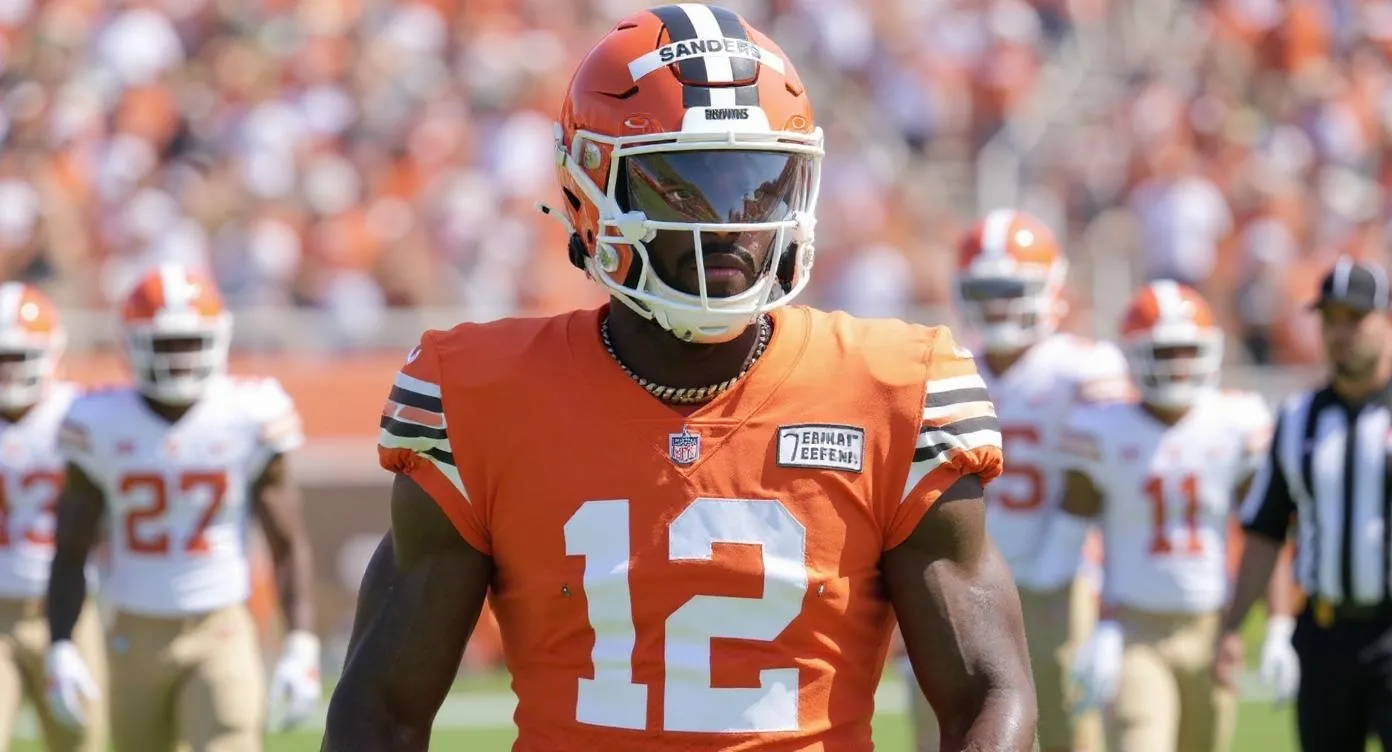
For any fifth-round pick, this kind of uphill climb is standard. For Sanders specifically, given the expectations that surrounded him entering the draft, the gap between projection and current standing is unusually stark. Whether he closes that gap over the next six weeks will define not just his 2025 season, but the early arc of his NFL career.
What Sanders has working in his favor is that NFL depth charts in late July are not final verdicts. Injuries, performance gaps, and coaching staff preferences shift quickly once live reps begin. Several quarterbacks throughout NFL history have started training camps buried on depth charts and worked their way into meaningful roles — or even starting jobs — before the regular season. The Browns’ situation is fluid enough that a dominant preseason showing could change the conversation entirely. The question is whether Sanders has the tools, the mindset, and the opportunity to make that happen.
The broader narrative here extends beyond Cleveland. Sanders’ trajectory will be watched closely across the league as a referendum on the draft process itself — specifically, whether the teams that passed on him made the right call or left a legitimate starter on the board. Every preseason snap he takes carries that subtext. For Browns fans, the more immediate question is simpler: can the most talked-about quarterback in the 2025 draft class find a way to make this roster and eventually justify the hype that followed him from Boulder to the NFL?