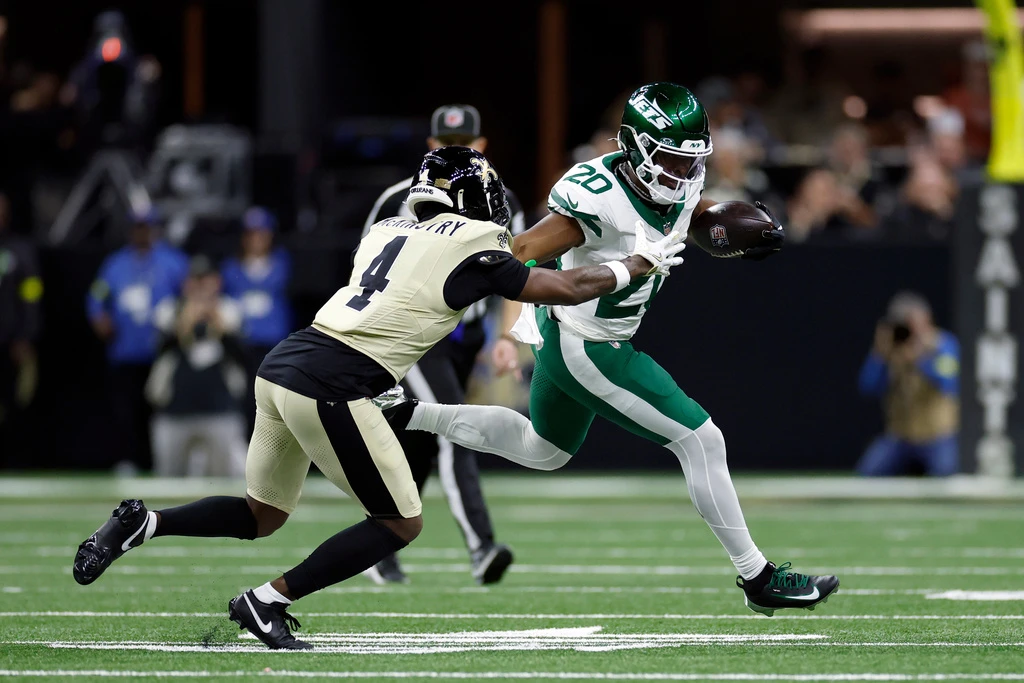
Five elite running backs stand at a critical crossroads—each still chasing their first rushing title, yet potentially poised to claim one in 2026. This convergence isn’t coincidental.
It represents a rare alignment of talent maturation, strategic coaching decisions, and offensive innovations reshaping how these players operate within their systems.
Modern offenses are built around maximizing running back efficiency, creating expanded opportunities for both volume and production. Coaching staffs have recommitted to ground-game excellence as a championship cornerstone, with roster moves across the league reflecting this strategic pivot.
Historically, running backs held paramount importance—as recently as the 1990s, the position rivaled quarterback in value, with 23 backs selected first overall.
Yet, as NFL Draft history shows, none has gone first since 1995, reflecting a fundamental shift in roster construction philosophy.
The 2026 season will reward not the most talented back, but rather whoever’s situation, health, and opportunity align most favorably—a reality underscoring the modern NFL’s emphasis on systematic advantage over positional pedigree.
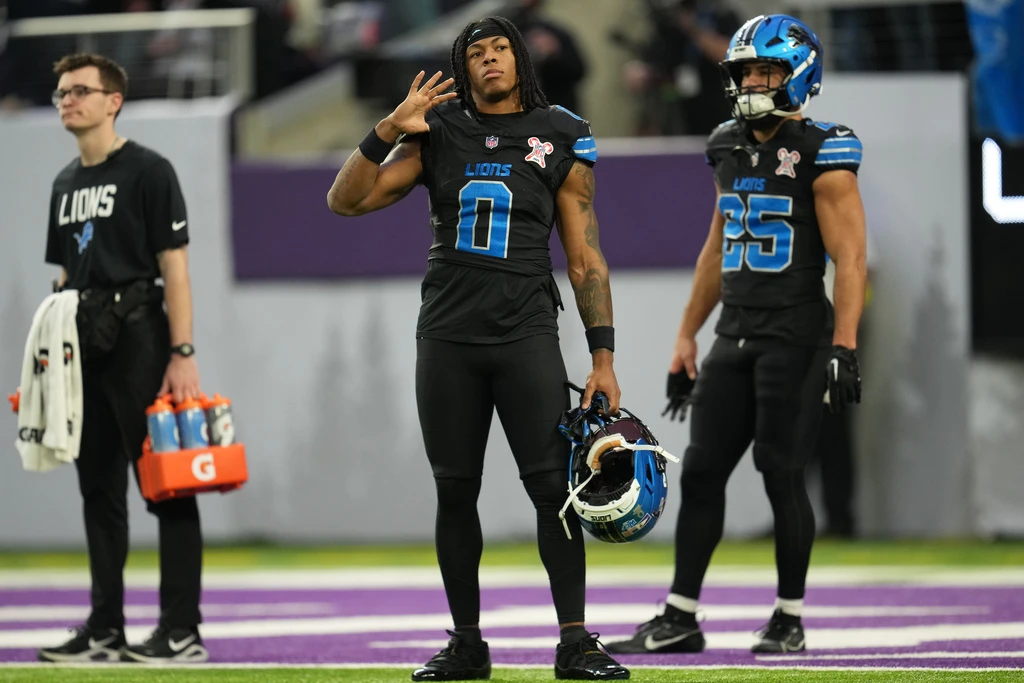
Jahmyr Gibbs: Detroit’s Unstoppable Force in Motion
Jahmyr Gibbs enters 2026 as the presumptive favorite, operating within a Lions offense fundamentally restructured around maximizing his talents.
Detroit’s coaching staff has proven willing to feed him the volume necessary for massive yardage totals, supported by an exceptional receiving corps that creates favorable defensive matchups.
Gibbs’ unique blend of elite burst acceleration, cutting ability, and receiving prowess makes him nearly impossible to game-plan against—defenders can’t predict whether he’ll line up in the backfield or split wide.
His physical durability across multiple elite seasons suggests sustainability many competitors lack.
The Lions’ commitment to establishing the run early, coupled with Gibbs’ athletic excellence and the team’s comprehensive offensive infrastructure, positions him to realistically accumulate 1,800+ rushing yards.
Running backs historically depend on offensive line play and scheming; Gibbs’ advantage lies in alignment with one of the league’s most committed ground-game systems.
His proven consistency and the offensive system’s comprehensive commitment make him the odds-on favorite among all five contenders.
The Dark Horse Contenders: Hall, Hampton, and Robinson Making Dangerous Moves
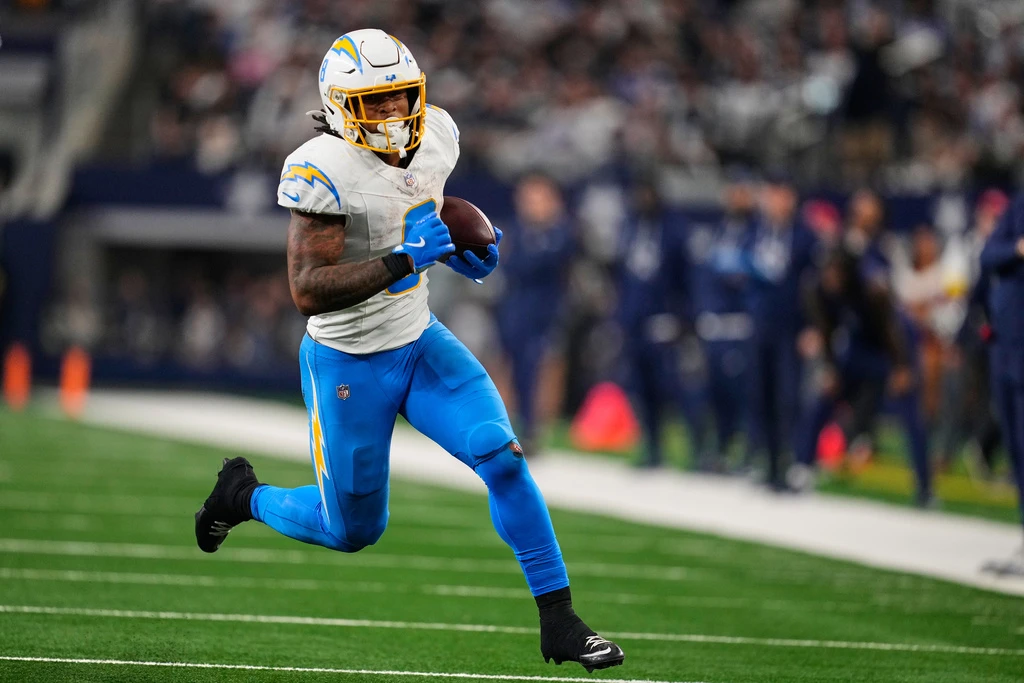
Breece Hall, Omarion Hampton, and Bijan Robinson comprise a legitimate second tier, each bringing distinct skill sets and compelling circumstances.
Hall’s exceptional receiving ability transforms him into a chess piece creating defensive confusion—slot or attached to the line? Hampton embodies pure, concentrated power, emerging as a dominant force within the Chargers’ ground-game framework.
Robinson brings proven consistency and significant yardage generation when given adequate volume. Yet Robinson’s 2026 outlook demands scrutiny following Atlanta’s depth signings, which could complicate his path to rushing-title volume.
Modern analytics confirm running back production hinges on offensive scheming and opportunity rather than talent alone; backups have frequently matched starting backs’ production in identical systems.
Hall’s versatility aligns perfectly with modern offenses seeking multi-dimensional threats—proving he can handle the lion’s share of touches on the ground—while Hampton’s raw power, combined with Los Angeles’ run-heavy commitment, could produce surprising results.
These three’s relative freshness compared to veterans is compelling—though Robinson’s situation underscores that roster context and available touches dramatically shift title-contention odds. If circumstances align, increased carries could translate Hall and Hampton directly into rushing-title contention.
Javonte Williams and the Dallas Wildcard: Can He Finally Reclaim His Throne?
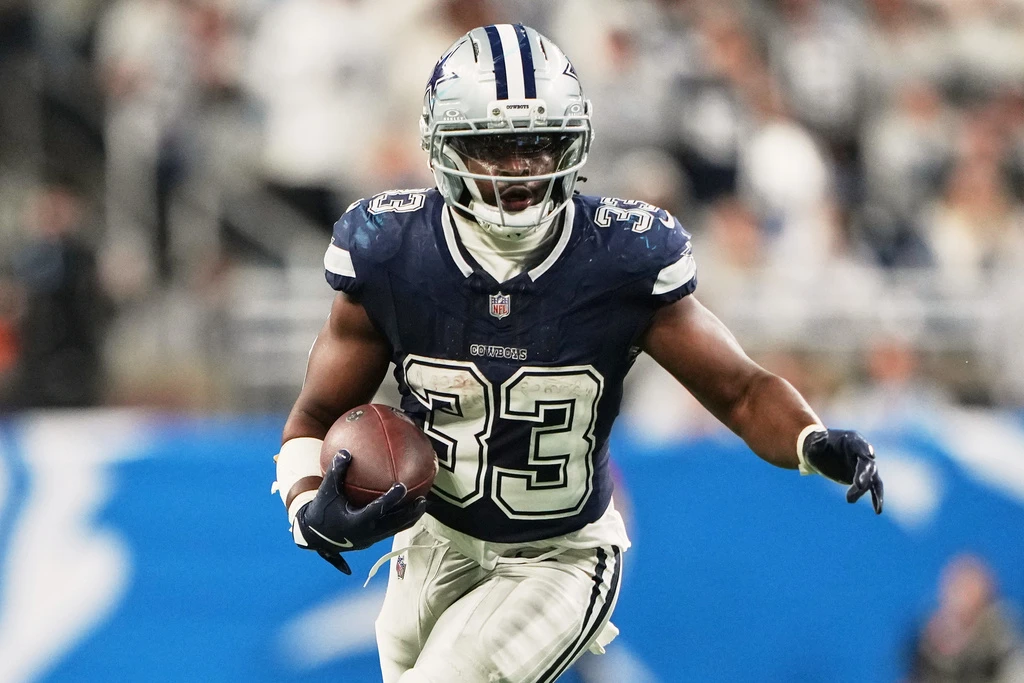
Javonte Williams presents perhaps the most compelling narrative—a tremendously talented player whose trajectory was interrupted by injury and crowded backfields.
His Dallas move represents a potential inflection point where injury recovery, restored health, and a coaching staff committed to ground-game dominance converge into an extraordinary comeback.
The Cowboys’ philosophy centers on establishing the run, creating an environment where a healthy, motivated Williams could accumulate title-contending volume.
His combination of power, agility, and downfield vision creates versatility modern defenses struggle to contain. Yet Williams must overcome legitimate durability concerns plaguing recent seasons; a fully healthy 2026 remains uncertain but tantalizing.
Dallas’s organizational commitment to featuring him prominently, supported by strategic roster investments strengthening offensive infrastructure, signals confidence in his elite potential when opportunities materialize. Williams’ narrative—comeback from adversity—makes him an intriguing contender whose success or failure will define the 2026 rushing title race’s storyline.
The X-Factors That Will Decide Everything: Why Offensive Systems Matter More Than You Think
Rushing titles are fundamentally determined by a complex interplay extending far beyond individual talent: coaching philosophy, blocking scheme quality, offensive line performance, defensive alignment strategies, and play-calling consistency all dramatically influence rushing success.
Teams prioritizing early run establishment, maintaining commitment despite game flow, and designing schemes tailored to their back’s strengths accumulate disproportionate advantages.
Offseason roster evaluations reveal clear correlation between elite offenses and strategic investments in running back infrastructure—elite franchises understand individual talent alone cannot drive rushing title success.
Modern analytics reinforce this: running back production depends heavily on offensive line play and scheming rather than the ball carrier, with studies showing backups frequently matched starting backs’ production in identical systems.
Conversely, talented backs within spread offenses or behind underperforming lines face ceiling constraints regardless of brilliance.
Supporting cast quality—particularly wide receiver talent attracting defensive attention—creates favorable rushing environments by forcing defenses into difficult coverage decisions.
Coaching consistency proves crucial; offensive coordinators maintaining ground-game commitment despite scoring deficits or adjustments allow backs to accumulate necessary volume.
Ultimately, the 2026 rushing title will reward not the most talented back, but rather the player whose complete situational context—scheme alignment, offensive line quality, coaching philosophy, and surrounding talent—maximizes his efficiency throughout the season.