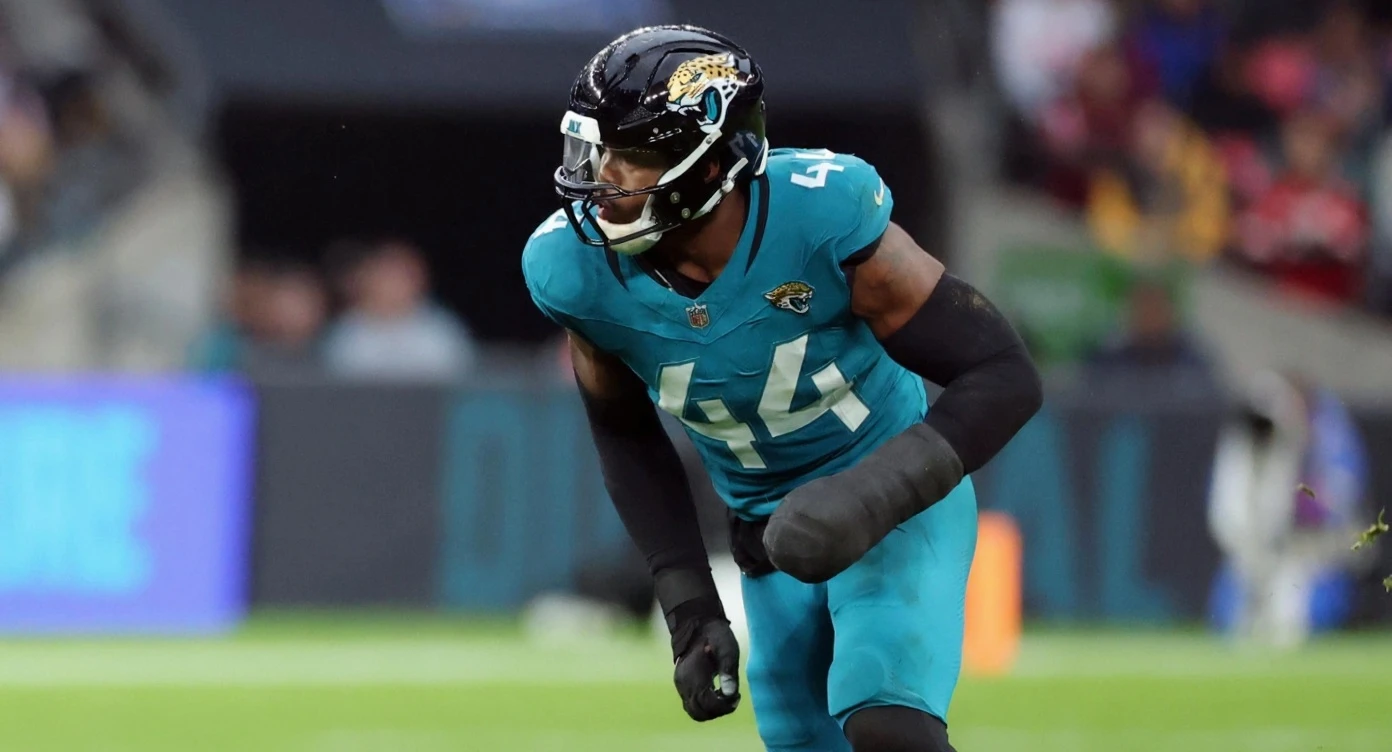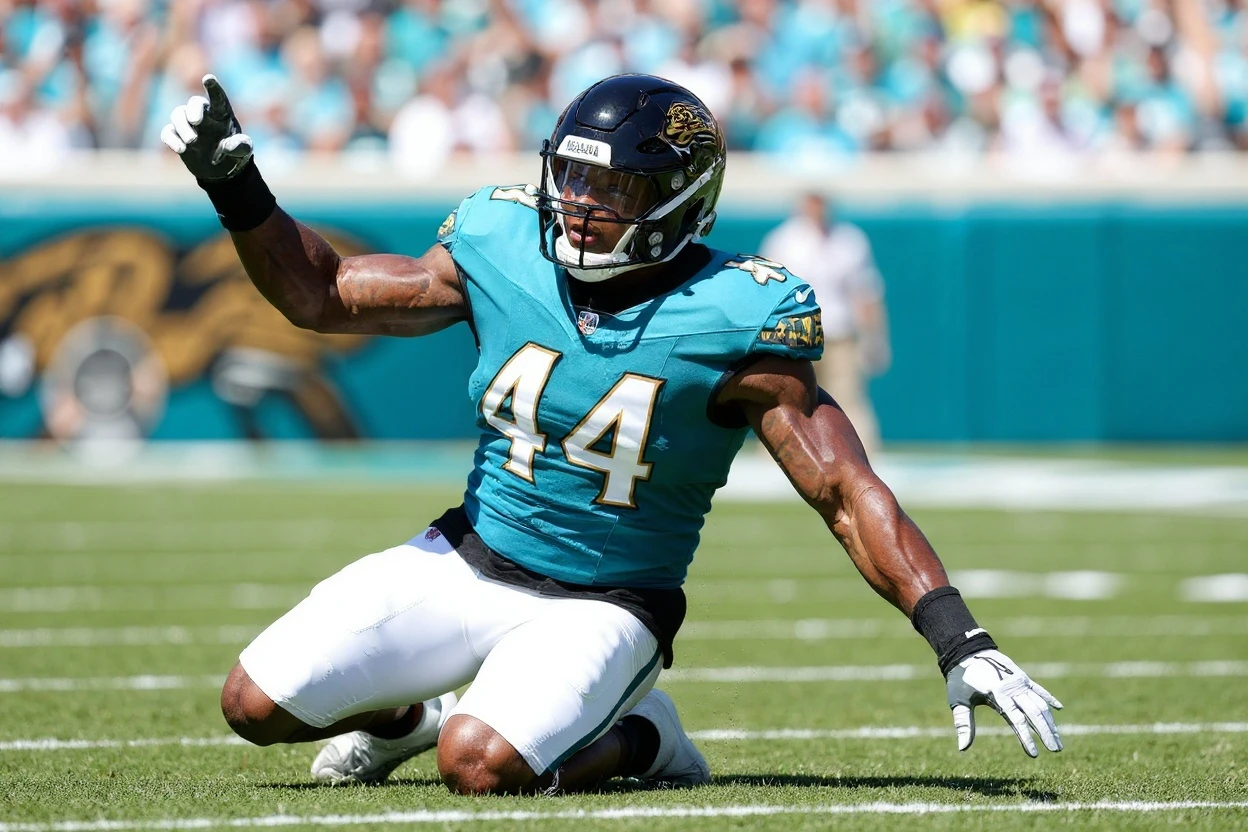
The Jacksonville Jaguars just bet big on Travon Walker with a 4-year, $110 million extension, making him the highest-paid defensive end in the NFL by average annual value at $27.5M per year.
The Jacksonville Jaguars have made one of the boldest defensive investments in recent NFL history, signing Travon Walker to a four-year, $110 million extension that makes him the highest-paid defensive end in the league by average annual value at $27.5 million per year.
The timing, however, invites scrutiny. Walker’s 2025 season was cut short by wrist and knee injuries that required surgery, raising a pointed question: is Jacksonville paying for the player Walker has proven he can be, or gambling on a version of him that may not fully return?
The contract structure reveals just how committed the Jaguars are — $77 million in guaranteed money with $50 million due at signing, as NFL.com reported. That level of financial commitment doesn’t leave much room for hedging. Jacksonville is all-in on Walker’s recovery and long-term upside, regardless of what critics say about the timing.
Walker’s path to this contract started at the very top of the 2022 NFL Draft, when Jacksonville selected him first overall and signed him to a fully guaranteed four-year rookie deal worth $37.4 million on May 12, 2022, as NFL.com detailed. He arrived as a raw but physically imposing pass rusher out of Georgia, where he won a national championship but had limited production — just 9.5 sacks across four college seasons.
On April 7, 2025, the Jaguars exercised Walker’s fifth-year option, a procedural but meaningful signal of organizational commitment before the extension was finalized. That decision, made before Walker’s injury-shortened season concluded, underscores how much the front office values his ceiling over his recent floor. The broader market context makes the dollar figure easier to understand.
The New York Jets recently locked in All-Pro cornerback Sauce Gardner to a four-year, $120.4 million extension worth $30.1 million annually, making him the highest-paid cornerback in NFL history at the time of signing, as the NFL announced.
Gardner’s deal and Walker’s extension, both four-year commitments in the $27.5 million to $30 million range, reflect a league-wide recalibration of what elite defensive talent commands in today’s market. These aren’t outlier contracts — they’re the new benchmark.
Walker’s $27.5 million AAV fits squarely within the current inflation curve for elite pass rushers rather than representing an overpay in isolation. The Jaguars moved decisively to lock him up before he could reach unrestricted free agency in 2026, where a healthy Walker would almost certainly have commanded even more on the open market. The extension cements his role as a franchise cornerstone — but it also creates real cap pressure going forward, potentially forcing Jacksonville to restructure or release other contributors to stay compliant.
From Promising Prospect to Elite Pass Rusher: Walker’s Transformation
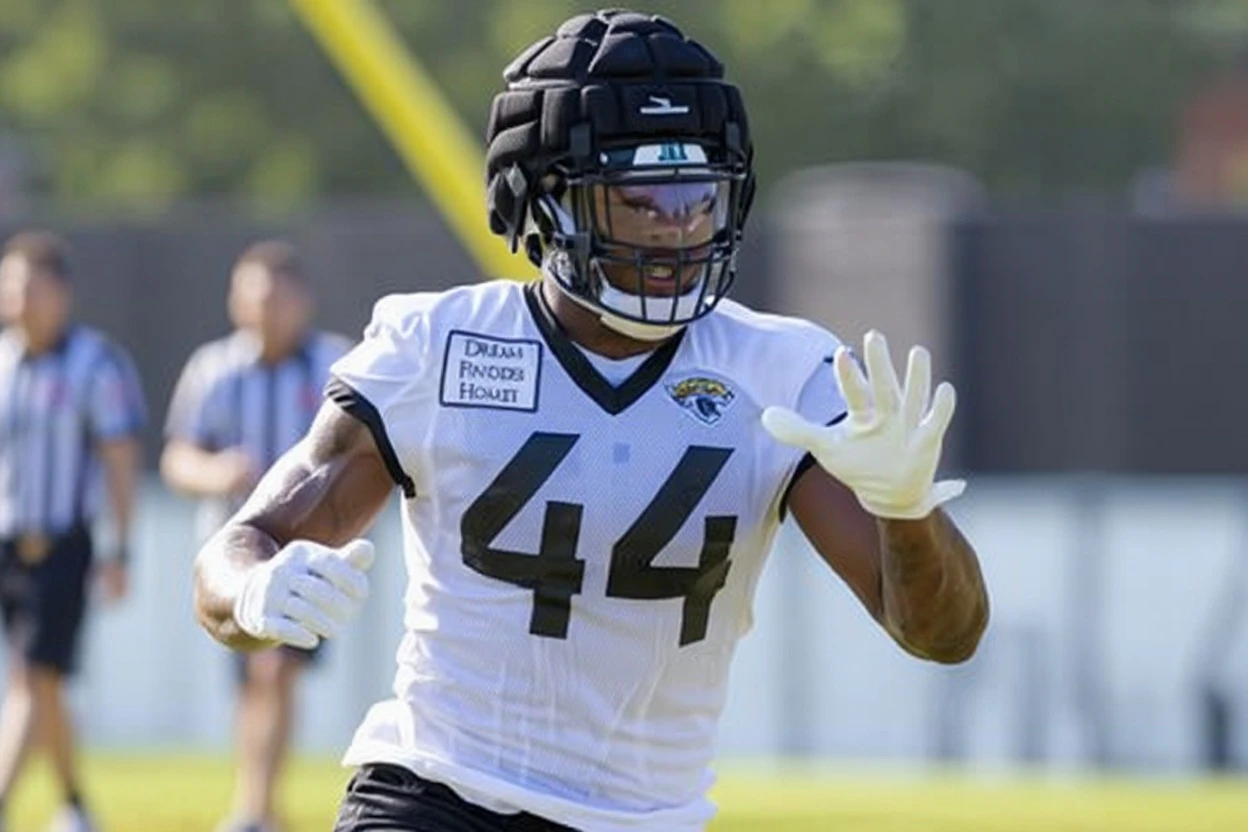
The Jaguars could face significant salary cap constraints in the coming years, with Walker’s $27.5 million annual hit potentially requiring restructured deals or difficult roster decisions elsewhere on the depth chart to maintain competitive flexibility.
To understand why Jacksonville made this bet, you have to trace Walker’s development arc from raw prospect to legitimate defensive force.
His rookie campaign in 2022 was underwhelming by the standards of a first overall pick — 3.5 sacks, 49 total tackles, one interception, two passes defensed, and one forced fumble across 15 games. Those numbers fueled early skepticism about whether Jacksonville had reached too far for an unpolished edge rusher, and whether the Jaguars had made a costly mistake at the top of the draft.
What followed over the next two seasons reframed that narrative entirely. Walker developed into one of the more disruptive defensive ends in the AFC, posting double-digit sack totals and earning recognition as a legitimate top-tier pass rusher capable of altering opposing game plans.
The 2023 season was the clearest proof of concept: 52 tackles, 10 sacks, two pass deflections, and a fumble recovery, according to Pro Football Reference. Those numbers validated the Jaguars’ patience and confirmed that Walker’s physical tools — his 6-foot-5, 272-pound frame and elite athleticism — were translating into consistent NFL production.
That breakout trajectory is the core justification for the extension. Jacksonville is betting that the 2025 injury season represents a detour, not a destination — and that the player who posted 10 sacks in 2023 is still in there, ready to re-emerge once healthy.
The extension is a direct statement of organizational belief: Jacksonville is paying for the pass rusher Walker became, not the uncertain prospect he was when he first arrived. Whether that belief is rewarded depends almost entirely on what happens next.
Injuries or Career Inflection Point? What 2025 Revealed About Walker’s Future
This calculus mirrors what the Jets did with Sauce Gardner — recognizing a player’s elite trajectory early and locking him in before free agency forced a bidding war. Both franchises made the same fundamental bet: that paying a premium now is cheaper than competing for the same player on the open market later.
The 2025 season, however, is the central complication in Walker’s contract story and the reason this deal carries real risk.
Wrist and knee injuries derailed his year, with the wrist issue serious enough to require midseason surgery. His production dropped sharply from his 2023 peak, and the combination of two separate injury concerns in a single season raised legitimate durability questions that the Jaguars cannot simply ignore.
Wrist injuries are particularly complex for pass rushers, who rely on hand fighting, grip strength, and leverage to win at the point of attack. Recovery timelines vary, and the risk of re-injury or diminished effectiveness post-surgery is real. Walker’s situation is not unique in that regard.
Miami Dolphins wide receiver Tyreek Hill navigated a similarly complicated wrist recovery this offseason, undergoing multiple procedures — including a second surgery to remove hardware — as part of a staged rehabilitation protocol designed to restore full function.
Hill’s multi-stage recovery illustrates how elite athletes sometimes require extended, methodical rehabilitation timelines rather than straightforward returns to form. Walker’s wrist recovery may follow a comparable path — requiring patience from both the player and the organization before full effectiveness is restored.
The Jaguars are publicly projecting optimism, framing 2025 as an aberration and expecting a healthy Walker to return to his 2023 form. That’s the best-case scenario, and it’s a reasonable one given his age — Walker turns 25 in August 2025 — and his demonstrated ceiling.
But the contract structure means Jacksonville is locked into that optimism regardless of what happens. There is no easy exit if Walker’s injuries recur or his effectiveness doesn’t return to pre-injury levels.