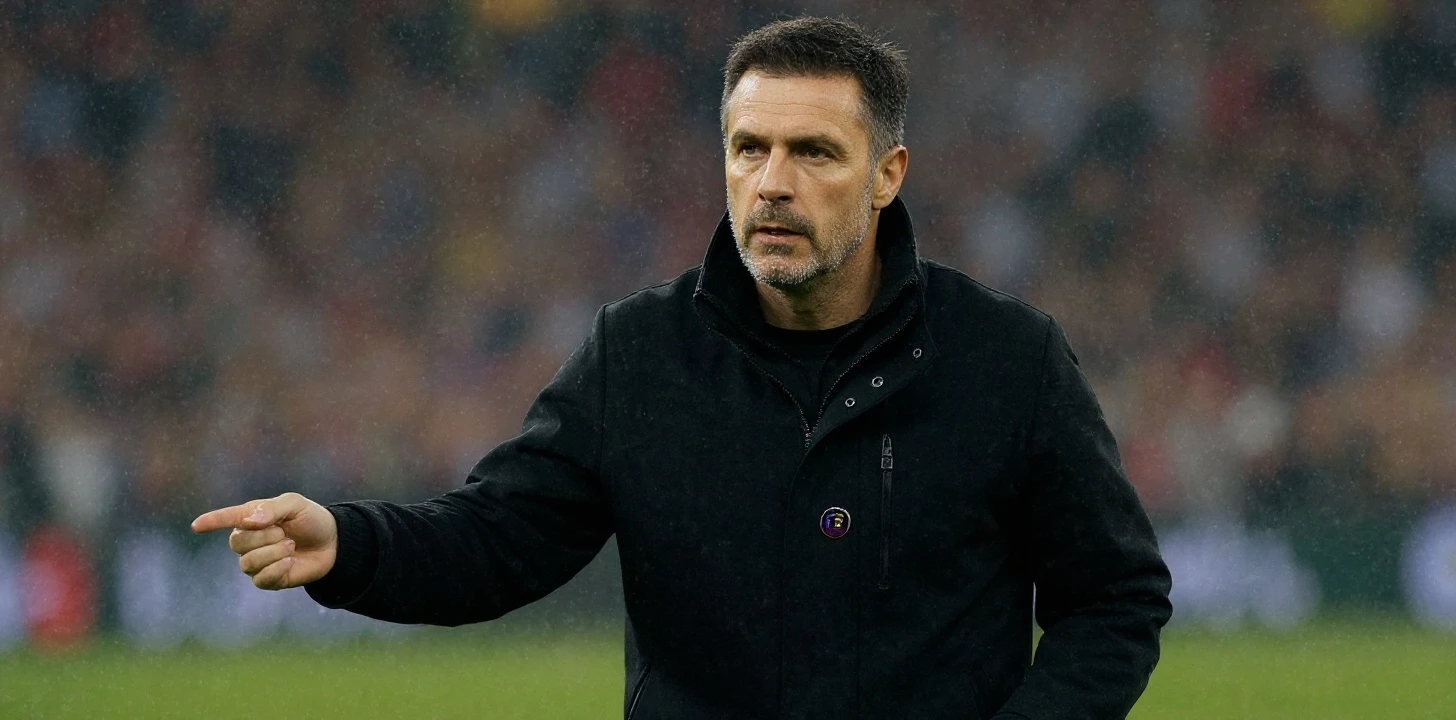
In one of baseball’s most dramatic power shifts in recent memory, the Houston Astros have seized the No. 1 spot in MLB Power Rankings, displacing the heavily favored Los Angeles Dodgers and Detroit Tigers. Few saw this coming.
In one of the most dramatic mid-season power shifts in recent MLB history, the Houston Astros have seized the No. 1 spot in the latest MLB Power Rankings, dethroning both the Los Angeles Dodgers and the Detroit Tigers. Few analysts saw this coming — and the circumstances surrounding Houston’s rise make it all the more remarkable.
What sets this ascension apart is the adversity the Astros overcame to get there. The offseason trade of star outfielder Kyle Tucker — a perennial All-Star-caliber bat — and the extended absence of slugger Yordan Alvarez would have sent most franchises into a tailspin. Conventional wisdom said Houston was rebuilding, not contending.
The numbers tell a different story. Houston’s record sits at 55-35 with a commanding +71 run differential — figures that place them among the league’s elite by any measure. More telling is their performance since late May: a scorching 29-10 clip with a +50 run differential over that stretch. That kind of sustained excellence over nearly 40 games isn’t a hot streak — it’s a statement. The Astros aren’t just surviving without Tucker and Alvarez; they’re thriving.
The clearest signal of Houston’s legitimacy came in their decisive series sweep of the Dodgers in Los Angeles — a result that reordered the competitive hierarchy and forced the rest of baseball to recalibrate. Sweeping a Dodgers team built to win in October, on their home turf, is the kind of result that separates contenders from pretenders.
Pirates Surge While Giants and Red Sox Face Freefall: What’s Really Going Wrong?
Houston’s rise reflects something deeper than a hot month. It speaks to organizational infrastructure — the kind of depth-first roster construction and in-house development that allows a franchise to absorb major losses and keep winning. The Astros have become the 2026 season’s defining storyline, and they’ve earned every bit of it.
While Houston climbs, the rest of baseball is in genuine flux. No team has captured the imagination of the sport’s observers quite like the Pittsburgh Pirates, who have vaulted into sixth place in the rankings despite spending the better part of a decade in rebuilding mode. Their surge is not a fluke — it’s the product of a front office that has quietly assembled one of the game’s most promising young cores.
Context matters here: the Pirates haven’t won a World Series since 1979, their last title according to MLB.com, a 47-year drought punctuated by just eleven winning seasons and six postseason appearances. That history makes their current standing all the more striking. The foundation of this resurgence is a pitching staff posting a 3.33 team ERA — a figure that competes with the league’s most respected rotations and signals genuine structural improvement rather than a statistical mirage.
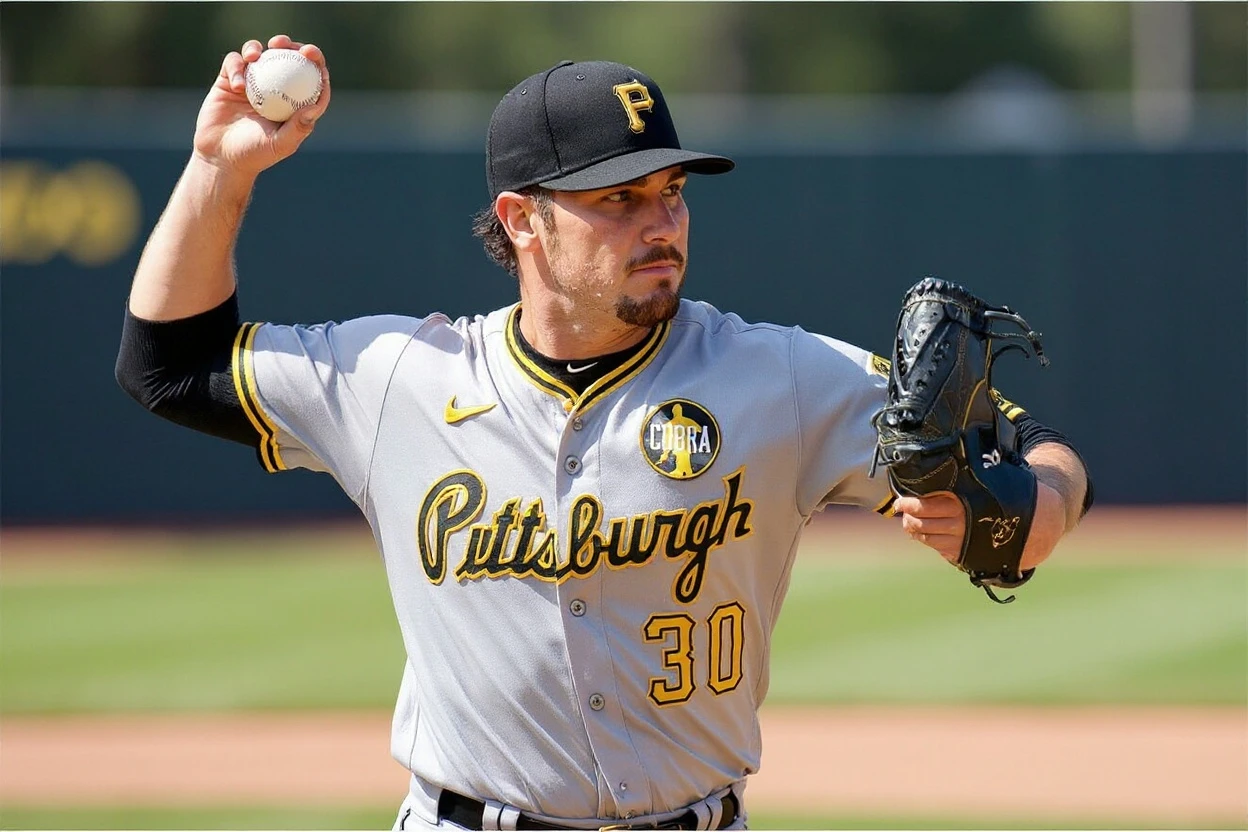
At the center of Pittsburgh’s rotation is 22-year-old right-hander Paul Skenes, who has been as dominant as any young starter in baseball. In his most recent outing, Skenes delivered a complete game, surrendering just one run on three hits while striking out nine — the kind of performance that draws comparisons to the game’s elite. The cruel irony is his 3-5 record: Skenes has allowed just 17 earned runs across 10 starts, yet the Pirates dropped seven of those games due to chronic run-support failures. His ERA and peripherals tell the story of an ace; his win-loss record tells the story of a lineup that hasn’t caught up to his talent level yet.
The Boston Red Sox, a franchise with nine World Series titles, as listed by Britannica, and one of the sport’s most storied identities, have been a cautionary tale through the early going. A 2-7 stretch — marred by defensive miscues, mental errors, and a stunning blown lead against the San Diego Padres — has raised serious questions about accountability and cohesion. Surrendering a 4-0 advantage in an 8-6 loss doesn’t just cost a game; it costs confidence, and the Red Sox have been hemorrhaging both.
The Royalty Refuses to Fade: Dodgers and Tigers Still Have a Say
The Washington Nationals have hit a more structural wall. Their starting rotation is posting a 6.69 ERA — the worst mark among all MLB starters — a number that points to systemic pitching development failures rather than bad luck. The San Francisco Giants are similarly adrift, joining a growing list of preseason contenders who have unraveled faster than anyone anticipated.
Surrendering the top ranking doesn’t mean the Los Angeles Dodgers are done. Far from it. The Dodgers’ organizational infrastructure — built on elite player development, aggressive roster management, and a payroll that consistently ranks among the sport’s highest — gives them a ceiling that few franchises can match. A rough stretch in the standings doesn’t erase that reality.
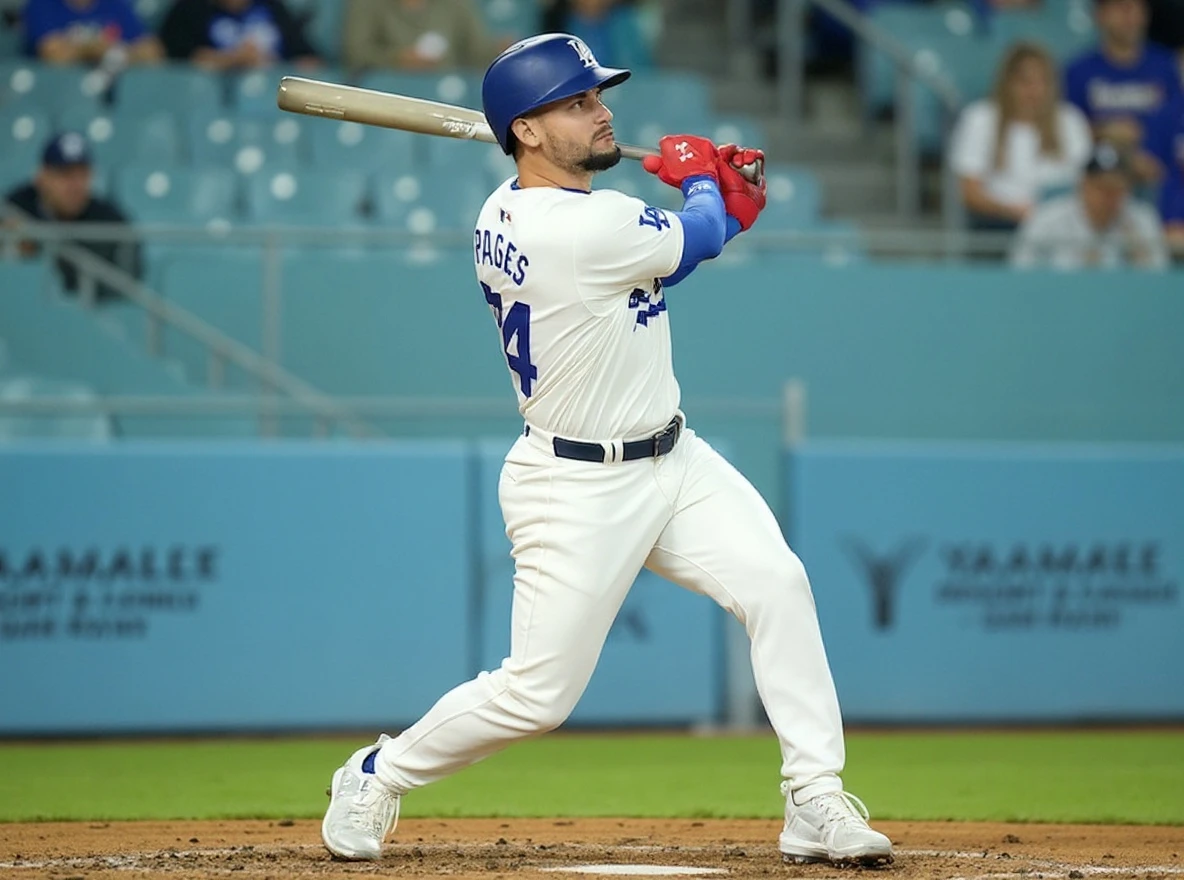
One of the more encouraging developments in Los Angeles has been the emergence of center fielder Andy Pages, whose breakout performance has provided a genuine lift to a lineup navigating its share of shuffles. Pages has shown the kind of impact potential that gives the Dodgers a high-upside piece they didn’t fully account for in preseason projections — and in a long season, those kinds of discoveries matter.
The Detroit Tigers have similarly refused to fade. Their continued presence among baseball’s elite reinforces a broader truth about championship-caliber organizations: they don’t surrender ground without a fight. Both the Dodgers and Tigers have the depth, the culture, and the front-office infrastructure to mount serious second-half runs.
The Dodgers and Tigers possess the roster depth and organizational culture to make the kind of sustained late-season pushes that reshape postseason brackets. Neither team is built to disappear quietly.
The Yankees’ Pitching Perfection and the Marlins’ Miracle: Week 1 Tells a Story
Power rankings are snapshots, not verdicts. A well-timed trade deadline acquisition, a key injury recovery, or a two-week hot streak can completely reorder the standings picture. The 2026 season’s final chapter is nowhere near written, and both Los Angeles and Detroit have the resources to author a compelling one.
The Astros’ rise and the Pirates’ surge are the season’s headline acts — but 2026 has delivered a full supporting cast of surprises that underscore just how wide open this year’s competitive landscape truly is.
The New York Yankees opened the season with a pitching performance that turned heads across the league: their staff surrendered just one run per game during opening week, a level of dominance that no one predicted from a franchise historically defined by its offense. Whether that early excellence reflects a genuine strategic shift in player development or simply a favorable early schedule, it signals that the Yankees’ identity may be evolving — and that has long-term implications worth monitoring.
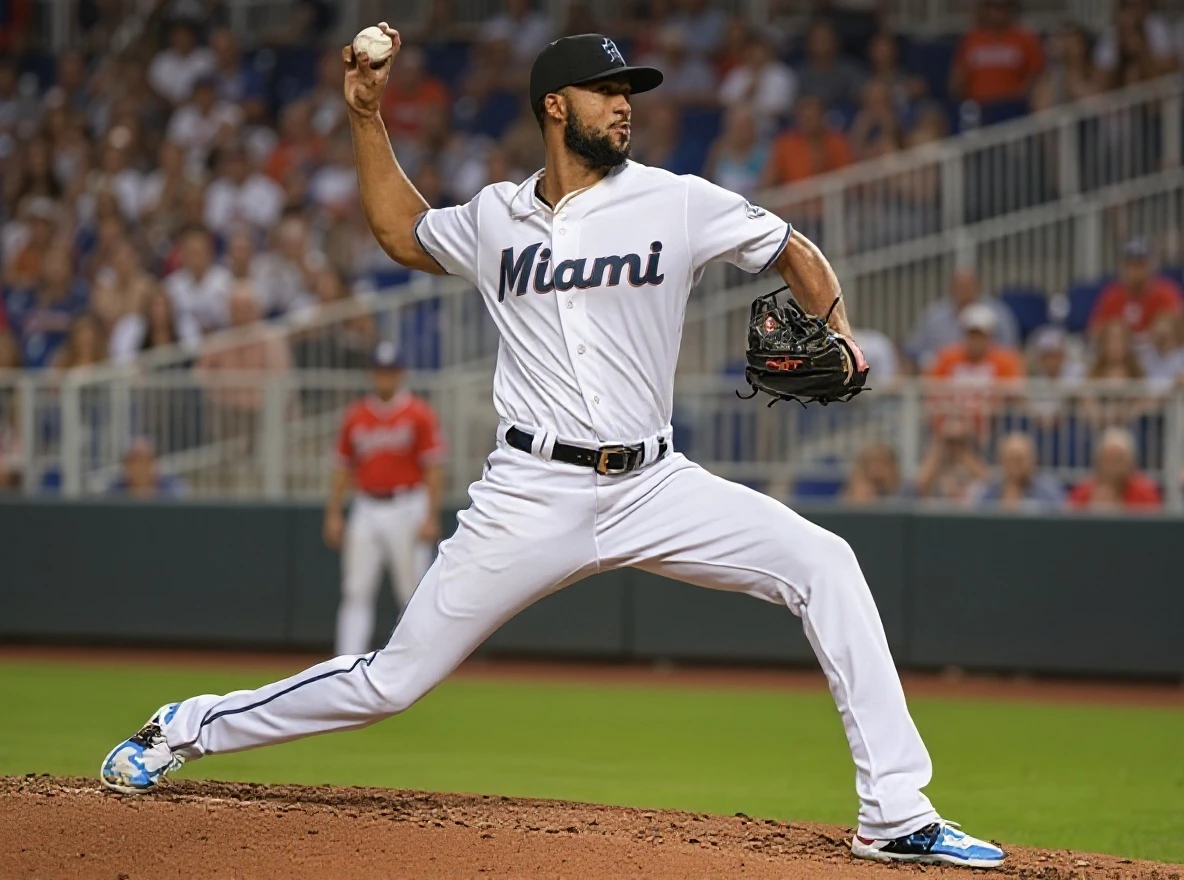
Equally unexpected has been the Miami Marlins’ 5-1 start, a result that directly contradicts years of low expectations for a franchise that has operated in long-term rebuild mode. Ace right-hander Sandy Alcantara has been sharp, and a bullpen performing above projections has given Miami a foundation to build on. Whether the Marlins can sustain this pace over a 162-game season remains the central question, but their early execution has been impossible to dismiss.
When Preseason Expectations Shatter: The New Reality of Modern Baseball
Taken together, these performances confirm that the 2026 season’s competitive narrative extends well beyond the Astros-Dodgers-Tigers framework that dominated preseason conversation. Excellence is emerging from unexpected places, and the playoff picture is more fluid than anyone projected.
If there’s one overarching theme from the 2026 season’s early weeks, it’s this: preseason predictions have been dismantled with remarkable efficiency. The gap between expectation and reality has rarely been this wide this early.
The Red Sox — a franchise with the payroll and pedigree to contend — have stumbled through consecutive one-win weeks, while the Pirates and Marlins have seized the spotlight that was supposed to belong to more established names. The playoff implications of these early results are already beginning to take shape, and the teams that were supposed to be locks are suddenly looking over their shoulders.
The Texas Rangers, projected by many analysts as an American League contender heading into the year, opened with a 1-5 record — adding another high-profile name to the list of preseason favorites who have stumbled out of the gate. Their early struggles compound the broader narrative of established teams failing to meet expectations.
One structural change may be amplifying the unpredictability: the introduction of the Automated Ball-Strike System has fundamentally altered how the game is called. By removing human judgment from the strike zone, the ABS creates a uniform, mechanically precise standard that applies equally to every at-bat in every ballpark. The margin for error has shrunk, and the advantage that certain hitters or pitchers once gained from working favorable umpires has been eliminated.
The result is a more transparent competitive environment — one where organizational talent, depth, and execution are the only variables that matter. There are no favorable counts to manufacture, no borderline calls to exploit. Every team operates under the same rulebook, enforced with the same precision. That transparency is exposing which franchises are genuinely built to win and which ones were benefiting from conditions that no longer exist.