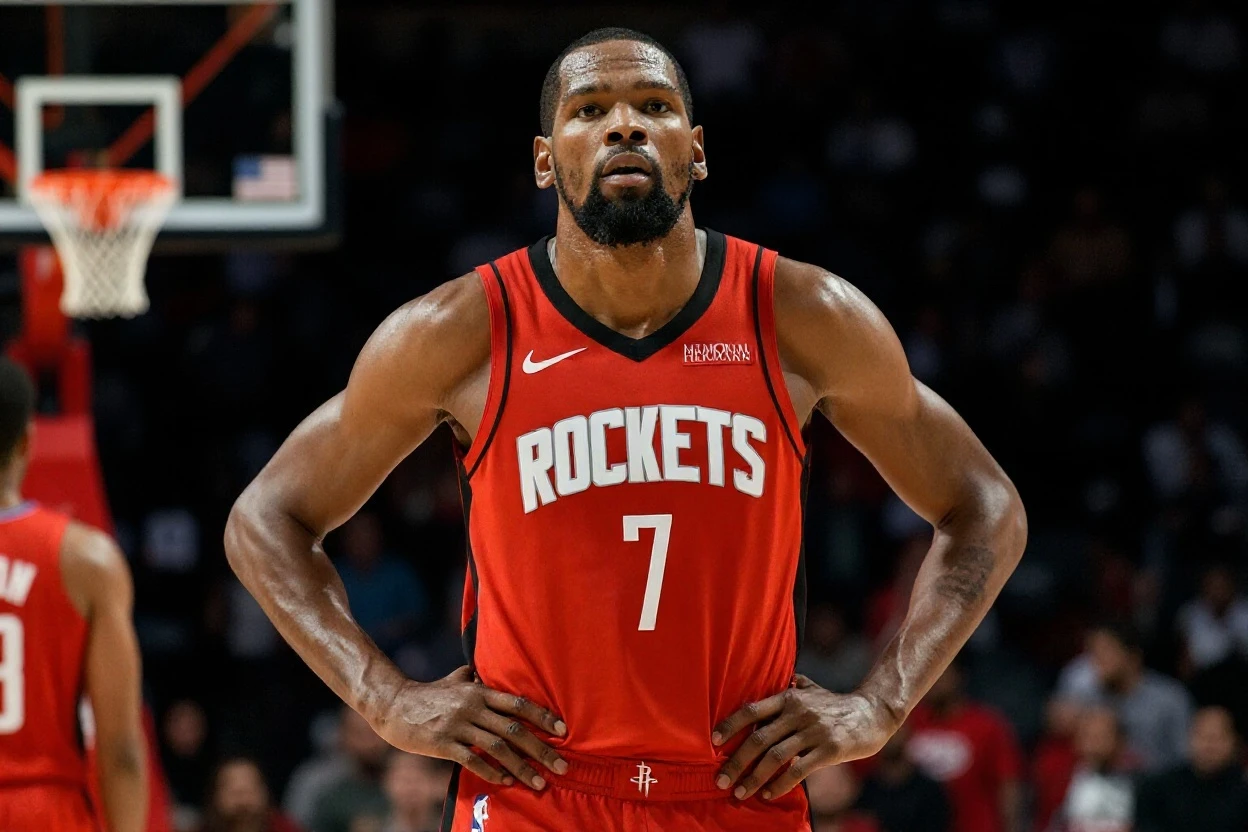
Kevin Durant’s 2-year, $90 million extension with the Houston Rockets is far more than a routine superstar agreement—it’s a strategic pivot in how elite players navigate the modern NBA.
By securing an embedded player option extending through 2027-28, Durant has engineered a rare balance: guaranteed money coupled with unprecedented control over his future.
The Rockets’ commitment signals organizational confidence in building a championship core around elite talent. This contract structure exemplifies an emerging trend where veteran superstars prioritize flexibility alongside earning potential.
Rather than chasing maximum-value deals that lock them in for extended periods, players like Durant increasingly seek terms preserving autonomy.
The player option becomes a powerful tool—Durant maintains agency over whether he stays in Houston or explores alternatives as the league evolves.
Within this competitive context, Durant’s deal sits favorably alongside comparable 2025-26 season arrangements with other elite guards.
His $90 million extension positions him well relative to peer contracts, reflecting both his residual star power and the measured approach organizations adopt when extending veteran talent. This strategic positioning reveals how contemporary stars evaluate their careers: championships matter, but so does freedom.


Dallas Divides Its Fortune: The $119 Million Kyrie Irving Equation
Kyrie Irving’s 3-year, $119 million commitment to the Dallas Mavericks introduces fascinating complexity into the 2025-26 season’s contract landscape.
The question looms: can the Mavericks effectively balance their financial commitment to Irving while constructing a championship-caliber roster around complementary talent? Irving’s deal ranks among the offseason’s most debated moves, with analysts questioning whether Dallas is making a championship gamble or a risky overcommitment.
The contract reflects broader NBA economic trends—established stars securing guaranteed money in an unpredictable market, while franchises make bold bets on proven performers despite premium price tags. Dallas faces a unique challenge: maximizing Irving’s production while maintaining salary cap flexibility for roster development.
Unlike Durant’s two-year arrangement, Irving’s three-year structure signals Dallas’s confidence in him as a core franchise player, though it also reduces flexibility if circumstances shift.
This arrangement tests organizational discipline and front-office acumen, demonstrating how modern teams navigate the delicate intersection of star acquisition, financial responsibility, and long-term competitiveness in an increasingly unpredictable league.
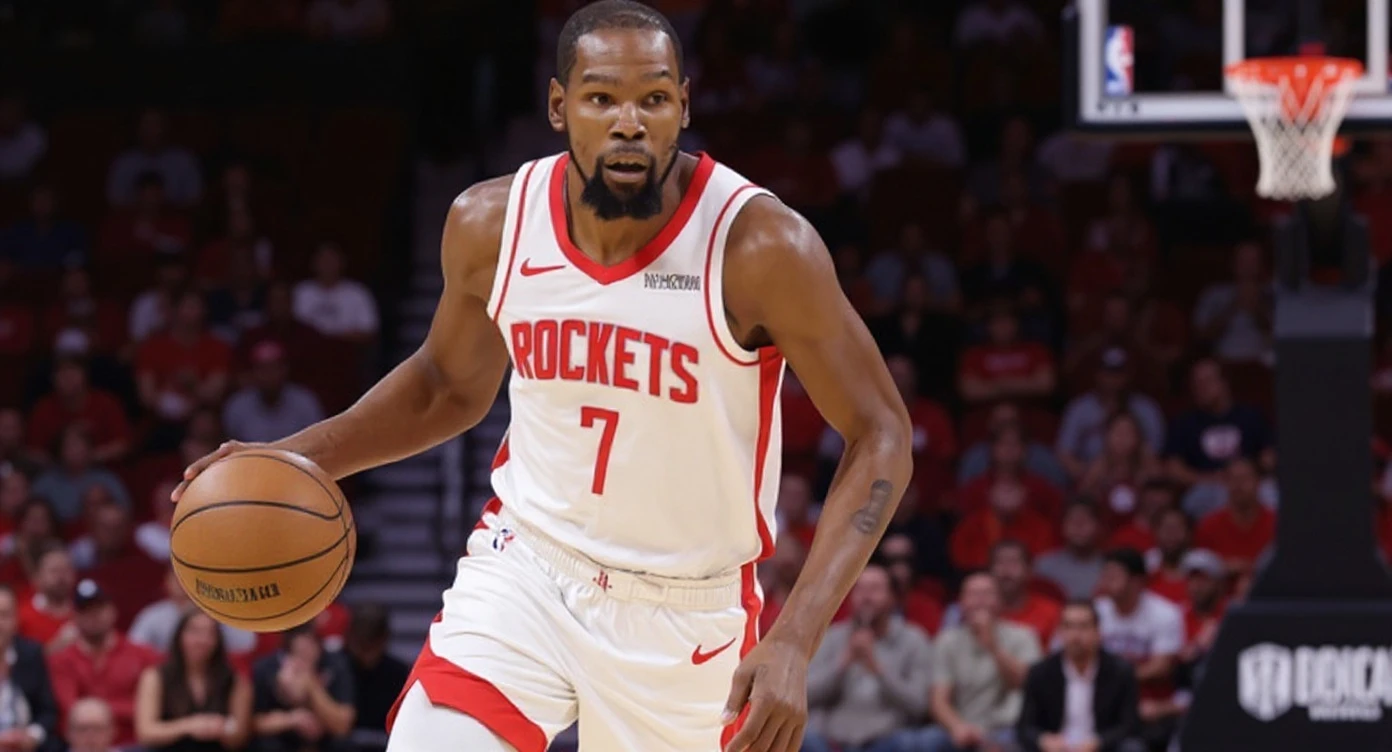
The Veteran Guard Marketplace: Harden, Durant, and Irving’s Contrasting Strategies
The 2025-26 offseason revealed a fascinating divergence in how veteran star guards structured their contracts, each reflecting distinct organizational priorities and personal career considerations.
James Harden’s decision to decline his $36.3 million player option with the Clippers and sign a 2-year, $81.5 million deal exemplifies pragmatic value-seeking by an elite playmaker—at 35 and ranking second in NBA history for 3-pointers made, as theScore detailed, Harden secured guaranteed income while acknowledging market realities for veteran compensation.
Meanwhile, Kevin Durant’s $90 million extension and Kyrie Irving’s $119 million commitment represent different points on the veteran star valuation spectrum.
Harden’s more modest deal relative to Irving’s three-year investment reflects nuanced market dynamics where age, recent performance, and organizational philosophy all influence compensation.
Harden earned All-NBA third-team honors in 2024-25, per NBA.com’s All-NBA record, maintaining elite-level playmaking despite his age, yet his contract structure demonstrates how even accomplished veterans must adapt to evolving salary cap realities. These three arrangements collectively illustrate that the 2025-26 season’s contract landscape rewards flexibility and mutual organizational alignment alongside raw salary figures.

Beyond the Headlines: What These Blockbuster Deals Reveal About NBA Economics
The 2025-26 season’s elite NBA contracts paint a revealing portrait of a league navigating unprecedented economic complexity and competitive pressures.
From Kevin Durant’s measured Houston extension to Kyrie Irving’s Dallas investment and James Harden’s pragmatic Clippers arrangement, these megadeals expose fundamental truths about how franchises prioritize immediate championship ambitions within salary cap constraints.
Each contract represents a calculated risk—teams betting current rosters deliver titles before market dynamics inevitably shift. These arrangements reveal a strategic divide: some franchises pursue aggressive win-now approaches with proven veterans through longer commitments, while others maintain flexibility through shorter extensions with embedded player options.
The most successful organizations recognize that sustainability requires balancing short-term ambition with future flexibility. Durant and Irving’s respective deals highlight this tension perfectly—both players secured meaningful guarantees while preserving autonomy, yet through different structural approaches.
Harden’s arrangement adds crucial context, demonstrating how even Hall of Fame-caliber talent must accept market adjustments with age. As salary cap constraints tighten and competitive windows narrow, the contracts executives structure today will determine which franchises emerge victorious tomorrow.
The 2025-26 season ultimately represents a testing ground for NBA financial strategy and organizational vision, with these offseason contracts serving as blueprints for how teams navigate the delicate balance between winning now and positioning for sustainable success.