
The New York Giants’ special teams unit suffered an embarrassing moment during Week 13 when kicker Younghoe Koo completely whiffed on a field goal attempt against the New England Patriots. Rather than striking the ball, Koo’s kicking motion left it sitting with holder Jamie Gillan—a rare and humiliating play that immediately flooded NFL social media. Already trailing 33-15, the Giants didn’t just miss a kick; they watched a visual metaphor for their entire season unfold in real time. Such moments transcend sport—they become cultural artifacts that fans dissect for years, transforming one athlete’s worst professional day into endless commentary about organizational competence.
Want to know what people are really saying? Don’t miss the buzz from Reddit at the end!
The Explanation That Almost Made Sense (But Not Quite)
After the botched kick, Koo offered an explanation: the ball was slipping in cold weather conditions. As he approached to strike, the ball moved on the hold, forcing him to pull up rather than kick through it. While environmental factors certainly complicate kicking, weather affects all kickers equally, and professional athletes are supposed to adjust their technique accordingly. The explanation, though grounded in physical reality, highlighted a deeper concern: Was Koo simply unprepared for adverse conditions, or did it suggest inconsistency when pressure mounted? These questions hung over his remaining tenure with New York.
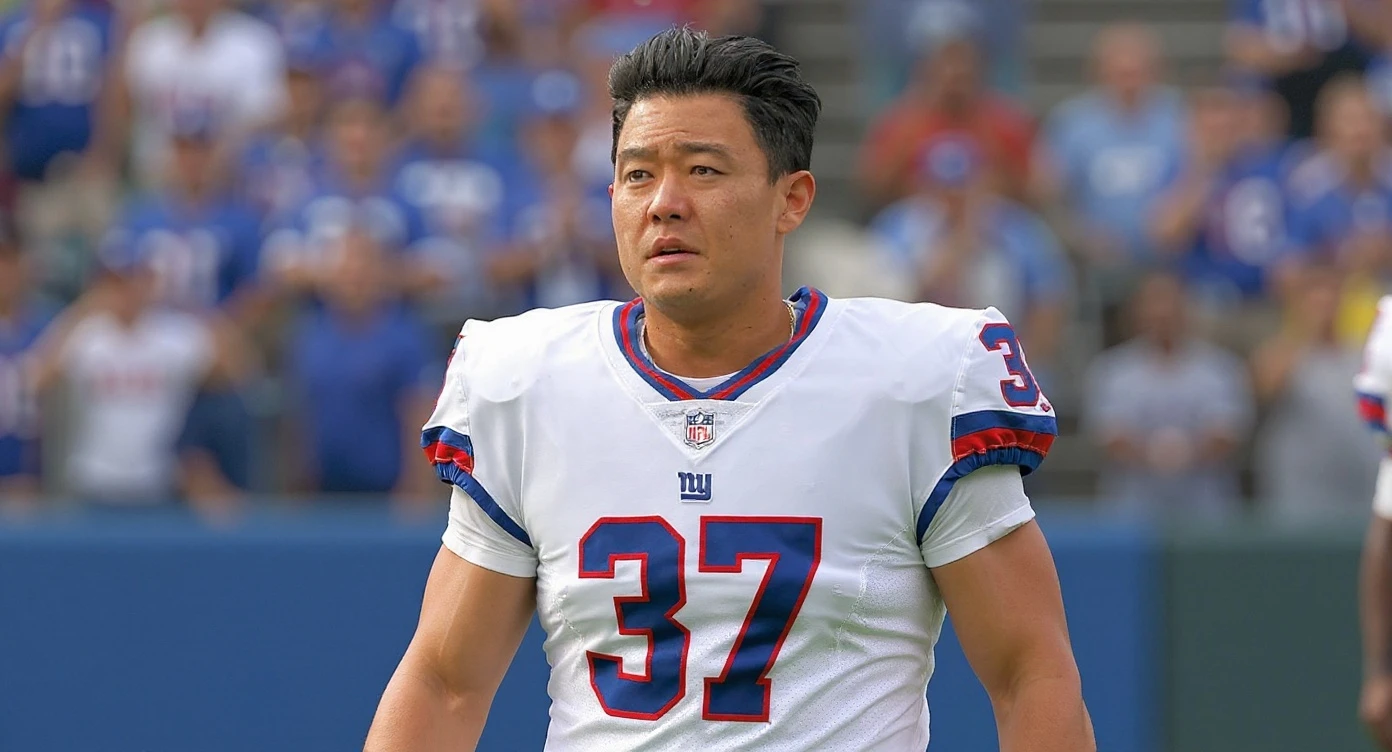
From Five Games of Opportunity to Waiver Wire Casualty
Koo’s journey with the Giants had been turbulent from the start. The South Korean–American kicker was released by the Atlanta Falcons on September 19, after seven seasons, then joined New York’s practice squad on September 23. When Graham Gano suffered an injury, Koo made his Giants debut in Week 10, executing perfectly with two field goals and two extra points. Over his next five games, early promise evaporated. Koo made 12 field goals but missed 2, revealing troubling inconsistency at critical moments. Meanwhile, the Giants had already cycled through three different kickers this season—Gano, Jude McAtamney, and Koo—signaling deeper special teams dysfunction that transcended any single player.
Giants Make Their Move: Koo Is Out, Murphy Is In
On December 16, the Giants waived Younghoe Koo and claimed linebacker Caleb Murphy off waivers from the New England Patriots. Murphy brought immediate credibility through game experience, having played in five games with the Patriots and six with the Los Angeles Chargers earlier in the season. With Ben Sauls remaining on the practice squad as kicker backup, the Giants signaled that consistency across the entire special teams unit was non-negotiable. The decision represented both a practical necessity and a philosophical statement: the organization demanded better performance moving forward.

The Broader Perspective: Career Reflection and What’s Next
For all the embarrassment surrounding his final week with the Giants, Koo’s broader career trajectory tells a different story—one of professional achievement and financial stability that most athletes never attain. Over his time in professional football, particularly his seven seasons with the Falcons, Koo accumulated significant earnings that positioned him well beyond the paycheck-to-paycheck reality many assume for NFL players. That financial foundation matters, especially for a specialist who had reached the end of his current opportunity. The question of whether Koo made sound financial decisions during his earning years remains his private concern, but the essential point stands: he entered free agency with resources most would envy. The end of his Giants tenure, while disappointing for all involved, doesn’t erase what came before. Koo had proven himself capable of performing under pressure in crucial moments throughout his career, including a stretch with Atlanta where he demonstrated remarkable precision on unconventional plays that few kickers could execute. Those moments of brilliance—the ones that extended drives and won games—are the performances that define careers in professional sports. A five-week struggle in New York, however painful, represents only the final chapter of a much longer narrative.
The specialist position occupies a unique niche in professional football. Unlike defensive linemen or wide receivers who absorb punishment on every snap, kickers face a different set of occupational hazards—fewer touches, lower injury risk, but also less room for error. When everything goes right, it’s invisible. When it goes wrong, it’s broadcast to millions and replayed endlessly. Koo’s experience in New York exemplified this dynamic perfectly: his single missed kick became a defining symbol of the Giants’ special teams struggles, overshadowing both his earlier success with the team and his seven-year track record with Atlanta. Looking forward, Koo’s options will likely include alternative professional leagues that have emerged as viable destinations for NFL players seeking continued competition. These opportunities represent not a demotion but rather a transition—a chance to remain active in professional athletics while seeking redemption or simply maintaining his competitive edge. Whether Koo pursues such a path, focuses on personal endeavors, or steps away from football entirely remains to be seen. What’s certain is that his financial security provides genuine choice about what comes next.
Yet among all these practical considerations lies a more fundamental human element: the memory of excellence. Koo’s career with the Falcons produced moments of genuine athletic brilliance—plays executed at a level few specialists ever achieve. Those performances established his reputation in the league and earned him both respect and opportunity. That such achievements can be suddenly overshadowed by a handful of bad weeks is simply the reality of modern professional sports, where recency bias dominates public perception and short-term results override historical context. Still, for those who watched his entire career unfold, the mental archive extends beyond one cold Sunday in New England. The complete picture includes both the triumphs and the struggles—a more complete understanding of who Koo was as a player during his time in professional football.