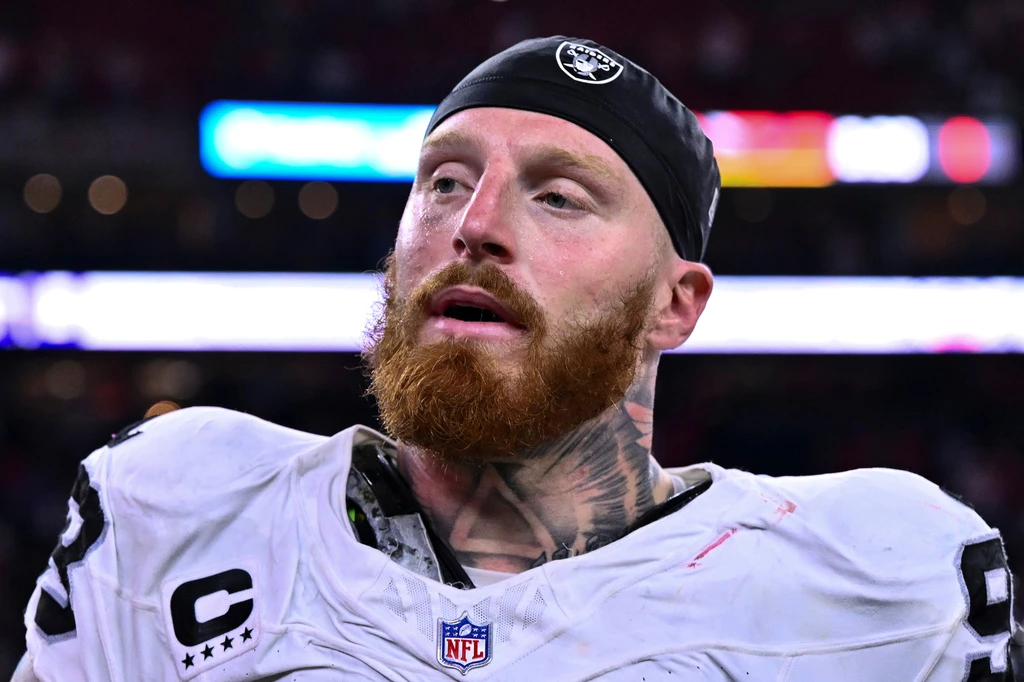
For the first time, league insiders have confirmed what was once unthinkable: the Las Vegas Raiders are open to trading Maxx Crosby, the five-time Pro Bowler who has anchored their defense for years.
This seismic shift represents far more than typical offseason speculation. Crosby has been the emotional and physical center of the Raiders’ defensive identity, a player whose relentless pursuit and leadership defined the franchise’s character.
The revelation that management would even consider his departure signals a fundamental rupture—one suggesting deeper organizational tensions lurking beneath the surface. What makes this development particularly striking is the timing and manner of its disclosure.
This wasn’t a dramatic public standoff or a leaked demand through social media. Instead, league sources quietly conveyed this openness to potential trades, suggesting calculated acceptance rather than desperate circumstances.
The underlying friction stemmed partly from organizational decisions that fundamentally clashed with Crosby’s approach to preparation, creating institutional discord that proved impossible to reconcile.
Why Crosby Kept His Trade Request a Secret—And What That Reveals
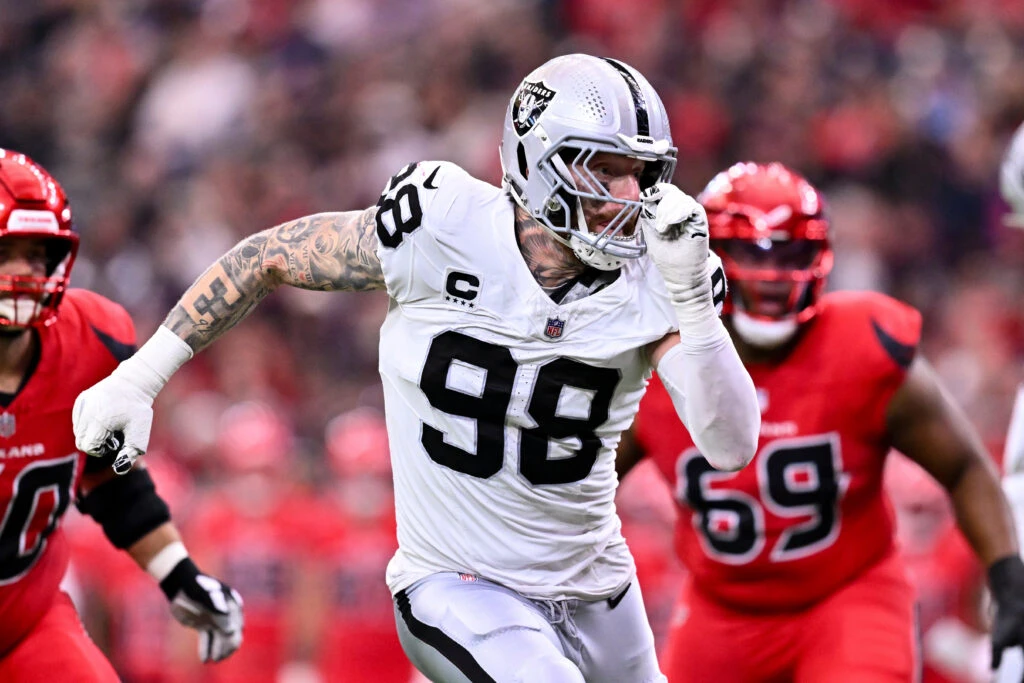
Despite mounting frustration with the Raiders organization, Maxx Crosby never weaponized his discontent for public consumption. His trade request remained confined to private conversations, shielded from media scrutiny and fan awareness.
This restraint reflected genuine respect for Raiders owner Mark Davis and the passionate fanbase that had embraced him. Crosby understood the power of his platform and the damage a public dispute could inflict on an already fragile franchise.
Yet this loyalty had boundaries.
Behind closed doors, his frustration grew increasingly difficult to contain. The conflict between his personal integrity and professional survival created an internal pressure that eventually demanded resolution.
His decision to pursue a trade represented not a betrayal, but a recognition that staying had become incompatible with his career aspirations and well-being. The silence itself became communication—a quiet but unmistakable signal that even respect has limits.
The Moment Everything Changed: How the Raiders Lost Their Cornerstone
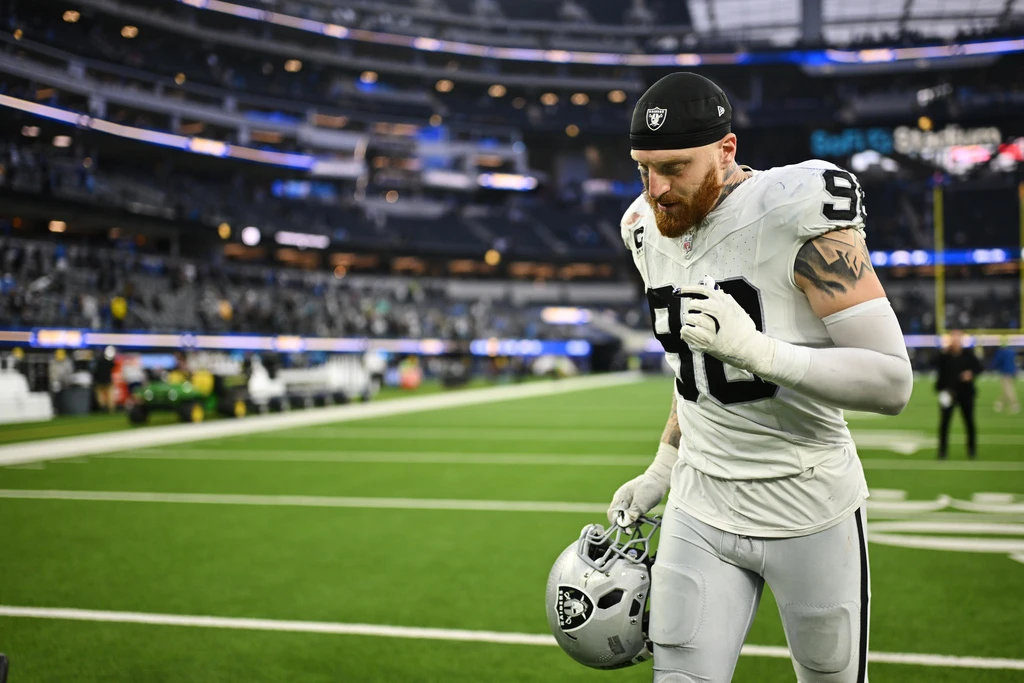
The catalyst arrived during the 2025 season’s conclusion. The Raiders’ decision to shut down Crosby during the final stretch proved to be the breaking point. From management’s perspective, protecting an aging asset from injury made strategic sense.
But Crosby interpreted it differently—as a dismissal, a signal that his value had diminished in the organization’s hierarchy. Being sidelined without genuine dialogue about the decision or recognition of his sacrifices created a wound that transcended typical player-management friction.
This mishandling exposed a fundamental disconnect between what leadership believed they were communicating and what Crosby actually received. The organization was managing a roster; the player felt disrespected and undervalued.
This gap between intention and impact proved irreparable, compounded by minimal leadership engagement. Money couldn’t bridge it. Promises of future involvement couldn’t heal it.
The way the situation concluded left Crosby convinced that Las Vegas no longer saw him as central to their vision, prompting him to seek genuine investment elsewhere.
What Comes Next: The Trade Attempt and a Franchise at a Crossroads
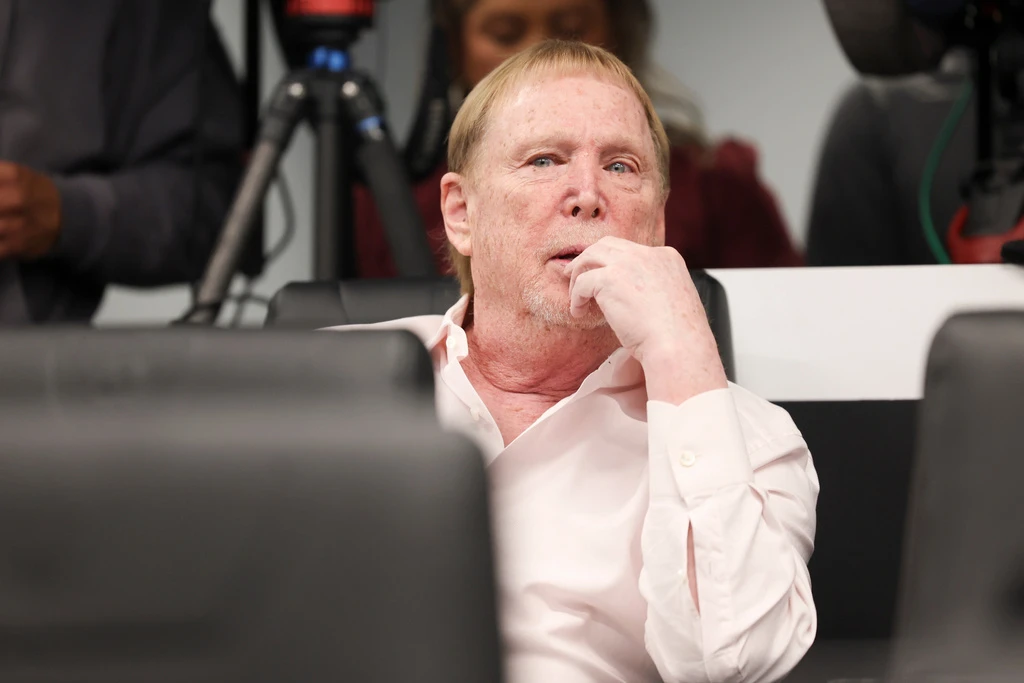
Crosby’s potential departure forced the Raiders to confront uncomfortable truths about their organizational culture.
On March 7, 2026, the Raiders and Baltimore Ravens mutually agreed to trade Crosby for the Ravens’ first-round picks in 2026 and 2027.
Three days later, Baltimore backed out after Crosby failed his physical, leaving both teams reassessing. The Ravens subsequently pursued Trey Hendrickson to address their pass-rush needs.
For Las Vegas, the collapsed deal compounded organizational vulnerabilities. Other players will observe how the Raiders managed this transition and whether leadership can restore credibility.
If cornerstone talent cannot secure respect and transparent communication despite five Pro Bowl selections, what message does that send about organizational priorities?
The franchise faces a critical juncture: rebuild around younger talent while addressing systemic communication failures, or demonstrate that past disappointments represent lessons learned.