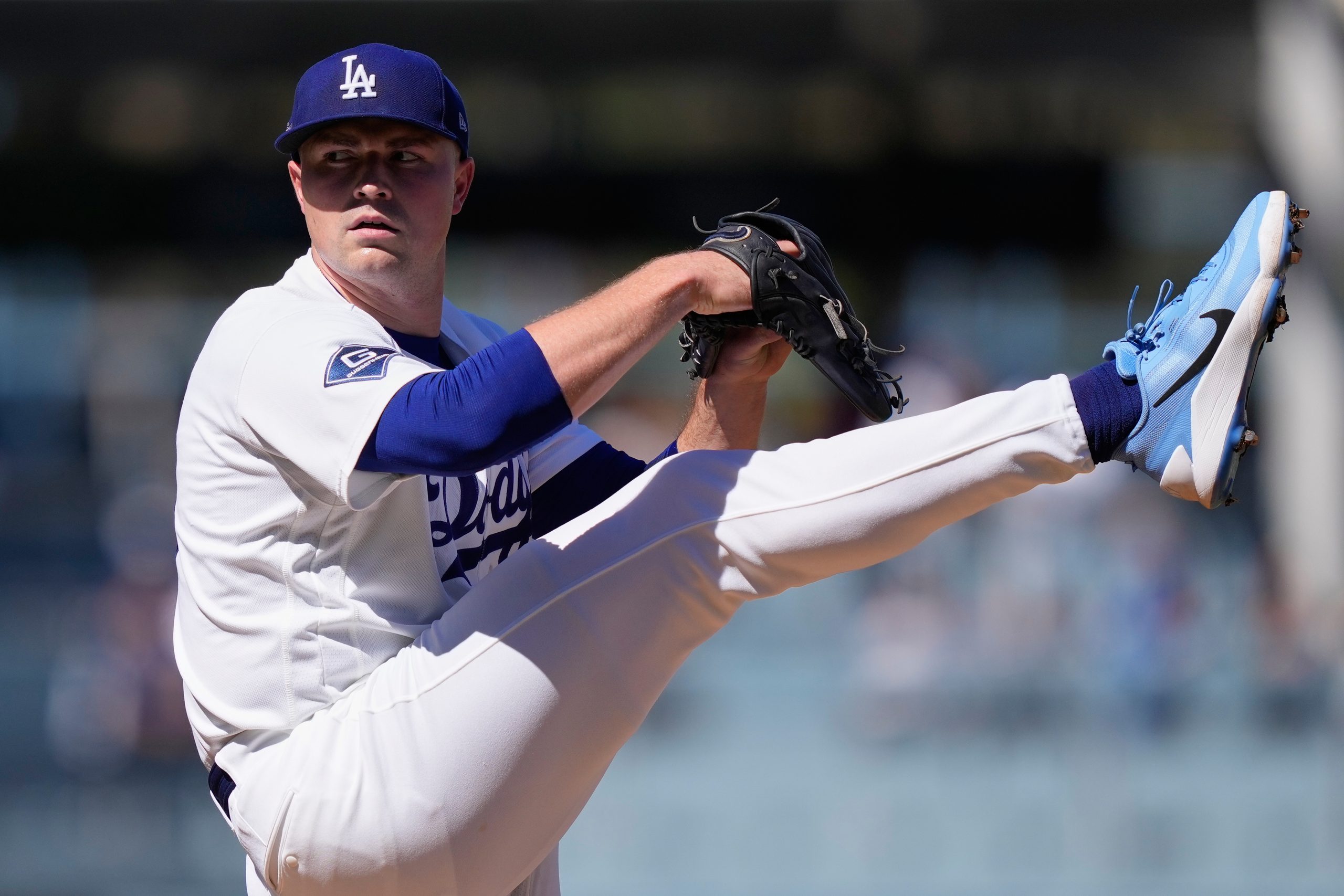
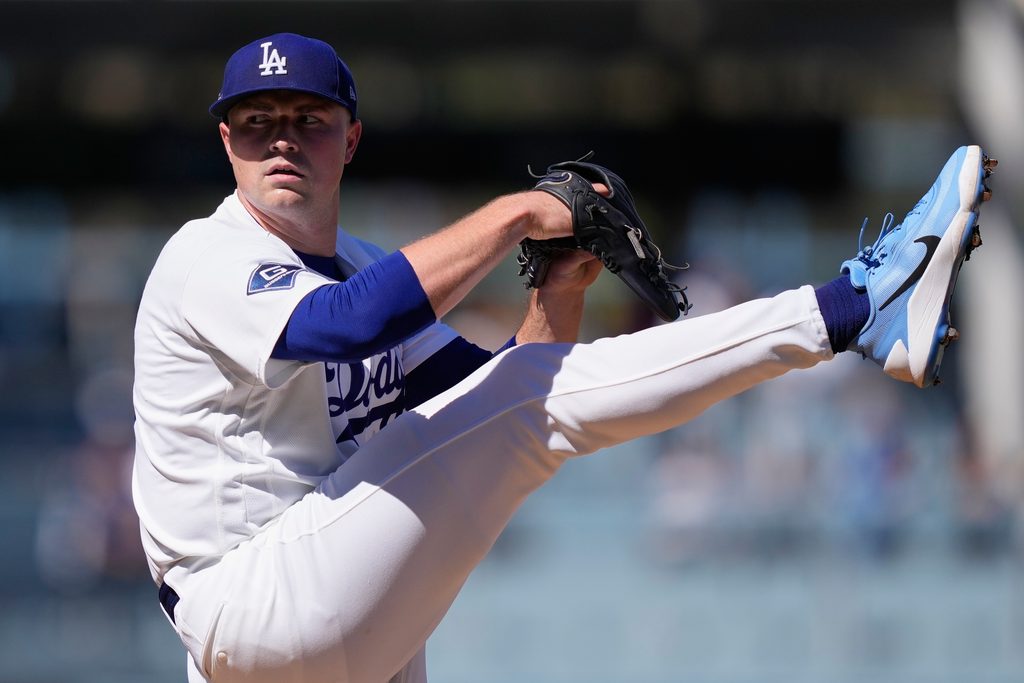
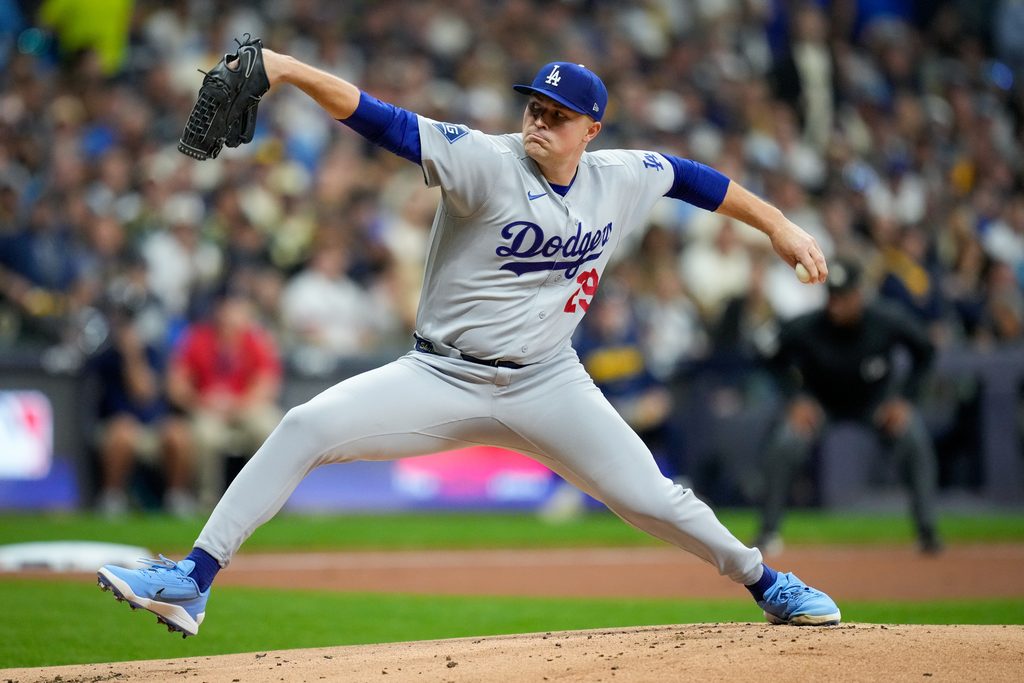
The New York Mets have made one of the most significant financial commitments in baseball history, reportedly reaching a nine-year, $450 million agreement with two-time Cy Young Award winner Tarik Skubal.
The agreement, first reported on November 22, remains subject to a physical. Once finalized, it will establish a new benchmark for starting pitchers and reinforce the Mets’ ambition to compete for a World Series championship.
However, the timing makes this agreement particularly significant. With Major League Baseball’s collective bargaining agreement set to expire on December 1, 2026, Skubal’s contract offers a practical example of how proposed changes to baseball’s economic structure could affect players, franchises and the future of free agency.
Mets Make a Major Investment in Starting Pitching
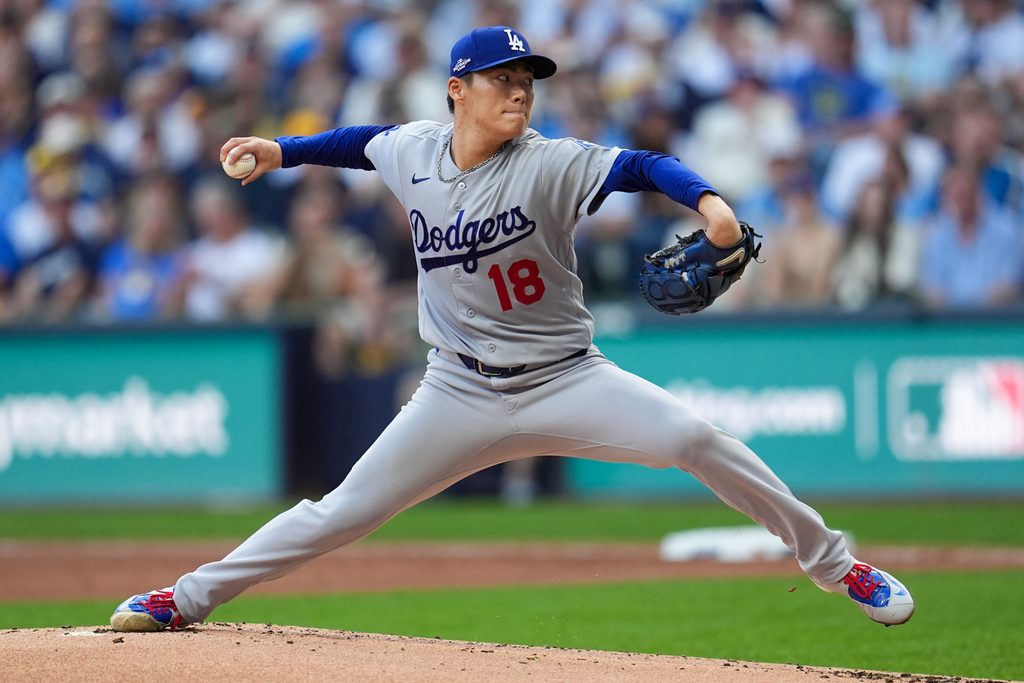
According to MLB.com, Skubal’s agreement would surpass the previous record for a pitching contract, established when Yoshinobu Yamamoto joined the Los Angeles Dodgers on a 12-year, $325 million deal.
The Mets are addressing an important weakness in their roster. Despite substantial financial investment in recent seasons, inconsistent starting pitching has complicated their efforts to establish themselves as championship contenders.
Skubal provides an opportunity to build a rotation around an established frontline starter.
The left-hander’s recent accomplishments include:
- American League Cy Young Awards in 2024 and 2025.
- The American League pitching Triple Crown in 2024.
- A 2.72 ERA across 26 regular-season starts in 2026.
- 186 strikeouts during the 2026 regular season.
Skubal split the 2026 campaign between Detroit and Los Angeles after the Tigers traded him to the Dodgers in August.
While a nine-year investment in a 30-year-old pitcher carries long-term uncertainty, his recent performances provide a compelling sporting justification for the Mets’ commitment.
How Skubal’s Contract Compares With Other Major Pitching Deals
Skubal’s reported agreement stands out not only for its total value but also for its annual average.
| Player | Contract length | Total value | Average annual value |
|---|---|---|---|
| Tarik Skubal | 9 years | $450 million | $50 million |
| Yoshinobu Yamamoto | 12 years | $325 million | $27.1 million |
| Gerrit Cole | 9 years | $324 million | $36 million |
| Stephen Strasburg | 7 years | $245 million | $35 million |
| Max Scherzer | 3 years | $130 million | $43.3 million |
Figures represent the original reported contract values and nominal annual averages, rather than annual cash payments or adjusted values accounting for deferred compensation.
Skubal’s agreement represents a $125 million increase over Yamamoto’s record contract, approximately 38.5% higher in total value.
The difference illustrates how aggressively franchises can compete for elite talent when individual salaries and contract lengths are not subject to a hard salary cap.
Nevertheless, record-setting contracts remain exceptional. Most professional baseball players will never receive comparable financial offers, making the broader distribution of player compensation an important part of the ongoing labor negotiations.
What MLB’s Proposed Salary Cap Could Mean for Teams
Unlike the NFL, NBA and NHL, Major League Baseball currently operates without a hard team salary cap. Instead, its competitive balance tax imposes financial penalties on franchises that exceed established payroll thresholds.
MLB ownership is seeking to change that approach through a system that would establish both upper and lower payroll limits.
Under the proposal published by MLB on November 4, the league has outlined the following projected figures for 2028:
| Proposed financial rule | Projected amount |
|---|---|
| Team salary cap | $258.2 million |
| Team salary floor | $180.2 million |
| Difference between cap and floor | $78 million |
These figures remain part of ongoing negotiations and have not been adopted.
Using Skubal’s reported $50 million annual contract value as a simplified illustration, his salary alone would represent approximately 19.4% of the proposed team payroll ceiling.
That percentage highlights an important challenge for franchise executives. Teams would need to balance investments in exceptional players against the financial requirements of maintaining a competitive roster.
The actual treatment of existing contracts, deferred payments and individual salaries would depend on the final collective bargaining agreement.
Why a Salary Floor Is Just as Important as a Salary Cap
Much of the public discussion surrounding MLB’s labor negotiations focuses on restricting the spending power of wealthy franchises. However, the proposed salary floor could have an equally significant impact.
A payroll floor establishes a minimum level of investment that franchises must maintain in player compensation.
For lower-spending organizations, such a requirement could encourage additional investment in established players, contract extensions and free-agent acquisitions.
For larger-market franchises, a salary ceiling could require greater emphasis on player development and financial efficiency.
However, increased spending does not automatically produce better results. Scouting, coaching, injury management and roster construction remain essential components of a successful baseball organization.
The effectiveness of any new financial system would therefore depend on more than simply narrowing the difference between the league’s highest- and lowest-spending teams.
How a Salary Cap Could Affect Players at Different Career Stages
Skubal’s contract naturally draws attention to superstar earnings, but the proposed changes could have different consequences for other groups of players.
Established Superstars
Elite free agents could face restrictions on contract value or length, depending on the rules eventually adopted.
A smaller market for exceptionally large contracts could also influence how agents and players approach negotiations.
Mid-Career Players
Teams operating under tighter payroll restrictions might become more selective when signing experienced players.
Alternatively, a mandatory salary floor could create additional opportunities with franchises that previously maintained comparatively modest payrolls.
Younger Players
MLB has included potential improvements to minimum salaries and compensation for younger players in its bargaining proposals.
These changes could improve financial security earlier in a player’s career. The players’ association, however, remains concerned about how a salary cap could affect overall compensation and long-term earning opportunities.
The central question is not simply whether players would earn more or less, but how baseball’s revenue would be distributed across different stages of a professional career.
From Ninth-Round Draft Pick to Record-Setting Free Agent
Skubal’s career also illustrates why free agency is particularly important to professional baseball players.
The Detroit Tigers selected him in the ninth round of the 2018 MLB Draft after his collegiate career at Seattle University.
Rather than entering professional baseball as an established star, Skubal had to develop through the minor leagues and demonstrate his ability at the major league level.
His progress eventually led to consecutive Cy Young Awards and a substantial increase in compensation.
In February 2026, MLB.com reported that an arbitration panel awarded Skubal a $32 million salary for the season.
His reported Mets contract now carries an annual average of $50 million, although the actual payment schedule differs.
That progression demonstrates the financial significance of reaching free agency after years of operating under baseball’s team-control and salary arbitration systems.
For the players’ association, preserving meaningful earning opportunities after those earlier career restrictions remains an important negotiating priority.
Does MLB Need a Salary Cap to Improve Competitive Balance?
Supporters of a salary cap argue that limiting payroll disparities could give more franchises the financial opportunity to retain talented players and compete for championships.
Opponents contend that restricting salaries does not guarantee competitive balance and could reduce players’ negotiating power without addressing other structural differences between franchises.
Both arguments deserve consideration.
Financial resources can help teams acquire established talent and absorb unsuccessful contracts. However, successful organizations also rely on developing young players, identifying undervalued talent and making effective roster decisions.
A salary cap could narrow certain financial differences between teams, but it would not eliminate differences in organizational management, player development or market conditions.
Revenue sharing, minimum payroll requirements and compensation rules for younger players are therefore likely to remain important elements of the negotiations.
What Happens When MLB’s Collective Bargaining Agreement Expires?
The current collective bargaining agreement expires at 11:59 p.m. Eastern Time on December 1, 2026.
If MLB and the players’ association fail to reach an agreement, ownership could initiate a lockout that temporarily suspends major league operations and transactions.
According to Associated Press reporting published on November 18, ownership remains committed to introducing a salary cap, while the players’ association continues to oppose the measure.
A lockout had not begun as of November 24, and the expiration of the agreement does not automatically mean that regular-season games will be canceled.
The length and consequences of any work stoppage would depend on the progress of subsequent negotiations.
For fans, the immediate concern is whether the dispute could affect offseason transactions, spring training preparations or the 2027 regular-season schedule.
Skubal’s Deal Highlights a Defining Moment for Baseball
The Mets’ reported agreement with Tarik Skubal represents more than a major offseason acquisition. It illustrates the earning opportunities available to exceptional players under baseball’s existing financial system.
For the Mets, the investment reflects a commitment to strengthening their starting rotation. For players, it demonstrates the potential value of reaching unrestricted free agency. For ownership, it highlights the scale of financial commitments that a proposed salary cap would seek to regulate.
Ultimately, the future of MLB’s economic structure will depend on whether ownership and the players’ association can establish a system that addresses competitive balance while maintaining meaningful compensation opportunities.
Skubal’s contract will not determine the outcome of those negotiations, but it provides a timely example of why their outcome matters.