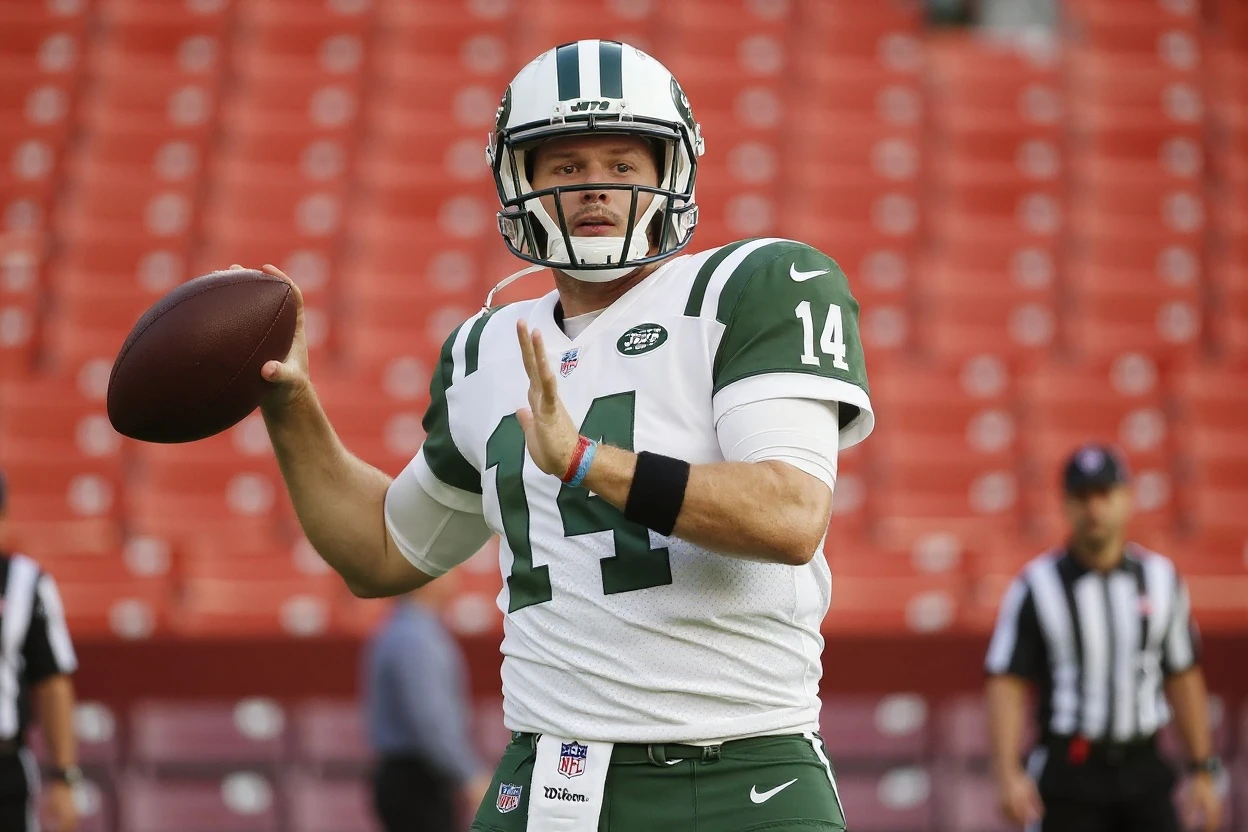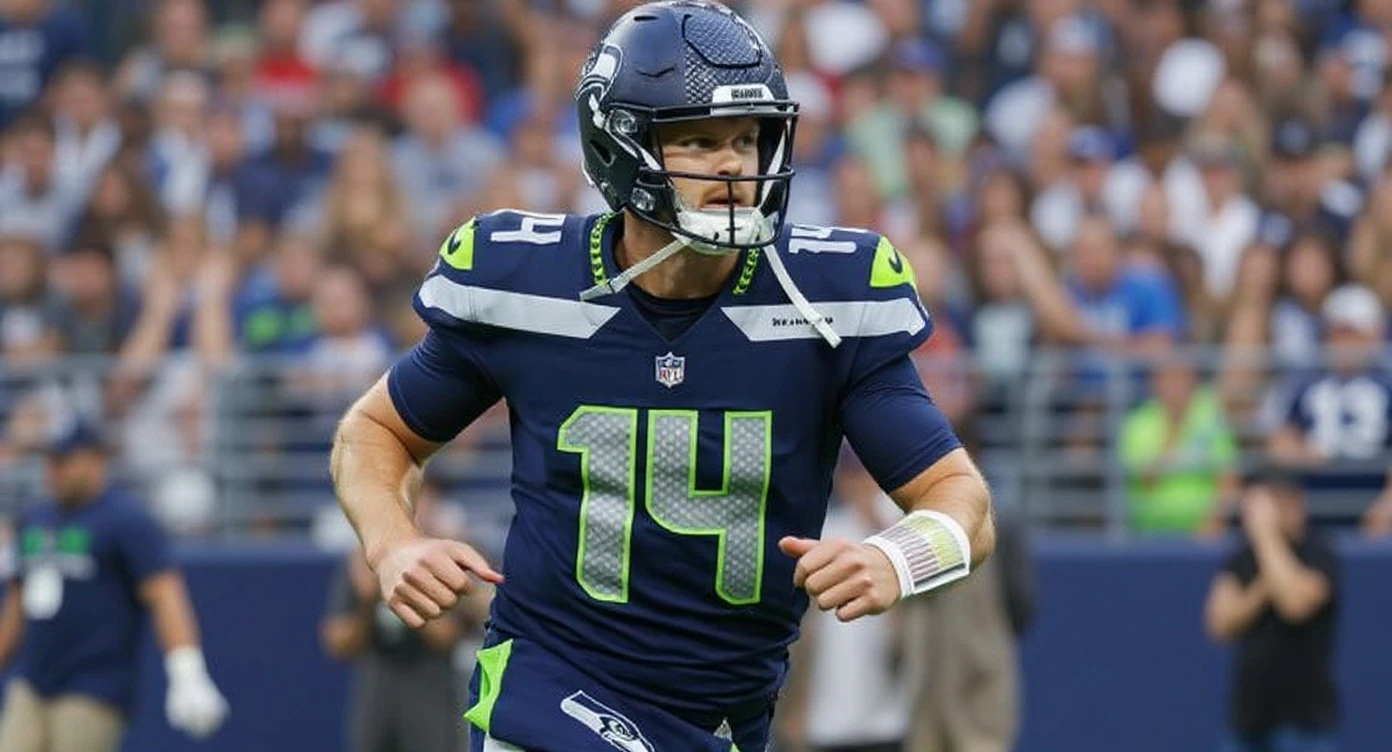
In a remarkable turn of events, Sam Darnold, the once-promising quarterback for the New York Jets, has defied the odds and led the Seattle Seahawks to Super Bowl LX. His journey is a cautionary tale for organizations that give up on young talent too soon, highlighting the importance of patience, proper development, and a stable environment for success.

The Redemption of Sam Darnold: From Mismanaged Talent to Super Bowl Stardom
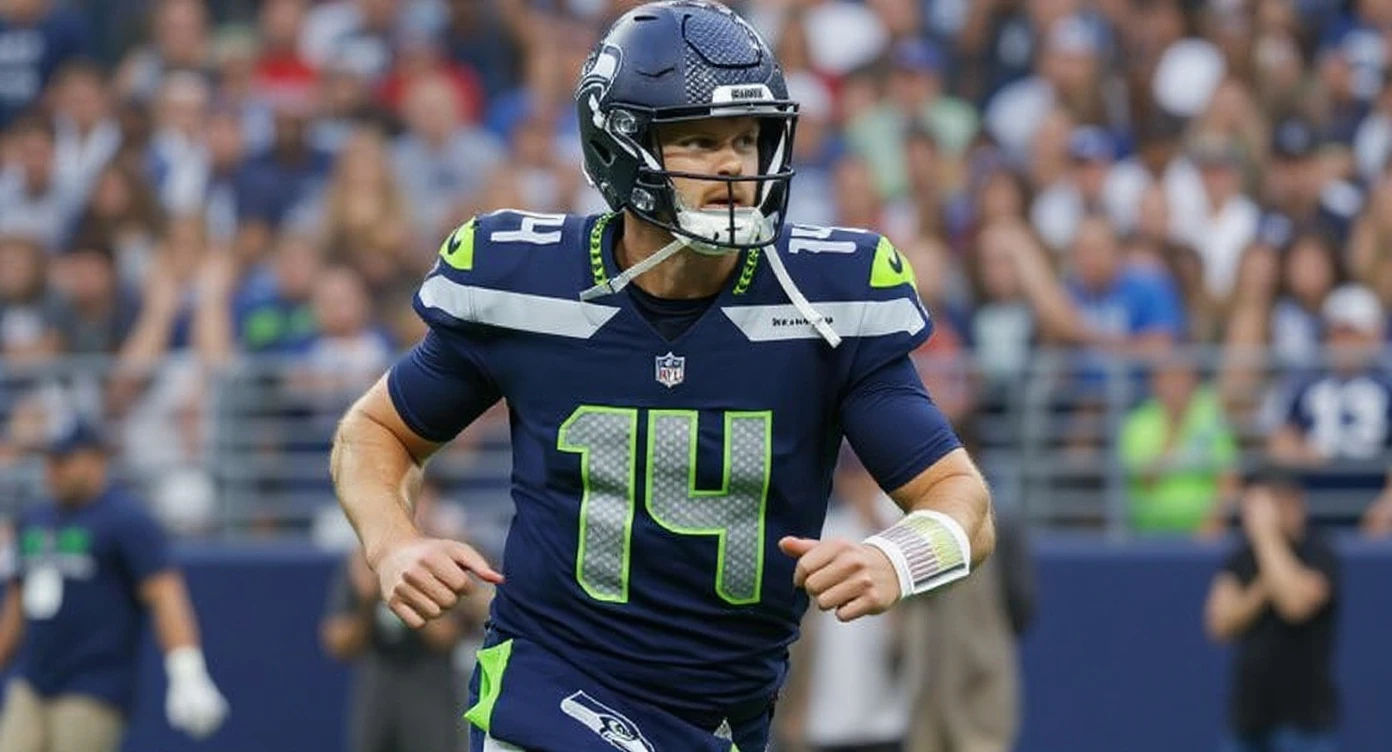
Sam Darnold’s ascent from being ridiculed as a quarterback who was “seeing ghosts” to piloting the Seattle Seahawks to Super Bowl LX represents one of the most dramatic rehabilitations in contemporary NFL history. Drafted third overall by the New York Jets in 2018—at just 21 years and 97 days old, making him the youngest opening-day starting quarterback since the 1970 AFL-NFL merger—Darnold embodied everything scouts desired in a franchise pivot: exceptional arm talent, competitive toughness, intelligence, and demonstrated leadership capabilities.
Standing 6’3″ and weighing 225 pounds, the USC product was signed to a four-year, 30.25 million fully guaranteed contract featuring a 20 million signing bonus, signaling genuine organizational commitment. Yet instead of transforming the Jets’ fortunes, his New York tenure became a cautionary tale about organizational dysfunction. Darnold now stands on football’s grandest stage, preparing to face the New England Patriots with the Seahawks’ 14-3 record securing the NFC’s top seed, while the franchise that drafted him watches from home with a dismal 3-14 record and last-place division standing—a humbling reminder that elite talent alone cannot overcome systemic failure.
The Jets’ Recipe for Disaster: Why Constant Chaos Killed a Promising Talent
No quarterback thrives in organizational chaos, and the Jets perfected creating it. Rather than providing Darnold with a stable environment to develop, the franchise cycled through system changes, rotated coaching staffs with dizzying frequency, and demonstrated an alarming inability to commit to long-term vision. Head coach Adam Gase led the Jets to a 7-9 record in 2019 and a disastrous 2-14 campaign in 2020 before being fired, exemplifying this instability.
During the 2019 season, Darnold was diagnosed with mononucleosis and missed three games, yet even recovering, he finished with 3,024 passing yards, 19 touchdowns, and 13 interceptions in 13 games—respectable numbers for a developing sophomore quarterback navigating illness and organizational turmoil, caught in a system where they rushed him, panicked, changed systems, changed voices, and changed plans every five minutes.
The NFC Championship Mic Drop: When Your Rejected QB Destroys Your Former Division Rival
Poetry and justice converged in the NFC Championship Game when Darnold dissected the Los Angeles Rams’ defense with surgical precision. Completing 25 of 36 pass attempts for 346 yards with three touchdowns and zero interceptions, he didn’t just win—he demonstrated mastery. Matthew Stafford, a potential MVP candidate, couldn’t match Darnold’s performance in what became a 31-27 Seattle victory. This wasn’t a fortunate outcome born from defensive breakdowns or lucky bounces. This was a quarterback operating at elite efficiency under playoff pressure, making precise decisions and executing in critical moments.
A 50-Year Curse and 15-Year Drought: What the Jets Are Trying to Hide
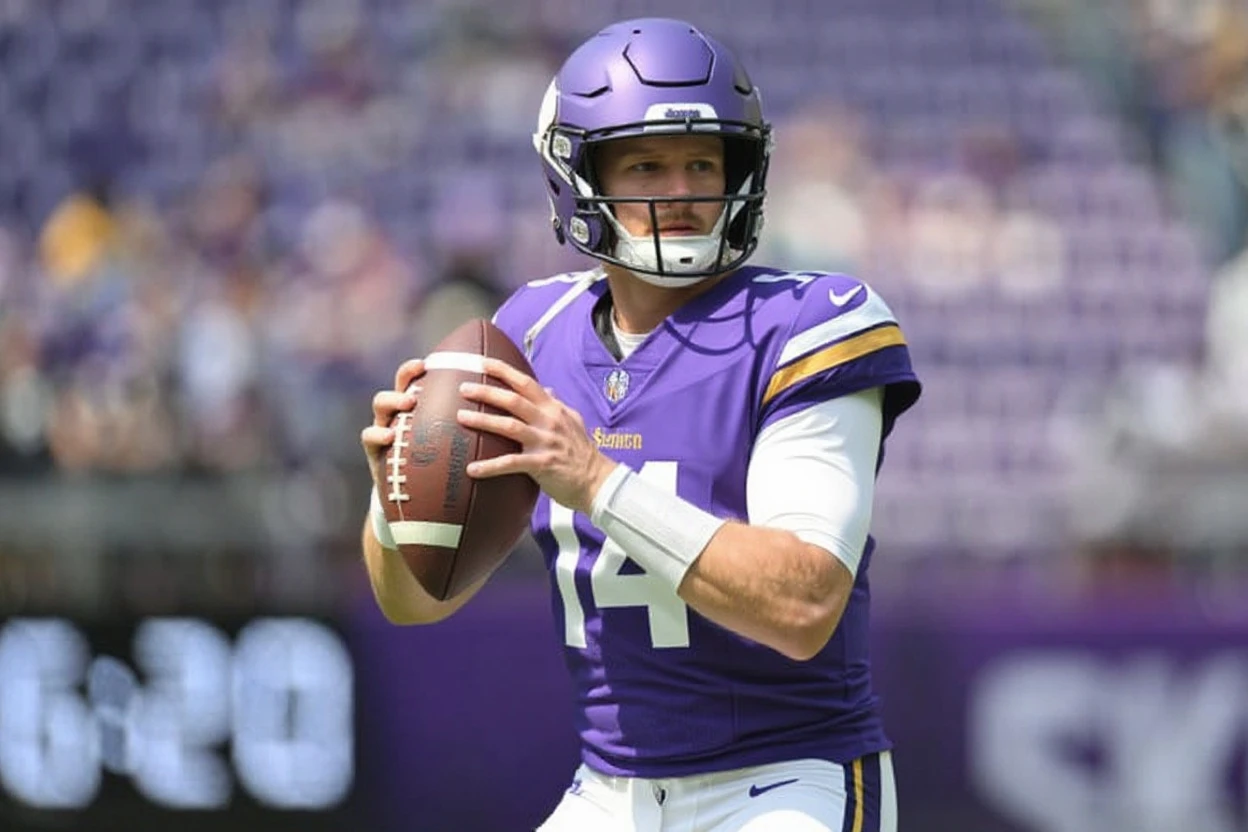
Numbers don’t lie, and the Jets’ numbers tell a story of sustained organizational failure. No Super Bowl victory since 1969—a full half-century gap. No playoff appearance since 2011, stretching into a fifteen-year drought. These statistics represent more than simple bad luck; they reveal systemic dysfunction operating at the highest levels. The NFL’s coaching carousel culture—where organizations panic-fire capable coaches despite success and constantly shuffle personnel—directly fuels such droughts. This instability prevents the patient, consistent development frameworks that modern quarterback success requires.
The Real Question Teams Need to Ask Themselves Before They Make Their Next Hasty Decision