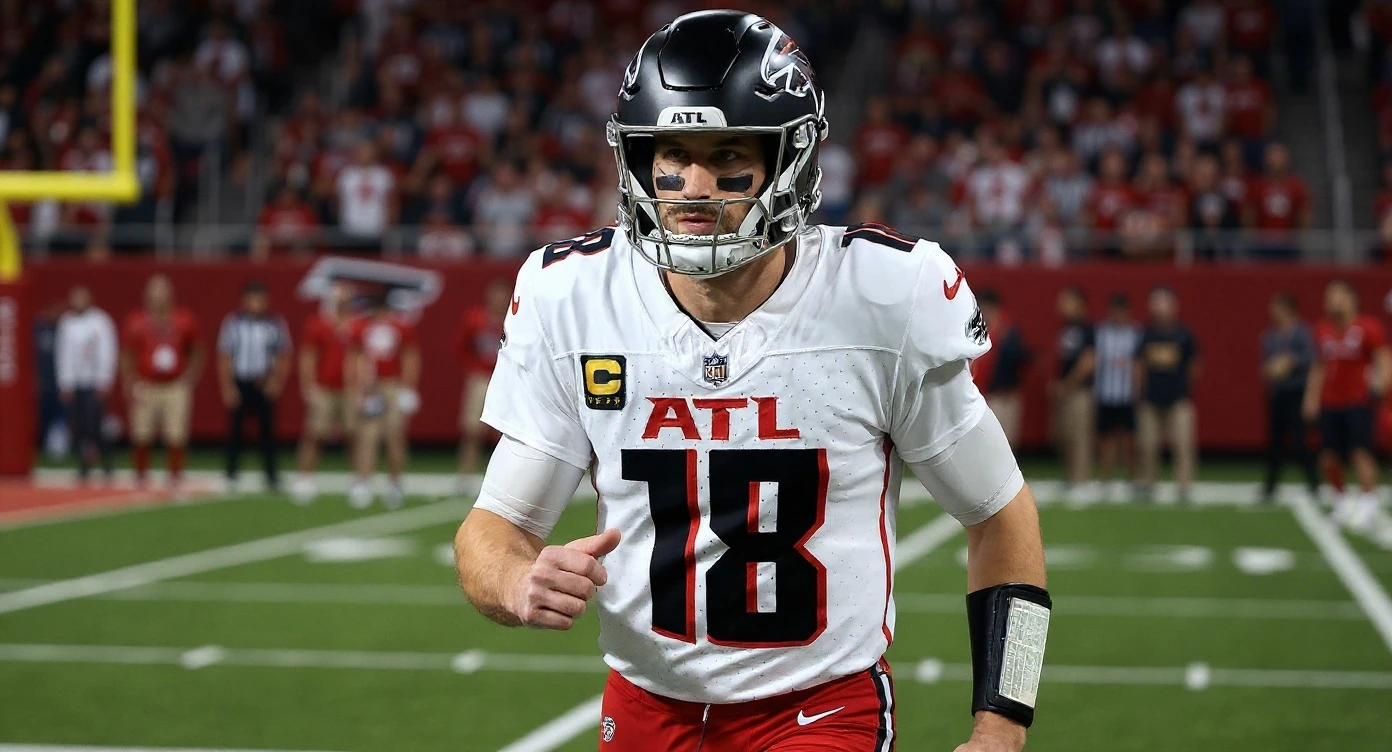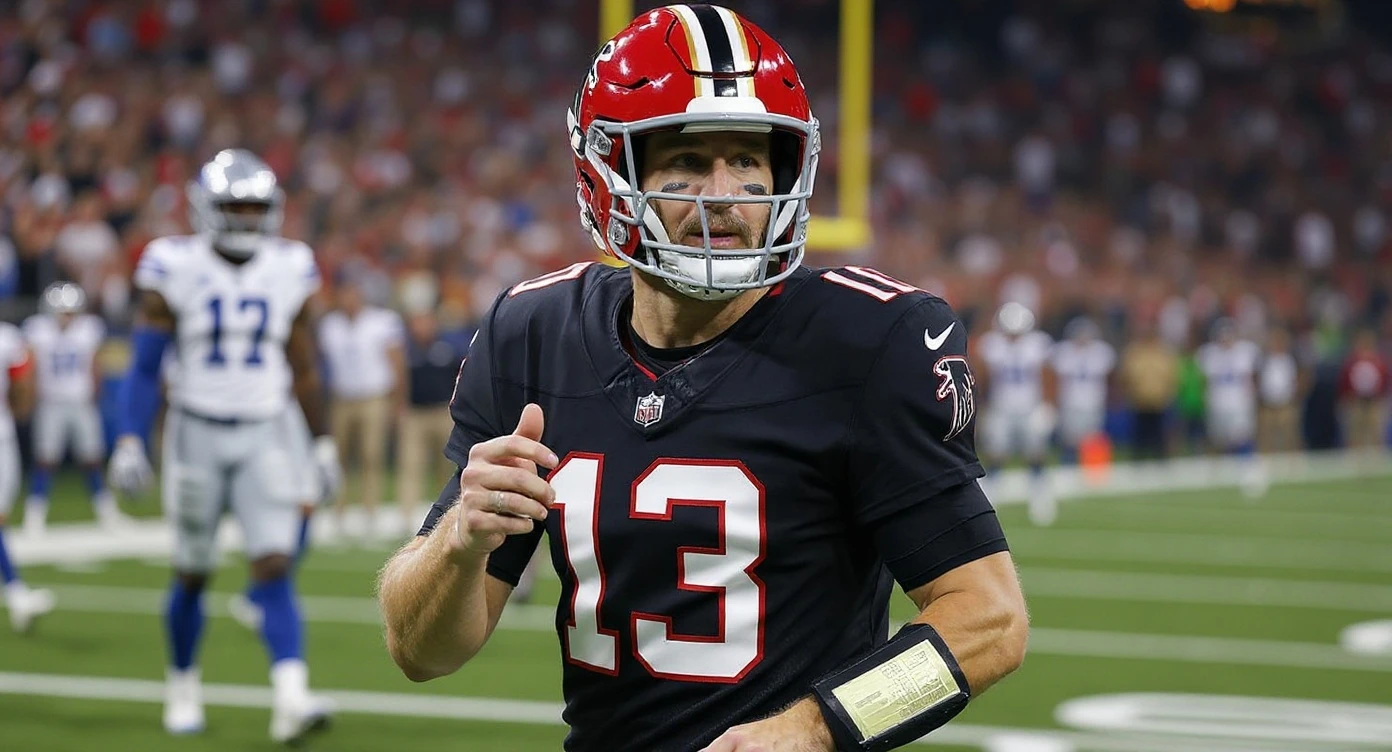
Kirk Cousins’ tenure with the Atlanta Falcons ended before it truly began—benched for rookie Michael Penix Jr. after just one season following a four-year, $180 million investment, as reported by Fox News. The partnership that promised stability collapsed, leaving Cousins at a crossroads.
But what seemed like career decline became an opportunity for reinvention, with the Las Vegas Raiders offering Cousins a path to relevance and leadership in a new system where his veteran presence would be valued, not discarded.
At 37, Cousins had reason to be concerned. The NFL is notoriously unforgiving to aging quarterbacks, especially those deemed expendable by franchises that drafted their successors. Yet the Falcons’ decision to move on created a peculiar paradox: Cousins retained enough credibility to attract suitors, and his experience proved invaluable to teams seeking stability during quarterback transitions.
Cousins’ career trajectory demonstrates remarkable longevity for a fourth-round draft pick. Selected by the Washington Redskins in the fourth round (102nd overall) of the 2012 NFL Draft, as the club announced at the time, he’s since established himself as one of the league’s most durable and consistent performers, ranking sixth all-time in completion percentage among qualifying quarterbacks and eleventh in career passer rating.
His path to free agency—marked by two franchise tags before a fully guaranteed $84 million contract with Minnesota in 2018 that NFL.com reported made him the first quarterback ever to sign a fully guaranteed multiyear deal—established him as a quarterback who prioritizes security and longevity.
The Raiders’ decision to sign him on April 2, 2026, reinforces this pattern. What makes this storyline compelling isn’t just Cousins’ resilience, but what it reveals about NFL decision-making: franchises often overestimate their rookies’ readiness and underestimate the value of veteran quarterback mentorship.
The Contract That Rewrites the Rules: Why $20M Fully Guaranteed Trumps $172M Fiction
On paper, Cousins signed a $172 million five-year deal with the Raiders—his 11th consecutive season with full guaranteed money. But the real story lies buried in the fine print: $20 million fully guaranteed in year one, with a club option for $80 million over two additional years.
Remarkably, the Falcons will continue contributing $8.7 million toward this arrangement, while the Raiders supplement with their veteran minimum salary requirement of $1.3 million plus a substantial $10 million signing bonus.
This structure reveals what NFL insiders already know—flashy headline numbers mean little. What matters is security, and Cousins has mastered the art of securing it. The distinction between headline value and actual guarantees represents a fundamental truth about modern NFL economics.
Most contracts are designed to benefit teams, offering escape hatches and flexibility disguised within sprawling multi-year frameworks.
Yet Cousins has consistently negotiated differently, prioritizing guaranteed money over total value. His approach suggests something profound: he understands that longevity in professional football isn’t about maximizing future earnings—it’s about securing present certainty.
The $20 million fully guaranteed in 2026 represents Cousins’ floor, the amount he’ll receive regardless of performance or circumstance. The Falcons’ lingering financial contribution adds a unique dimension to this arrangement, exemplifying Cousins’ career-long mastery of contract negotiation.
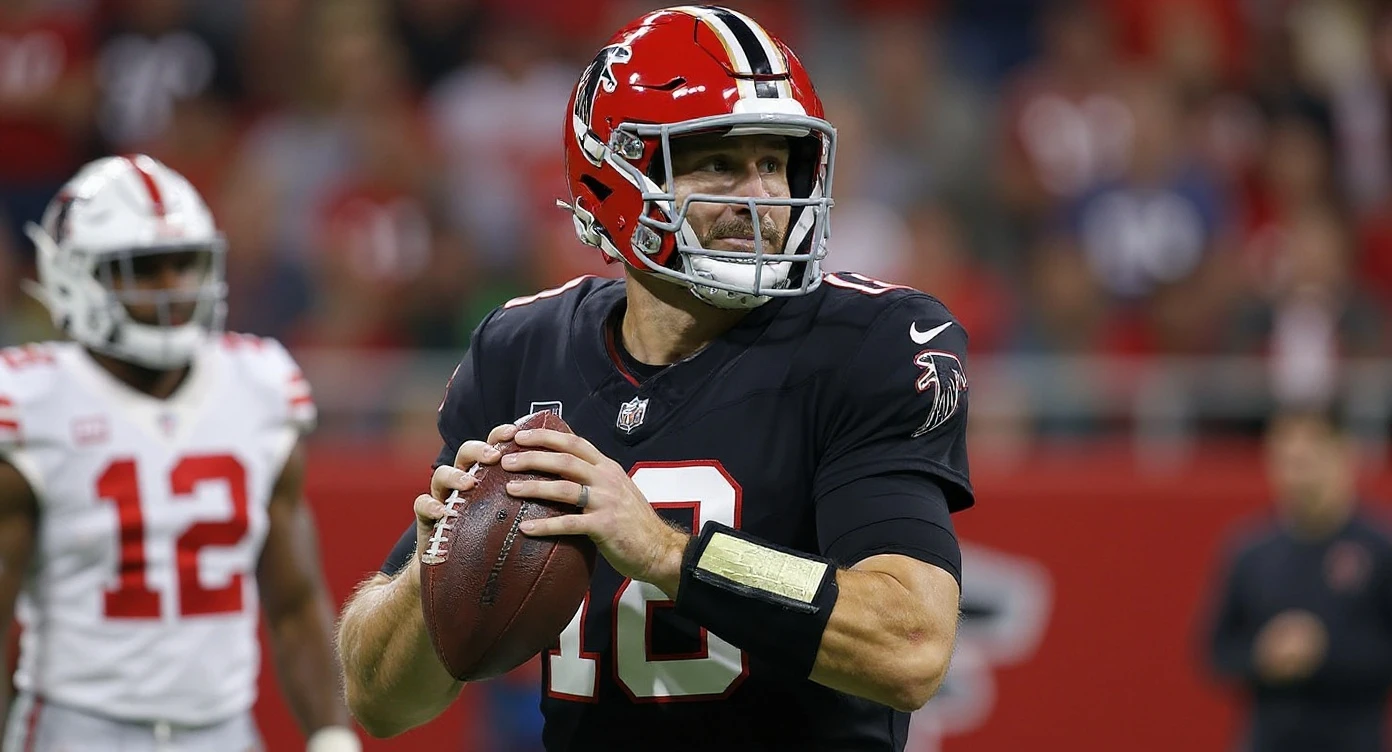
The Mentor Mandate: Can Cousins Elevate Fernando Mendoza Before the Inevitable Benching?
Raiders coach Klint Kubiak has a vision: draft Indiana quarterback Fernando Mendoza and let him learn behind a seasoned veteran. Kubiak and Cousins’ shared Minnesota history makes this a calculated gamble.
Critically, Kubiak has been explicit about his philosophy, describing Mendoza as a winner—and emphasizing that winning pedigree is exactly what the Raiders organization values.
Mendoza, a Heisman Trophy winner and national champion, embodies that winning mentality Kubiak seeks to cultivate. But here’s the tension: will Cousins’ role as mentor actually accelerate Mendoza’s readiness to take over, or will the rookie force Cousins back to the bench just like in Atlanta?
The same scenario that ended Cousins’ Falcons era looms again. This dynamic presents one of professional football’s enduring dilemmas: how quickly should rookie quarterbacks be elevated?
The Falcons believed Michael Penix Jr. was ready after one year of observation. The Raiders, by contrast, appear committed to a longer developmental timeline, positioning Cousins as both placeholder and teacher.
Kubiak’s preference for this approach carries weight—it reflects a deliberate strategy to build a winning culture with proven winners.
Yet the question remains whether Kubiak can resist the pressure that inevitably builds around talented rookies. Mendoza’s elite credentials suggest he won’t languish on the bench indefinitely.
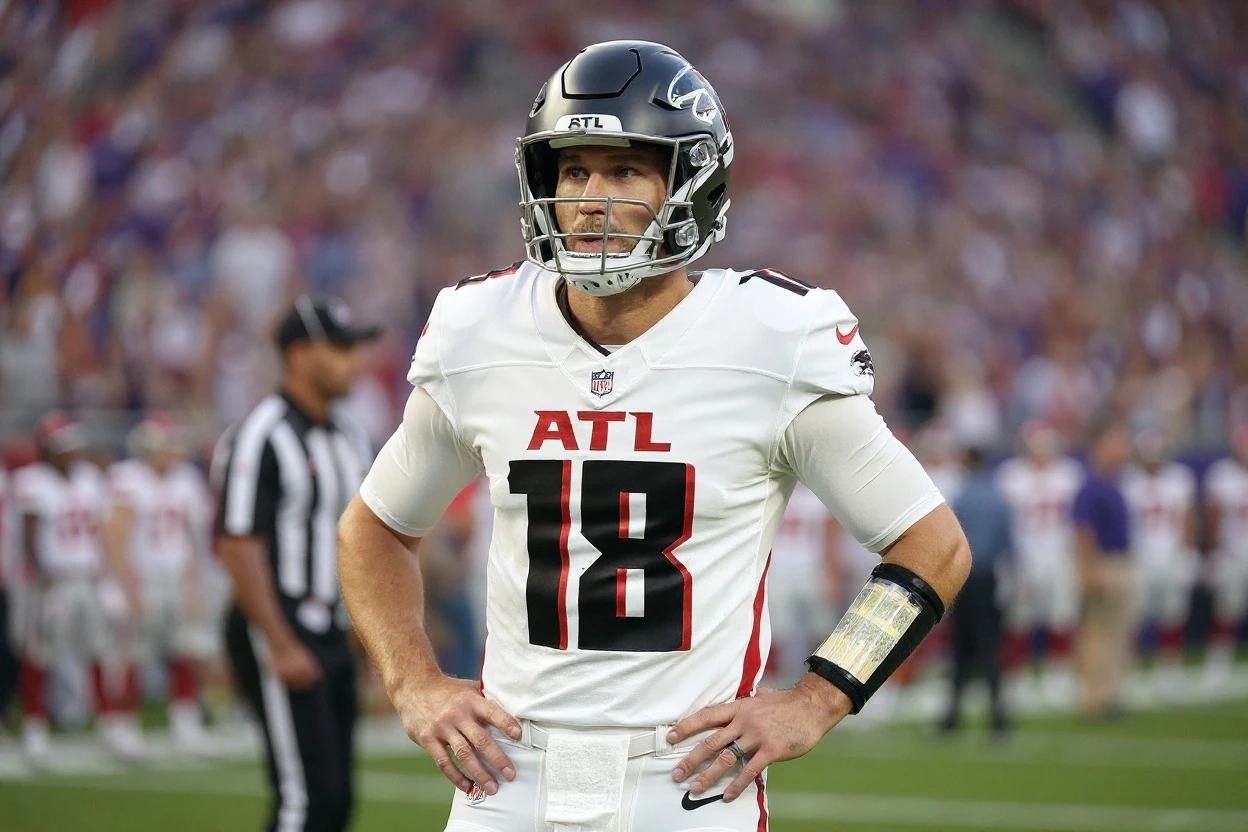
The Unlikely Comeback: Why the Raiders’ QB1 Slot Is Actually Cousins’ to Lose
Despite the draft rumors and the rookie waiting in the wings, insider Ian Rapoport confirmed that Cousins is solidly entrenched regardless of who they select.
With $20 million guaranteed and Kubiak’s explicit preference for a veteran-led transition, Cousins has the opportunity for redemption.
The question isn’t whether he’ll start; it’s whether he can prove the Falcons made a historic mistake by moving on. This confirmation represents more than a depth chart notation—it’s a mandate.
The Raiders have publicly committed to Cousins as their primary quarterback, signaling confidence that extends beyond mere stopgap measures.
For a player who experienced the sting of benching in Atlanta, such clarity offers psychological relief and professional stability. Cousins now enters a rare situation where his role is secure and his purpose is defined.
His career arc—from fourth-round draft pick to one of the league’s most consistent performers—demonstrates his ability to overcome adversity and prove doubters wrong. The path forward appears lined with opportunity.
If Cousins performs well, he silences critics and potentially extends his career. If Mendoza develops smoothly under his tutelage, the narrative becomes one of harmonious transition rather than conflict.
For Cousins, the 2026 season represents a second chance to prove he still belongs among the NFL’s elite.