
For over a century, baseball held an unshakeable grip on the American consciousness—a cultural institution woven into the fabric of national identity.
Once unofficially recognized as America’s national sport since the late 19th century and celebrated as ‘America’s Pastime,’ baseball’s dominance seemed immutable.
Yet something extraordinary has occurred. Recent data reveals that approximately 10% of Americans now identify soccer as their favorite sport, surpassing baseball for the first time in measurable polling history.
This seismic shift transforms not just sports preferences but the fundamental landscape of American entertainment and youth development. With an estimated 250 million active players worldwide across over 200 countries and territories, according to FIFA figures cited by Britannica, soccer has established itself as the global sport—a global infrastructure that increasingly influences American participation and cultural attitudes.
The timing of this transition is striking when viewed against baseball’s internal vulnerabilities. While soccer has executed a systematic long-term strategy, baseball faces an existential challenge: the collective bargaining agreement expires after 2026, with players and owners deeply divided over implementing a salary cap.
A work stoppage in 2027 looms as a distinct possibility, threatening to alienate fans who’ve recently reconnected with the sport through rule changes like the pitch clock, which has accelerated gameplay to 2 hours and 38 minutes, per ESPN’s reporting on average game times.
Young superstars—Shohei Ohtani, Aaron Judge, Juan Soto—have successfully attracted younger audiences back to the game, yet this fragile resurgence could shatter if labor conflict erupts precisely when baseball attempts to reclaim cultural relevance.
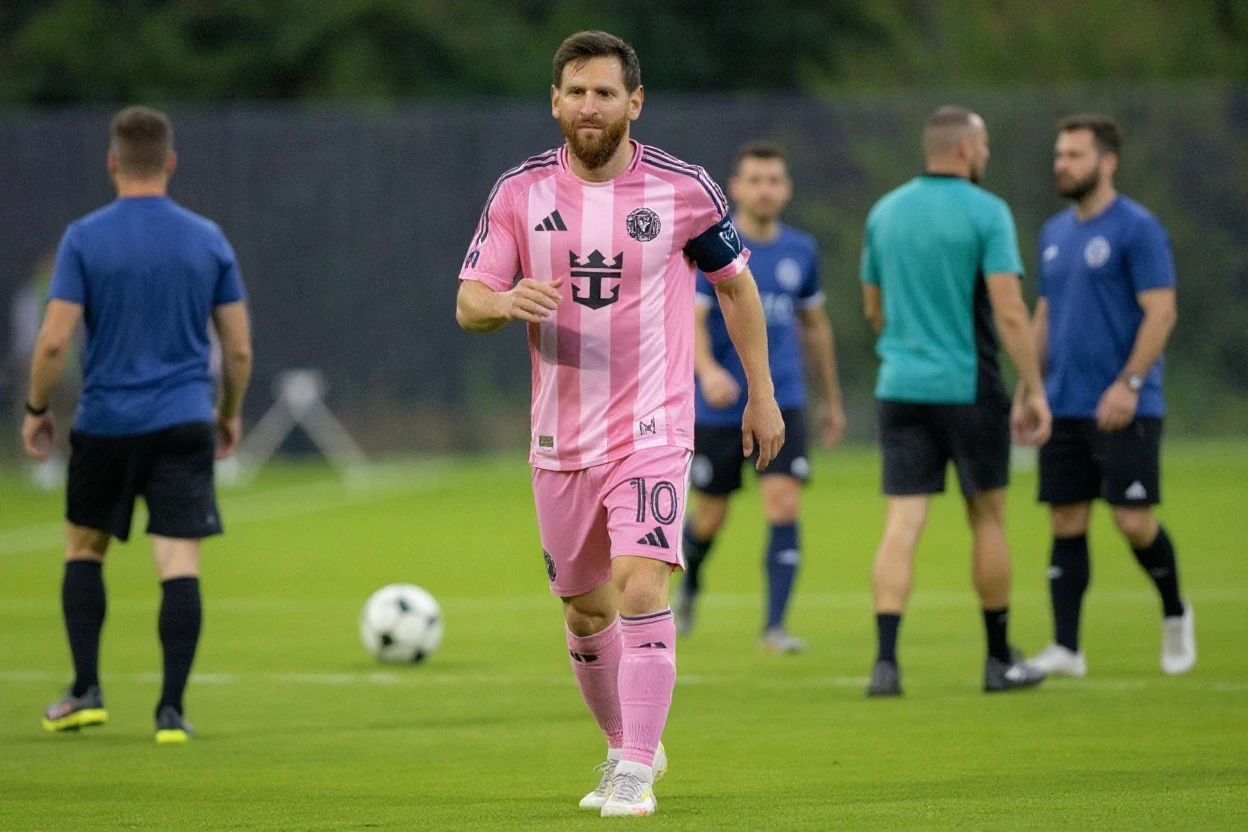
Behind soccer’s transformation lie three distinct forces: Major League Soccer’s expansion from 10 teams in 1996 to 30 franchises today, as documented by Sports Illustrated; strategic recruitment of globally recognized superstars who lend credibility and excitement to domestic competition; and systematic investment in youth development infrastructure that created millions of soccer-literate Americans.
The implications extend far beyond stadium attendance, reflecting generational change, demographic evolution, and increasing globalization of American culture. Only American football and basketball rank higher in popularity, maintaining their 40% and 20% favorability respectively.
For a sport mockingly dismissed as perpetually ‘about to explode’ for decades, soccer’s arrival at third place represents validation of a long-term strategic vision executed with remarkable patience and precision.

Want to know what people are really saying? Don’t miss the buzz from Reddit at the end!
How MLS Built a 30-Team Empire from Nothing
The transformation of Major League Soccer reads like a business school case study in strategic patience and calculated risk-taking. When MLS kicked off in 1996 with just 10 franchises, skeptics outnumbered believers. The league was widely viewed as a vanity project unlikely to achieve financial viability or cultural relevance.
Yet three decades later, MLS operates 30 teams across North America, with expansion franchises commanding valuations exceeding $500 million. This wasn’t achieved through accident or luck—it required deliberate architectural decisions that rewired American sports fandom at every level.
The league systematized youth development through academy programs affiliated with professional clubs, creating talent pipelines that didn’t previously exist. Simultaneously, MLS pursued a counterintuitive strategy: instead of competing directly with established American sports, it built an entirely new fan base by targeting underserved demographics and communities beyond major metropolitan centers.
MLS clubs outside traditional hubs like Los Angeles and Miami successfully attracted global superstars by emphasizing their sporting project, playing style, and organizational infrastructure rather than relying solely on lifestyle amenities.
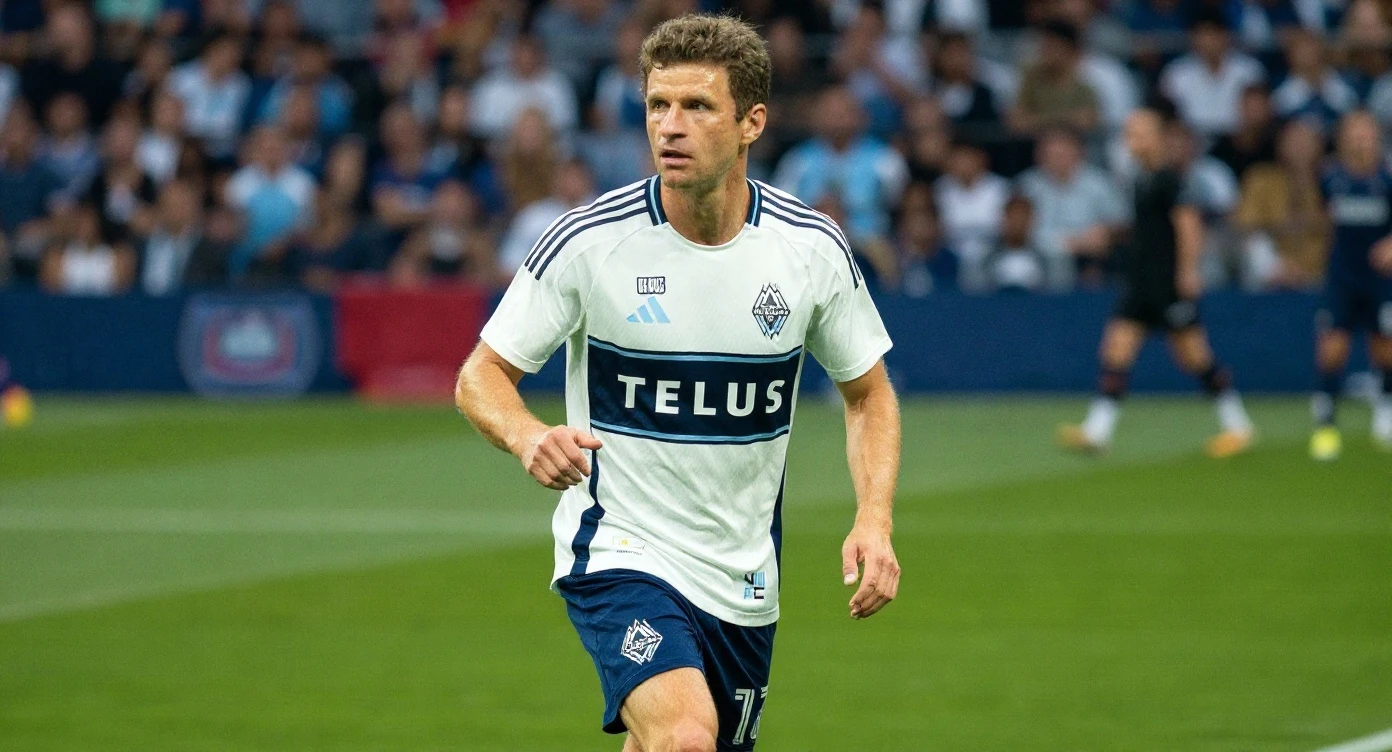
Thomas Müller’s move to Vancouver was heavily influenced by tactical discussions and the club’s strategic vision, while San Diego Wave FC constructed a $150 million training facility to attract elite players like Hirving Lozano. This demonstrates MLS’s competitive maturation and ability to compete with European leagues on sporting merit alone.
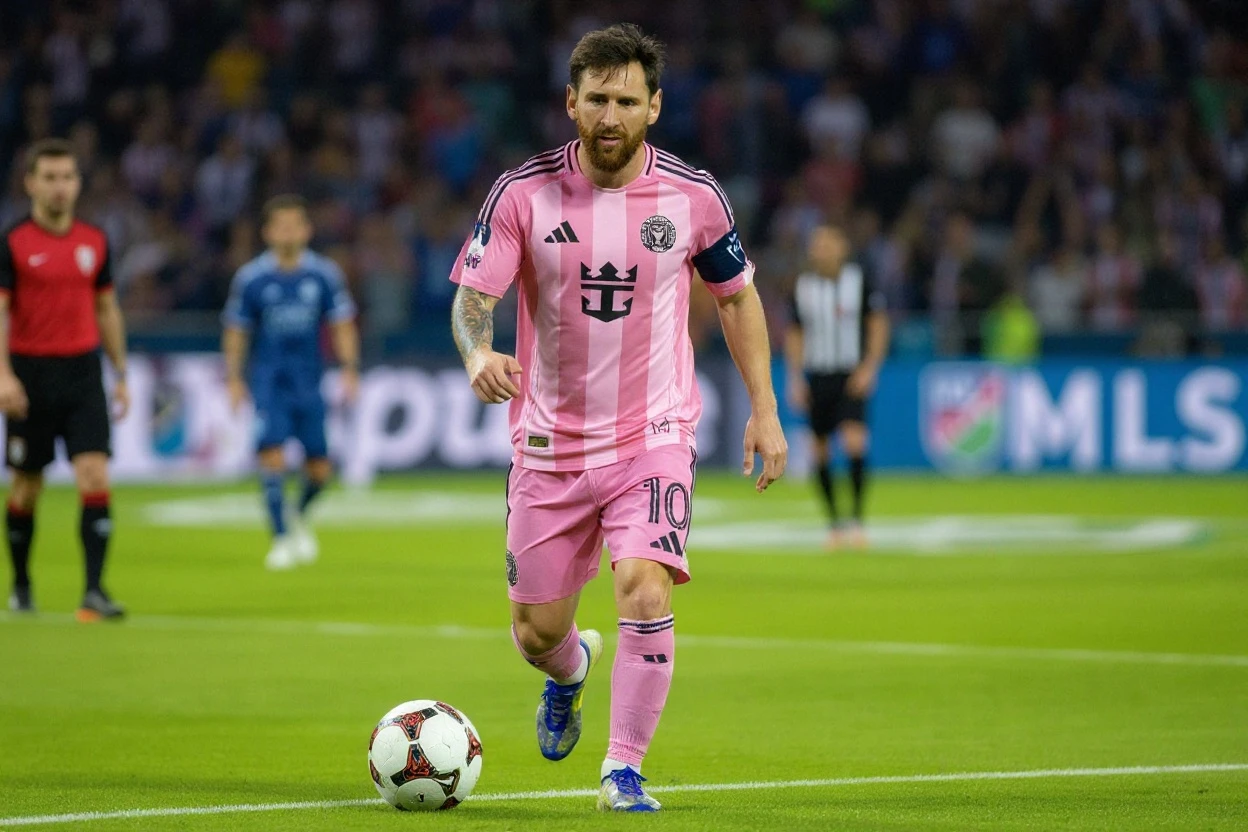
Strategic stadium investments in emerging markets transformed soccer from a suburban recreational activity into an urban entertainment experience. The acquisition of marquee global talent—David Beckham, Thierry Henry, Lionel Messi—provided narrative gravitas and international credibility that American-born players alone could never deliver.
These interconnected strategies create momentum that compounds: better players attract larger audiences, larger audiences justify stadium investments, stadium investments attract expansion cities, and expansion cities develop more young players. This virtuous cycle continues accelerating, particularly as North American soccer reaches competitive parity with South American club football—a historic milestone that elevates the region’s credibility among global audiences and international players considering relocation.
The War Brewing Between American Soccer Factions
Success breeds complexity, and American soccer now faces an internal conflict that threatens to undermine its momentum. American investors have systematically acquired controlling stakes in elite European soccer clubs—teams occupying top positions in the Premier League, La Liga, Serie A, and Bundesliga.
These investments represent genuine financial commitments, typically ranging from hundreds of millions to over a billion dollars. Meanwhile, foreign leagues are planning to stage regular domestic matches directly in the United States, fundamentally threatening MLS’s territorial advantage.
This creates an unprecedented fracture: American investors with European club interests stand to benefit from overseas league matches in America, while those financially committed to MLS face direct competition for audience attention and broadcasting rights.
The tension represents more than commercial disagreement—it embodies competing visions for American soccer’s future. Should the sport prioritize domestic league development, or embrace becoming a satellite market for European soccer?
Some American investors may calculate that owning premium European clubs and broadcasting their matches domestically generates superior returns compared to MLS expansion.
This conflict hasn’t erupted publicly yet, but its underlying pressures are mounting. European leagues sense opportunity: the American market remains undermonetized relative to its population and wealth.
MLS could find itself competing not just against basketball and football but against its own investors’ European assets. How this internal struggle resolves will determine whether American soccer continues its upward trajectory or splinters into competing interests working against collective industry growth.
What Japan’s Soccer Success Reveals About MLS’s Future
Japan’s J League offers MLS an instructive blueprint for navigating the next phase of growth—lessons earned through experience in a market that shares surprising parallels with contemporary America.
After hosting the 1994 World Cup, Japan pursued a deliberate expansion strategy that created engaged, sustainable fan communities rather than chasing explosive growth. The J League implemented specific calendar reforms that prevented fixture congestion, protecting player health while allowing meaningful rest periods that enhanced match quality.
Fan engagement innovations—from stadium design incorporating community gathering spaces to marketing strategies emphasizing club identity over individual star power—built loyalty transcending typical sports consumption patterns. Japan’s player development philosophy prioritized systematic coaching education and long-term talent cultivation over short-term acquisitions, creating cultural understanding and playing style consistency.
Remarkably, Japan’s approach generated sustained growth without relying on superstar imports as primary revenue drivers. MLS currently pursues a hybrid strategy: explosive expansion paired with marquee international signings distributed strategically across diverse markets.
This creates immediate revenue and attention while building sustainable infrastructure in secondary cities. Japan’s experience suggests that mid-market franchises in secondary American cities might generate greater long-term stability through community integration and youth development than by chasing blockbuster signings alone.
Calendar reform remains particularly relevant: MLS’s compressed schedule produces more injuries than other major leagues, potentially limiting player development and match quality. By studying Japan’s playbook—specifically how it balanced expansion ambition with quality protection—MLS can identify optimization opportunities.
The warning embedded in Japan’s success is subtle but crucial: explosive growth without structural quality improvements eventually plateaus, leaving leagues vulnerable to competitive displacement.

A Question of Audience Translation
The data revealing soccer’s ascendancy over baseball requires important contextualization. While the aggregate interest in soccer as a sport has indeed grown substantially, translating that enthusiasm into league-specific support presents a different challenge. The Dodgers and Yankees—baseball’s most iconic franchises—still command loyalty among millions of Americans who identify baseball as their favorite sport, a concentration of support that dwarfs even the most popular MLS franchises.
This distinction matters profoundly when evaluating soccer’s true penetration into American sports culture. The gap between general soccer interest and specific MLS fandom illuminates a critical vulnerability in the sport’s American strategy.
Casual soccer fans in the United States don’t necessarily translate into MLS viewers or supporters. Many Americans who identify soccer as their preferred sport maintain primary loyalty to global clubs—Manchester City, Barcelona, Real Madrid, Liverpool—franchises with decades of established identity, international prestige, and seasons built around the European calendar.
This creates a peculiar dynamic where growing soccer enthusiasm in America doesn’t automatically strengthen the domestic league’s competitive position or commercial viability.
For MLS, this represents both challenge and opportunity. The league has successfully created interest in soccer as a category, but converting that general affection into sustained league viewership and attendance requires execution excellence that remains unproven at scale.
Secondary American cities have shown promise, yet MLS still struggles to compete consistently with the cultural mindshare commanded by traditional American sports during prime entertainment windows. The strategic pathway forward demands more than simply expanding franchises—it requires transforming casual soccer interest into genuine partisan loyalty toward domestic clubs, a transformation far more difficult than acquiring superstar talent or building modern stadiums.