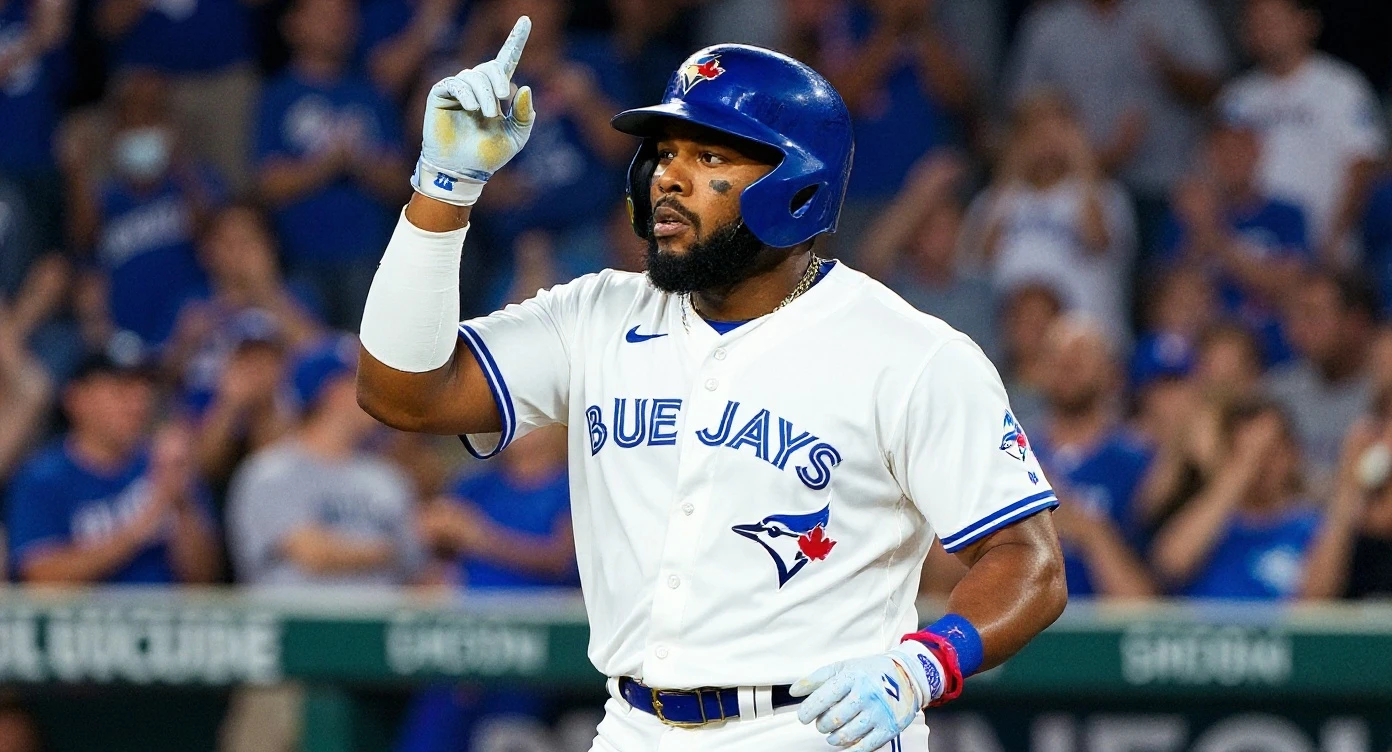
Bo Bichette, the 27-year-old shortstop and one of baseball’s premier free agents this winter, shocked the market by announcing his willingness to transition to second base. This signals a dramatic departure from a player who’s spent nearly his entire career anchoring the shortstop position—the quarterback of any defense. But why would one of the game’s most sought-after talents make this concession? The answer reveals deeper strategic thinking about his future and free agency’s competitive landscape. Entering his prime earning years after his November 5 free agency declaration, Bichette’s strategically rewriting his positional narrative. This flexibility isn’t weakness; it’s calculated adaptation in an evolving market where premium talent transcends traditional boundaries. His decision comes amid significant roster transitions across baseball’s elite teams, notably the Toronto Blue Jays organization where Vladimir Guerrero Jr.—his longtime teammate and cornerstone—just committed long-term with a landmark $500 million extension through 2039, the second-largest guarantee in MLB history, as CBC Sports reported. The two players’ relationship, forged over approximately six years since both were developed within the organization, underscores the depth of this organizational shift.





The Knee Injury That Changed Everything
Bichette’s World Series performance with the Blue Jays this fall offers the first crucial insight into his thinking. Battling a left knee injury down the stretch, he moved to second base during the postseason as a tactical adjustment—a temporary measure that sparked a larger realization. Missing the final month of the 2025 regular season, Bichette demonstrated his offensive value despite physical limitations. His numbers tell a compelling story of resilience: across 139 games, he slashed .311/.357/.483 with 18 home runs and 94 RBIs, per MLB.com—one of his best offensive years, posting a 129 OPS+ and marking elite production while managing injury concerns. The revelation: his production never wavered from an unfamiliar position, confirming what scouts suspected but hadn’t yet seen in high-pressure playoff baseball. The Blue Jays’ dominant 2025 campaign—94 wins and a World Series berth—provided the perfect proving ground for his positional versatility. Alongside Vladimir Guerrero Jr., who posted a 133 OPS+ with 23 home runs and 96 runs scored, Bichette demonstrated that elite offensive talent could flourish regardless of defensive assignment, validating the strategic shift he’d later embrace.
A Strategic Power Play in Free Agency
By proactively offering positional flexibility, Bichette reshapes his free agent narrative in ways that could significantly impact his earning potential and career trajectory. This calculated move expands his appeal to teams across baseball seeking shortstop vacancies, second base needs, or simply premium talent regardless of position. As a two-time MLB All-Star with a .294 career batting average and 111 home runs through 2025, Bichette remains a crown jewel of this winter’s market—a player every contender covets. His willingness to adapt signals profound confidence in his offensive prowess transcending defensive assignments. By removing positional constraints before teams make offers, Bichette eliminates potential negotiation barriers. He’s essentially telling the market: invest in my production, not my position. This positioning reflects the adaptability running through his family lineage; as the son of four-time MLB All-Star Dante Bichette, he inherits a tradition of professional excellence and versatility. The move could make him more valuable to more franchises than players unwilling to flex, particularly as teams evaluate roster needs following significant free agency movements.
The Blue Jays’ Dilemma: Can Toronto Afford Both Stars?
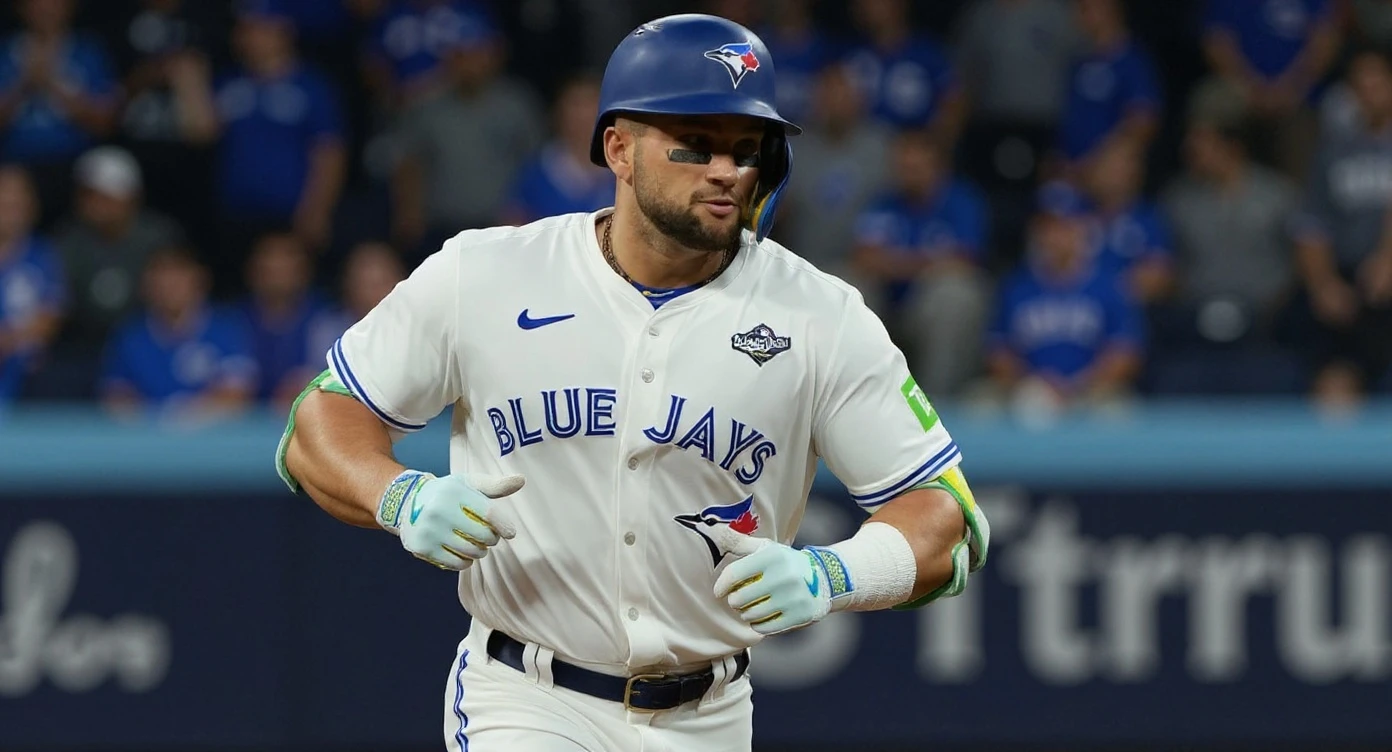
The Toronto Blue Jays are reportedly considering signing both Bichette and Kyle Tucker—a power move that could fundamentally reshape their roster construction and competitive timeline. However, the financial and strategic implications are staggering. Securing two elite talents on long-term contracts requires significant luxury tax considerations, opportunity costs across other roster needs, and questions about depth investment. With Bichette’s positional flexibility now proven and his elite offensive production demonstrated while managing injury, the team faces a critical decision point. The potential separation of Bichette and Guerrero Jr.—teammates for six seasons since 2019—would mark a symbolic end to an era. Both epitomize the franchise’s commitment to homegrown talent: Guerrero Jr., a five-time All-Star and Gold Glove winner, is the established cornerstone; Bichette’s emergence as an All-Star created complementary offensive firepower. The Blue Jays’ situation is further complicated by recent developments: while Guerrero Jr. secured his $500 million extension and Shane Bieber exercised his $16 million player option to return, the organization lost Max Scherzer and Chris Bassitt to free agency. Is investing in both Bichette and Tucker worth the organizational commitment amid these pitching departures, or should resources address rotation depth and complementary pieces? The answer may define Toronto’s competitive window for the next decade.