
The Denver Broncos faced an unexpected crisis when starting quarterback Bo Nix suffered a season-ending ankle injury during the divisional round of the NFL playoffs. Losing their franchise quarterback at the most consequential moment forced Denver to pivot its entire offensive strategy within hours—and sent shock waves through the organization and fanbase.
This wasn’t just a routine injury in a regular season game. The emotional weight devastated not only the locker room but also Denver’s passionate supporters who’d rallied behind Nix’s remarkable rookie season. Could the team’s Super Bowl aspirations survive such a crushing blow? The Broncos drew the New England Patriots, who’d just dismantled the Houston Texans 28-16 in their divisional round.
The Patriots forced four turnovers—intercepting C.J. Stroud four times, with defensive standout Marcus Jones returning one for a touchdown—and looked like a team peaking at precisely the wrong time for Denver. Facing this formidable opponent without their starting quarterback seemed insurmountable.
Yet history suggested otherwise. The AFC Championship game would unfold in Denver, where the Broncos were positioned as home underdogs despite the emotional investment surrounding their dramatic change at quarterback.


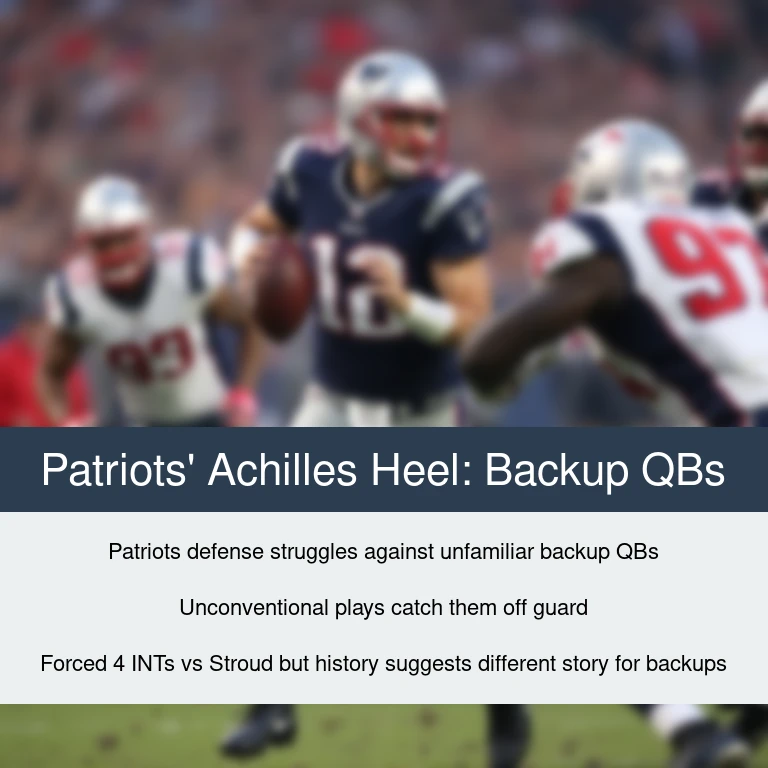


The Denver Broncos’ playoff run hit a wall no one saw coming. Starting quarterback Bo Nix — the engine behind one of the most electric rookie seasons in recent memory — suffered a season-ending ankle injury during the divisional round, forcing the organization to rebuild its entire offensive game plan overnight.
This wasn’t a mid-October setback with weeks to adjust. It was a franchise-altering moment at the worst possible time, and the ripple effects hit the locker room, the coaching staff, and a fanbase that had invested deeply in Nix’s breakout year. Standing in Denver’s way: the New England Patriots, who had just dismantled the Houston Texans 28-16 in their own divisional matchup.
New England’s defense was operating at a high level — forcing four turnovers against C.J. Stroud, including four interceptions, with cornerback Marcus Jones returning one for a touchdown.
The AFC Championship game was set for Denver, but the Broncos entered it as home underdogs, suddenly without the quarterback who had carried them there. The question wasn’t just whether Denver could win — it was whether the team could hold together long enough to compete.
From Backup to Believer: What Nick Foles Knows That Others Don’t
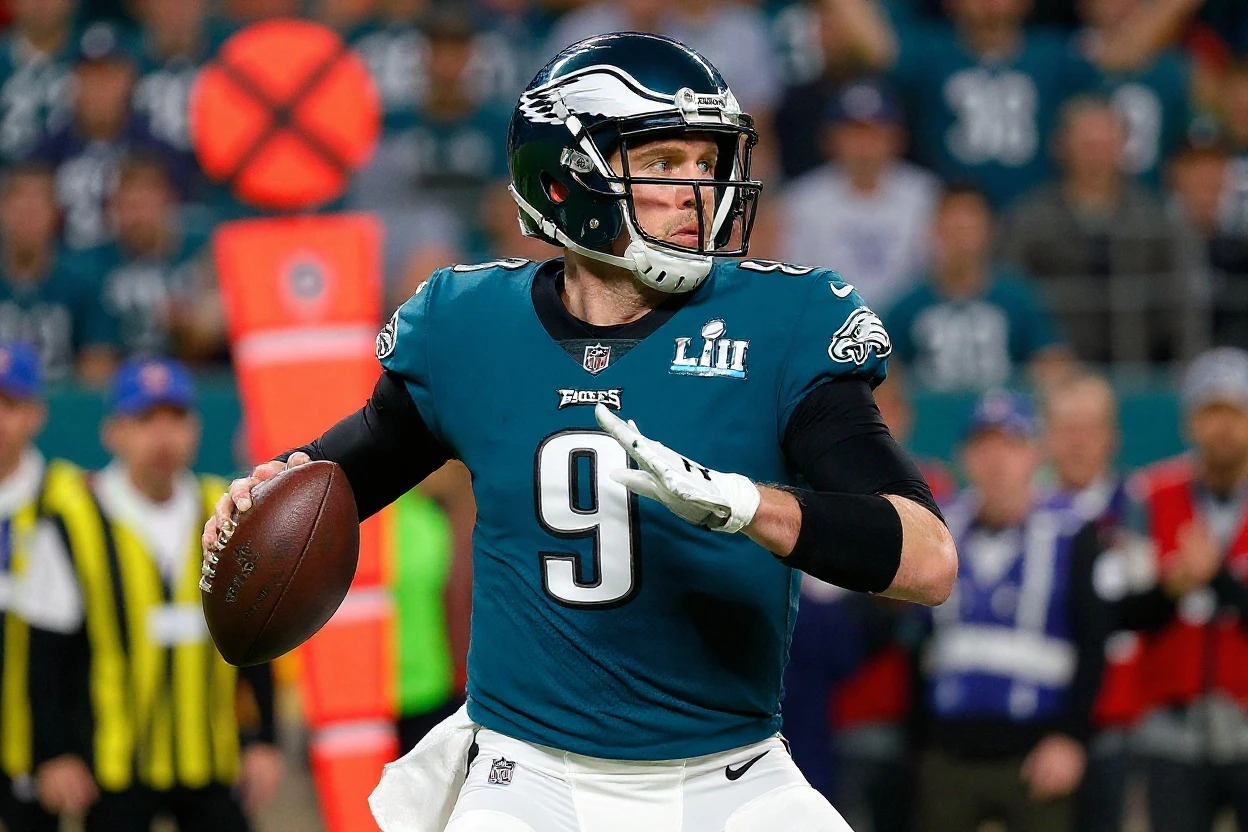
Nick Foles has lived this exact scenario — and he has the Super Bowl ring to prove it. When Carson Wentz tore his ACL in December 2017, as the NFL reported at the time, Philadelphia turned to Foles, a journeyman backup with modest expectations. What followed was one of the most celebrated postseason runs in NFL history.
Foles went 28-of-43 for 373 yards, three touchdowns, and one interception in Super Bowl LII, earning MVP honors in a 41-33 victory over the New England Patriots, as documented in the Patriots’ official Super Bowl LII game recap — the same franchise Denver now faces.
Foles’ message to the Broncos carried the weight of someone who has actually done it: championship teams can survive a quarterback change, and the backup stepping in doesn’t have to be perfect — he just has to be ready. Foles spent 11 seasons across six NFL teams, including stints with the Eagles, Rams, Chiefs, Jaguars, Bears, and Colts, giving him a perspective on backup quarterback culture that few can match.
His point about New England’s vulnerability against unfamiliar quarterbacks isn’t just anecdotal — it’s grounded in a documented pattern that dates back to their Super Bowl LII loss. For Jarrett Stidham and the Broncos, Foles’ blueprint isn’t just inspiring — it’s a legitimate tactical reference point.
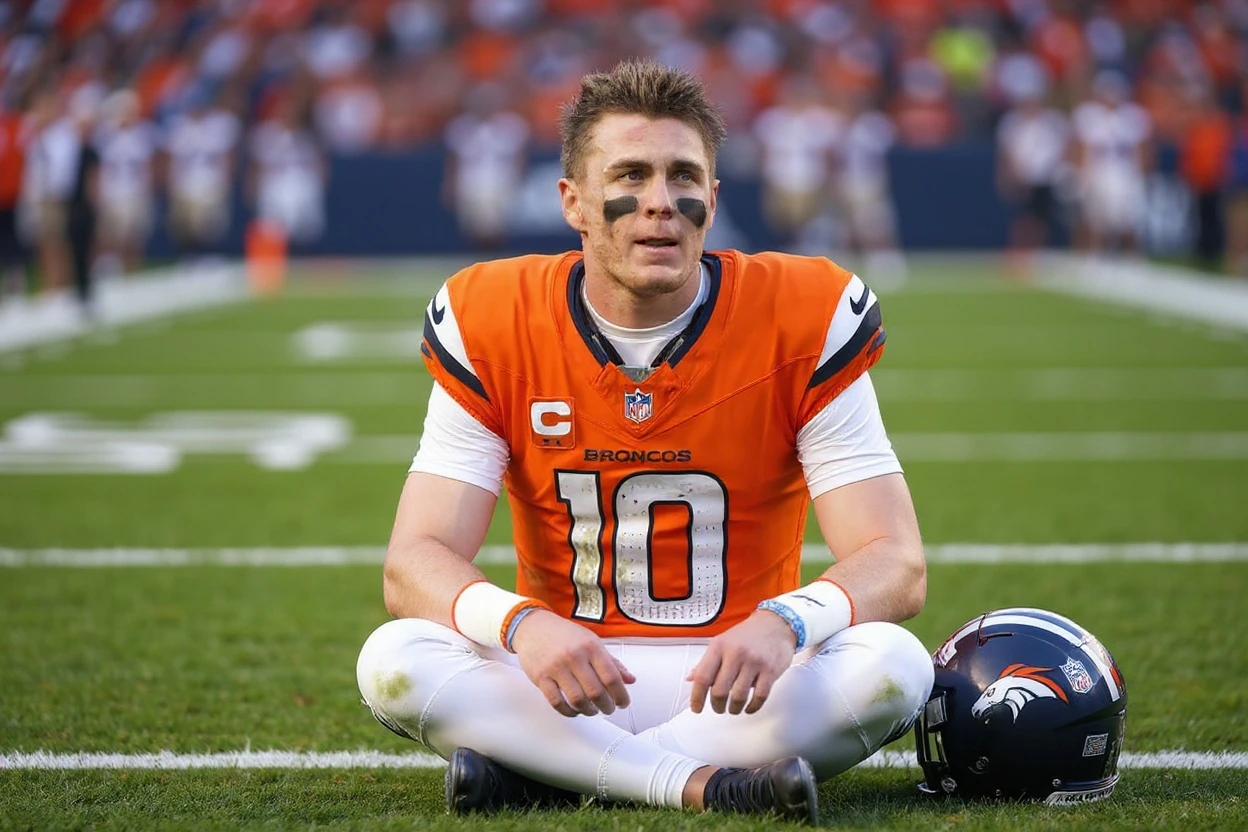
The Perfect Storm: How Stidham’s Revenge Story Could Rewrite the Narrative
The New England Patriots’ defensive identity is built on preparation and film study — and that system has a measurable blind spot when facing backup quarterbacks with limited starting tape.
The most glaring example remains Super Bowl LII, where Nick Foles — starting just his second postseason game — shredded New England’s defense for 373 yards and three touchdowns in a 41-33 loss. Bill Belichick’s scheme relies heavily on identifying and exploiting tendencies developed over a full season of starts. Backups, by definition, offer a thinner data set.
They haven’t faced the same defensive looks repeatedly, haven’t developed the same readable habits, and often play with a freedom that established starters don’t. Against C.J. Stroud in the divisional round, New England’s defense was dominant — four turnovers, four interceptions, a pick-six from Marcus Jones. But Stroud is a second-year starter with a full season of film.
Stidham is a different equation entirely, and the Patriots’ track record against that equation is not clean. Denver’s situation looks dire on the surface, but the matchup dynamics tell a more complicated story.
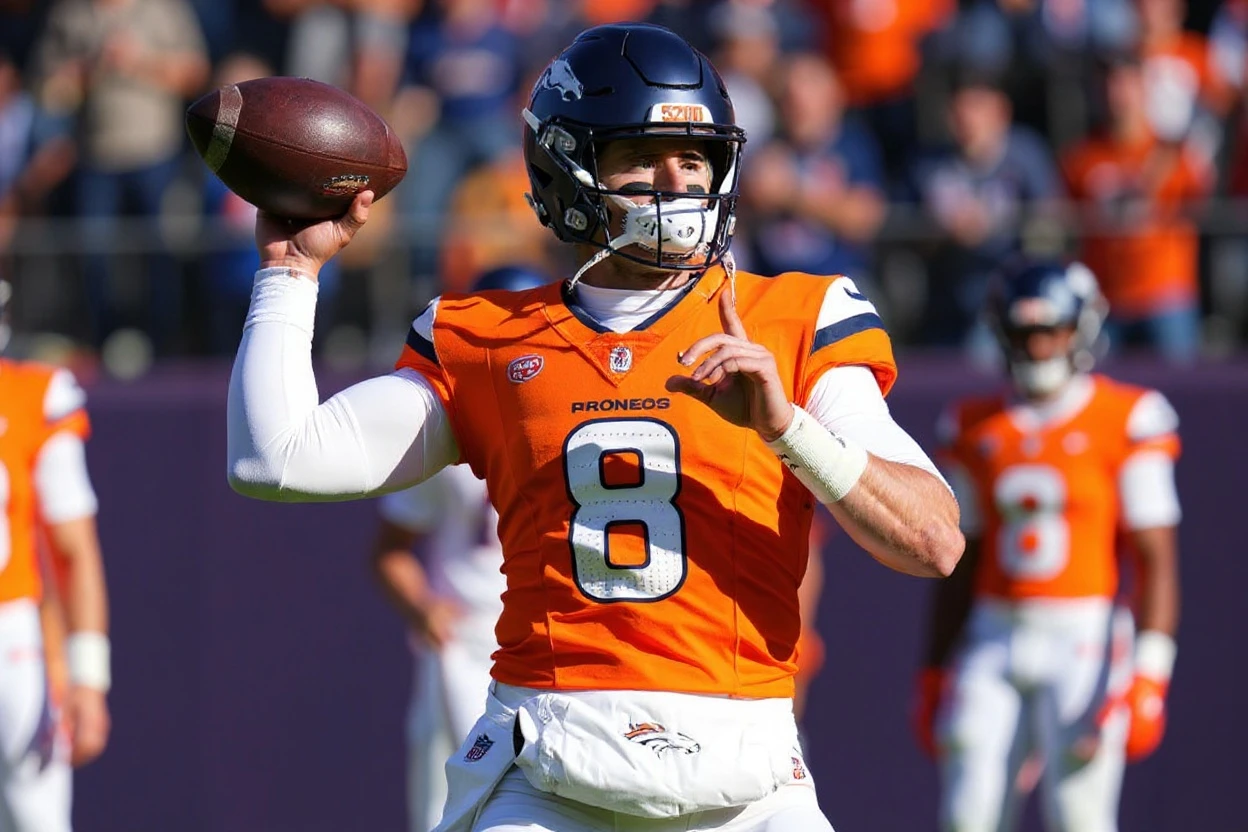

The Power of a Message: How Foles’ Words Resonated Beyond the Field
Jarrett Stidham’s path to this moment adds a layer of narrative weight that goes beyond the typical backup-steps-in storyline. Stidham was a Patriots draft pick — selected in the fourth round out of Auburn in 2019, the No. 133 overall pick per the Patriots’ draft profile — and spent three seasons in New England’s system before eventually landing in Denver.
He knows Bill Belichick’s defensive vocabulary. He’s seen the coverage shells, the disguised blitzes, and the personnel groupings from the inside. That institutional knowledge is a genuine tactical asset, not just a feel-good subplot. No other backup quarterback stepping into this role would arrive with that level of familiarity with the opposing defense.
The personal dimension matters too. Facing your former team in the AFC Championship game, in your first career postseason start, with a city’s Super Bowl hopes resting on your performance — that’s a pressure environment that either breaks a player or defines him.
Stidham now has the Nick Foles blueprint, the home-field advantage at Empower Field at Mile High, and an intimate understanding of the opponent’s system. Whether that convergence of factors is enough to carry Denver to the Super Bowl remains to be seen, but the conditions for an upset are more credible than the headlines suggest.
Nick Foles’ public message to the Broncos landed differently than standard sports commentary — because it came with receipts. When a Super Bowl MVP tells a backup quarterback that the moment is manageable, that carries a different weight than a pundit offering perspective from the press box.
Foles wasn’t offering hollow encouragement. He was drawing a direct line between his own 2017 experience and what Stidham now faces, and the parallel is hard to dismiss. What resonated most in the public reaction wasn’t just the optimism — it was the specificity.
Foles pointed to the Patriots’ documented struggles against backups, referenced his own performance data, and spoke with the confidence of someone who has already won the game Denver is trying to win. In a media environment where most takes default to cautious hedging, that directness stood out.
Broncos fans, already processing the emotional whiplash of losing Nix, found something grounding in Foles’ message: this has happened before, it worked before, and the conditions for it to work again are present. Whether Stidham can deliver on that precedent is the only question left to answer.