Best VOD Services
ESPN+
ESPN+
- Best for fans who want everyday sports depth without paying for a full live-TV bundle
- Stream thousands of live events including college sports, NHL, soccer, golf, tennis, and UFC content.
- Offers the strongest mix of college sports and ESPN-exclusive coverage at a lower price than cable-style services.
DAZN

DAZN
- Best known for boxing, MMA, fight nights, and select international soccer.
- Best for combat sports fans who want year-round access to boxing and fight programming.
- More specialized than the others, with the clearest focus on boxing and fight sports rather than all-around U.S. sports coverage.
Paramout+

Paramout+
- Includes NFL on CBS, UEFA Champions League, soccer, UFC, and other major live events.
- Best value pick for casual fans who want big-name sports at a low monthly price.
- Combines mainstream U.S. sports and international soccer at the lowest price among these options.
Amazon Prime Video

Amazon Prime Video
- Combines live sports and add-on channels in one flexible app
- Offers exclusive U.S. rights to major events like TNF and NBA
- Stands out with a more premium, tech-driven streaming experience
NBA League Pass
NBA League Pass
- Built specifically for NBA fans, with hundreds of out-of-market games live and on demand all season
- Offers deeper NBA viewing tools like full replays, condensed games, highlights, and multiview
- More customizable than most services, since fans can choose League Pass or a team-specific Team Pass
FUBO
FUBO
- Watch NFL, NBA, MLB, NHL, college sports, soccer, golf, NASCAR, and more across major live channels.
- Best cable replacement for sports fans who want to pick and choose live games, local channels, and full sports-network access.
- The only service here that feels like a complete live-TV sports hub, not just a standalone streaming app.
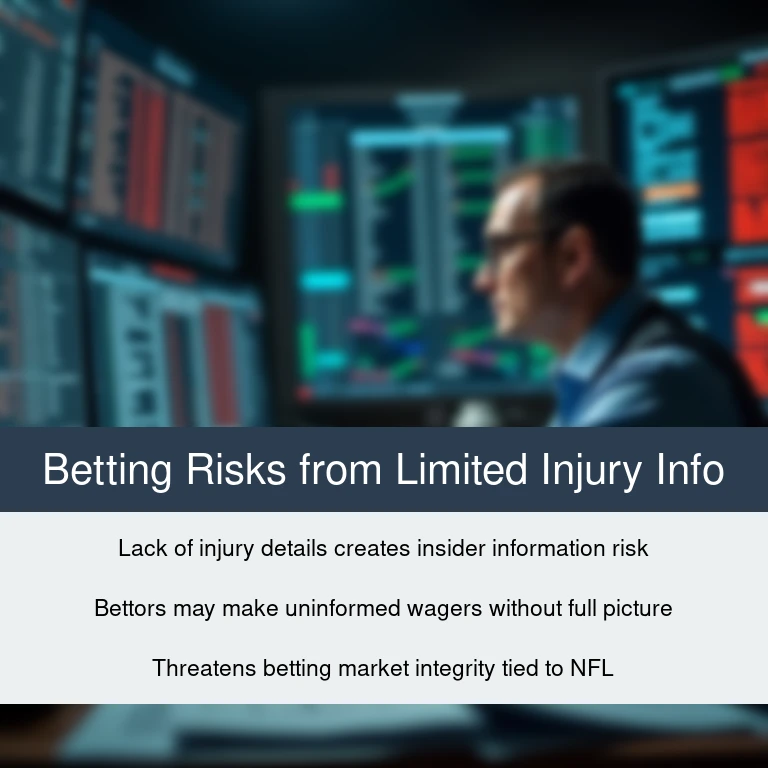
The recent revelation about Aaron Rodgers’ fractured wrist has sparked a heated debate surrounding injury transparency in the NFL. While teams are obligated to report injuries, the level of detail disclosed often leaves fans and bettors in the dark, raising concerns about inside information and the integrity of the game.




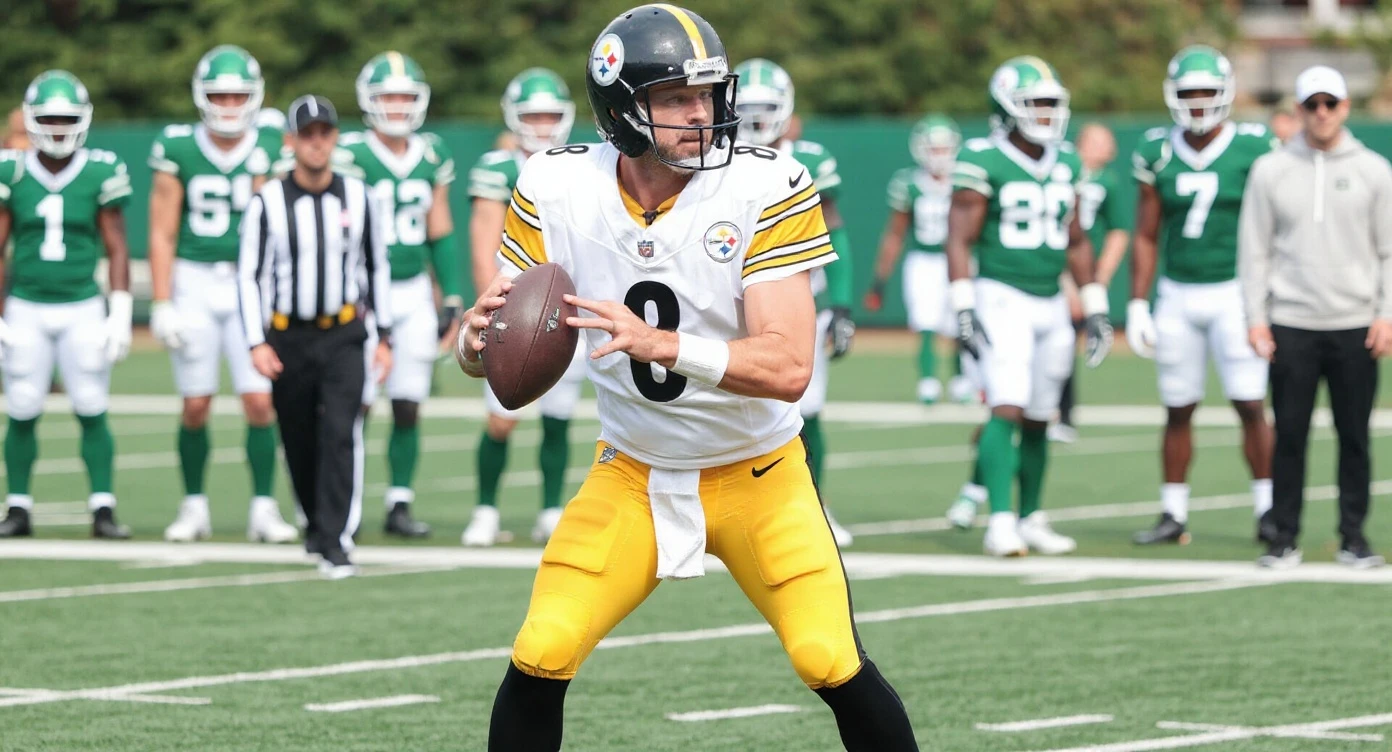
After years navigating the complexities of the Green Bay Packers organization and a turbulent stint with the New York Jets, Aaron Rodgers finally found his destination: the Pittsburgh Steelers. This one-year contract represents far more than a typical free-agent signing—it’s a calculated move by a Hall of Fame-caliber quarterback seeking both redemption and relevance. Rodgers brings an extraordinary resume: four MVP awards, ten Pro Bowl selections, and a career spanning decades at the highest level of professional football. For Pittsburgh, a franchise hungry to elevate its championship trajectory, the addition of such a seasoned veteran felt like the final puzzle piece. Yet beneath the excitement lay an uncomfortable reality that would soon reshape the entire narrative surrounding this signing. The move was supposed to signal a fresh beginning for both player and organization, but instead it became a cautionary tale about competitive desperation and institutional accountability.
Playing Through Pain: The Three Hidden Fractures Nobody Disclosed
Just two weeks into his Steelers tenure, during a game against the Cincinnati Bengals, Aaron Rodgers sustained multiple significant injuries to his non-throwing left wrist. According to reporting from Ian Rapoport of NFL Media, the quarterback endured at least three fractures to this critical appendage. What makes this revelation particularly striking is the timeline: the injury occurred weeks before the public became aware of its full extent. Rodgers demonstrated an almost stubborn insistence on continuing to play during the very game in which the injury occurred. With the Buffalo Bills looming on the schedule, Rodgers declared his readiness to take the field once again—fractures and all. This sequence of events exposes a fundamental tension between individual determination and organizational responsibility, raising critical questions about whether teams should permit such self-sacrifice, much like when quarterbacks throughout the league push through serious injuries without proper recovery time.
Best VOD Services
ESPN+
ESPN+
- Best for fans who want everyday sports depth without paying for a full live-TV bundle
- Stream thousands of live events including college sports, NHL, soccer, golf, tennis, and UFC content.
- Offers the strongest mix of college sports and ESPN-exclusive coverage at a lower price than cable-style services.
DAZN
DAZN
- Best known for boxing, MMA, fight nights, and select international soccer.
- Best for combat sports fans who want year-round access to boxing and fight programming.
- More specialized than the others, with the clearest focus on boxing and fight sports rather than all-around U.S. sports coverage.
Paramout+
Paramout+
- Includes NFL on CBS, UEFA Champions League, soccer, UFC, and other major live events.
- Best value pick for casual fans who want big-name sports at a low monthly price.
- Combines mainstream U.S. sports and international soccer at the lowest price among these options.
Amazon Prime Video
Amazon Prime Video
- Combines live sports and add-on channels in one flexible app
- Offers exclusive U.S. rights to major events like TNF and NBA
- Stands out with a more premium, tech-driven streaming experience
NBA League Pass
NBA League Pass
- Built specifically for NBA fans, with hundreds of out-of-market games live and on demand all season
- Offers deeper NBA viewing tools like full replays, condensed games, highlights, and multiview
- More customizable than most services, since fans can choose League Pass or a team-specific Team Pass
FUBO
FUBO
- Watch NFL, NBA, MLB, NHL, college sports, soccer, golf, NASCAR, and more across major live channels.
- Best cable replacement for sports fans who want to pick and choose live games, local channels, and full sports-network access.
- The only service here that feels like a complete live-TV sports hub, not just a standalone streaming app.

Why the NFL’s Injury Secrecy Is Unraveling
Can Rodgers Win With a Broken Wrist—And Should He?
Best VOD Services
ESPN+
ESPN+
- Best for fans who want everyday sports depth without paying for a full live-TV bundle
- Stream thousands of live events including college sports, NHL, soccer, golf, tennis, and UFC content.
- Offers the strongest mix of college sports and ESPN-exclusive coverage at a lower price than cable-style services.
DAZN
DAZN
- Best known for boxing, MMA, fight nights, and select international soccer.
- Best for combat sports fans who want year-round access to boxing and fight programming.
- More specialized than the others, with the clearest focus on boxing and fight sports rather than all-around U.S. sports coverage.
Paramout+
Paramout+
- Includes NFL on CBS, UEFA Champions League, soccer, UFC, and other major live events.
- Best value pick for casual fans who want big-name sports at a low monthly price.
- Combines mainstream U.S. sports and international soccer at the lowest price among these options.
Amazon Prime Video
Amazon Prime Video
- Combines live sports and add-on channels in one flexible app
- Offers exclusive U.S. rights to major events like TNF and NBA
- Stands out with a more premium, tech-driven streaming experience
NBA League Pass
NBA League Pass
- Built specifically for NBA fans, with hundreds of out-of-market games live and on demand all season
- Offers deeper NBA viewing tools like full replays, condensed games, highlights, and multiview
- More customizable than most services, since fans can choose League Pass or a team-specific Team Pass
FUBO
FUBO
- Watch NFL, NBA, MLB, NHL, college sports, soccer, golf, NASCAR, and more across major live channels.
- Best cable replacement for sports fans who want to pick and choose live games, local channels, and full sports-network access.
- The only service here that feels like a complete live-TV sports hub, not just a standalone streaming app.