
In one of baseball’s most dramatic power shifts in recent memory, the Houston Astros have seized the No. 1 spot in MLB Power Rankings, displacing the heavily favored Los Angeles Dodgers and Detroit Tigers. Few saw this coming.
What makes the ascension even more remarkable is how they pulled it off—the Astros accomplished this feat despite significant personnel losses that would’ve crippled most organizations. The trade of star outfielder Kyle Tucker and the prolonged absence of slugger Yordan Alvarez seemed destined to derail championship aspirations.
Yet somehow, against conventional wisdom, they’ve thrived. Their record stands at 55-35 with a commanding +71 run differential, but the real eye-opener comes from their performance since late May: 29-10 with a +50 run differential. This concentrated excellence speaks to a team operating in peak form precisely when it matters most.
Most telling was their decisive sweep of the previously dominant Dodgers in Los Angeles, signaling a genuine shift in the competitive landscape.
The Astros’ trajectory demonstrates how organizational depth and adaptive strategies can overcome formidable obstacles, positioning Houston as the season’s defining storyline.
Pirates Surge While Giants and Red Sox Face Freefall: What’s Really Going Wrong?
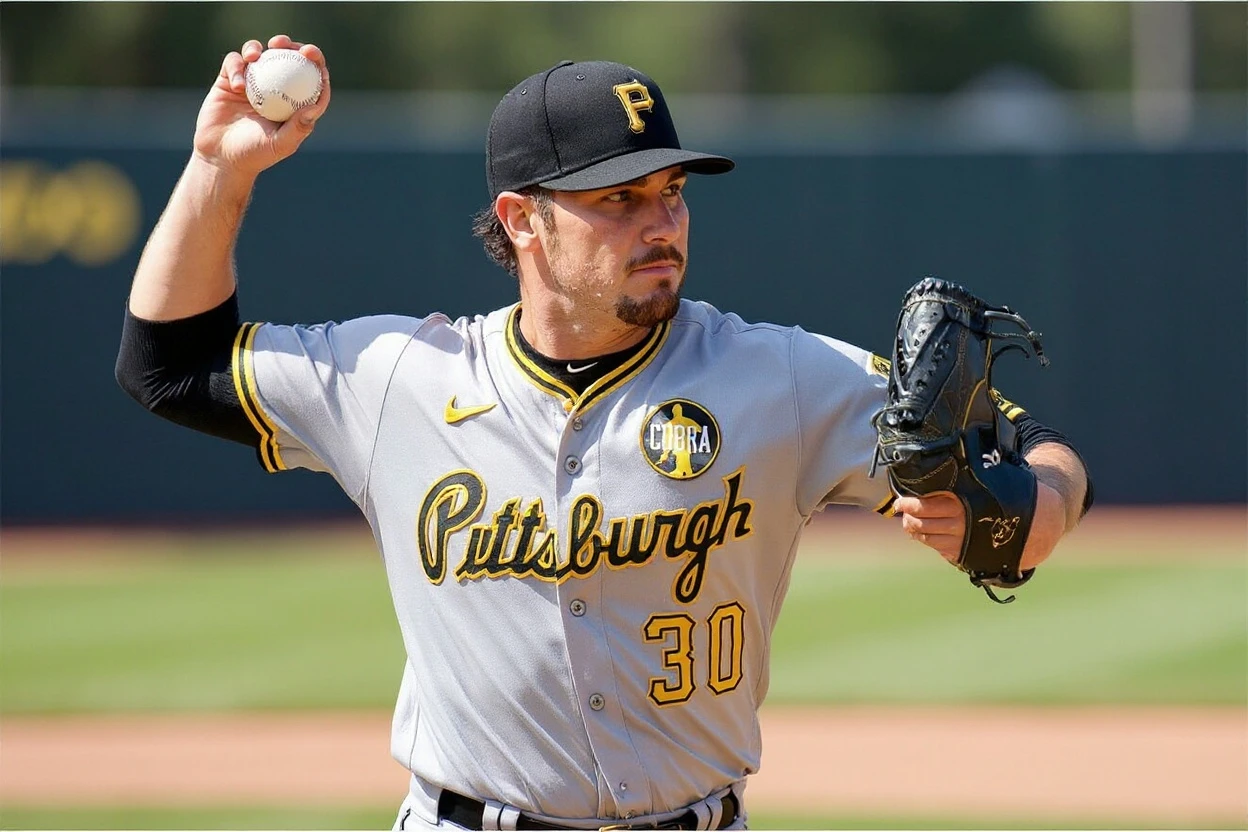
While the Astros ascend, the rest of baseball finds itself in chaotic transition. The Pittsburgh Pirates have emerged as the season’s most intriguing surprise, vaulting into sixth place despite years of rebuilding.
This resurgence is particularly significant given the Pirates’ long drought since their last World Series championship in 1979—47 years marked by only eleven winning seasons and six postseason appearances. Their transformation is anchored by a disciplined pitching staff with a 3.33 team ERA that competes with elite rotations.
Leading the charge is 22-year-old ace Paul Skenes, whose dominant starts have been masterclasses in execution. In his most recent outing, Skenes delivered a complete game with just one run allowed on three hits and nine strikeouts. Yet paradoxically, Skenes carries a 3-5 record despite allowing only 17 earned runs in 10 starts—the Pirates lost seven of those games due to insufficient run support. This frustrating reality highlights offensive shortcomings that undermine individual excellence.
Meanwhile, the Boston Red Sox, an American League East powerhouse with nine World Series championships, have stumbled through a brutal start at 2-7, marred by defensive lapses and mental errors. They squandered a 4-0 lead against the Padres in an 8-6 loss, epitomizing the inconsistency that prompted veteran accountability discussions.
The Washington Nationals hit rock bottom with the league’s worst starting pitcher ERA at 6.69, suggesting structural problems far deeper than mere luck, while the San Francisco Giants similarly struggle alongside preseason contenders unraveling far sooner than anticipated.
The Royalty Refuses to Fade: Dodgers and Tigers Still Have a Say
Despite surrendering the top ranking to Houston, the Los Angeles Dodgers remain formidable contenders whose pedigree and resources ensure they can’t be counted out. Their foundation remains intact, anchored by organizational excellence and financial firepower that allows them to weather rough patches.
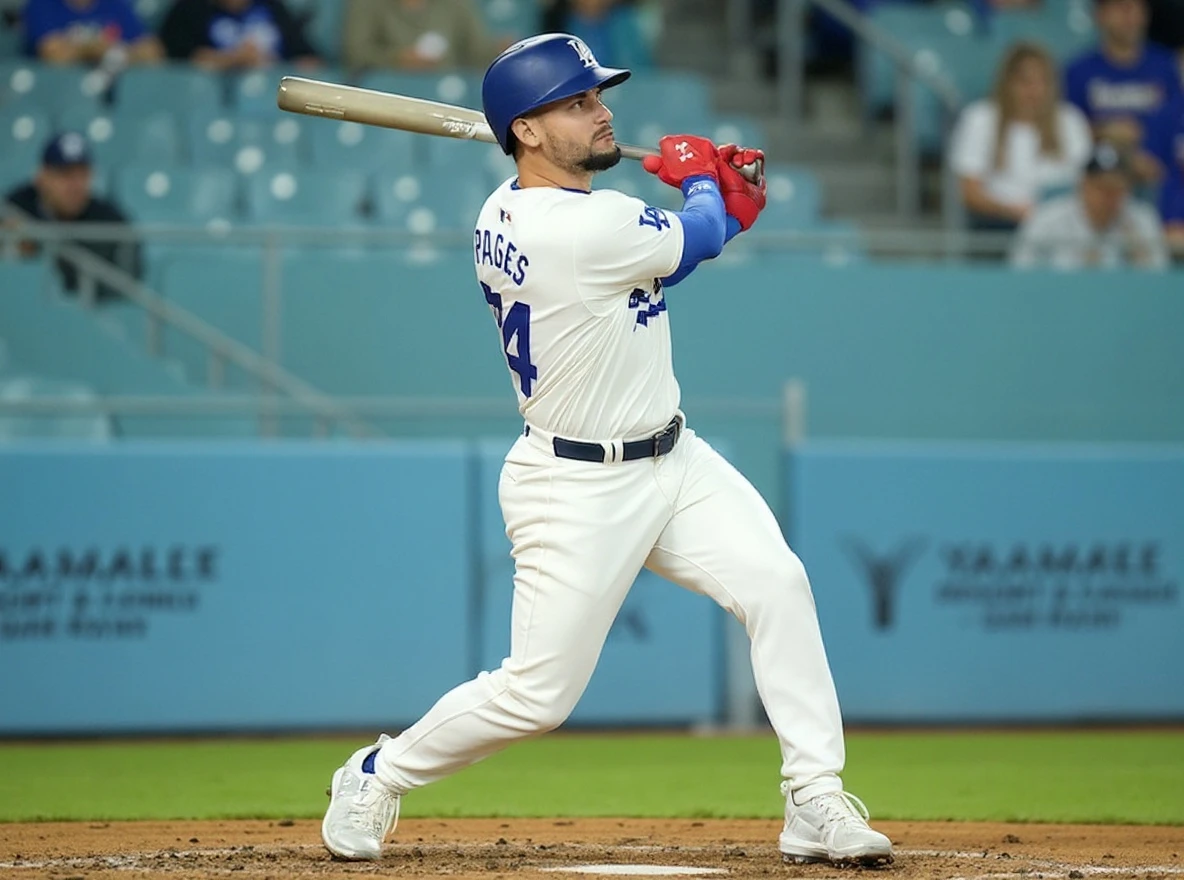
Encouraging for Los Angeles is the breakout performance of Andy Pages, whose emergence as a centerfield force provides substantial hope that unexpected talent can compensate for occasional lineup shuffles. Pages has already demonstrated his impact potential through early-season brilliance.
The Detroit Tigers similarly refuse to disappear from contention, maintaining their presence among baseball’s elite. Together, these teams illustrate a crucial truth about championship baseball: preseason favorites don’t relinquish dominance without prolonged resistance.
The Dodgers and Tigers possess the infrastructure, depth, and organizational culture to make late-season pushes that could redefine the postseason landscape.
Rankings represent snapshots in time rather than prophecies; a hot streak, injury recovery, or key trade deadline acquisition could restore either organization to championship-favorite status within weeks. The narrative of 2026 remains far from written.
The Yankees’ Pitching Perfection and the Marlins’ Miracle: Week 1 Tells a Story
Beyond the Astros’ dominance and the Pirates’ surge, early 2026 has delivered additional plot twists revealing depth to this year’s competitive landscape.
The New York Yankees opened with a revelation: their pitching staff allowed just one run per game during opening week, establishing elite dominance from day one. This pitching excellence from a Yankees organization historically known for offensive fireworks suggests fundamental changes in player development or strategic direction with implications far beyond this single week.
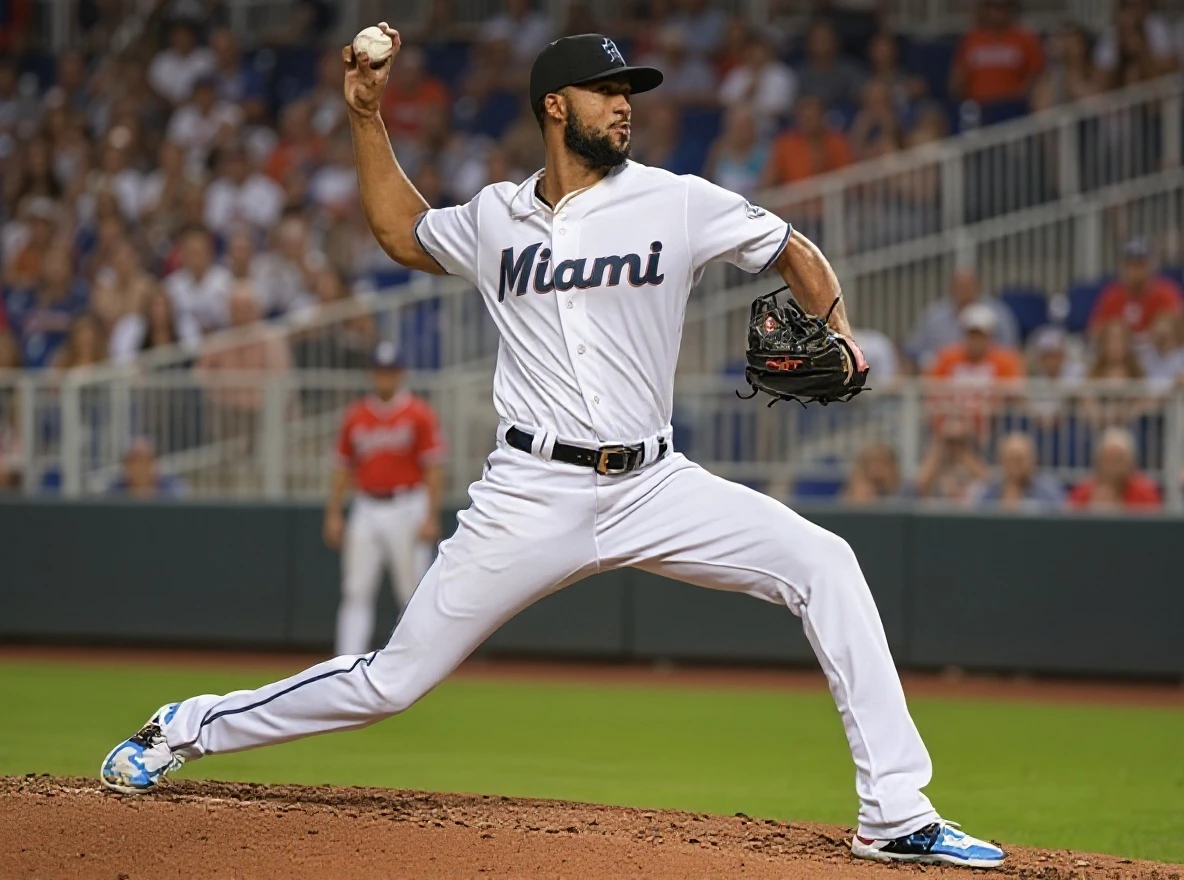
Equally shocking is the Miami Marlins’ surprising 5-1 start, contradicting years of expectations about a franchise supposedly in long-term rebuilding mode. Led by stellar performances from ace Sandy Alcantara and bolstered by bullpen brilliance, the Marlins have demonstrated that early-season momentum can be generated by any team willing to execute at elite levels.
These early performances reveal the season’s narrative extends far beyond the Astros-Dodgers-Tigers triumvirate that dominated preseason conversation, exposing a multilayered competition where excellence can emerge from unexpected quarters.
When Preseason Expectations Shatter: The New Reality of Modern Baseball
Early 2026 season results have obliterated preseason predictions with thoroughness that should humiliate most prognosticators.
The underperformance of established franchises like the Red Sox—struggling through consecutive one-win weeks—directly contradicts expectations published mere weeks earlier, while unexpected challengers like the Pirates and Marlins have reshaped playoff implications.
The Texas Rangers, another organization projected for contention, similarly faltered with a 1-5 opening week, adding to the broader narrative of preseason favorites stumbling simultaneously.
What’s driving this unprecedented unpredictability? The introduction of the Automated Ball-Strike System has fundamentally altered baseball’s dynamics by removing human judgment from the strike zone. This change provides quick, fair resolutions and redirects all focus toward pure talent and execution.
There are no excuses now; every team operates under identical conditions with identical rules enforced with mechanical precision. This transparency has amplified competition’s raw nature, exposing which organizations actually possess the depth, talent, and culture to execute when the rulebook is enforced identically for everyone.
The result is a season genuinely unpredictable, where preseason rankings matter less than weekly performance and the unexpected has become not just possible but probable.