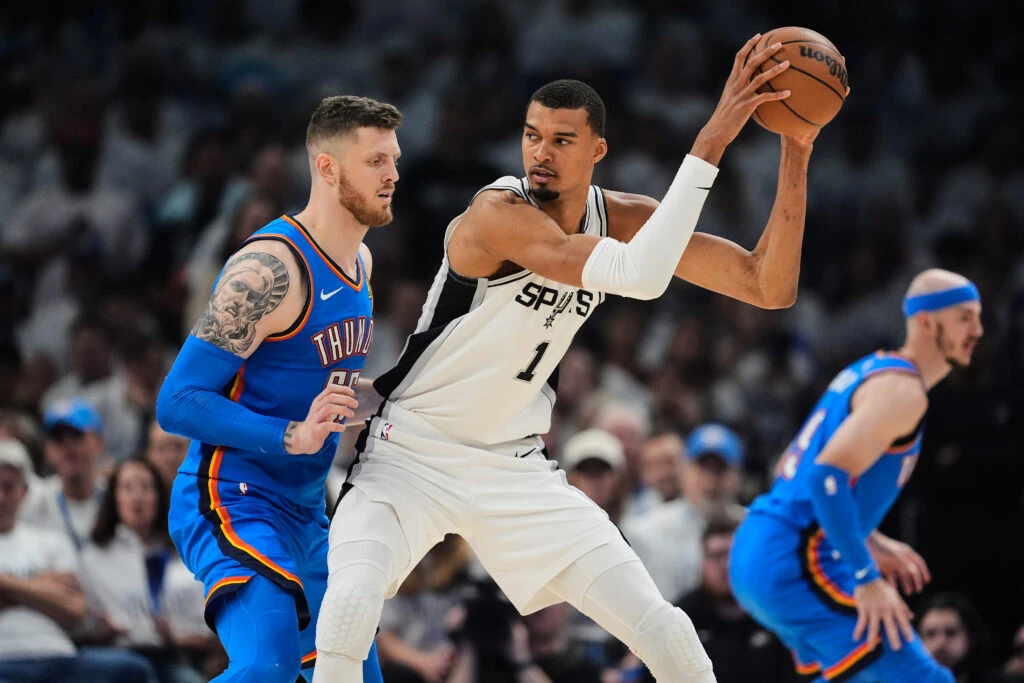
As the 2026-27 NBA season approaches with its scheduled October 20, 2026 tip-off, championship hopefuls across the league are preparing for what promises to be another unpredictable campaign.
The league has witnessed seven different champions crowned in seven consecutive years from 2019 to 2025, establishing what many now call the parity era, as documented in NBA.com’s list of NBA champions.
While fans and analysts focus on roster strengths and superstar acquisitions, several under-the-radar concerns lurk beneath the surface for teams with championship aspirations.
The One Question Every Championship Contender Refuses to Answer
Every team entering the 2026-27 season with title aspirations faces a fundamental challenge that front offices would rather avoid discussing publicly.
The new collective bargaining agreement ratified in 2023 has fundamentally altered the landscape of team building, introducing strict luxury tax penalties above certain apron thresholds — detailed in the NBA’s official 2023-24 salary cap release — that make assembling multiple superstars significantly more difficult.
This financial reality creates a delicate balancing act for organizations that have invested heavily in star power. Teams must now navigate the complexities of maintaining competitive rosters while avoiding punitive financial restrictions that could hamstring their flexibility in future seasons. The question of long-term sustainability versus short-term championship windows has become more pressing than ever before.
Front offices are discovering that the strategies that worked during previous eras no longer apply in this new financial environment.
The ability to simply outspend competitors has been curtailed, forcing general managers to make difficult decisions about roster construction and player retention that could determine their championship viability for years to come.
Why the Favorites Might Not Even Make the Finals (And the Warning Signs Everyone’s Ignoring)
The extended parity era has demonstrated that regular season dominance no longer guarantees postseason success. Teams that appear unstoppable during the 82-game grind have repeatedly stumbled when the intensity escalates in April and beyond.
The play-in tournament format adds another layer of unpredictability, creating scenarios where higher seeds can face elimination pressure earlier than anticipated.
Coaching changes have swept through the league heading into this season, with significant turnover affecting several potential contenders.
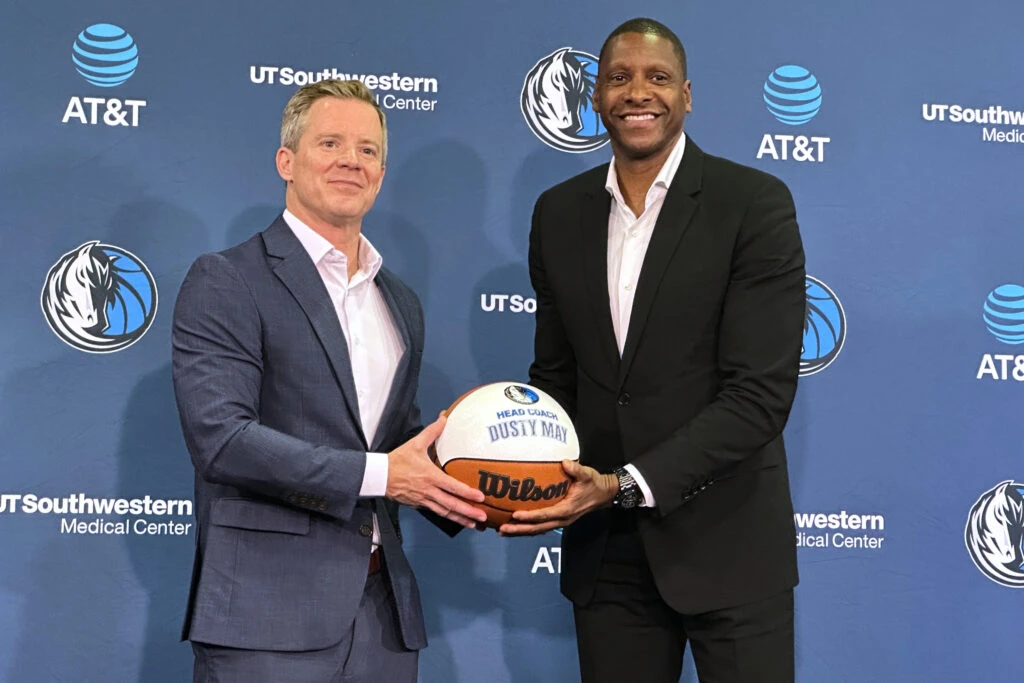
The Milwaukee Bucks hired Taylor Jenkins after Doc Rivers resigned, while the Dallas Mavericks brought in Dusty May following their mutual parting with Jason Kidd.
These transitions create adjustment periods that can disrupt team chemistry and tactical continuity during crucial stretches, particularly for organizations still working to establish their identity.
The fourth edition of the NBA Cup tournament, scheduled to run from October 30 to December 11, 2026, adds another variable to the equation.
This mid-season competition can either build momentum or create fatigue and injury concerns that ripple through the remainder of the campaign. Teams must manage their resources carefully across multiple competitions while maintaining focus on the ultimate prize.
The Hidden Weaknesses That Could Derail Each Title Hopeful
Depth concerns plague several championship contenders who have invested heavily in top-tier talent at the expense of bench quality.
The grueling nature of an 82-game season, combined with the extended playoff run that stretches into June, exposes teams that lack reliable secondary options when injuries inevitably occur. The new financial restrictions make addressing these depth issues mid-season increasingly challenging.
Defensive versatility has become paramount in an era where offensive schemes grow more sophisticated by the season.
Teams that cannot switch across multiple positions or protect the rim consistently find themselves exploited in playoff series where opponents have time to study and attack specific weaknesses.
Several title hopefuls possess elite offensive firepower but questionable defensive foundations that could prove fatal in high-stakes matchups.
Chemistry and continuity issues represent another overlooked concern for teams that have undergone significant roster turnover.
Building the trust and understanding necessary for championship-level execution takes time, and teams rushing to compete immediately may find themselves outperformed by more cohesive units when the stakes are highest. The integration of new coaching staffs compounds these challenges for several organizations.
What Our Insiders Discovered About the 2026-27 Season That Changes Everything
League insiders have identified several emerging factors that could reshape the championship race in unexpected ways.
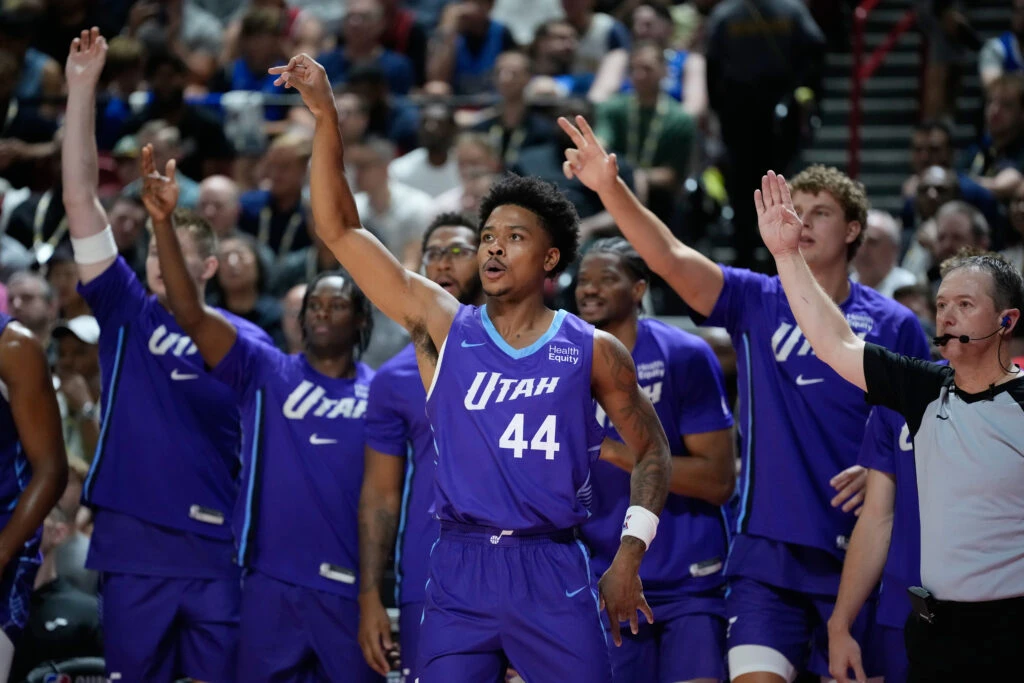
The NBA’s intensified crackdown on tanking, following fines levied against the Utah Jazz and Indiana Pacers in 2026, has altered competitive dynamics throughout the league.
Commissioner Silver’s criticism of deliberate losing has prompted numerous rule changes designed to maintain competitive integrity across all 82 games, fundamentally changing how struggling franchises approach roster management.
The development trajectories of young stars on ascending teams present perhaps the most intriguing variable for the upcoming season.
The leap from playoff contender to legitimate title threat requires more than just talent; it demands experience, composure, and the ability to execute under immense pressure.
The 2027 NBA All-Star Game — scheduled by the NBA for February 21 at the Mortgage Matchup Center in Phoenix, Arizona — serves as a midpoint checkpoint where championship narratives will be reassessed.
Teams that have exceeded or fallen short of expectations by that juncture will face critical decisions about their approach to the season’s final stretch and potential roster adjustments.
The Biggest Threat to Your Team’s Championship Dreams (It’s Not What You Think)
While fans obsess over matchup advantages and statistical projections, the most significant threat to championship aspirations may be organizational complacency and failure to adapt.
The parity era has proven that past success provides no guarantee of future results, and teams that rest on their laurels quickly find themselves surpassed by hungrier, more innovative competitors.
Health management and load management strategies will play crucial roles in determining which teams arrive at the playoffs with their rosters intact and energized.
The compressed timeline between the end of the NBA Cup in mid-December and the playoff push creates periods of intense schedule density that can break down even the most conditioned athletes.
Organizations that prioritize long-term health over short-term gains may find themselves rewarded in June.
Ultimately, the mental fortitude to navigate adversity may separate champions from pretenders in the 2026-27 season. Every contender will face moments of doubt, injury setbacks, and unexpected challenges throughout the long campaign.
The teams that maintain belief, adjust their approaches when necessary, and execute with precision when the pressure peaks will position themselves to cut down the nets when the NBA Finals conclude next summer.