
Best VOD Services
ESPN+
ESPN+
- Best for fans who want everyday sports depth without paying for a full live-TV bundle
- Stream thousands of live events including college sports, NHL, soccer, golf, tennis, and UFC content.
- Offers the strongest mix of college sports and ESPN-exclusive coverage at a lower price than cable-style services.
DAZN

DAZN
- Best known for boxing, MMA, fight nights, and select international soccer.
- Best for combat sports fans who want year-round access to boxing and fight programming.
- More specialized than the others, with the clearest focus on boxing and fight sports rather than all-around U.S. sports coverage.
Paramout+

Paramout+
- Includes NFL on CBS, UEFA Champions League, soccer, UFC, and other major live events.
- Best value pick for casual fans who want big-name sports at a low monthly price.
- Combines mainstream U.S. sports and international soccer at the lowest price among these options.
Amazon Prime Video

Amazon Prime Video
- Combines live sports and add-on channels in one flexible app
- Offers exclusive U.S. rights to major events like TNF and NBA
- Stands out with a more premium, tech-driven streaming experience
NBA League Pass
NBA League Pass
- Built specifically for NBA fans, with hundreds of out-of-market games live and on demand all season
- Offers deeper NBA viewing tools like full replays, condensed games, highlights, and multiview
- More customizable than most services, since fans can choose League Pass or a team-specific Team Pass
FUBO
FUBO
- Watch NFL, NBA, MLB, NHL, college sports, soccer, golf, NASCAR, and more across major live channels.
- Best cable replacement for sports fans who want to pick and choose live games, local channels, and full sports-network access.
- The only service here that feels like a complete live-TV sports hub, not just a standalone streaming app.
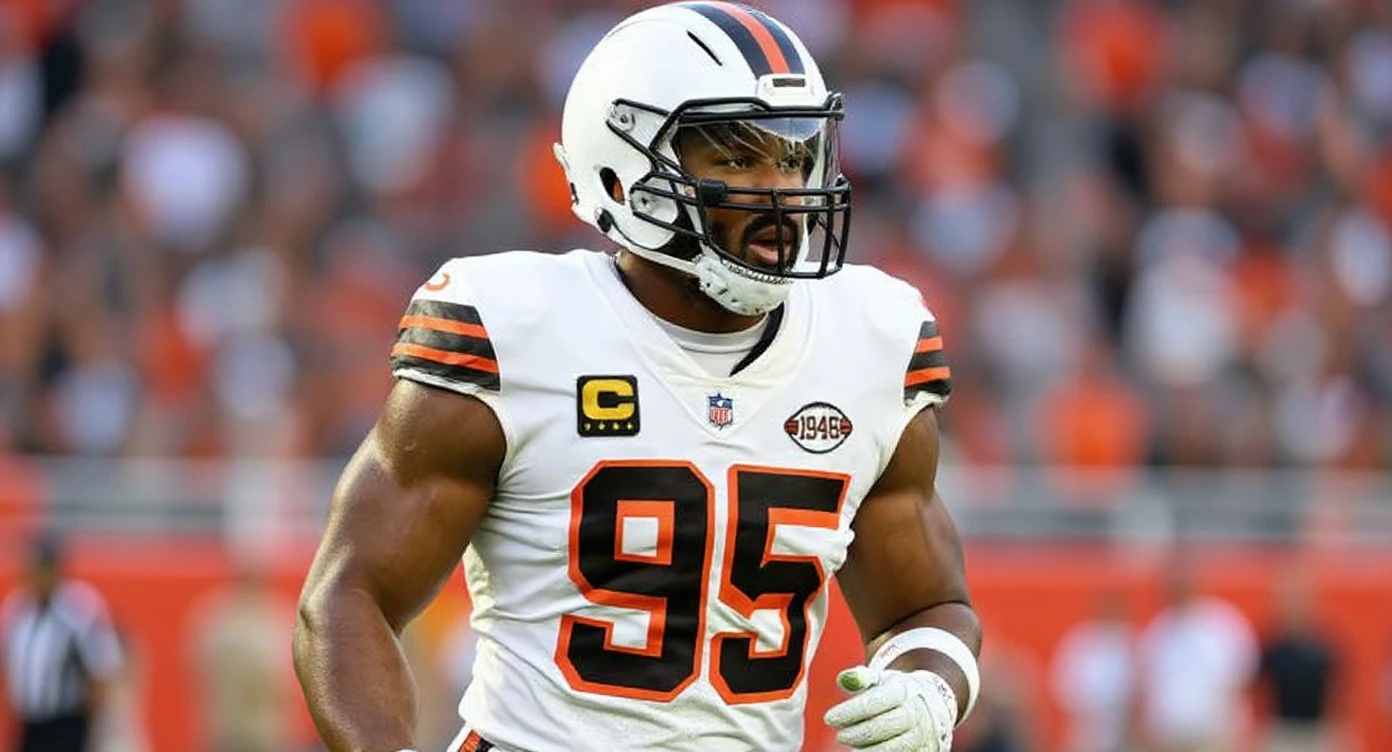
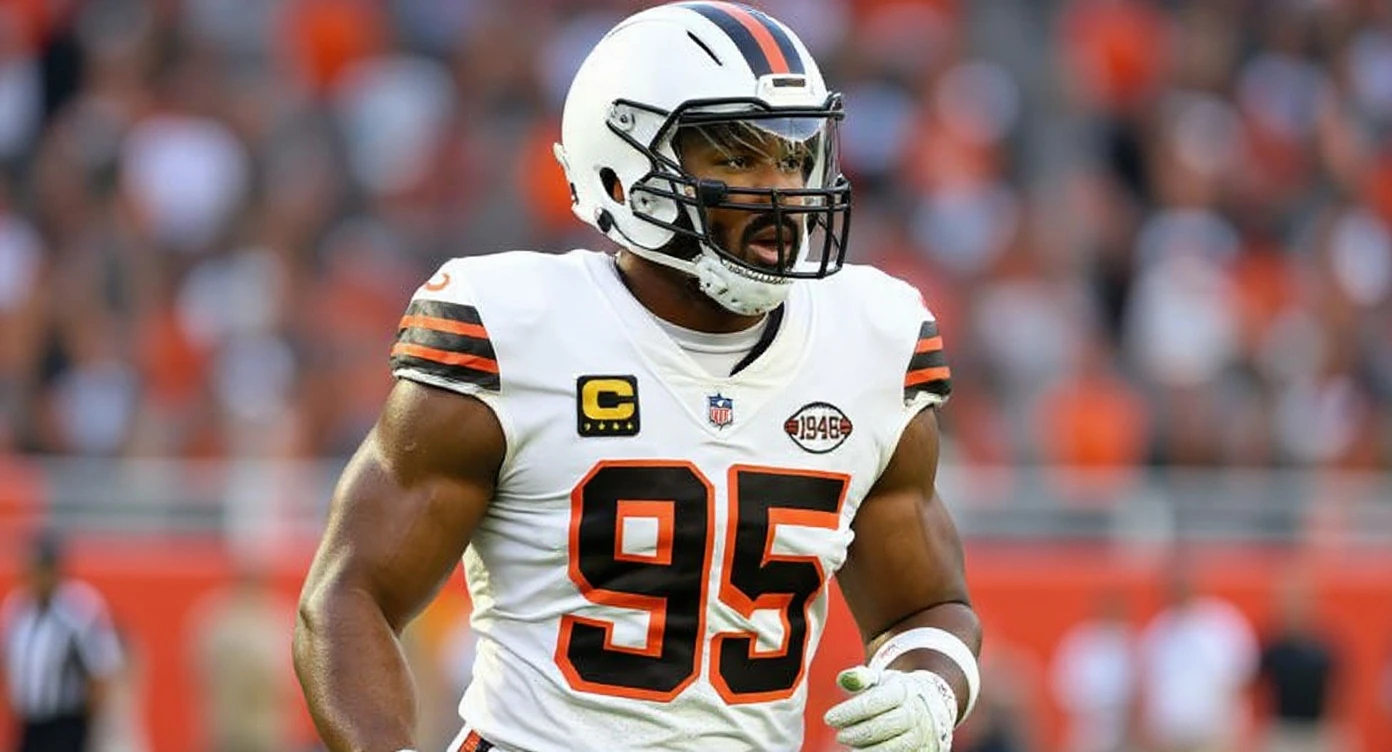
The heated exchange between Myles Garrett and Jauan Jennings after the Browns’ loss to the 49ers has sparked controversy, with the defensive end accusing the wide receiver of making ‘demeaning and disparaging’ remarks.
Want to know what people are really saying? Don’t miss the buzz from Reddit at the end!
The Heated Exchange: Myles Garrett Calls Out Jauan Jennings’ ‘Demeaning’ Comments
In the aftermath of the 49ers’ convincing 26-8 victory over the Browns on November 30, 2025, an unexpected controversy emerged—one that had little to do with the final score and everything to do with conduct during play. Myles Garrett, Cleveland’s all-time career sacks leader and 2023 Defensive Player of the Year, and Shelby Harris publicly condemned 49ers wide receiver Jauan Jennings for engaging in what they characterized as ‘demeaning and disparaging’ comments. Garrett was careful to clarify: Jennings had crossed from casual competitive banter into something more pointed and personal. Harris articulated the deeper concern—Jennings had referenced players’ families and spouses, violating an unspoken code among professionals. While trash talk remains a cornerstone of NFL culture, targeting family members and personal relationships transcends traditional boundaries and resonates differently throughout the league’s fraternity.
The Pattern: Is Jauan Jennings the NFL’s Most Annoying Player?
Why the 49ers’ Offense Tolerates What Teammates Won’t
The Credibility Question: Why People Are Taking These Accusations Seriously
Best VOD Services
ESPN+
ESPN+
- Best for fans who want everyday sports depth without paying for a full live-TV bundle
- Stream thousands of live events including college sports, NHL, soccer, golf, tennis, and UFC content.
- Offers the strongest mix of college sports and ESPN-exclusive coverage at a lower price than cable-style services.
DAZN
DAZN
- Best known for boxing, MMA, fight nights, and select international soccer.
- Best for combat sports fans who want year-round access to boxing and fight programming.
- More specialized than the others, with the clearest focus on boxing and fight sports rather than all-around U.S. sports coverage.
Paramout+
Paramout+
- Includes NFL on CBS, UEFA Champions League, soccer, UFC, and other major live events.
- Best value pick for casual fans who want big-name sports at a low monthly price.
- Combines mainstream U.S. sports and international soccer at the lowest price among these options.
Amazon Prime Video
Amazon Prime Video
- Combines live sports and add-on channels in one flexible app
- Offers exclusive U.S. rights to major events like TNF and NBA
- Stands out with a more premium, tech-driven streaming experience
NBA League Pass
NBA League Pass
- Built specifically for NBA fans, with hundreds of out-of-market games live and on demand all season
- Offers deeper NBA viewing tools like full replays, condensed games, highlights, and multiview
- More customizable than most services, since fans can choose League Pass or a team-specific Team Pass
FUBO
FUBO
- Watch NFL, NBA, MLB, NHL, college sports, soccer, golf, NASCAR, and more across major live channels.
- Best cable replacement for sports fans who want to pick and choose live games, local channels, and full sports-network access.
- The only service here that feels like a complete live-TV sports hub, not just a standalone streaming app.

Best VOD Services
ESPN+
ESPN+
DAZN
DAZN
Paramout+
Paramout+
Amazon Prime Video
Amazon Prime Video
NBA League Pass
NBA League Pass
FUBO
FUBO
Interestingly, one Redditor made a tongue-in-cheek reference to a historical incident, suggesting that Jennings’ comments may have been similar to the infamous altercation between Shannon Sharpe and Derrick Thomas. While this is likely just a humorous remark, it does highlight the heated nature of the exchange and the level of controversy it has generated among NFL fans.
Despite the controversy, it’s worth noting that Jennings has been a productive player for the 49ers, catching 41 passes for 458 yards and 5 touchdowns so far this season. His recent performance, coupled with the team’s decision to sign him to a two-year, $15.4 million extension, suggests that the organization values his contributions, even as his on-field antics continue to raise concerns. Ultimately, the nature of Jennings’ comments remains unclear, but the strong reactions from Garrett and Harris indicate that they crossed a line and struck a nerve with the Browns players.