The opening round of the 2026 NBA playoffs delivered a series of captivating narratives, from improbable comebacks to breakout performances by unheralded players.
The opening round of the 2026 NBA playoffs delivered some of the most compelling first-round basketball in recent memory — improbable comebacks, role players seizing career-defining moments, and defensive masterclasses that reshaped series overnight.
Unlikely Heroes Steal the Spotlight
Here’s a breakdown of the biggest storylines that defined Round 1 and what they mean heading into the second round.
Star power matters in the playoffs, but the first round of the 2026 postseason belonged to the role players. Injuries to key contributors forced coaching staffs to dig deeper into their rotations, and several unheralded names answered the call in ways that will be difficult to forget. The depth of multiple rosters was tested early, and the teams that survived were the ones whose bench pieces delivered when it mattered most.
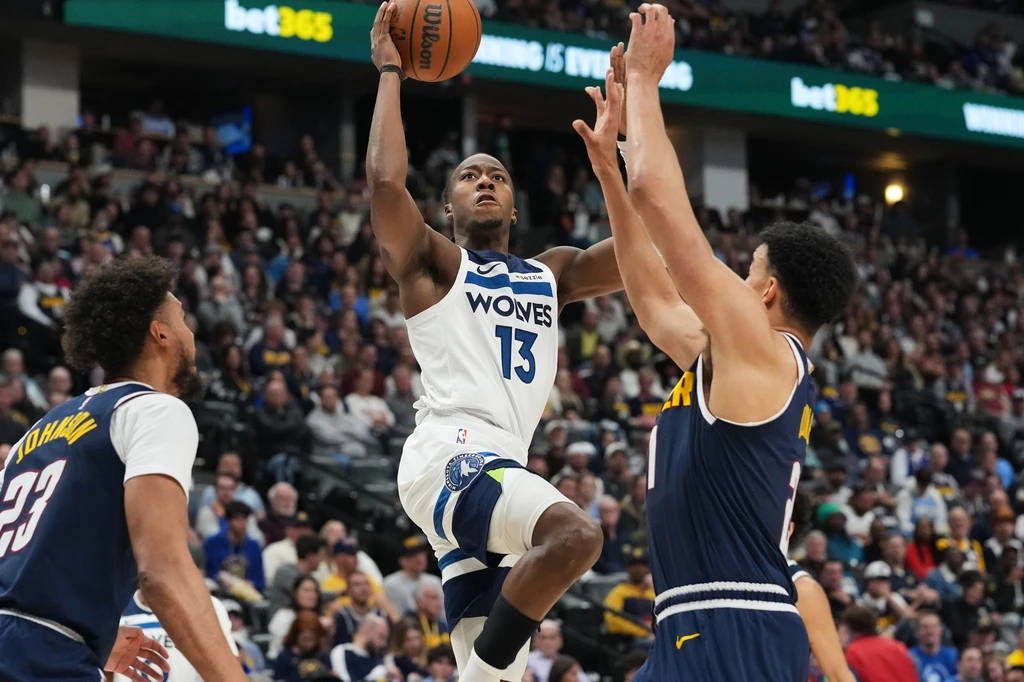
Ayo Dosunmu’s 43-point explosion off the bench in Minnesota’s Game 4 win stands as one of the signature individual performances of the entire first round. That output from a reserve — in a playoff elimination context — is the kind of performance that redefines a player’s trajectory. Dosunmu attacked mismatches relentlessly and shot efficiently from both mid-range and the perimeter, giving the Timberwolves a lift their starting unit couldn’t manufacture on its own.
Defying the Odds: Comebacks and Upsets
Terrence Shannon Jr. also emerged as a genuine postseason weapon despite averaging just 7.9 points per game during the regular season. Shannon attempted 88 three-pointers in the regular season, but his playoff usage expanded significantly as defenses focused elsewhere. Luke Kennard, meanwhile, was a spacing nightmare for opposing defenses — he converted 127 of 269 three-point attempts during the regular season, a 47.2% clip that translated directly into playoff value as teams were forced to chase him off the arc and leave driving lanes open.
Several teams entered the first round as heavy favorites, only to find themselves staring down a 3-1 series deficit — a hole that, historically, fewer than 13% of NBA teams have escaped. The 2026 playoffs pushed that narrative to its limits.
Historically, a 3-1 deficit in the NBA playoffs is a near-death sentence. Teams that have overcome it — the 2016 Cleveland Cavaliers against Golden State, as NBA.com chronicled, being the most famous example — are remembered for decades. In 2026, multiple first-round series produced that same level of drama, with teams refusing to fold when the math was stacked against them.
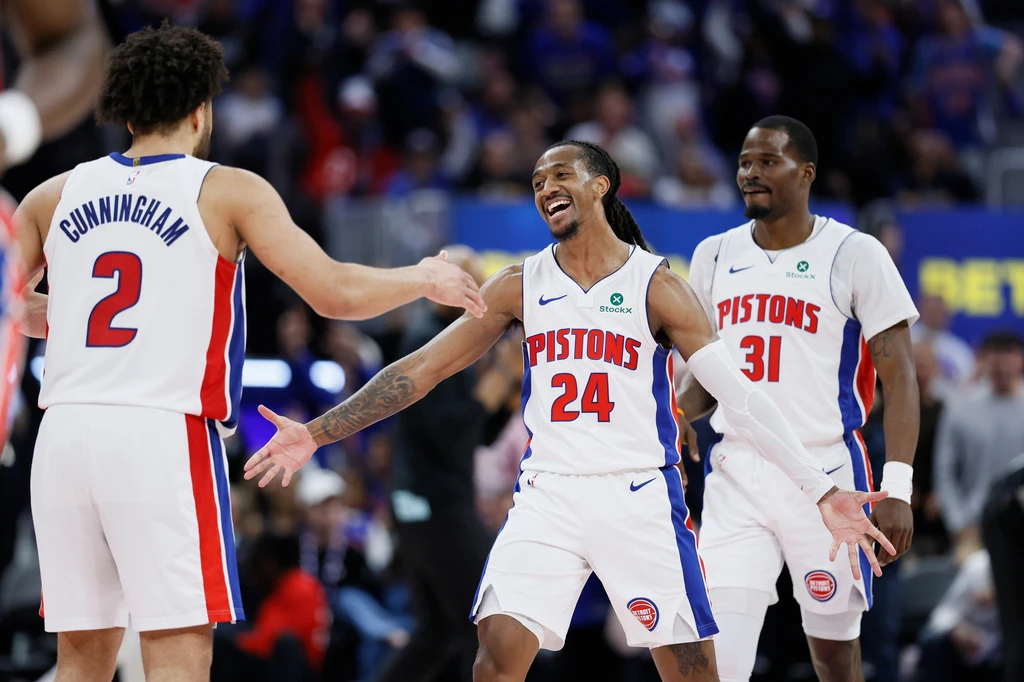
Both the Detroit Pistons and Cleveland Cavaliers overcame 3-1 deficits to advance, a feat that had analysts scrambling for historical context. The back-to-back comebacks in the same round raised legitimate questions about whether the teams they eliminated had run out of gas or whether Detroit and Cleveland had genuinely found another gear. Either way, sustaining that level of urgency and execution into the second round will be the real test.
The Pistons’ comeback was built on physicality and relentless effort. Detroit attempted 2,341 free throws during the regular season — a figure that reflects an aggressive, attack-the-basket identity — and grabbed 1,158 offensive rebounds, giving them consistent second-chance opportunities that wore opponents down over the course of a series.
Shooting Clinic: Spurs Light Up From Deep
Cleveland’s path back from 3-1 ran through the three-point line. The Cavaliers knocked down 1,266 three-pointers on 3,534 attempts during the regular season, a volume that ranked among the league’s highest. When their shooting got hot in Games 5 through 7, opposing defenses had no answer — Cleveland’s spacing made every closeout a gamble and every rotation a risk.
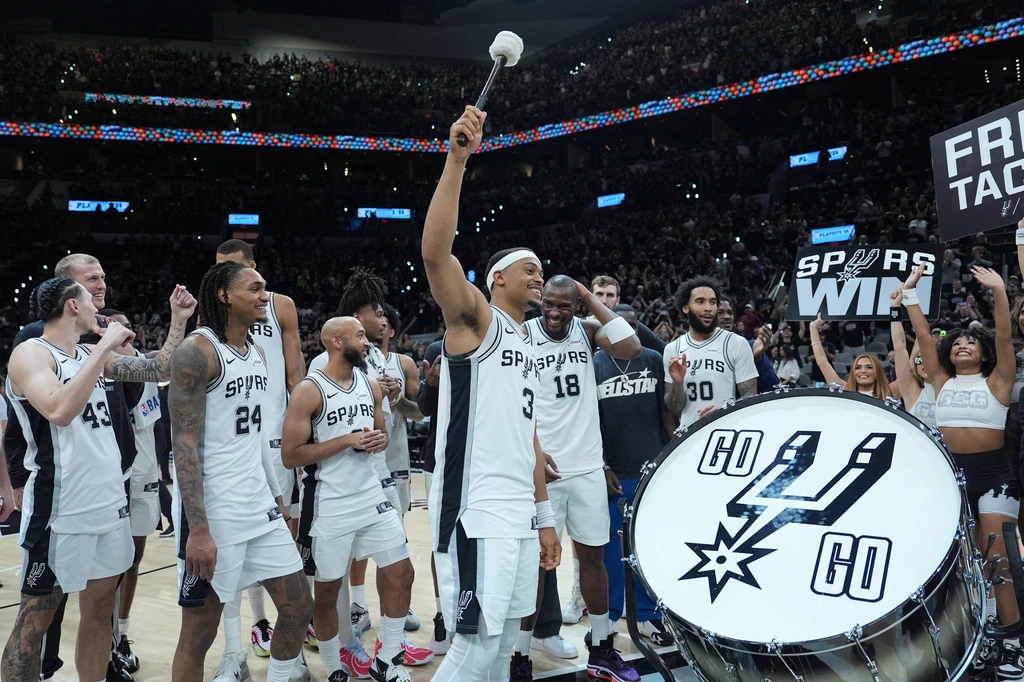
The San Antonio Spurs turned their first-round series into a three-point shooting showcase, using perimeter proficiency as the foundation of their offensive game plan and executing it at a level that gave opponents no viable defensive counter.
San Antonio’s ability to knock down threes at a high rate wasn’t just about points — it fundamentally altered how opposing defenses had to operate. Every possession became a decision tree for the defense, and the Spurs consistently made them pay for the wrong choice.
The spacing created by San Antonio’s perimeter shooting opened driving lanes for their slashers and generated high-percentage looks in the paint. When defenses collapsed to stop penetration, the Spurs kicked it back out to shooters standing ready on the arc. It was a disciplined, modern offensive system executed with playoff-level precision — and it worked.
Defensive Masterclass: Knicks Stifle Opposition
As the Spurs advance, the question is whether they can sustain that shooting efficiency against more sophisticated defensive schemes. Second-round opponents will have more film, more time to prepare, and more personnel capable of contesting San Antonio’s shooters. If the Spurs can maintain even 38-40% from three, they remain a dangerous team.
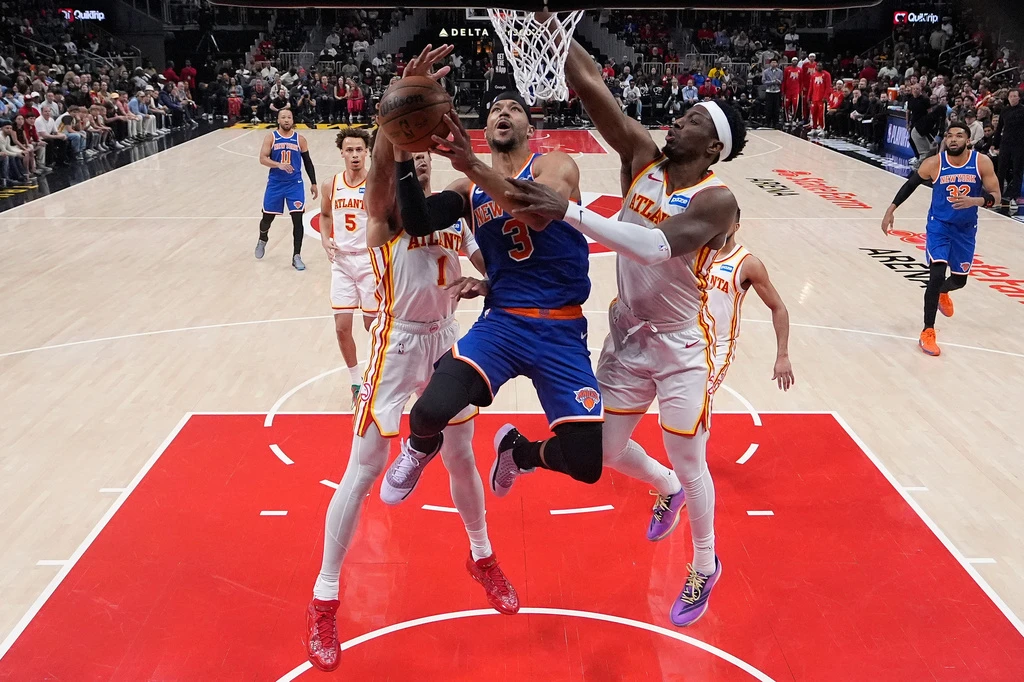
While offensive performances dominated the headlines, the New York Knicks built their first-round victory on the defensive end — a reminder that championship-caliber basketball is still won by teams that can stop the other team from scoring.
New York’s defensive execution was systematic and suffocating. The Knicks consistently funneled opposing ball-handlers into help defenders, denied primary scoring options clean catches, and contested every perimeter look with disciplined closeouts. Their opponents never found a rhythm, and that was entirely by design.
The Knicks’ ability to neutralize their opponents’ leading scorers was the defining factor in the series. New York’s defensive rotations were sharp, their communication was consistent, and their effort level never dipped — even in moments when the offense stalled. That kind of defensive identity is what separates teams that make deep runs from those that flame out in the second round.
Offensive Woes: Nuggets Struggle to Score
Moving forward, the Knicks will face offensive units with significantly more firepower. The real test of New York’s defensive system isn’t whether it works against a first-round opponent — it’s whether it holds up against elite shot creators who can manufacture points in isolation. If the Knicks’ scheme can limit those players to inefficient nights, they have a legitimate path to the conference finals.
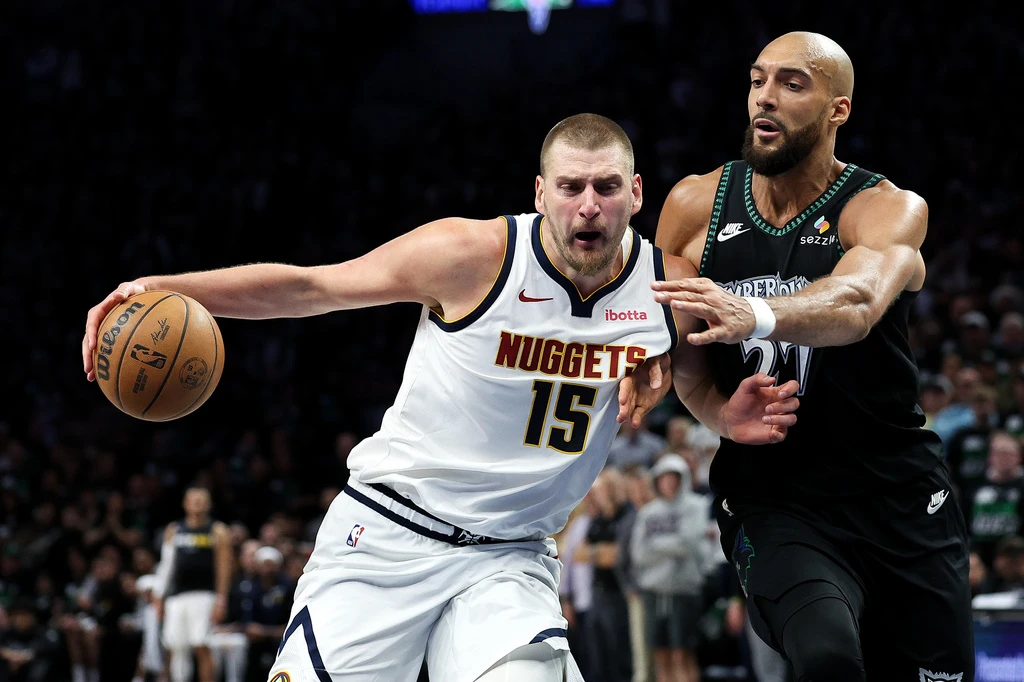
Not every first-round story was a triumph. The Denver Nuggets — a team that entered the postseason with legitimate title aspirations — were eliminated in the first round after struggling to generate consistent offense throughout the series.
The numbers make Denver’s offensive collapse even more puzzling. The Nuggets attempted 7,695 field goals and 3,126 three-pointers during the regular season, reflecting a high-volume offensive approach that ranked among the league’s most active. But in the playoffs, that volume didn’t translate to efficiency. Denver’s offense looked stagnant, their ball movement slowed, and their half-court sets broke down repeatedly against a defense that had clearly done its homework.
Compounding the offensive struggles, Denver committed 1,070 turnovers during the regular season — a carelessness with the ball that playoff defenses are specifically designed to exploit. In a series where every possession carries amplified weight, those turnovers became momentum killers. The Nuggets’ inability to protect the ball while also failing to score consistently created a compounding problem that their talent level alone couldn’t overcome.