The Dallas Cowboys’ 2025 season exposed a defensive nightmare that blindsided the organization. Despite fielding a high-scoring offensive unit, the team finished 7-9-1 and missed the playoffs entirely—a shocking outcome for a franchise accustomed to playoff contention. Their defense ranked dead last in points allowed at 30.1 per game (451 total points), while placing 30th overall in yardage allowed. The numbers told a brutal story: the unit surrendered 40-plus points in three separate games and 30-plus in nine games across the season. This wasn’t merely underperformance; it represented organizational failure on a catastrophic scale that demanded immediate reckoning from management and ownership. The defensive collapse continued a troubling pattern—the franchise had missed the playoffs seven times in ten seasons since 2019, signaling systemic competitive struggles that ran far deeper than a single year.
The Micah Parsons Trade That Started Everything
The root cause traces directly to one controversial decision: owner Jerry Jones’ trade of star pass-rusher Micah Parsons to Green Bay before the 2025 season. Parsons, a five-time Pro Bowl selection and two-time All-Pro linebacker, had anchored the entire unit. Jones’ refusal to negotiate with Parsons’ agent burned that bridge beyond repair. The Packers acquired Parsons with a couple of first-round picks and 29-year-old defensive tackle Kenny Clark—a haul that left analysts declaring Jones had been ‘FLEECED.’ The consequences were immediate and devastating. The defense’s sack production plummeted 33 percent, from 51 in 2024 to just 34 in 2025. Despite recording 12.5 sacks in 14 games before hitting injured reserve with Green Bay, Parsons’ absence created a domino effect that undermined the entire unit’s effectiveness, eroding pass-rush coordination and forcing other defenders into untenable positions. This trade decision set the stage for historic defensive struggles that would reshape the franchise’s trajectory and force leadership to confront fundamental questions about roster construction and strategic planning.
Why Matt Eberflus Lasted Only One Season
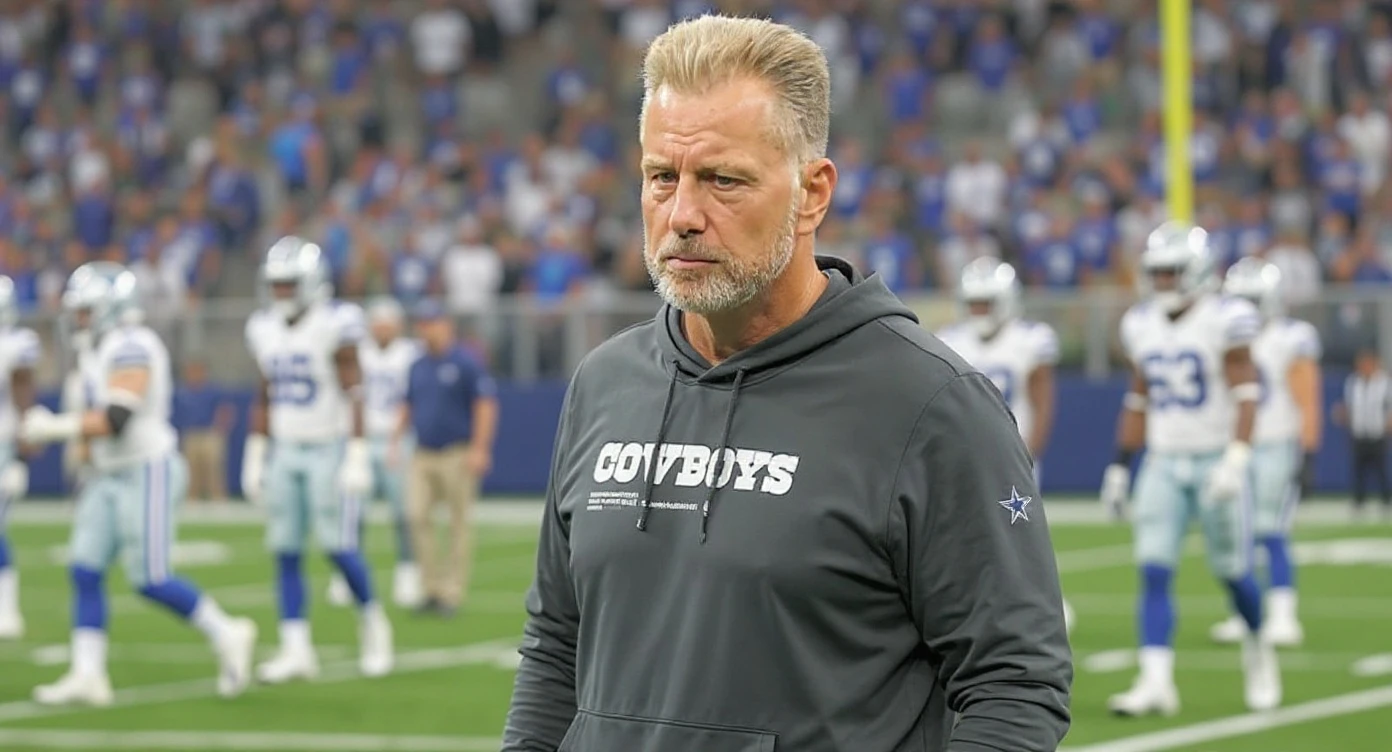
New head coach Brian Schottenheimer’s bold guarantee—’when we win, our coaching staff is going to get raided’—proved prophetic in an ironic way. Rather than his staff being poached by other franchises, defensive coordinator Matt Eberflus became the casualty after just one season. The Cowboys hired the 55-year-old on January 28, 2025, positioning him as instrumental in reversing the team’s fortunes. The organization fired him on January 6, 2026, with Eberflus acknowledging ‘full accountability’ for the unit’s disappointing performance. His return to Dallas marked his second stint, having previously served as linebackers coach from 2011 to 2017. His broader NFL résumé included serving as Chicago Bears head coach from 2022 to 2024 (14-32 record before mid-season termination) and Indianapolis Colts defensive coordinator from 2018 to 2021.
Eberflus inherited an impossible situation: a decimated pass rush, mounting injuries, and a unit that couldn’t generate stops. His tenure marked the Cowboys’ fourth defensive coordinator change in four years, signaling chronic instability in a critical coaching position. The revolving door highlighted deeper organizational problems beyond any single coach’s ability to fix, with responsibility ultimately tracing back to ownership and executive decision-making.
The Trevon Diggs Shocker That Signaled Panic Mode
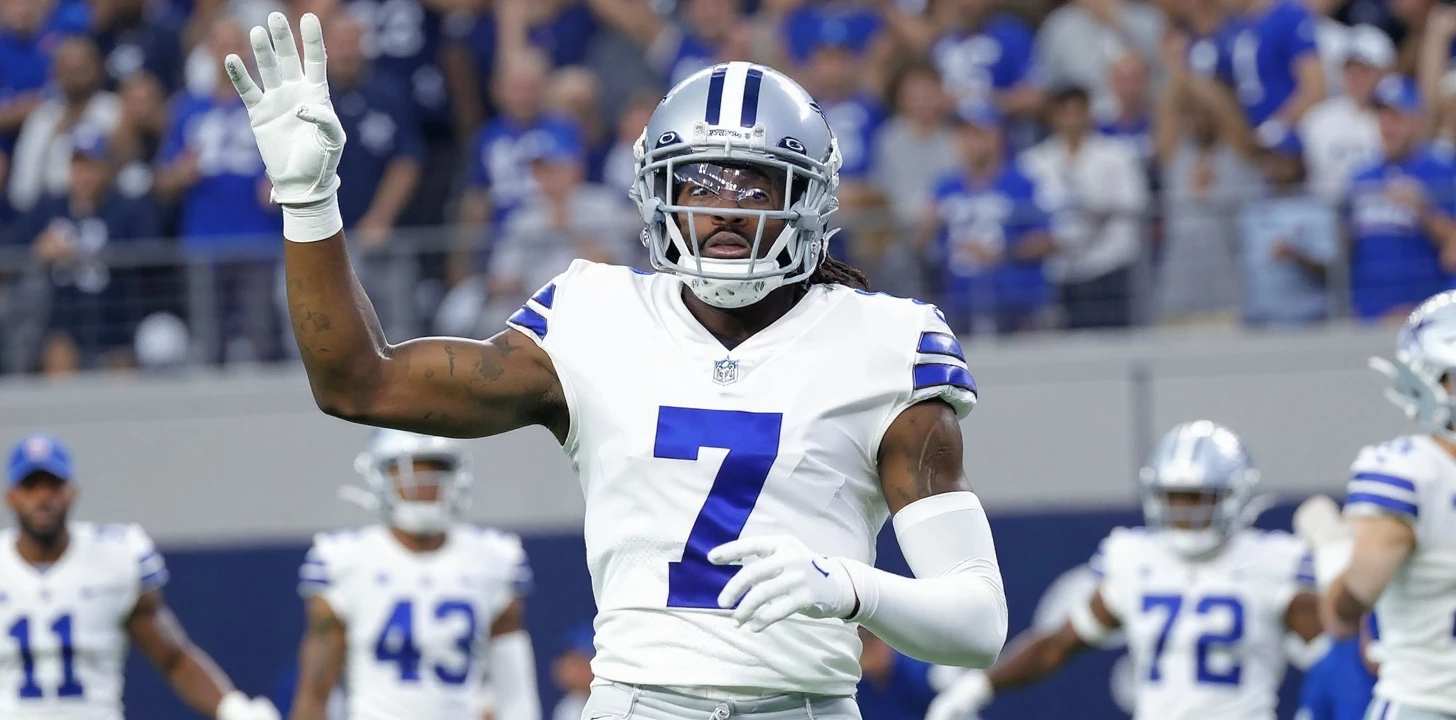
In a stunning admission of organizational defeat, the Cowboys released veteran cornerback Trevon Diggs just two years after handing him a massive $97 million contract extension. The move symbolized far more than a routine roster transaction—it signaled the team’s desperation to dismantle a defense that had become a strategic liability rather than an asset. Diggs was recovering from a major knee injury that limited his effectiveness throughout the tumultuous season, further complicating what had once been considered a defensive cornerstone. Cutting ties with one of their star defensive players exposed the severity of internal dysfunction and suggested the Cowboys had entered full crisis-management mode. The decision contradicted previous organizational commitments and signaled to the locker room that even celebrated defensive players weren’t safe from cuts, potentially destabilizing veteran confidence across the entire unit. The move raised uncomfortable questions about the front office’s ability to manage long-term salary commitments effectively.
What the Cowboys’ Defensive Meltdown Reveals About the Front Office
The cascading failures—trading an All-Pro pass rusher, firing the defensive coordinator, releasing a star cornerback mid-contract—paint a troubling picture of an organization making reactive, desperate decisions rather than executing coherent long-term strategy. Four defensive coordinators in four years signals no clear strategic vision or philosophical stability. The organizational upheaval extended further when former head coach Jason McCarthy departed following a contract dispute on January 13, 2025, just days before the Cowboys announced Brian Schottenheimer’s promotion from offensive coordinator on January 24, 2025.
These coaching transitions, coupled with Eberflus’ subsequent firing, reveal a franchise in constant flux. Problems extended beyond defensive personnel; the team also mishandled contract negotiations with quarterback Dak Prescott and receiver CeeDee Lamb, with Lamb publicly criticizing front office management’s messiness. Prescott endured arguably his worst season, compounding offensive inconsistency. These moves expose a front office caught in reactive crisis management rather than building sustainable infrastructure. The defensive implosion revealed systemic issues in roster management, player evaluation, contract negotiations, and long-term planning that run considerably deeper than any coordinator could influence. This organizational dysfunction, rooted in ownership and executive decision-making, represents the real threat to future competitiveness.