
Alex Bregman made a stunning choice that defies conventional baseball wisdom: he walked away from the Boston Red Sox’s lucrative $165 million offer to sign with the Chicago Cubs for $175 million instead. On the surface, the numbers appear competitive—only $10 million less over five years. Yet beneath the headlines lies a more complex story about what truly matters to elite athletes in 2025. The Red Sox’s proposal came with significant deferrals stretching across decades, a structural feature that immediately raised red flags for Bregman and his negotiating team. This mirrors how contemporary franchises like the Los Angeles Dodgers manage payroll constraints—the team currently carries over $1.06 billion in deferred payment obligations spread across nine players, including Shohei Ohtani’s massive $680 million deferral package and Mookie Betts’ $115 million deferred through 2044. Yet when the Dodgers employ such structures, they pair them with sweeping no-trade protections and elite total value that compensate for the financial complexity. Boston’s refusal to include a full no-trade clause alongside its deferrals proved equally troubling, offering Bregman neither security nor sufficient compensation. For a 31-year-old veteran with two young children, these weren’t minor quibbles—they represented fundamental questions about stability and control. After three seasons bouncing between teams, Bregman’s family had endured constant upheaval. The Cubs’ offer provided the clarity he demanded: clean money, no complex deferrals, and genuine freedom.



Want to know what people are really saying? Don’t miss the buzz from Reddit at the end!
Boston’s Biggest Mistake: Losing a Clubhouse Leader
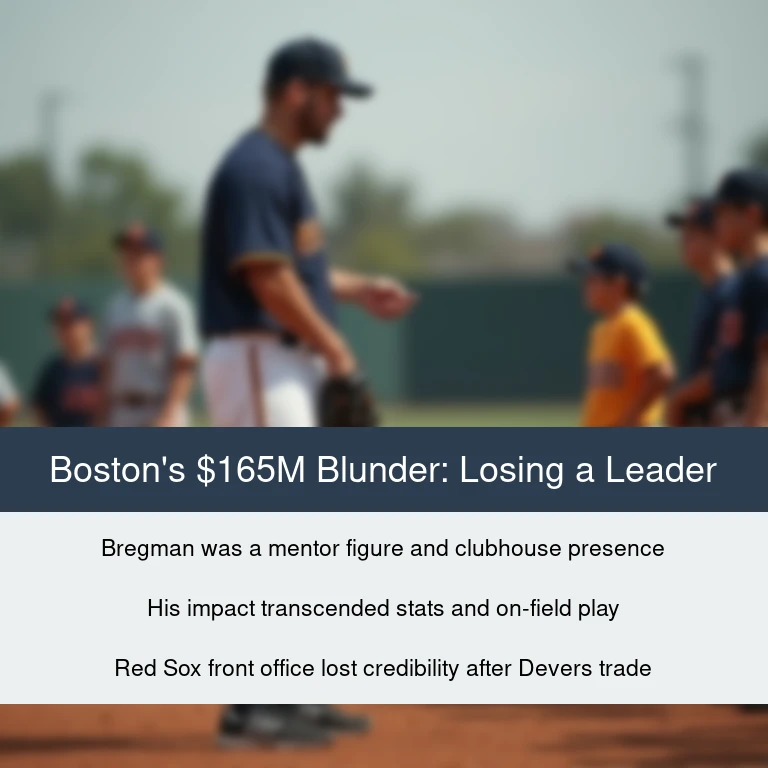
The Boston Red Sox didn’t merely lose a productive right-handed bat—they lost a transformational clubhouse presence that can’t be easily replaced in free agency. During his first year in Boston, Bregman transcended the role of individual contributor. He became the team’s unquestioned leader, a mentor figure whose baseball wisdom and genuine commitment to developing younger players set him apart from typical aging stars interested solely in their own statistics. ESPN’s Jeff Passan captured Bregman’s impact perfectly, describing him as ‘a baseball rat whose wisdom is exceeded by his willingness to help his teammates find the best versions of themselves.’ This kind of leadership transforms organizational culture. Players listen to veterans who’ve proven their commitment extends beyond themselves. Bregman provided invaluable instruction and counsel to Boston’s younger roster, functioning as a de facto player-coach who could influence development in ways no manager alone could accomplish. But Bregman’s departure compounds an already troubling pattern within Boston’s front office. The organization’s shocking trade of star third baseman Rafael Devers to the San Francisco Giants—a deal that left league executives stunned, with one NL executive famously asking, ‘Did you get hacked?’—signals deeper organizational credibility issues. When front offices make bewildering personnel decisions, star players take notice.

The Deferred Payment Trap: Why Modern Athletes Distrust the Structure
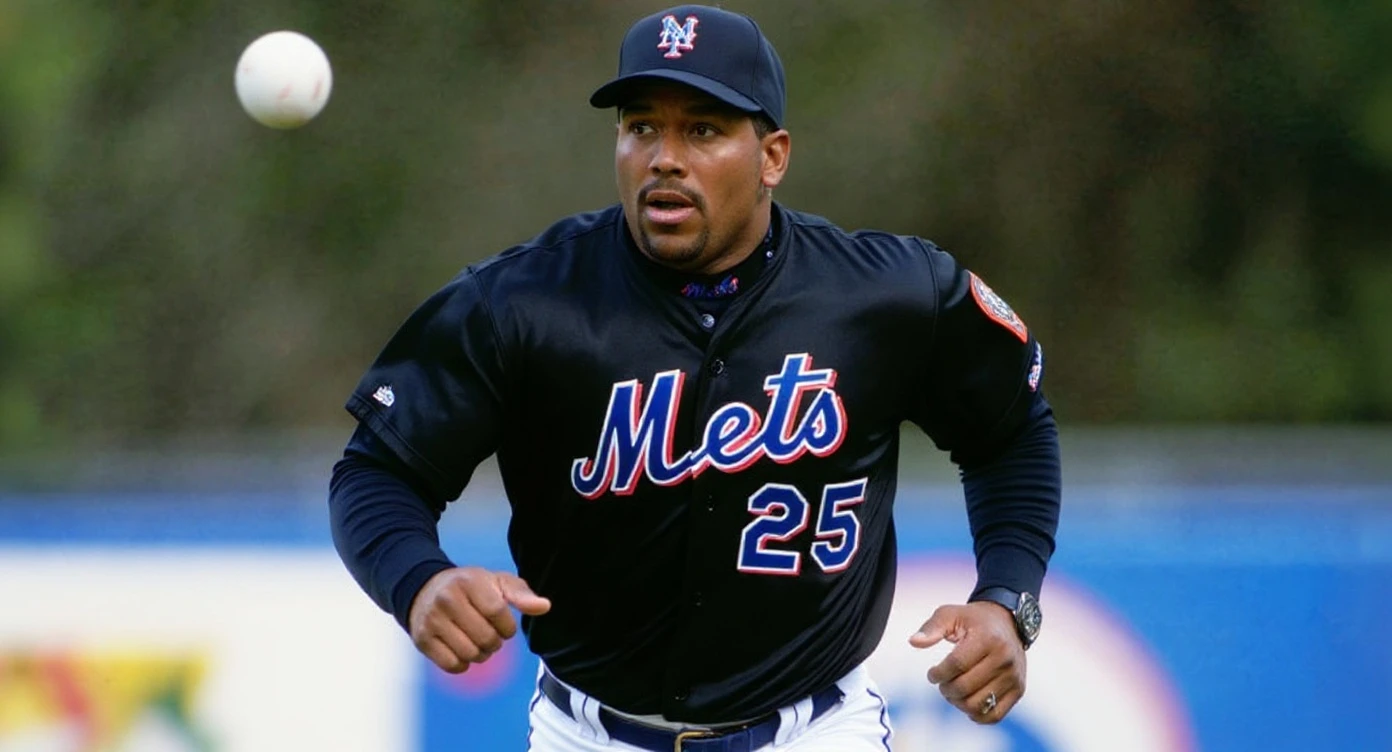
Bregman’s hesitation over Boston’s deferred payment structure reflects growing skepticism among elite athletes toward a financial mechanism increasingly controversial in Major League Baseball. Deferred payments—where athletes receive portions of compensation years or decades into the future—theoretically benefit organizations through reduced salary cap implications. But for players, they represent uncomfortable gambles with unforeseen consequences. Bobby Bonilla’s cautionary tale provides historical context. The former Mets player hasn’t suited up since 1999, yet continues collecting approximately $1.2 million annually until 2035 because the Mets deferred $6 million owed to him. Owner Fred Wilpon believed he could invest those funds with Bernie Madoff’s scheme, generating massive returns. Instead, Bonilla ultimately received $29.8 million—exemplifying both the potential windfalls and underlying risks of deferred arrangements. More recently, Shohei Ohtani’s $700 million Dodgers contract included $680 million in deferrals spread across future years, meaning Ohtani collects just $2 million annually during his contract term. While the Dodgers sweeten such deals with five-year no-trade clauses and elite total value, the Los Angeles organization now carries over $1.06 billion in total deferred obligations to nine players, with peak years of $102.3 million annually in 2038-2039. Bregman’s experience suggested Boston was asking him to gamble on a similar model without comparable protections or value.
What Happens When Teams Can’t Replace Star Power
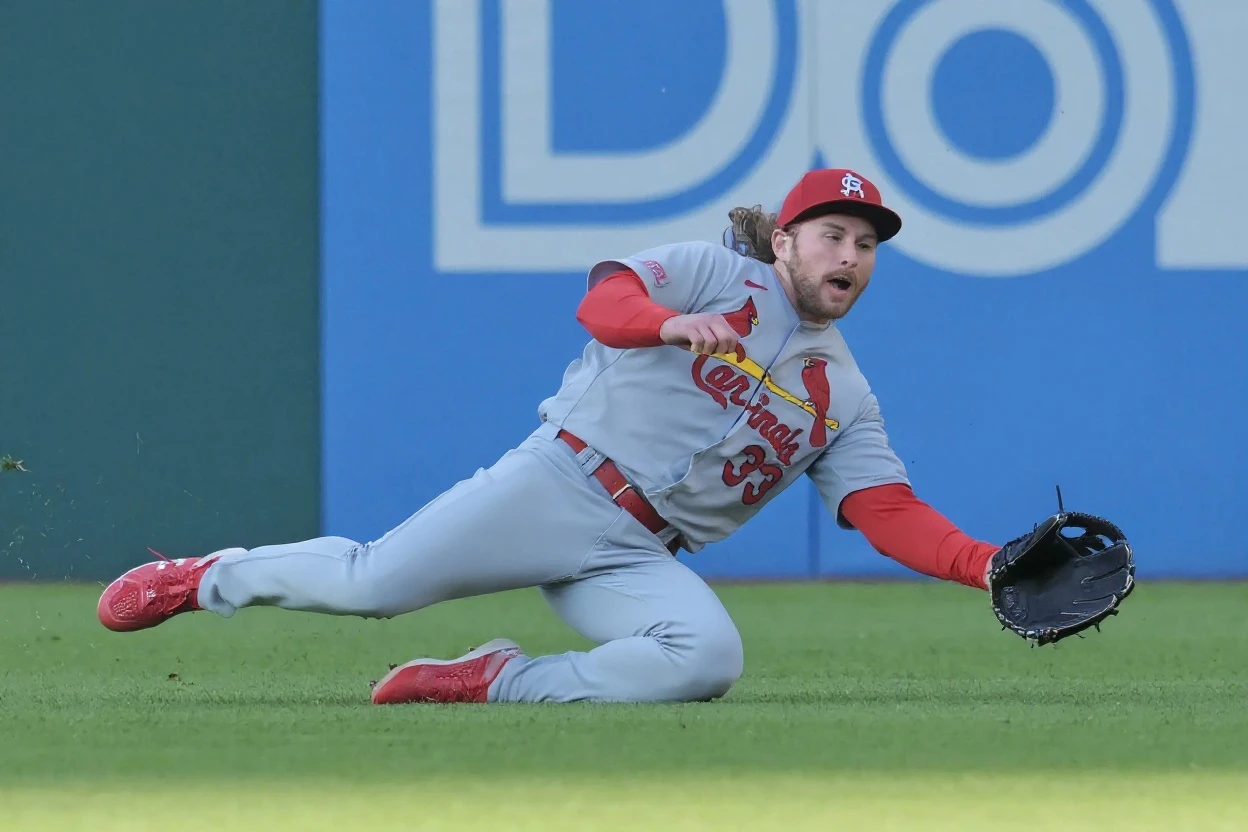
Bregman’s departure exposes harsh realities facing the Boston Red Sox and modern baseball organizations broadly: once elite star players depart in free agency, there’s no simple replacement waiting on the trade market or among available free agents. The Red Sox now confront an uncomfortable reality—a depleted middle infield and third base market with no transformative options available, a situation exacerbated by their shocking trade of Rafael Devers to the Giants, which further stripped the organization of elite positional talent. Players like Brendan Donovan, Nolan Arenado, Alec Bohm, and Isaac Paredes represent solid professional baseball players, but none qualify as the caliber of elite talent capable of meaningfully enhancing Boston’s championship aspirations. Donovan brings consistency but lacks the elite offensive ceiling Bregman commanded. Arenado remains a skilled defender entering his mid-thirties with declining power output. The market simply doesn’t contain another impact player of Bregman’s caliber available for acquisition. Meanwhile, the Chicago Cubs have positioned themselves strategically by securing Bregman through 2027, strengthening their competitive standing in the NL Central. This shortage of elite talent reveals an uncomfortable truth: superstar athletes now hold overwhelming power in modern baseball’s labor dynamics. When they choose destinations, organizations have limited recourse. Boston’s situation exemplifies how the modern game increasingly punishes teams that fail to retain stars, particularly when organizational missteps compound the departures.

Why Bregman’s Choice Resonated Beyond the Numbers
When Bregman ultimately rejected Boston’s offer, many observers initially focused on the $10 million difference in total value. But what emerged from broader public reaction was a more nuanced understanding of what made the Cubs’ proposal fundamentally more attractive. The real issue wasn’t the headline salary—it was the architecture underlying it. Bregman’s family situation formed the cornerstone of his decision-making calculus. After three years of relocating between cities, the notion of stability became paramount for a father managing the needs of two young children. This wasn’t merely sentimental reasoning; it represented a rational prioritization of life circumstances that transcended pure financial optimization. The Cubs’ offer delivered something the Red Sox’s package explicitly withheld: simplicity and security. The absence of a full no-trade clause in Boston’s proposal—despite the organization citing it as an inflexible policy position—created a fundamental credibility problem. For a player who’d recently endured constant upheaval, such contractual restrictions signaled that the organization wasn’t genuinely committed to his long-term presence. When teams truly want to retain star talent, they typically find ways to accommodate these requests, especially when they’re paired with substantial financial investments. The Red Sox’s refusal suggested something more troubling: that they viewed Bregman as a short-term acquisition rather than a cornerstone piece worthy of the protections elite players now expect.
The deferred payment structure underlying Boston’s offer crystallized these concerns. Rather than delivering clean, immediate compensation, the Red Sox proposed stretching payments across decades—a financial engineering move that prioritizes organizational payroll management over player security. This approach felt particularly callous when paired with the no-trade clause refusal. The organization was essentially asking Bregman to accept both financial uncertainty and contractual vulnerability. This represents a broader shift in how elite players now evaluate employment opportunities. The days when massive total dollars alone could close free agency deals have passed. Modern superstars increasingly examine the granular details of contract structure, understanding that deferrals introduce risk, reduce present value through inflation, and potentially leave players vulnerable to organizational instability. A 31-year-old with family responsibilities wasn’t going to gamble on receiving millions across the 2040s when he could secure a cleaner arrangement elsewhere. The Cubs offered him peace of mind; Boston offered him complexity wrapped in corporate constraints.
Bregman’s rejection also served as a commentary on the Red Sox’s broader credibility problem. Organizational missteps—particularly bewildering personnel decisions that mystified the baseball community—had already damaged the franchise’s reputation as a destination. When front offices make decisions that appear divorced from competitive reality, star players process these moves as warning signs. They understand that working within dysfunctional organizational structures complicates their own success, regardless of the financial incentives offered. The contrast between the two organizations couldn’t have been starker. Chicago extended an offer that respected Bregman’s needs and circumstances. Boston extended one that, despite its financial size, prioritized the organization’s preferences over the player’s legitimate requests. In modern baseball’s competitive landscape for star talent, such distinctions now determine outcomes. Bregman’s choice validated what players increasingly recognize: sometimes the larger contract isn’t actually the better deal.