
Shohei Ohtani has shattered records in ways that extend far beyond the baseball diamond. In 2025, the Los Angeles Dodgers’ two-way superstar generated an estimated $100 million in marketing revenue alone, a landmark achievement that places him in an exceptionally exclusive category. At 31 years old, Ohtani surpassed global icons including LeBron James ($85 million), Lionel Messi ($70 million), Cristiano Ronaldo ($60 million), and Rory McIlroy ($55 million), joining only Stephen Curry, Tiger Woods, and Roger Federer as the only athletes to cross the $100 million marketing threshold in a single year. Since his MLB debut on March 29, 2018 with the Los Angeles Angels—following his dominant tenure with the Hokkaido Nippon-Ham Fighters in Nippon Professional Baseball—the Oshu, Japan-native has transformed into baseball’s global ambassador, captivating audiences worldwide and proving that a Japanese athlete can dominate American sports culture like never before. His marketing dominance reflects not just commercial appeal but a fundamental shift in how global audiences engage with professional baseball, elevating the sport beyond its traditional American boundaries into genuine international prominence. The 2025 World Series between the Toronto Blue Jays and Los Angeles Dodgers exemplified this resurgence, drawing record attendance and viewership that underscored Ohtani’s pivotal role in revitalizing fan engagement. His exceptional postseason performance—capped by a NLCS MVP award earned through three home runs, six shutout innings, and 10 strikeouts in Game 4—reinforced his status as baseball’s marquee star, demonstrating that his commercial magnetism translates directly into championship-caliber performances that captivate global audiences.
Want to know what people are really saying? Don’t miss the buzz from Reddit at the end!
The Contract That Paid for Itself in One Season
When the Dodgers signed Ohtani to a groundbreaking 10-year, $700 million contract—the largest in professional sports history—in December 2023, skeptics questioned whether even a superstar could justify such astronomical spending. The contract’s innovative deferred structure, featuring $680 million deferred with only $2 million annually from 2024-2033, initially seemed to soften the immediate financial blow. Yet the broader impact proved far more dramatic: the Dodgers made back the entire $700 million contract in just his first season. Through ticket sales, merchandise, and worldwide marketing deals, the team generated an MLB-high $752 million in revenue. Ohtani didn’t just justify his contract—he proved that his presence alone could transform a franchise’s financial landscape and redefine what a player’s true value means to an organization. Yet this financial triumph carries complex implications. Following their 2025 World Series victory—their second straight championship in his first two seasons—the Dodgers faced a record $169.4 million luxury tax bill, bringing their two-year tax obligation to $272.4 million, with a staggering $417.3 million tax payroll that now exceeds the 2023 Mets’ previous record. This unprecedented financial commitment raises profound questions about long-term franchise sustainability in an era of escalating payroll constraints.
From Underdog to Unprecedented: The MVP Record No One Saw Coming
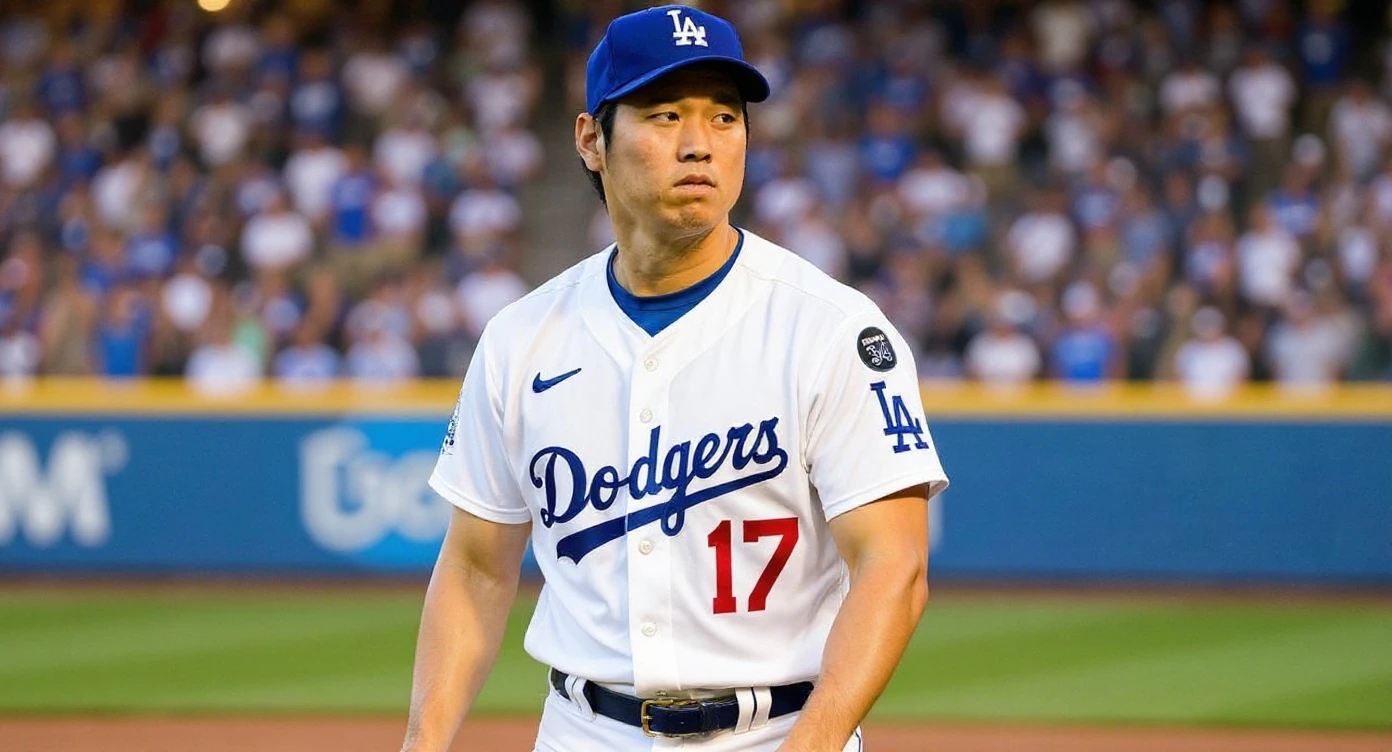
Ohtani’s 2025 season was nothing short of historic. Unanimously winning his second consecutive NL MVP Award and fourth overall MVP, he became the only player in MLB history to win multiple MVPs in both leagues—a distinction underscoring his rarity as a two-way player whose prime seasons rank among baseball’s greatest. Leading the National League with a 1.014 OPS and crushing a franchise-record 55 home runs, Ohtani delivered the kind of on-field excellence that transforms marketing hype into undeniable legitimacy. His 2025 offensive production demonstrates his comprehensive impact: a .282 batting average, 102 RBIs, 146 runs scored, an OPS+ of 179—indicating 79% better performance than an average player—and an impressive 7.7 WAR (Wins Above Replacement). His unanimous selection from every voter isn’t just a trophy; it’s baseball’s seal of approval, proving that his commercial dominance is backed by genuine, transcendent athletic achievement. This convergence of statistical brilliance and unanimous recognition demonstrates that Ohtani’s marketability is earned through consistent, elite performance that leaves no room for debate. His dominant postseason performances further solidified this narrative, cementing his legacy as the transformative player who can single-handedly elevate an entire organization’s sporting and commercial fortunes.
The Ohtani Effect: Why Baseball Will Never Be the Same
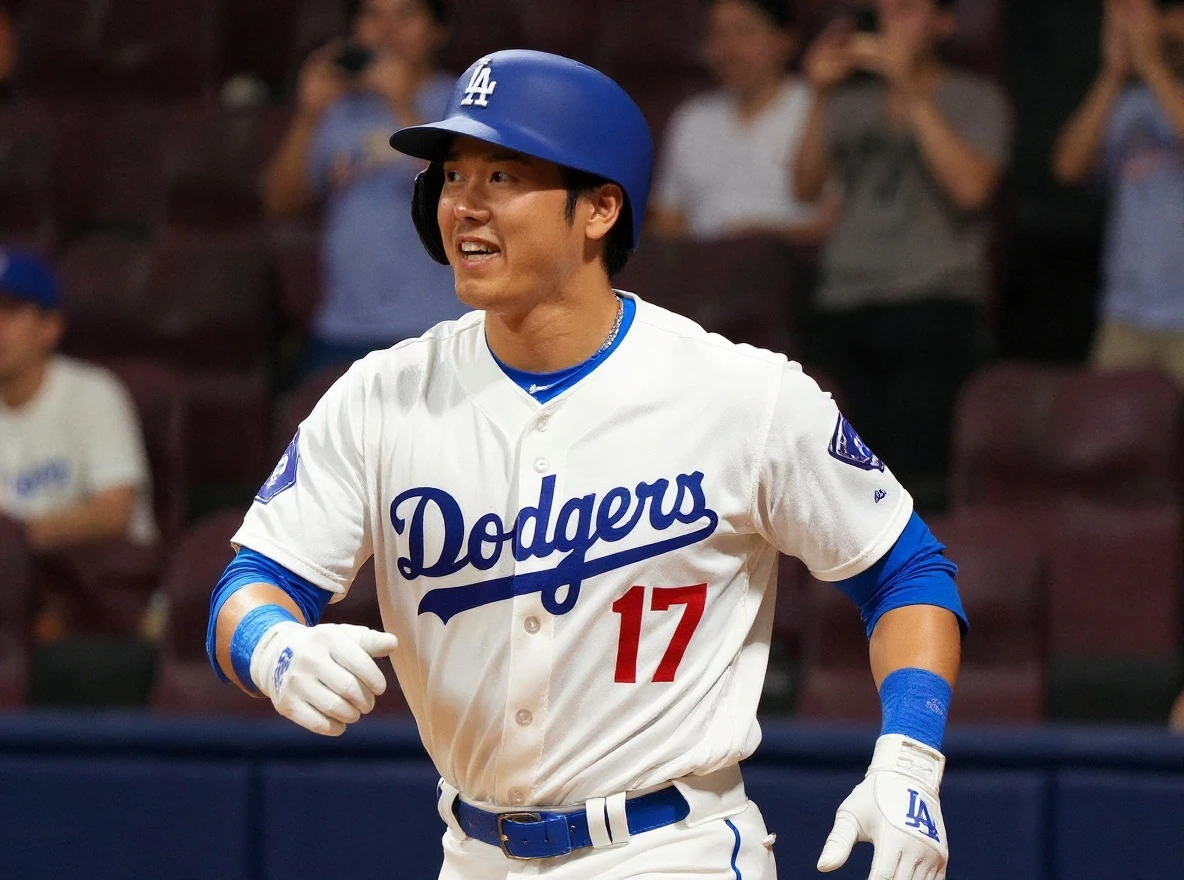
Shohei Ohtani represents a seismic shift in global sports economics. He’s redefined what it means to be a franchise player, proving that authenticity, universal appeal, and elite performance create an unstoppable marketing force. As baseball’s face since his 2018 debut, Ohtani has turned the sport into a truly international phenomenon, attracting audiences that traditional marketing could never reach. His unprecedented $100 million marketing achievement, combined with back-to-back World Series championships in his first two seasons and four MVP awards, signals that baseball’s future lies in embracing international talent as a core strength. However, this optimistic vision faces a critical test ahead. With MLB’s collective bargaining agreement expiring after 2026, a work stoppage in 2027 appears likely due to ongoing disputes over salary caps and earnings. This looming labor crisis, compounded by growing competitive imbalance—nine teams paying record luxury taxes while franchises like Miami and Oakland struggle to compete—threatens to undermine the league’s resurgence. Ohtani’s transformative impact may ultimately depend on whether baseball can resolve these structural inequities, ensuring his success becomes a template for sustained competitive balance and international growth rather than merely a marketing anomaly in an increasingly fractured league.

The Cultural Moment That Changed Everything
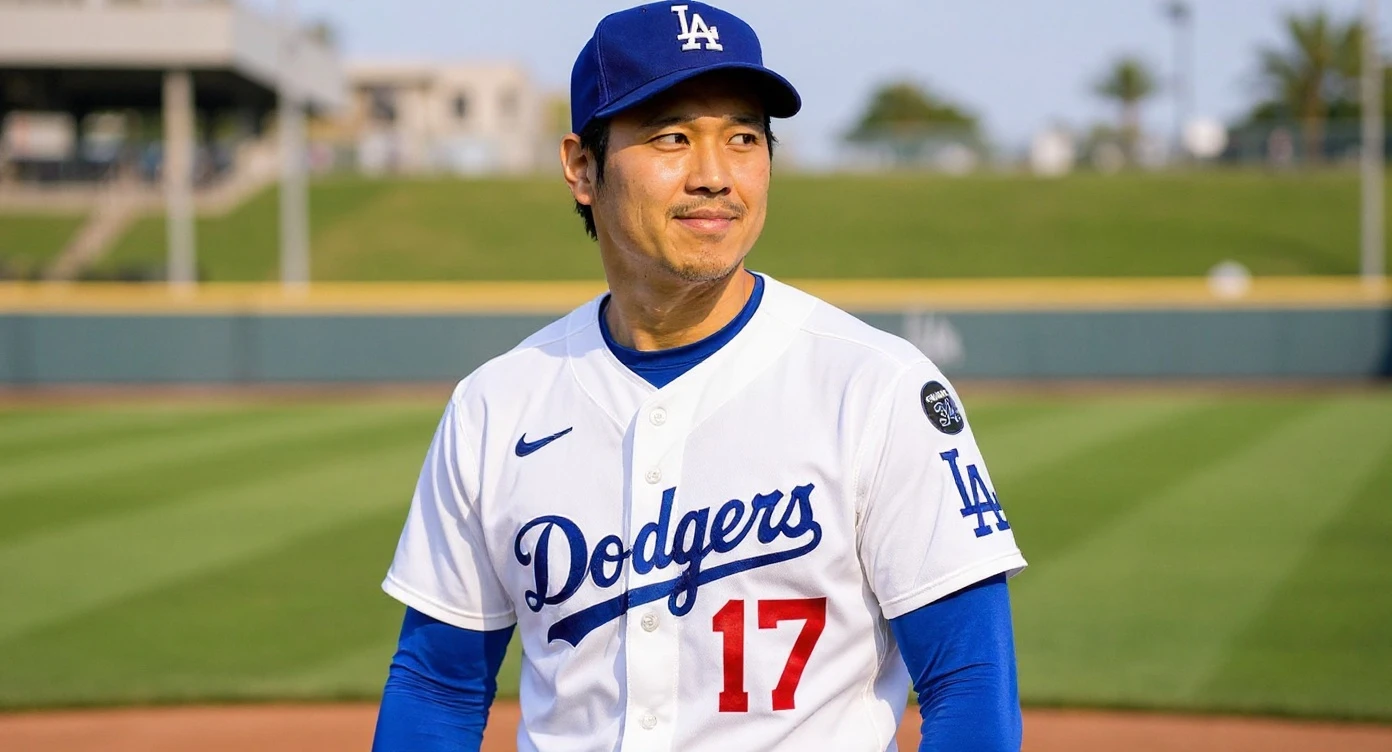
The phenomenon surrounding Ohtani’s unprecedented marketing achievement extends beyond mere statistics—it represents a fundamental cultural shift in how the world engages with baseball. The juxtaposition of a baseball player outearning soccer superstars highlights a critical insight into modern sports economics: marketing revenue isn’t determined solely by global reach, but by the convergence of geographic markets and cultural resonance. The American market, combined with fervent support from Japan and growing international audiences, creates an exponentially more valuable revenue stream than raw global prominence alone. This distinction matters because it reveals the untapped potential within baseball itself. For decades, the sport seemed confined to traditional American viewership, yet Ohtani’s success proves that international stars can shatter these territorial limitations entirely. His presence transforms baseball from a regional sport into a genuinely global spectacle, attracting demographics and markets that traditional baseball marketing had never penetrated. The result is a sport experiencing a genuine renaissance—one that feels urgent and timely, capitalizing on a moment when international interest in professional baseball has never been higher. Yet this cultural moment carries an undercurrent of concern. Baseball’s resurgence under Ohtani feels precarious, arriving at precisely the wrong moment in the league’s labor negotiations. The very success that’s revitalized fan interest and elevated the sport’s prestige now faces an existential threat from within. The confluence of timing—a transformed league finally attracting global attention just as structural conflicts loom—creates a bittersweet narrative where baseball’s future hangs in the balance, dependent on whether the sport can resolve its internal conflicts before squandering this unprecedented opportunity.