
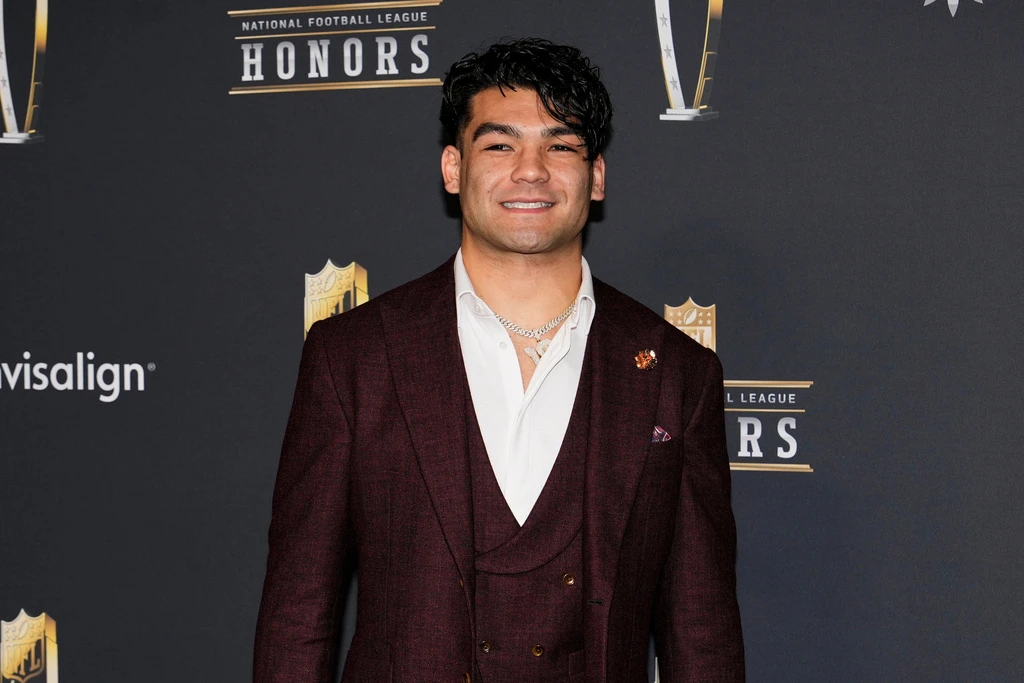
Puka Nacua’s trajectory took an unexpected turn when the promising Rams wide receiver checked into a Los Angeles rehabilitation facility for extended treatment following mounting controversies.
Once positioned as a cornerstone of the franchise’s future with a lucrative contract extension within reach, Nacua now faces serious allegations and intense public scrutiny that have completely reshaped his narrative.
The fifth-round draft pick from 2023 has transformed into one of the NFL’s most talked-about off-field stories. On March 25, 2026, a woman filed a civil lawsuit alleging Nacua made unprovoked antisemitic statements and bit her repeatedly on the shoulder during a New Year’s Eve encounter.
His attorney, Levi McCathern, denied all accusations “in the strongest possible terms” while announcing plans to file a defamation lawsuit and pursue all available legal remedies. Nacua checked himself into the facility on April 1. The cascade of controversies demands examination.
From his position as a receiver on one of football’s most visible franchises to his current reckoning, Nacua’s story illustrates how quickly fortunes can shift. Head coach Sean McVay’s public declarations—”I trust this kid’s heart”—reveal organizational tension between loyalty and accountability.
The Pattern Nobody Expected: A Timeline of Troubling Behavior
Before the New Year’s Eve allegations surfaced, warning signs were already accumulating. During the 2025 season, before a pivotal game against the Seattle Seahawks, Nacua appeared on a livestream with internet personality Adin Ross, who convinced him to perform an inappropriately named gesture and suggested he use it as a touchdown celebration.
The incident cost him $25,000 in NFL fines for criticizing game officials, and forced a public apology where he claimed unawareness of the gesture’s harmful meaning—a statement that raised eyebrows among skeptics. Then came February’s Super Bowl season, when witnesses reportedly spotted Nacua drunkenly stumbling through the street at a party before entering an SUV, suggesting a pattern of substance-related poor judgment.
Notably, he’d also previously livestreamed from the Rams’ locker room despite teammate warnings, demonstrating a troubling pattern of disregarding both team protocols and peer feedback.
Individually concerning, these incidents take on different significance when viewed collectively. His attorney’s assertion that rehab predates the recent lawsuit becomes more credible when considering these earlier episodes likely prompted internal reflection within the organization.
McVay’s later comments acknowledging that Nacua must grow “beyond his on-field performance” hint at private conversations occurring well before public allegations emerged.
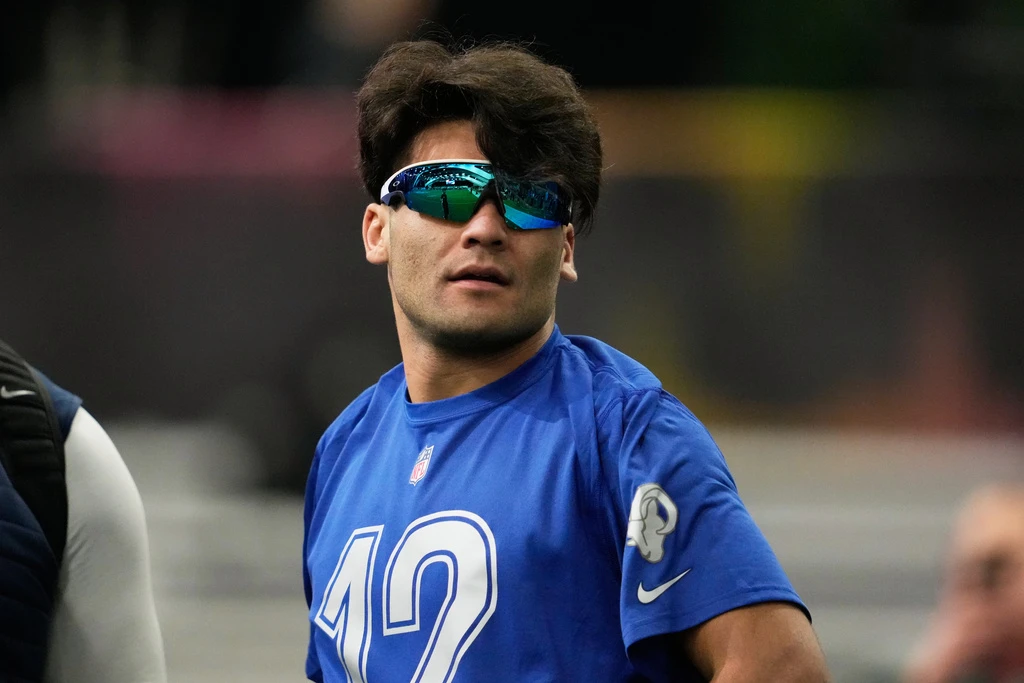
Bite, Antisemitism, and Denial: Unpacking the Allegations Against Nacua
The lawsuit filed by Madison Atiabi on March 25, 2026, alleges that Nacua made numerous unprovoked antisemitic statements, before leaving bite marks on her shoulder during a New Year’s Eve encounter.
The legal complaint cites gender violence, assault and battery, and negligence—serious charges Nacua has categorically denied. His attorney claims possession of video evidence directly contradicting the plaintiff’s account, creating a significant evidentiary dispute that will likely dominate legal proceedings.
The antisemitic remark allegation carries particular weight given Nacua’s prior incident during the Adin Ross livestream, forming a pattern that damages his credibility regardless of this incident’s specific details.
This dual accusation of bias and violence suggests a volatile situation rather than a misunderstanding.
Public reaction has been shaped by these compounding factors—not just the bite allegation alone, but its association with documented antisemitic language and a history of concerning social media behavior.
The competing narratives present a judicial puzzle: determining truth amid contradictory accounts, with video evidence potentially serving as the definitive arbiter.
The Rehab Narrative: Is This Genuine Recovery or Damage Control?
McCathern’s carefully worded statement that Nacua’s rehab decision predates the lawsuit raises intriguing questions about timing and motivation. Though the attorney claims this technically proves the rehab choice wasn’t reactive legal maneuvering, the April 1 check-in followed the March 25 lawsuit filing—a temporal proximity that complicates claims of prior motivation.
The distinction matters because it speaks to whether Nacua truly recognized problematic patterns or whether rehab represents sophisticated reputation management disguised as accountability. McCathern’s assertion that Nacua is Nacua’s attorney says Puka is ‘doing absolutely fabulous’ and is in ‘great spirits,’ per The California Post” offers an oddly upbeat narrative that complicates the seriousness of his situation.
If the issues warranted extended rehabilitation, shouldn’t the description carry more gravity? This linguistic lightness suggests either minimization of concerns or attorney-guided messaging calibrated for public consumption.
The Rams’ stated focus on Nacua’s “well-being” before discussing contract extensions could reflect genuine organizational concern or prudent damage control pending legal resolution.
Whether genuine transformation or image rehabilitation, the coming months will reveal whether behavioral change actually materializes.
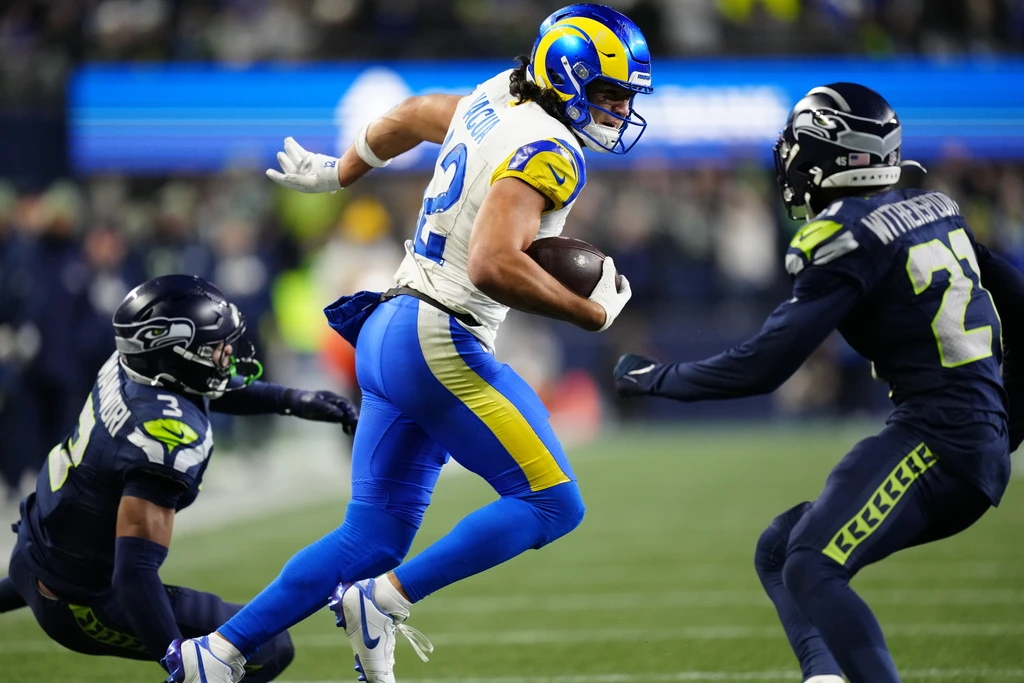
Sean McVay’s Dilemma: Can the Rams Trust Nacua With a Big Contract?
Sean McVay faces a genuine organizational crossroads extending far beyond a single player’s situation. By publicly stating “I trust this kid’s heart” and expressing confidence that Nacua will remain a Ram “for a long time,” McVay positioned himself as a believer in redemption.
Yet this defense simultaneously acknowledges the severity of concerns—coaches rarely need to publicly trust players’ hearts unless questions have been raised about their character.
McVay’s willingness to intervene directly when Nacua attempted to bring internet streamers into the facility before the Seattle game demonstrates his commitment to enforcing professional standards.
This discipline coexists with his public backing, creating a complex dynamic where McVay enforces boundaries while maintaining faith. With Nacua now eligible for a substantial contract extension, the financial stakes have escalated.
Investing $20-30 million in a young receiver with mounting behavioral concerns—including documented antisemitic incidents and a pattern of poor judgment—represents either visionary faith in potential or organizational negligence depending on outcomes, a calculation increasingly scrutinized across professional sports as teams balance competitive interests with moral accountability.
If Nacua emerges reformed and productive, the Rams will appear prescient. If problems persist, the decision will be criticized as prioritizing talent over accountability. The general manager’s pivot toward focusing on Nacua’s “well-being” before contract discussions suggests calculated patience.
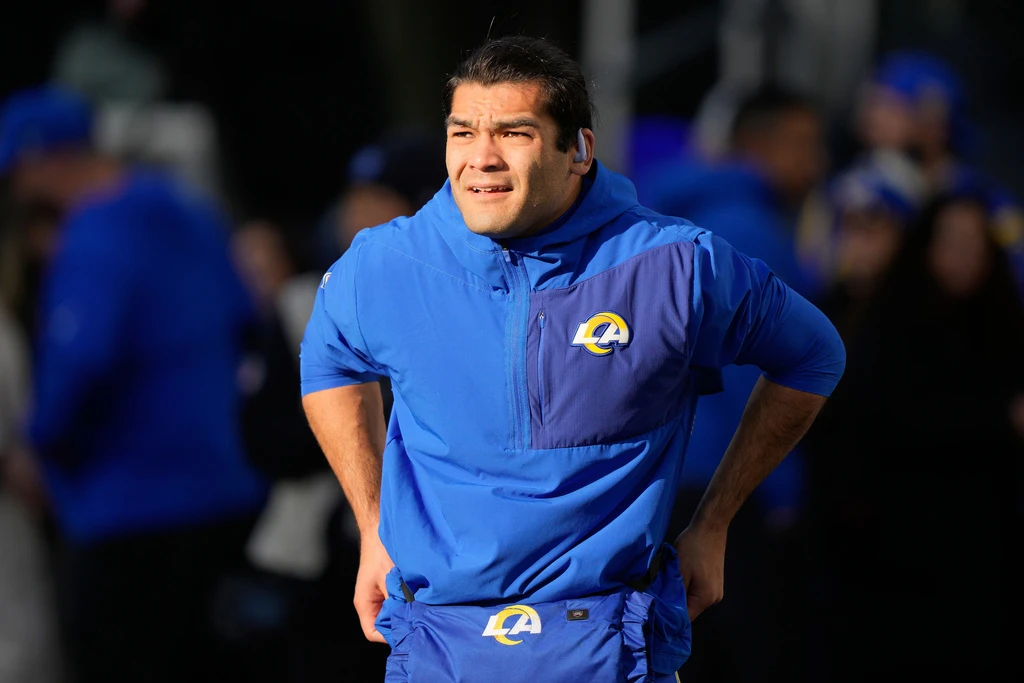
What’s Next for Nacua: Redemption, Release, or Resignation?
As Nacua progresses through his rehabilitation stay, three distinct paths stretch before him, each with vastly different implications for his career and the Rams’ trajectory.
The redemption narrative—emerging transformed, legally vindicated, and committed to behavioral change—represents the best-case scenario validating the Rams’ decision to stand by him.
This path requires both legal resolution favoring Nacua and demonstrable behavioral improvement during the offseason and upcoming season.
Alternatively, the release scenario could unfold if the lawsuit resolves unfavorably, if additional incidents emerge, or if the Rams decide the reputational risk outweighs the talent investment.
This would signal that even McVay’s faith has limits. The third possibility—resignation to a troubled pattern—would see Nacua cycle through treatment, temporary improvement, and renewed concerning behavior.
The Rams’ approach will resonate across professional sports, where organizations increasingly face scrutiny regarding how they balance competitive interests with moral accountability.
The legal case outcome will prove pivotal, with video evidence potentially decisive. His performance during offseason activities and training camp will offer behavioral data points. Team chemistry and locker room reception will matter greatly. The Rams’ broader organizational culture will be tested by how seriously they treat accountability versus talent.

Public Skepticism: Weighing Accountability Against Recent Revelations
The court of public opinion has rendered a swift and largely unfavorable verdict on Nacua’s rehabilitation decision. Beyond the headline allegations, a comprehensive picture of concerning behavior has emerged that extends far beyond the bite incident and antisemitic remarks. The cumulative weight of these incidents—ranging from the documented livestream controversies to alleged failures in personal responsibility—has created a credibility challenge that rehabilitation alone cannot easily overcome.
A pervasive skepticism surrounds the timing and sincerity of Nacua’s rehab choice. Critics point out that the April 1 check-in followed the March 25 lawsuit filing, raising legitimate questions about whether the decision genuinely reflects self-awareness or constitutes strategic reputation management.
When someone seeks treatment immediately after serious allegations surface, observers naturally wonder whether the motivation stems from authentic recognition of problems or calculated legal positioning. This distinction matters profoundly: true rehabilitation requires genuine acceptance of responsibility, while damage control disguised as treatment rarely produces lasting behavioral change.
Each individual episode might be dismissed as youthful indiscretion, but collectively they suggest someone struggling with impulse control, judgment, and respect for institutional norms. This pattern raises uncomfortable questions about whether any rehabilitation program, however intensive, can meaningfully address such deeply rooted behavioral patterns within a compressed timeframe.
Public skepticism isn’t merely punitive—it reflects legitimate uncertainty about whether extended treatment can produce the kind of fundamental transformation Nacua’s situation demands.
The broader concern extends beyond personal skepticism to institutional implications. If the Rams choose to invest significant financial resources in Nacua’s future through a major contract extension, they send a message about organizational priorities that extends beyond a single player.
The question becomes not merely whether Nacua deserves a second chance, but whether awarding major financial commitments to individuals exhibiting such patterns of poor judgment—regardless of their on-field talent—sets a troubling precedent for how professional sports organizations balance competitive advantage against behavioral accountability.
Some observers acknowledge the possibility of genuine transformation, recognizing that people can meaningfully change through treatment and reflection. Yet even optimistic perspectives acknowledge that change would need to demonstrate itself through sustained behavioral improvement, not merely through compliant treatment facility attendance.
The skepticism surrounding Nacua reflects a broader cultural conversation about whether elite athletes receive second chances and rehabilitation opportunities unavailable to others, and whether organizations should prioritize winning at the expense of other values.