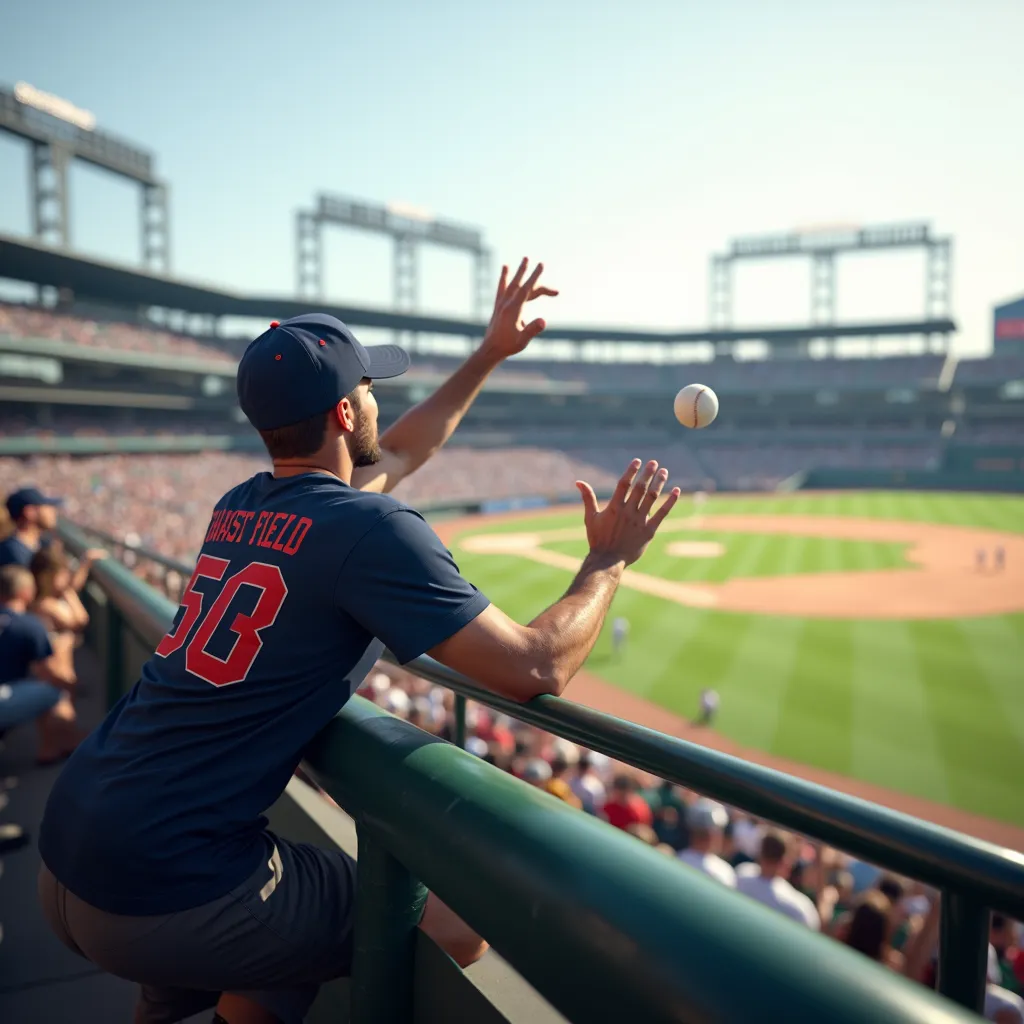
A fan’s reckless actions during a high-stakes game between the Diamondbacks and Giants have sent shockwaves through the baseball world.
The Controversial Call
A fan’s decision to reach over the railing at Chase Field during a 2025 regular-season game between the Arizona Diamondbacks and the San Francisco Giants triggered an interference ruling that altered the outcome of a live at-bat — and earned that fan a full-season ban from the ballpark.
Unraveling the Incident
The incident occurred during a critical at-bat late in the game, when a Giants hitter worked a deep count near the foul line.
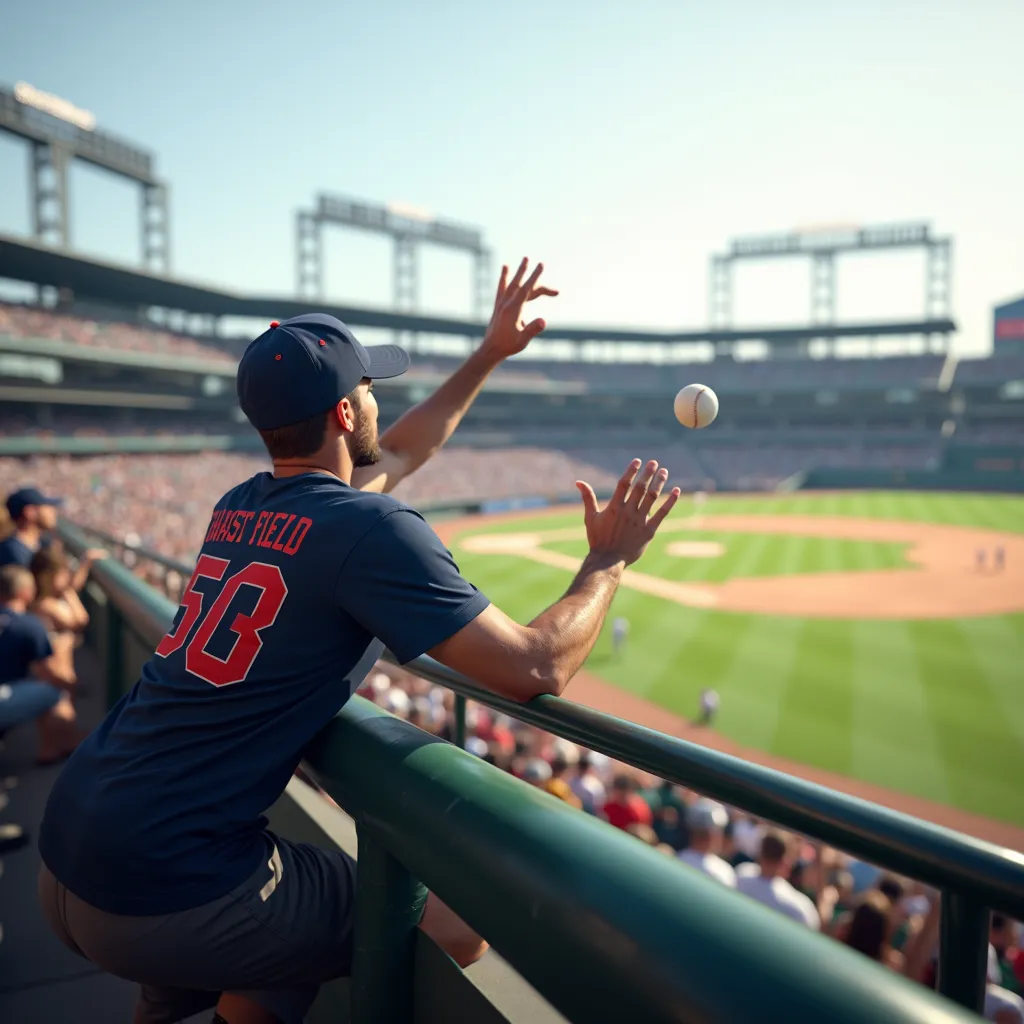
As the ball drifted toward the stands, a fan leaned over the railing and made contact with it before a Diamondbacks fielder had a clear opportunity to make the play.
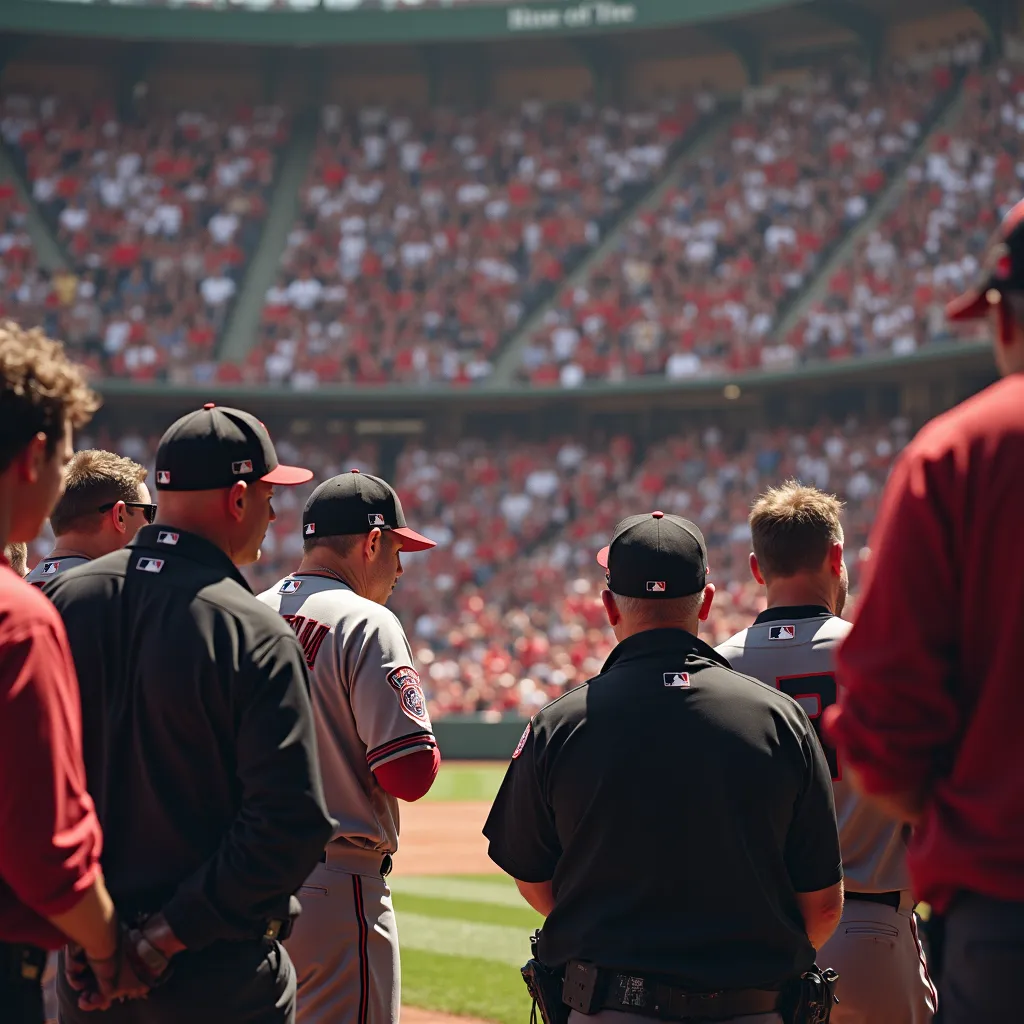
Home plate umpires convened, reviewed the situation, and ruled fan interference — a call that wiped out what would have been a live ball and reset the at-bat under the ruling.
The decision drew immediate pushback from Giants players and coaching staff, who argued the fan’s reach was ambiguous, while Diamondbacks players maintained the call was correct under MLB’s interference statutes.
Consequences Unveiled
Video replays circulated quickly on social media, and the footage showed the fan extending their arm clearly beyond the railing before the fielder had a chance to settle under the ball. Under MLB Rule 6.01(e), spectator interference is defined as any act by a spectator that impedes, hinders, or confuses a fielder attempting to make a play on a live ball — and the replay appeared to meet that threshold.
What compounded the controversy was a report from Chase Field security staff indicating this was not the fan’s first documented incident involving boundary violations at the ballpark, adding a layer of prior conduct to what might otherwise have been treated as an isolated lapse in judgment.
Fan Interference: A Recurring Issue?
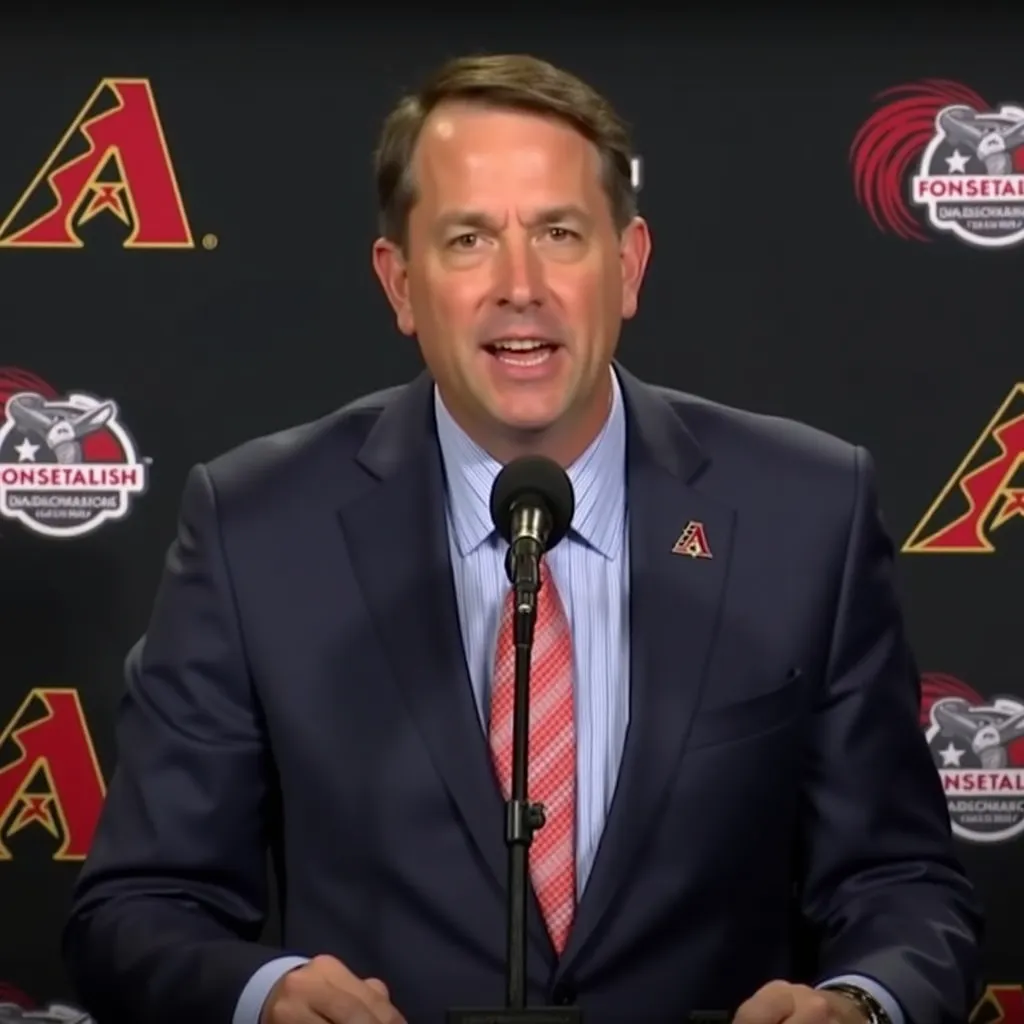
The Diamondbacks organization moved quickly. Within 24 hours of the game, the club announced the fan had been issued a ban from Chase Field covering the remainder of the 2025 MLB season.
The organization did not publicly detail whether the ban would extend into postseason games or future seasons, but the swift response signaled a zero-tolerance posture on spectator interference.
Reactions split along predictable lines — many fans and analysts praised the Diamondbacks for acting decisively to protect the integrity of competition, while others argued a full-season ban was disproportionate for what amounted to a reach for a foul ball.
The debate reflects a broader tension in professional sports between fan access and the operational boundaries that keep games fair.
Moving Forward: Protecting the Game
The Chase Field incident is not an isolated case. Fan interference has surfaced as a recurring flashpoint across MLB in recent seasons, from the infamous Jeffrey Maier play in the 1996 ALCS, as documented by MLB.com — where a 12-year-old fan deflected a Derek Jeter fly ball into the stands, resulting in a home run call — to more recent incidents involving fans reaching onto the field of play during high-leverage moments.
What has changed is the speed at which video evidence spreads and the pressure it places on organizations to respond publicly. Fans increasingly understand that cameras are everywhere, yet incidents continue — suggesting the issue is less about awareness and more about impulse control in high-adrenaline environments.
MLB and its member clubs have limited but meaningful tools to address the problem. Enhanced railing barriers in foul-ball-prone zones have been installed in several stadiums over the past decade, partly in response to fan safety concerns following injuries from foul balls and broken bats.
Extended netting, now standard in most MLB parks down the foul lines, has reduced some interference opportunities — but gaps remain near the dugout corners and in open-air sections where fans sit close to the action.
The Diamondbacks’ decision to issue a season-long ban adds to a growing list of precedents where clubs have used their authority to remove disruptive spectators for extended periods.
Whether MLB moves toward a league-wide standardized penalty structure for interference incidents — rather than leaving enforcement to individual clubs — remains an open question heading into the second half of the 2025 season.
From a competitive standpoint, the timing of the interference mattered. Diamondbacks-Giants matchups carry divisional weight in the NL West, where standings shifts can have playoff seeding implications deep into September.
Any ruling that alters an at-bat in a close game between division rivals draws heightened scrutiny, and this one was no exception.
The Diamondbacks entered 2025 as a club with legitimate postseason aspirations after their 2023 World Series run, as chronicled by Britannica, while the Giants have been rebuilding around a younger core.
Every game in that series carries stakes that make fan interference more than a footnote — it becomes part of the competitive record.
For fans attending games at Chase Field or any MLB venue in 2025, the incident serves as a concrete reminder of where the boundary lines are — literally and figuratively.
Reaching over a railing to field a live ball is not a gray area under the rulebook. The consequences, as this fan discovered, can extend well beyond the moment of contact.