
The highly anticipated Monday Night Football clash between the Arizona Cardinals and Dallas Cowboys witnessed a viewership rollercoaster, with the absence of YouTube TV contributing to a significant year-over-year decline.
The Monday Night Football matchup between the Arizona Cardinals and Dallas Cowboys delivered a ratings rollercoaster that exposed a growing fault line in the NFL’s broadcast strategy.
A bitter carriage dispute between Disney and YouTube TV — which blacked out ESPN and ABC for millions of subscribers — dragged viewership down sharply from the previous year, raising urgent questions about how the league reaches its audience in an increasingly fragmented media environment.
Ratings Rollercoaster: Highs, Lows, and Blackouts
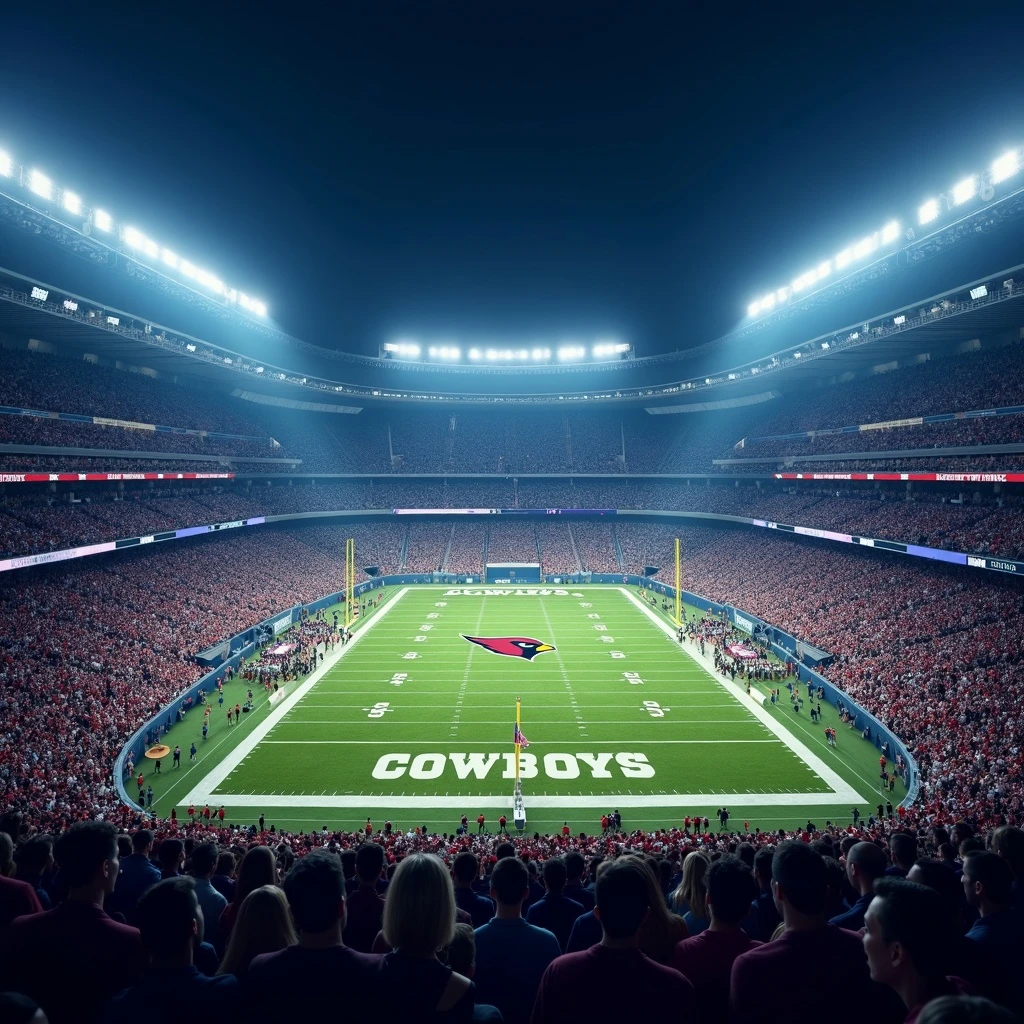
The Cardinals-Cowboys game drew an average audience of 16.2 million viewers across ESPN, ABC, ESPN2, ESPN Deportes, and NFL+.
That figure was enough to rank as ESPN’s second-highest Week 9 audience since 2011 — a notable benchmark on its own — but it still represented a steep 21.4% decline from the 20.6 million viewers who watched the comparable Week 9 broadcast during the 2024 season, according to Awful Announcing.
The primary culprit was the ongoing Disney-YouTube TV carriage blackout, which cut off one of the most widely used streaming platforms from accessing ESPN and ABC content entirely.
On the field, the Cardinals controlled possession for a combined 20,414 seconds across the season sample and accumulated 3,271 total yards — including 1,993 through the air — while the Cowboys countered with 4,164 total yards and 2,757 passing yards, underscoring the offensive firepower both franchises brought to the broadcast window.
Beyond the Numbers: Dissecting the Ratings Puzzle
YouTube TV subscribers locked out of the game were forced to seek alternatives — over-the-air antennas, NFL+, or competing streaming services — a scramble that almost certainly suppressed the final viewership count. The Cowboys’ presence in a prime-time slot typically functions as a ratings multiplier.
As a reference point, their Week 14 2024 game against the Cincinnati Bengals pulled 18.7 million viewers, per Sports Media Watch, despite both teams carrying losing records at the time, a testament to Dallas’s enduring national draw.
The absence of a platform-by-platform viewership breakdown makes it difficult to quantify exactly how many households the blackout cost, but the 4.4-million-viewer gap from 2024 tells its own story.
On special teams, the Cardinals averaged 528.8 yards per punt and totaled 2,318 punt yards — a genuine strength — while the Cowboys generated 1,515 return yards overall, including 1,245 on kickoff returns alone, adding explosive field-position swings that kept the broadcast engaging for those who could access it.

The Future Unfolds: What’s Next for NFL Viewership?
The viewership numbers force a hard look at what carriage disputes cost the NFL in real audience terms.
As the league continues expanding its platform footprint — juggling traditional cable, over-the-air broadcasts, and streaming deals with Amazon, Peacock, and its own NFL+ service — the Cardinals-Cowboys game functions as a cautionary case study.
Losing more than four million viewers in a single week because of a business dispute between a broadcaster and a streaming distributor is not a rounding error; it is a structural vulnerability.
On the field, the Cardinals converted just 60 of 145 third-down attempts across the tracked sample, while the Cowboys fared slightly better at 56 of 140 — conversion rates that reflect the competitive, grind-it-out nature of both offenses.
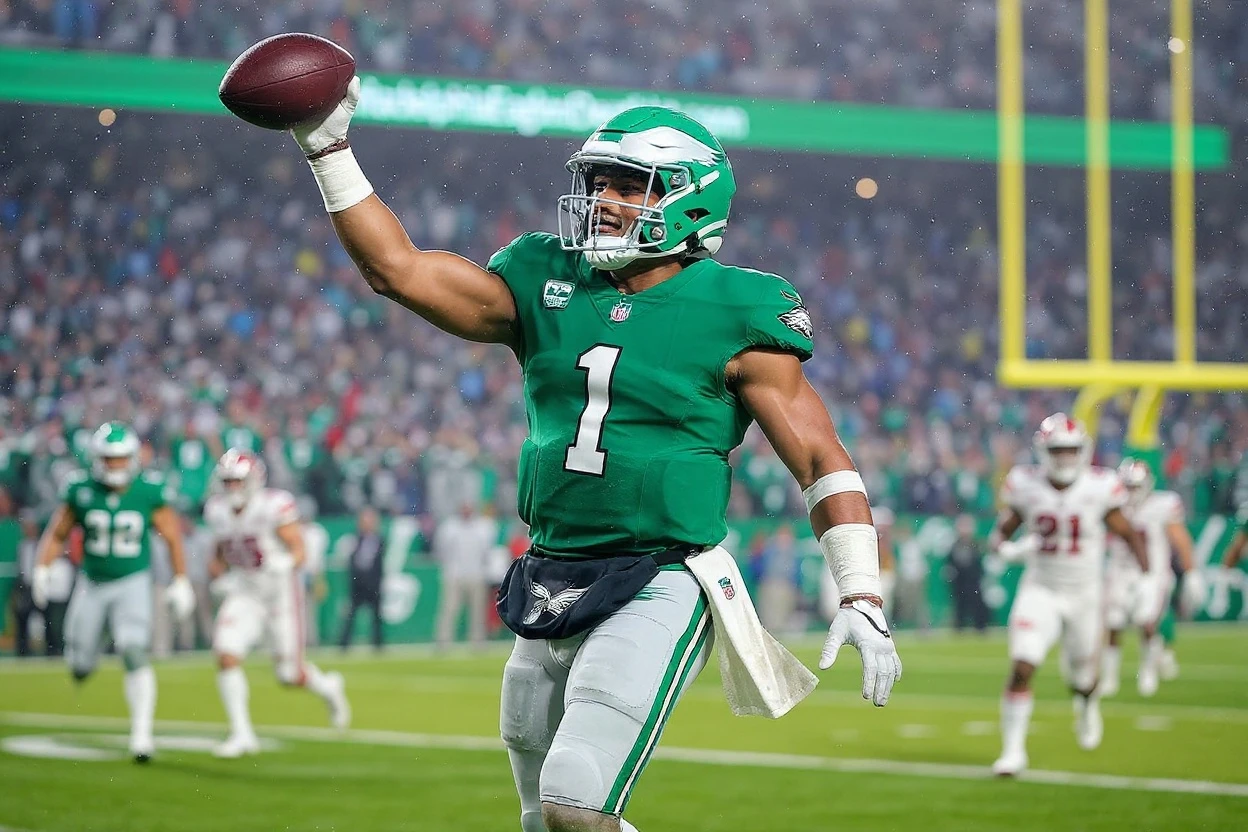
Industry observers noted at the time that resolving the Disney-YouTube TV dispute before the subsequent Monday Night Football matchup between the Green Bay Packers and Philadelphia Eagles was critical to preventing further audience erosion.
The Disney-YouTube TV dispute that shadowed this broadcast was not an isolated incident. Carriage disputes between major content distributors and streaming platforms have become more frequent as the pay-TV bundle continues to erode.
YouTube TV, which had grown into one of the most popular virtual MVPD services in the United States with millions of subscribers, represented a meaningful slice of the NFL’s potential prime-time audience.
When that access goes dark — even temporarily — the ripple effects show up immediately in the overnight ratings. The 21.4% year-over-year decline logged for this Cardinals-Cowboys game stands as one of the starkest single-game illustrations of that vulnerability in recent NFL broadcast history.
For the NFL, the path forward requires more than hoping distributors resolve their disputes before kickoff. The league has invested heavily in platform diversification — streaming deals, NFL+, international packages — but those investments only pay off if fans can reliably access the content they are paying for.
A viewer who cannot watch a Monday Night Football game on their preferred platform does not simply switch to another; in many cases, they disengage entirely.
That disengagement, multiplied across millions of households, is what the 16.2 million average audience figure for the Cardinals-Cowboys game ultimately reflects.
The NFL’s next challenge is not just producing compelling matchups — it is ensuring that the infrastructure delivering those matchups to fans is as reliable as the product itself.

Internet Reactions to the Cardinals vs Cowboys Ratings Rollercoaster
The Eagles entered that next broadcast window as one of the league’s most complete teams, having accumulated 1,137 rushing yards and 2,017 passing yards in the tracked sample — a balanced offensive profile that made them a compelling prime-time draw.
Whether the carriage dispute would be resolved in time to restore full YouTube TV access remained the central question hanging over the NFL’s broadcast partners.
The broader stakes are significant: if carriage blackouts become a recurring feature of the NFL calendar, advertisers paying premium rates for prime-time inventory will demand answers.
The league’s ability to guarantee reach — not just content quality — is increasingly what defines the value of its broadcast rights.
Frustration among locked-out viewers was immediate and vocal. Social media lit up with complaints directed at both Disney and ESPN, with fans caught in the middle of a corporate standoff they had no role in creating.
Industry analysts noted that advertisers were already scrutinizing the declining year-over-year numbers, and a sustained pattern of carriage-related audience loss could pressure future rights negotiations.
The Cardinals-Cowboys game, whatever its on-field merits, became a flashpoint in a larger conversation about who controls access to live NFL football — and what happens when that access breaks down.