
After receiving interest from the Raiders, Ravens, Browns, Buccaneers, and Eagles, Mike McDaniel made a shocking decision: he chose to become the Chargers’ offensive coordinator instead of pursuing a head coaching role. The 42-year-old former Dolphins head coach had multiple opportunities to lead his own team but walked away. What could’ve motivated this seemingly counterintuitive career move? The answer lies in one compelling factor that outweighed the prestige of a head coaching position. In an NFL landscape where head coaching jobs are among the most coveted roles, McDaniel’s choice to step back and accept a coordinator position represents a calculated strategic move that reveals plenty about his ambitions and understanding of current league dynamics.


Want to know what people are really saying? Don’t miss the buzz from Reddit at the end!
How Justin Herbert Became the Missing Piece
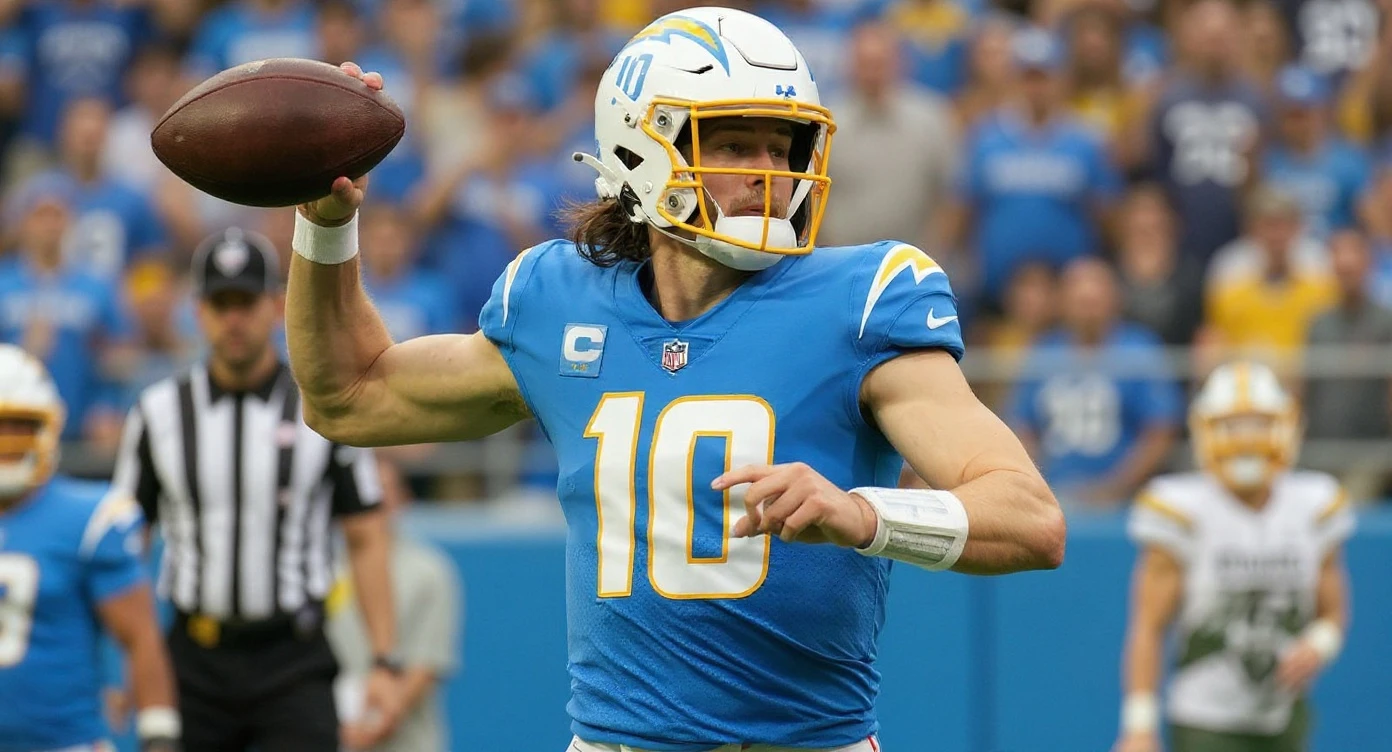
Justin Herbert was the deciding factor in McDaniel’s unexpected choice. Despite multiple head coaching opportunities on the table, McDaniel couldn’t resist the chance to work with one of the NFL’s most talented young quarterbacks. Herbert represents a rare talent pool—a two-time Pro Bowl selection with exceptional credentials: 24,820 career passing yards and 163 touchdowns through 2025. McDaniel recognized this as a unique alignment of opportunity and challenge, allowing him to implement his offensive philosophy without the overwhelming demands of running a program.
The Offensive Genius Behind Miami’s Explosive Top-Five Ranks
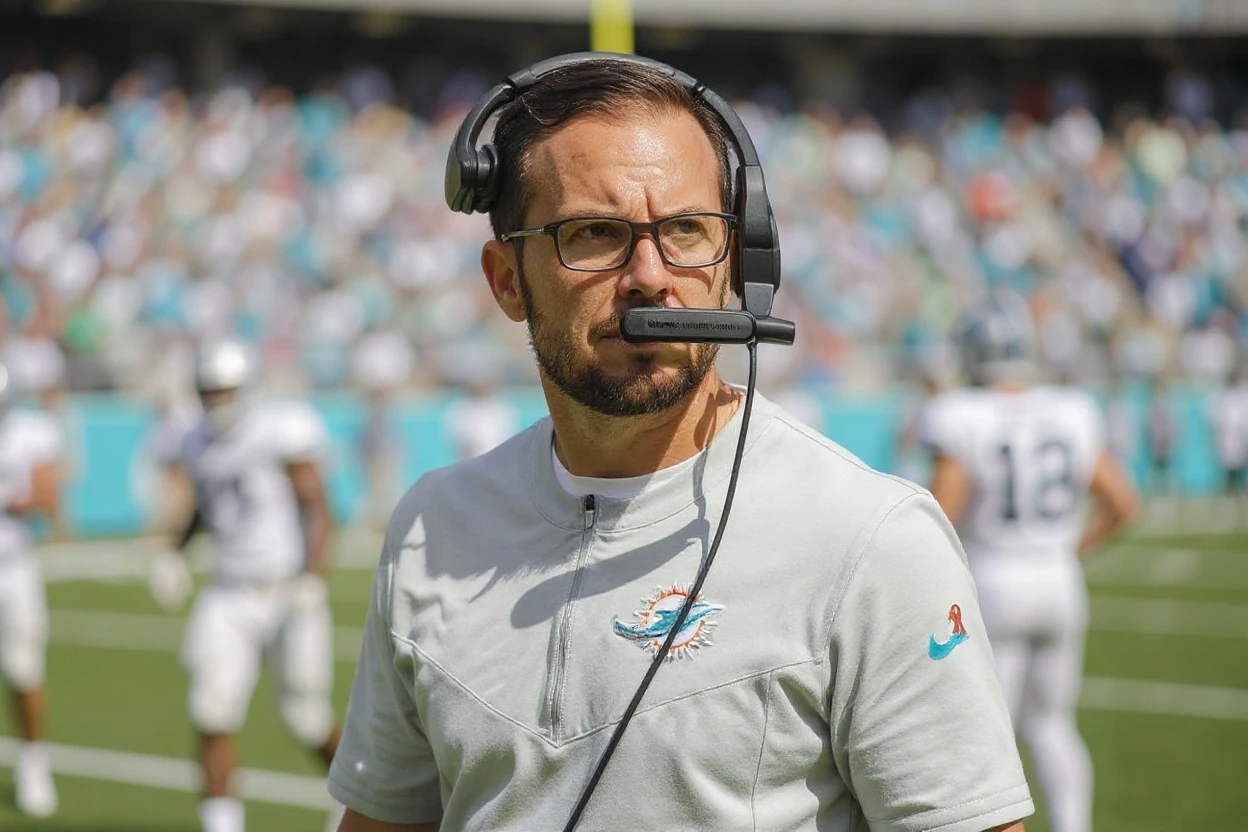
During his tenure as Dolphins head coach, McDaniel built one of the league’s most dangerous offenses, ranking 2nd overall in 2022 and achieving a league-leading 1st-ranked unit in 2023. His track record of constructing explosive offenses made him highly coveted across the NFL. The Chargers are banking on this same offensive expertise to unlock Herbert’s full potential and address their recent struggles, recognizing that McDaniel’s ability to maximize talent and design creative play-calling sequences is exactly what they need.
Why Jim Harbaugh Made a Bold Move
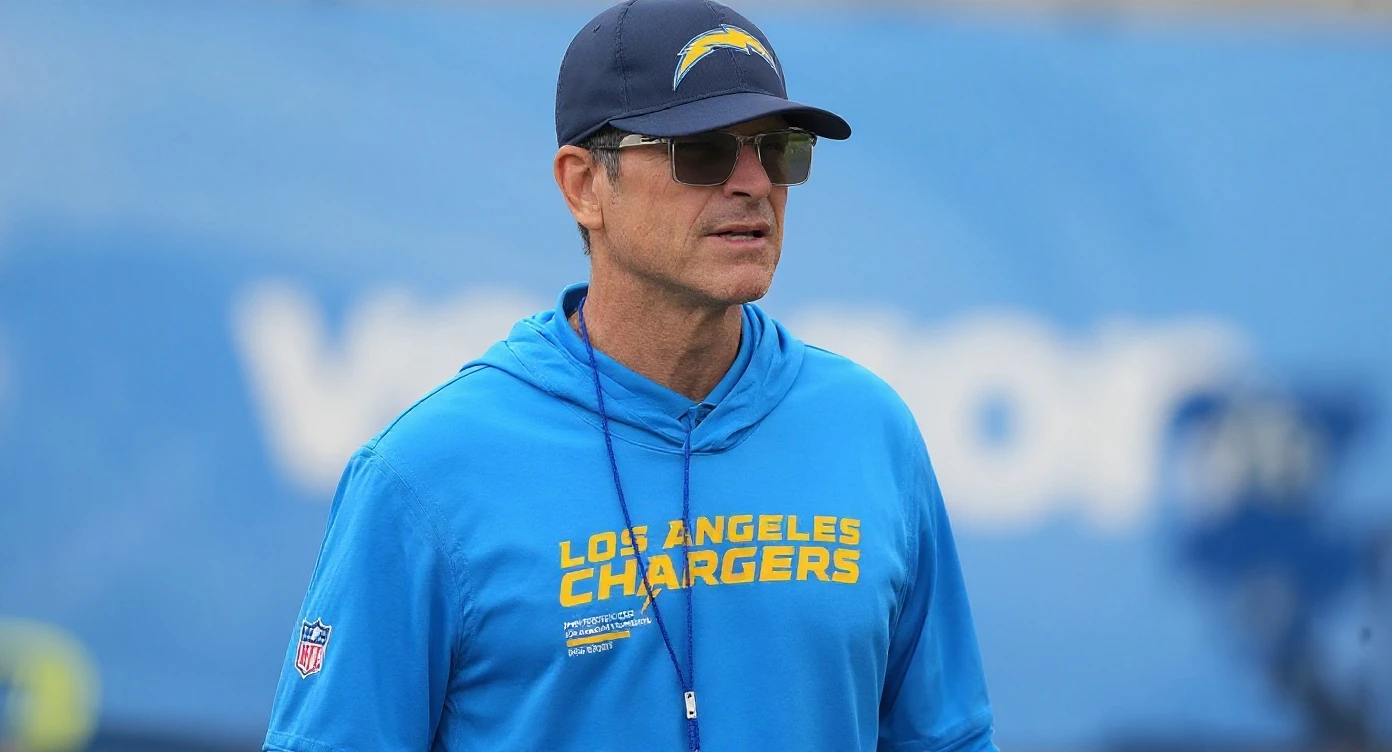
Coach Jim Harbaugh made the difficult decision to part ways with longtime offensive coordinator Greg Roman after the Chargers’ offense collapsed in back-to-back playoff losses, scoring just 15 total points with only one touchdown across both games. Harbaugh explicitly stated his need for a ‘fresh start’ and ‘new direction.’ By removing Roman on January 13, Harbaugh demonstrated his willingness to make decisive moves. McDaniel’s arrival signals Harbaugh’s commitment to a complete offensive rebuild, not incremental improvements.
The Coaching Journey That Led McDaniel to San Diego
McDaniel’s path began as an intern with the Denver Broncos in 2005, marking the foundation of a nearly two-decade trajectory through the NFL’s elite coaching ranks. As a product of the renowned Shanahan coaching tree, he held progressively influential positions, including his first offensive coordinator role with the San Francisco 49ers in January 2021. He appeared in Super Bowl LIV and Super Bowl LI, gaining exposure to championship-caliber environments. His nearly two-decade journey demonstrates patience, continuous learning, and strategic positioning within elite systems.
A Strategic Appointment: McDaniel and Harbaugh’s Shared Vision
The convergence of McDaniel’s offensive expertise and Harbaugh’s proven track record creates a potentially transformative alignment for San Diego. Their partnership represents far more than a simple coordinator hire; it embodies a strategic bet on concentrated excellence. McDaniel’s willingness to step into the coordinator role signals confidence in Harbaugh’s vision. With the Chargers’ front office stability, Herbert’s elite talent, and the team’s improved 11-6 record in 2024, this appointment marks a crucial inflection point.
What This Means for the Chargers and Beyond
McDaniel’s decision to join the Chargers reveals something important about how ambitious coaches are reassessing their career paths in the modern NFL. Rather than viewing any head coaching opportunity as inherently superior, the smartest minds in football are increasingly evaluating fit, resources, and long-term potential. The Chargers organization, located in Southern California with a stable front office and a young superstar quarterback, presents a compelling package that some would argue rivals the appeal of a rebuilding head coaching position elsewhere. The contrast is telling: accepting a leadership role with an organization where success seems uncertain, or stepping into a carefully constructed opportunity where the infrastructure already exists to maximize your expertise? For someone of McDaniel’s caliber, the choice becomes less about ego and more about pragmatism and the pursuit of genuine excellence.
There’s also the practical reality of organizational context. Working for a franchise burdened by decades of dysfunction, limited resources, or toxic organizational cultures presents challenges that even the most ambitious coach might prefer to avoid. San Diego, by comparison, offers stability, a proven head coach with championship pedigree, and a team that’s already trending in the right direction. For McDaniel, this represents an opportunity to focus purely on what he does best—designing and implementing explosive offensive schemes—without having to navigate the overwhelming complexities of managing an entire organization from scratch. The geographic and lifestyle factors shouldn’t be dismissed either. Coaching in a premier market with established infrastructure and the chance to mentor under one of the league’s most respected coaches adds layers of appeal that transcend traditional career metrics. McDaniel’s strategic thinking extends beyond titles and into the substance of the opportunity itself.
Perhaps most importantly, McDaniel’s move sets an intriguing precedent for how elite offensive minds might navigate their career trajectories going forward. Rather than viewing coordinator roles as stepping stones to be hastily discarded, this arrangement demonstrates that the right partnership—with the right quarterback, the right infrastructure, and the right vision—can offer a path to influence and success that rivals that of any head coaching job. For Herbert, McDaniel’s presence signals a renewed commitment to offensive optimization. For the Chargers, it represents a calculated gamble that focused excellence in one critical area can transform a franchise’s fortunes.