
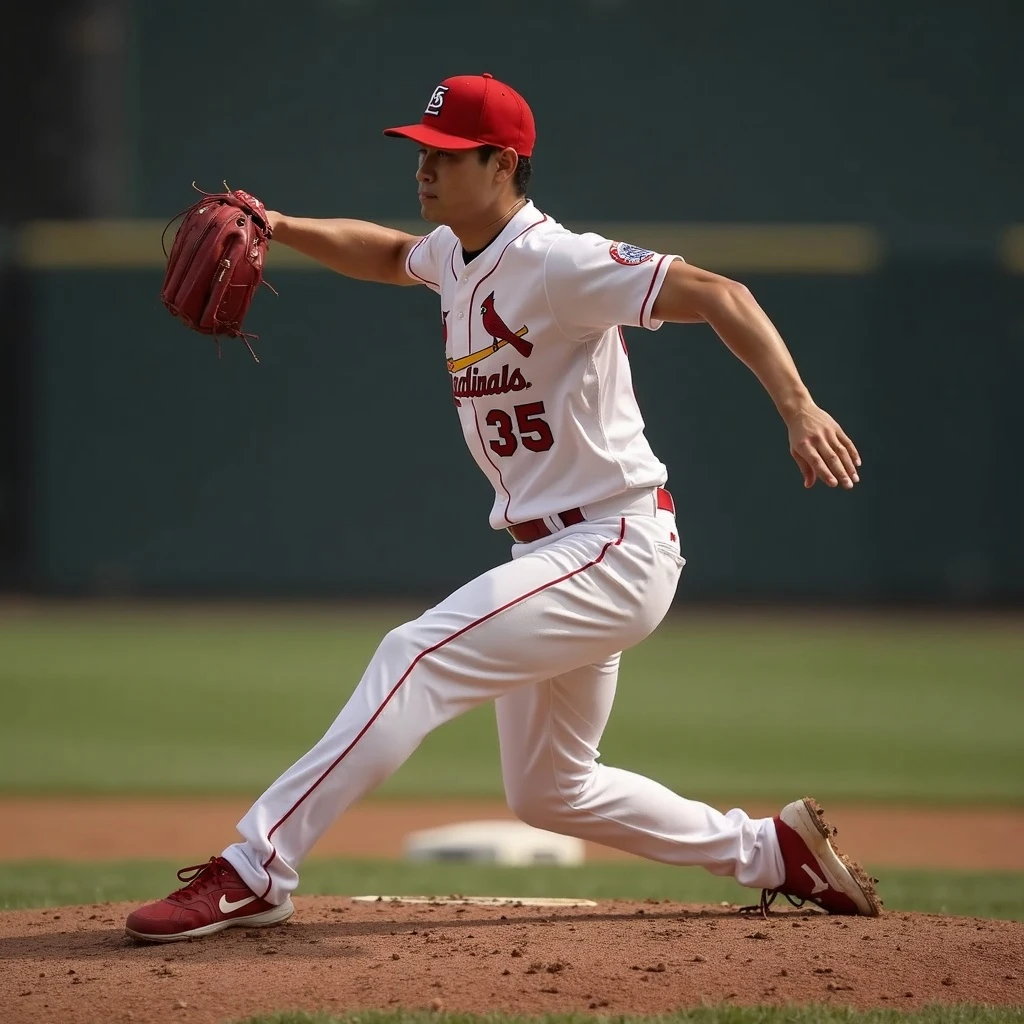
For professional athletes, the dream of making it big often comes with the promise of financial security. But in the world of Major League Baseball (MLB), the rewards extend far beyond the playing years, as former players are entitled to a lifelong pension that can provide a comfortable retirement.
Want to know what people are really saying? Don’t miss the buzz from Reddit at the end!
The Surprising Perks of MLB Stardom: Lifelong Pensions Revealed
In a recent appearance on the tvN entertainment show ‘Why Leave It’, former MLB pitcher Seung-hwan Oh, known as the ‘Stone Buddha’ for his stoic demeanor, shed light on the lucrative pension plan offered by the league. Oh, who played four seasons in the majors, revealed that MLB pensions are paid for life starting at age 60, and even in the event of a player’s passing, their spouse would continue receiving the pension. This revelation surprised his fellow guests, baseball legends Kim Sun-woo and Park Yong-taek, highlighting the often-overlooked long-term benefits of a career in America’s pastime.
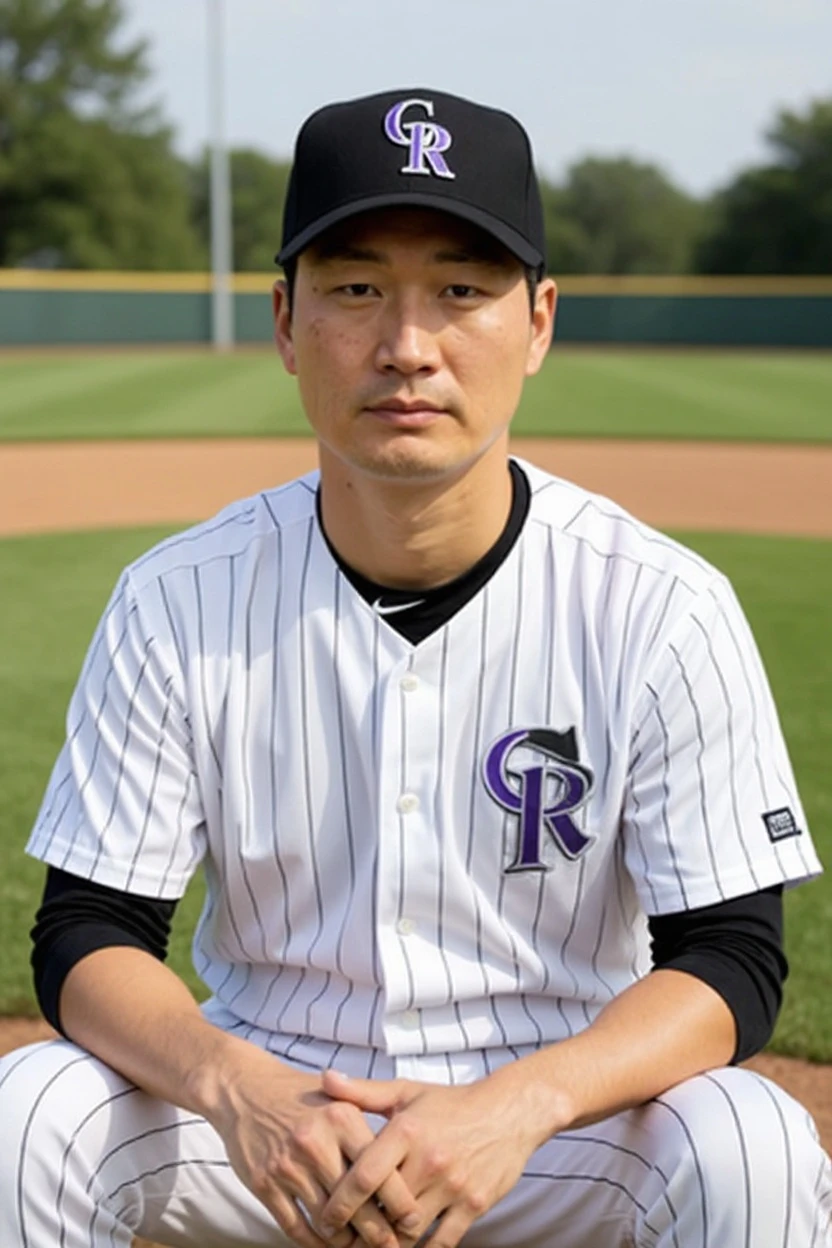
From ‘Stone Buddha’ to Millionaire: Seung-hwan Oh’s Journey
Seung-hwan Oh’s path to MLB stardom was unconventional. After being scouted in college, he bypassed the traditional minor league system and went straight to the major leagues, having already proven himself on the Korean and Japanese professional circuits. In 2016, Oh signed a lucrative two-year contract worth 13.1 billion won (approximately $10.3 million) with the St. Louis Cardinals. After we retired we could go to Japan once a month to eat udon. In terms of exchange rate, if you start receiving it around 62, it is over 100 million won a year “Seung-hwan Oh” Oh quipped, referring to his anticipated pension payout.
Udon Noodle Dreams: How MLB Riches Translate to Retirement Bliss
When asked about the specifics of his MLB pension, Oh estimated that he would receive around 7-8 million won (approximately $5,440-$6,200) per month, amounting to over 100 million won (approximately $78,000) annually starting around age 62. With such a substantial income, Oh joked that he and his wife could indulge in monthly trips to Japan to savor their beloved udon noodles, a testament to the financial freedom afforded by the league’s generous retirement plan.
Park Chan-ho’s Pension Puzzle: A Glimpse into MLB’s Lasting Legacy
Oh’s revelation about MLB pensions sparked a discussion about other Korean players who have benefited from the league’s retirement program. Park Chan-ho, another former MLB pitcher, was mentioned as still receiving a monthly pension of 2.5 million won (approximately $1,960) from the league, further highlighting the lasting impact of a successful MLB career. Park Se-ri, a retired LPGA golfer, also confirmed receiving a pension, though the amount was not specified, suggesting that the league’s commitment to player welfare extends beyond baseball.
Championship Rings: Symbols of Glory, Even for the Ringless
The conversation took a lighthearted turn when Park Yong-taek claimed that Oh had won five championship rings with the Samsung Lions in the Korean Baseball Organization (KBO), a feat that would typically earn a player a coveted championship ring. Kim Sun-woo, however, humorously revealed that despite never winning a championship as a player, he had asked for and received a ring from a club owner, a testament to the enduring allure of these symbolic tokens of victory, even for those who never experienced the thrill of a championship win.

What People Are Saying About MLB Pensions
The discussions around Seung-hwan Oh’s revelations about the lucrative pension system in Major League Baseball (MLB) have sparked a renewed appreciation for the power of labor unions and the importance of securing long-term benefits for players. Many commenters have highlighted how the MLB Players Association’s strong negotiating position has enabled members to enjoy a level of financial security that extends well beyond their playing careers.
Some commenters have taken a more outspoken stance, arguing that anyone who is against unions is simply misguided. They contend that unions play a vital role in protecting workers’ rights and securing better compensation and benefits, which is clearly demonstrated by the generous MLB pension system. These views suggest a strong sense of appreciation for the collective bargaining power that has enabled players to achieve such a high level of financial security, even long after their playing days are over.
The discussion has also highlighted the broader impact of the MLB pension system, with some commenters sharing their own experiences of benefiting from the league’s commitment to player welfare. One user, who worked part-time for an MLB team years ago, expressed excitement at the prospect of receiving a $58 monthly pension for the rest of their life, demonstrating the far-reaching effects of the league’s retirement benefits. This anecdote reinforces the idea that the MLB pension is not just a perk for star players, but a testament to the league’s dedication to supporting all its members, even those with relatively brief tenures.
However, not all comments were universally positive about unions. One commenter cautioned that a complete absence of “bad blood” between a union and its employer could be a sign that the union is not effectively advocating for its members. This perspective suggests that a certain level of tension or conflict is necessary for a union to truly fight for the best interests of its constituents, hinting at a more nuanced view of the role of organized labor in professional sports.